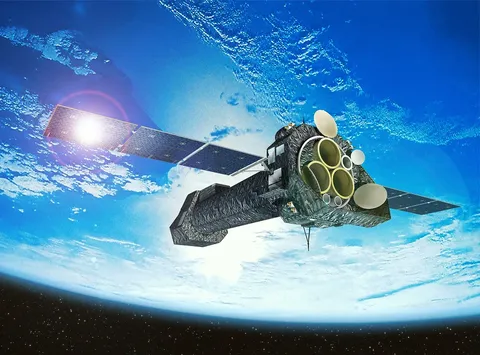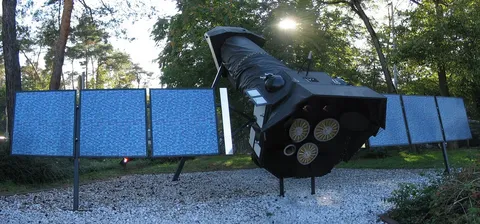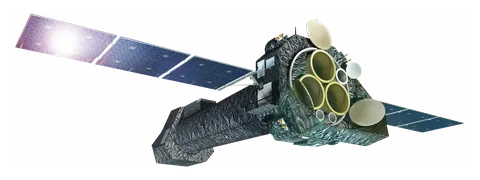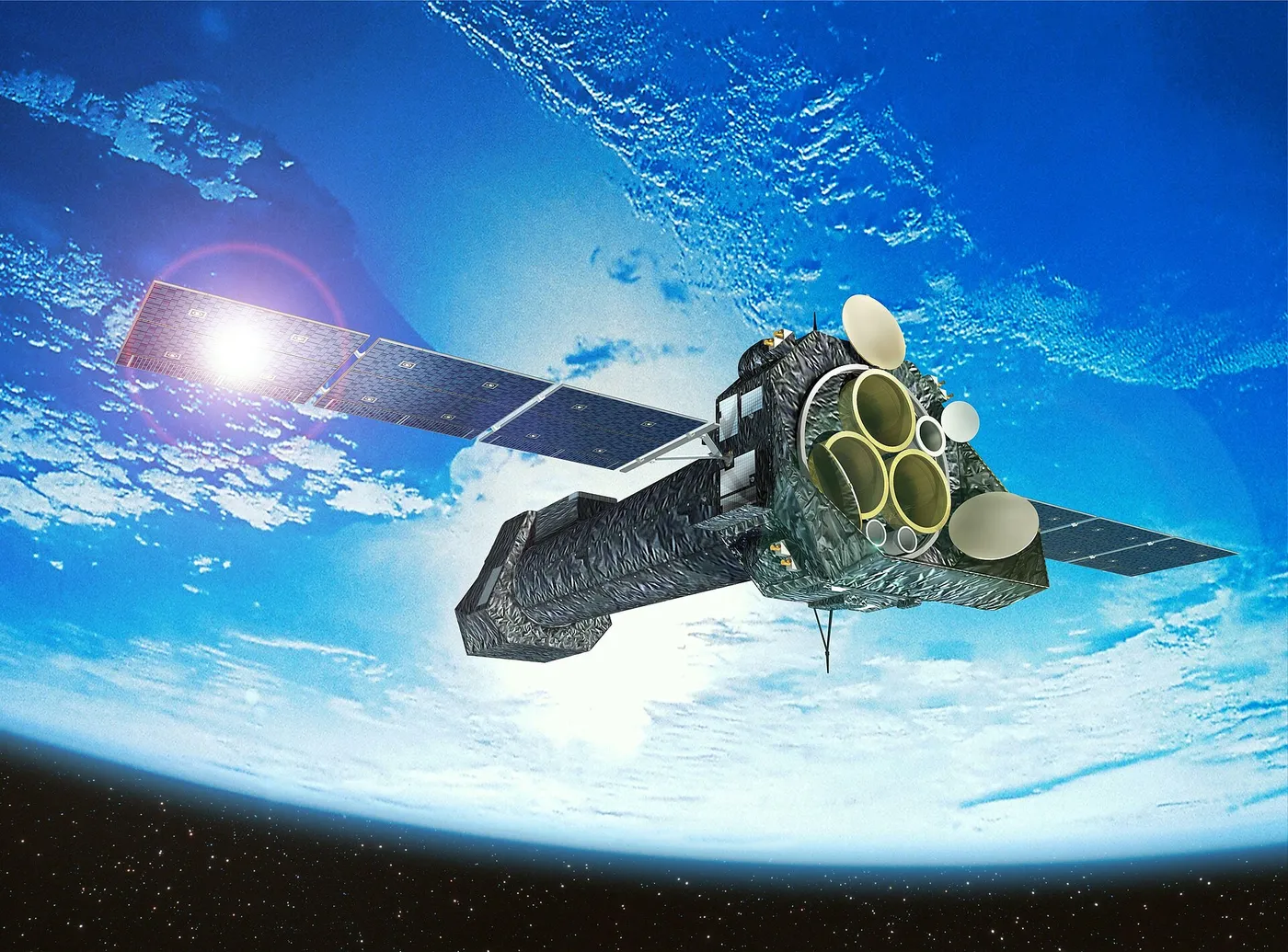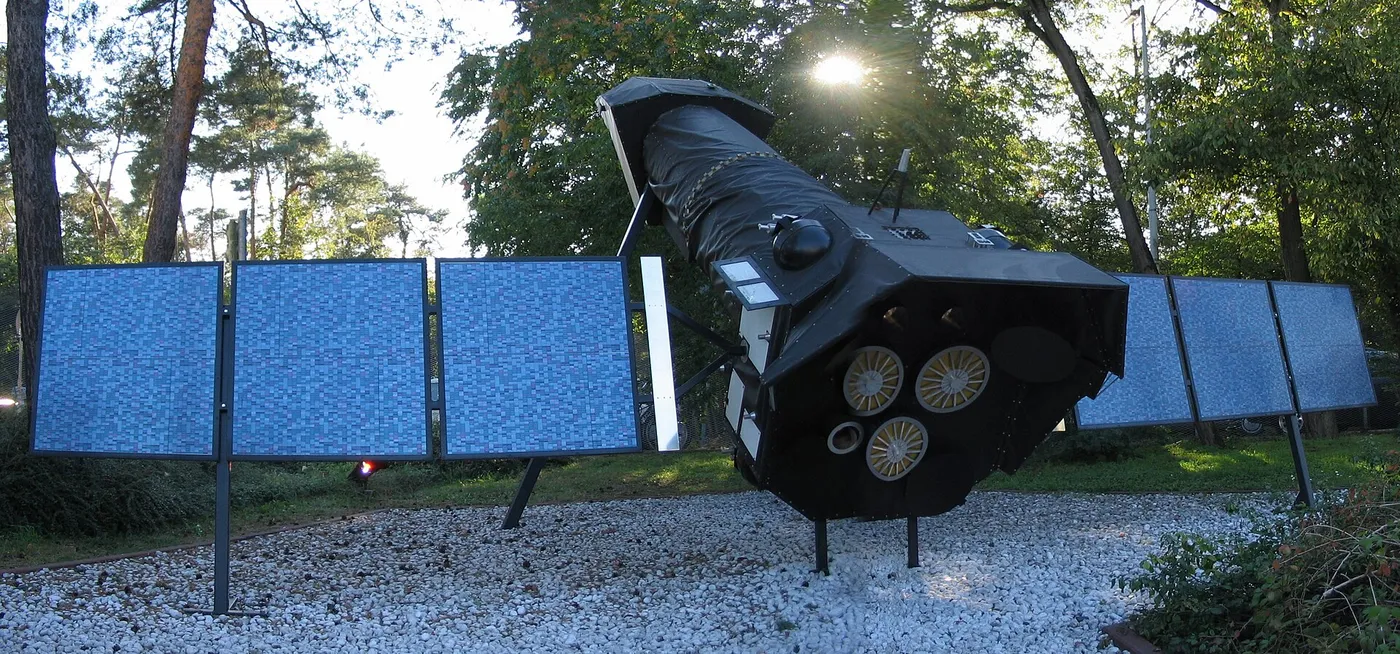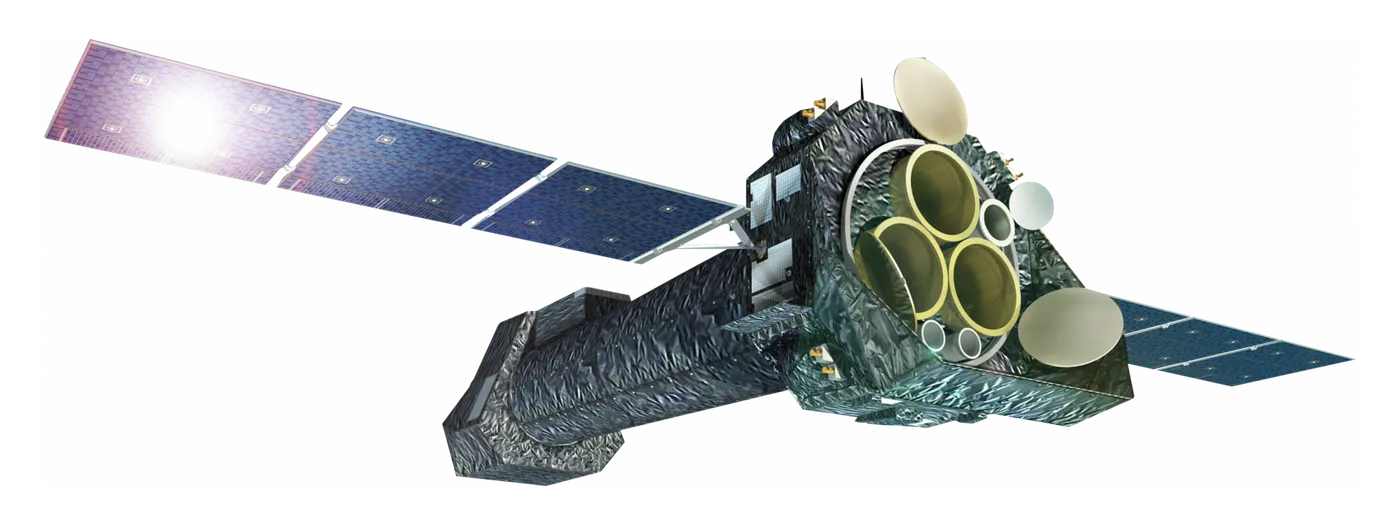

XMM-Newton and Chandra launched within months of each other and were designed to be complementary rather than competing. Chandra has far sharper vision; XMM-Newton collects vastly more light, with three telescopes each containing 58 nested mirror shells — the largest X-ray collecting area ever flown.
That area is what makes spectroscopy possible. Splitting X-rays by energy throws away most of the photons, so measuring the composition, temperature and motion of hot gas requires gathering far more of them than imaging does. XMM-Newton was built for the spectrum rather than the picture.
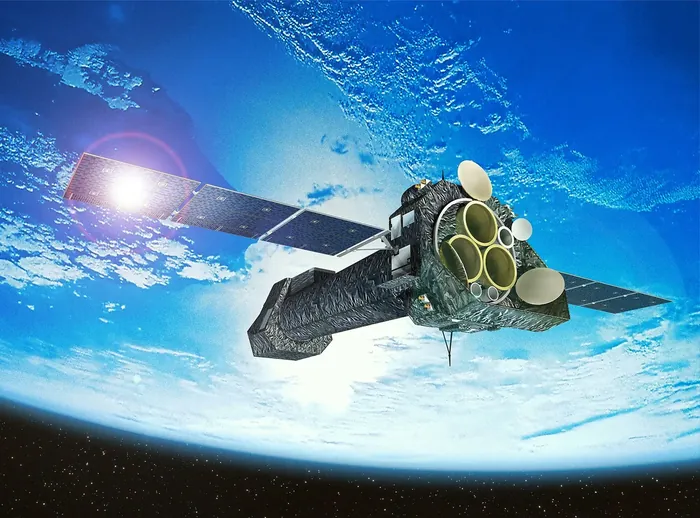
Its orbit is extremely elongated, reaching a third of the way to the Moon, which keeps it clear of the radiation belts and allows uninterrupted observations lasting nearly two days — essential for faint sources that need long exposures.
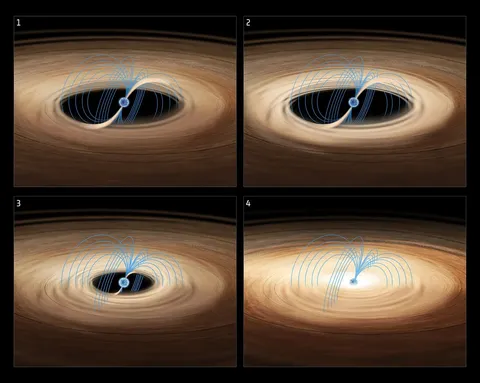
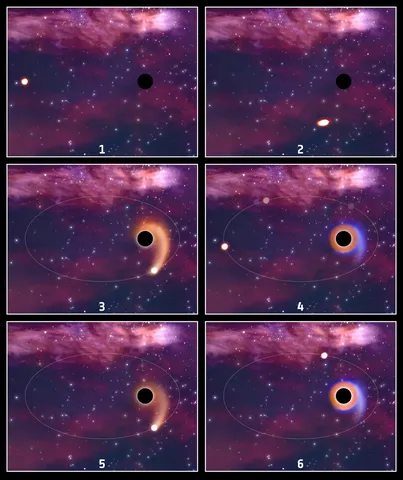
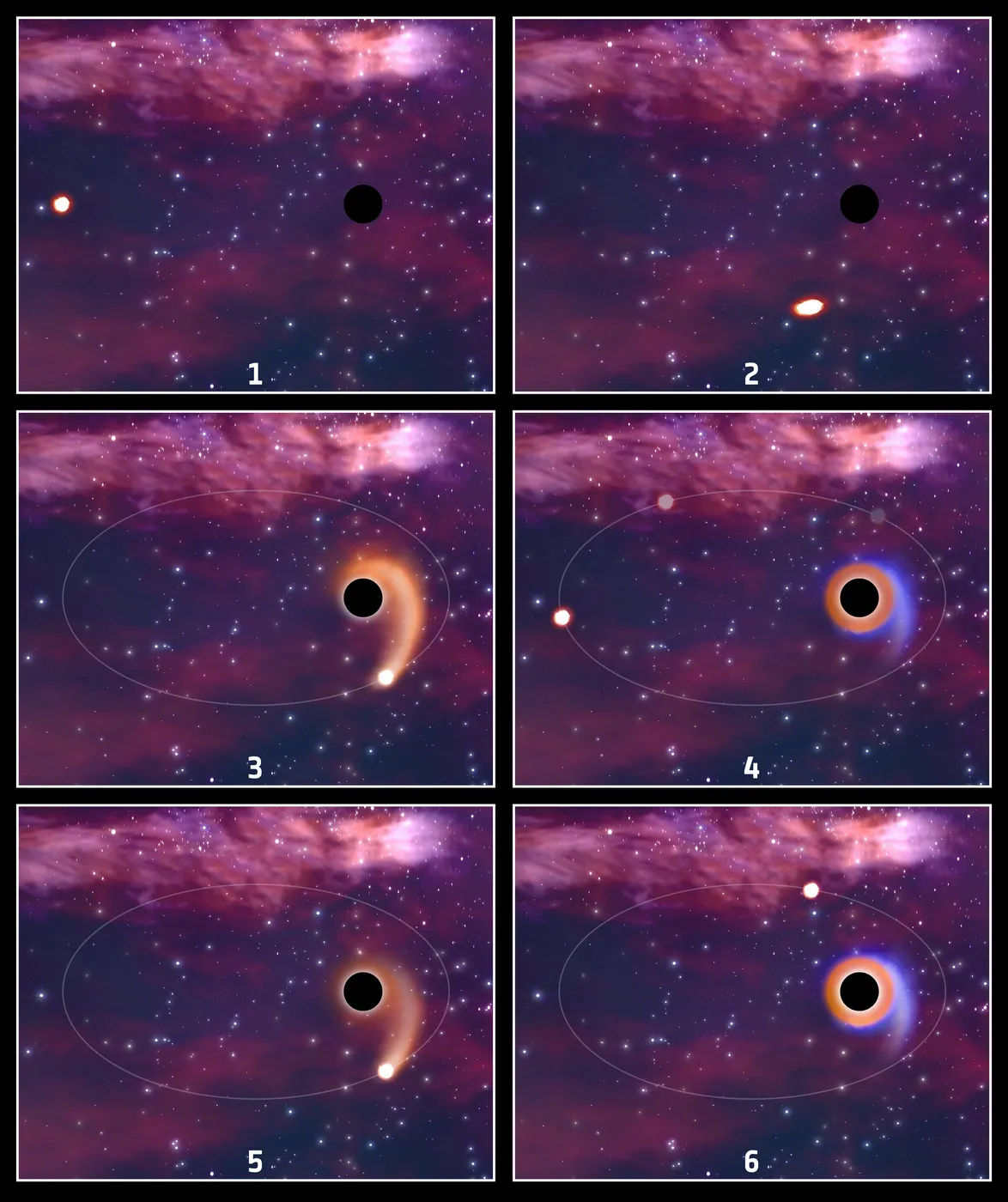
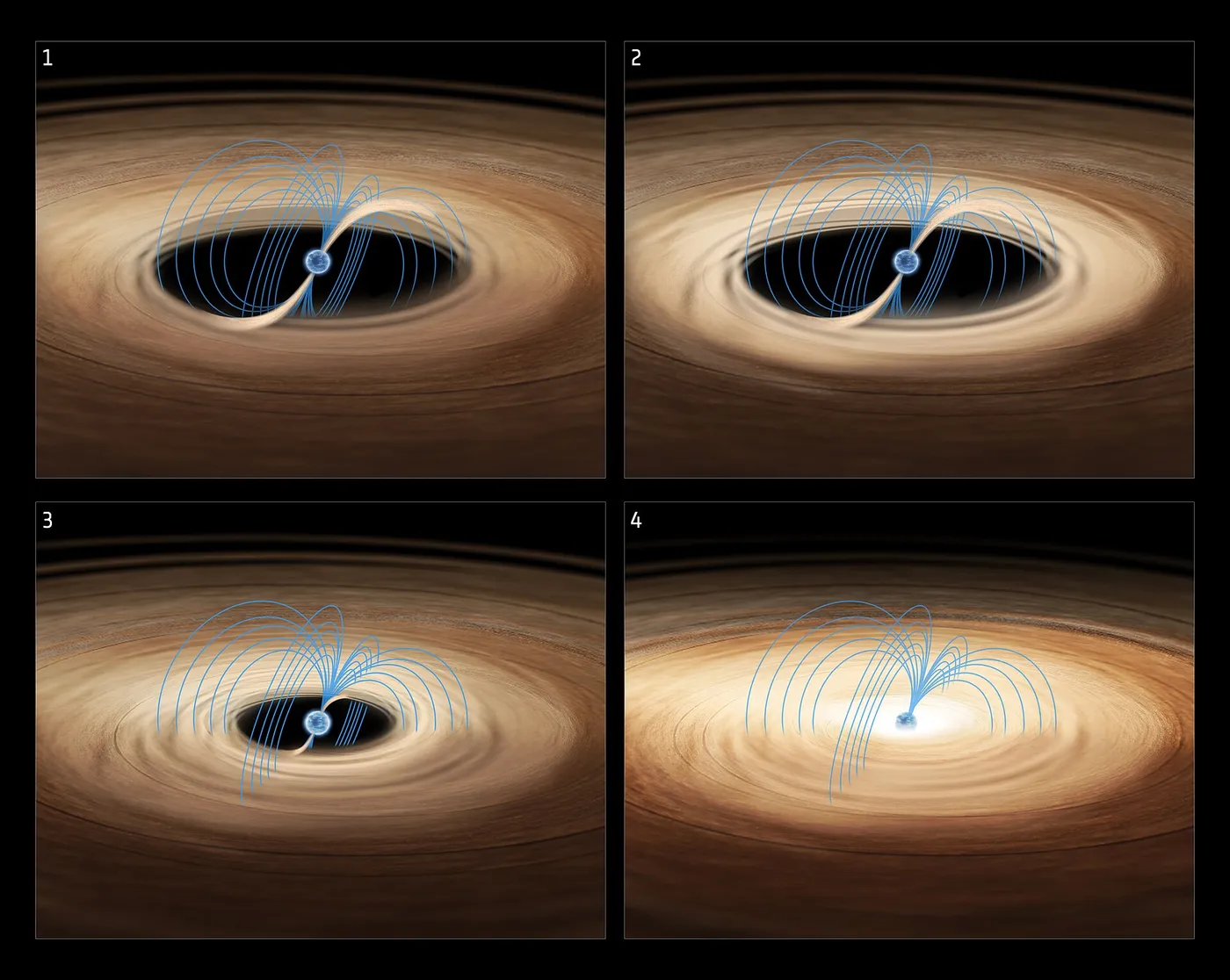
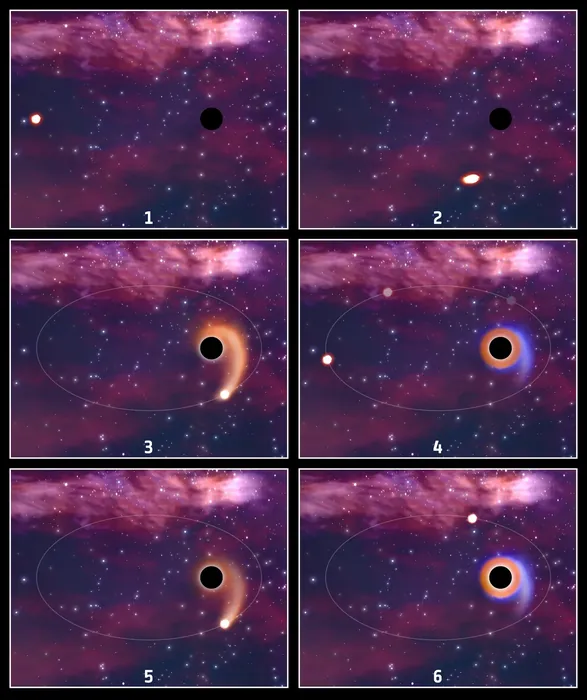
Its results span the field: measuring the temperature and chemistry of gas in galaxy clusters, detecting the broadened iron emission lines that reveal matter orbiting close to black holes, and surveying the X-ray sky deeply enough to trace how supermassive black holes grew over cosmic time.
It has operated for more than twenty-five years against a two-year minimum requirement, and remains one of ESA's most productive missions by publication count. Together with Chandra it forms the pair on which essentially all modern X-ray astronomy has been built.