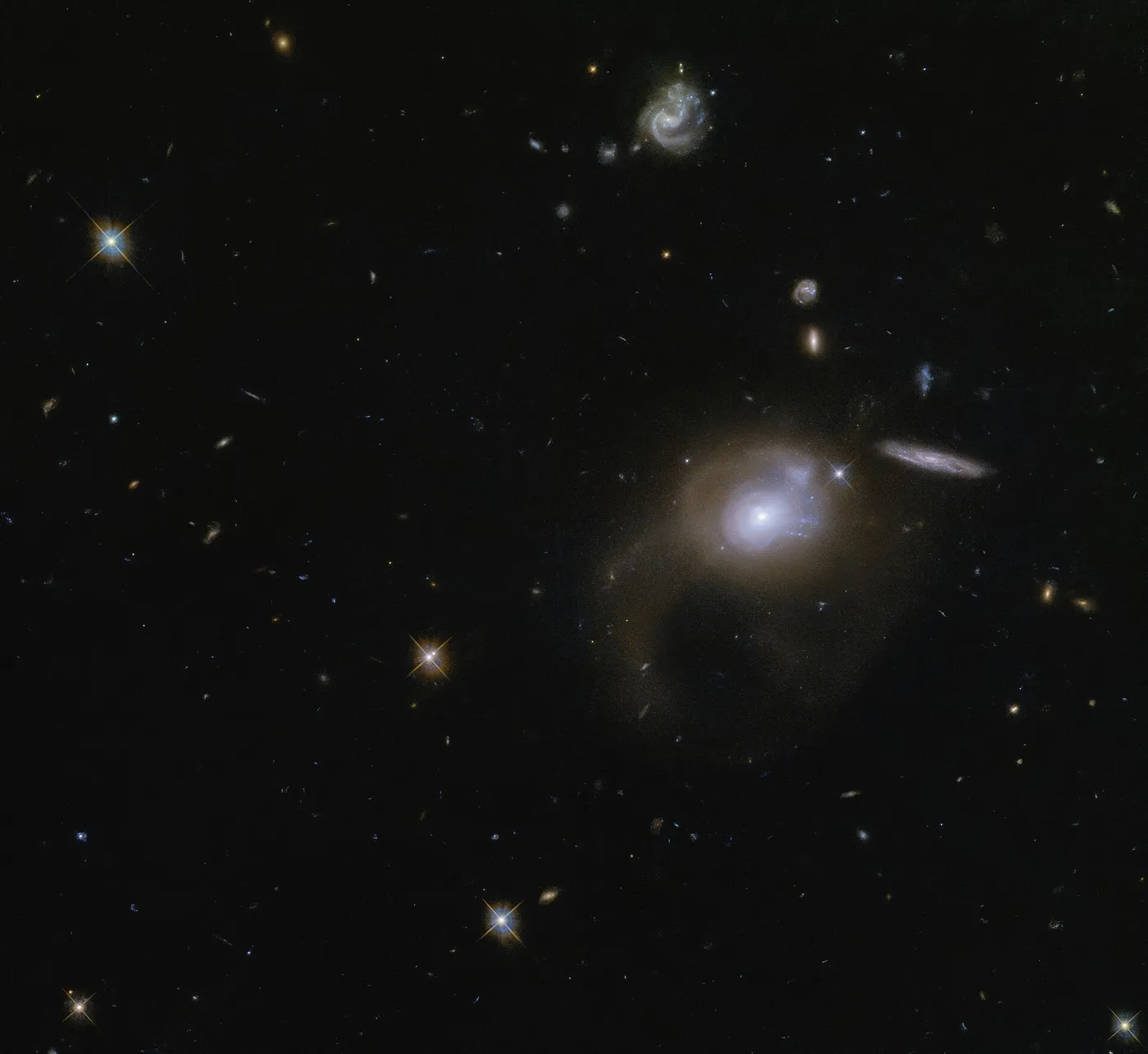
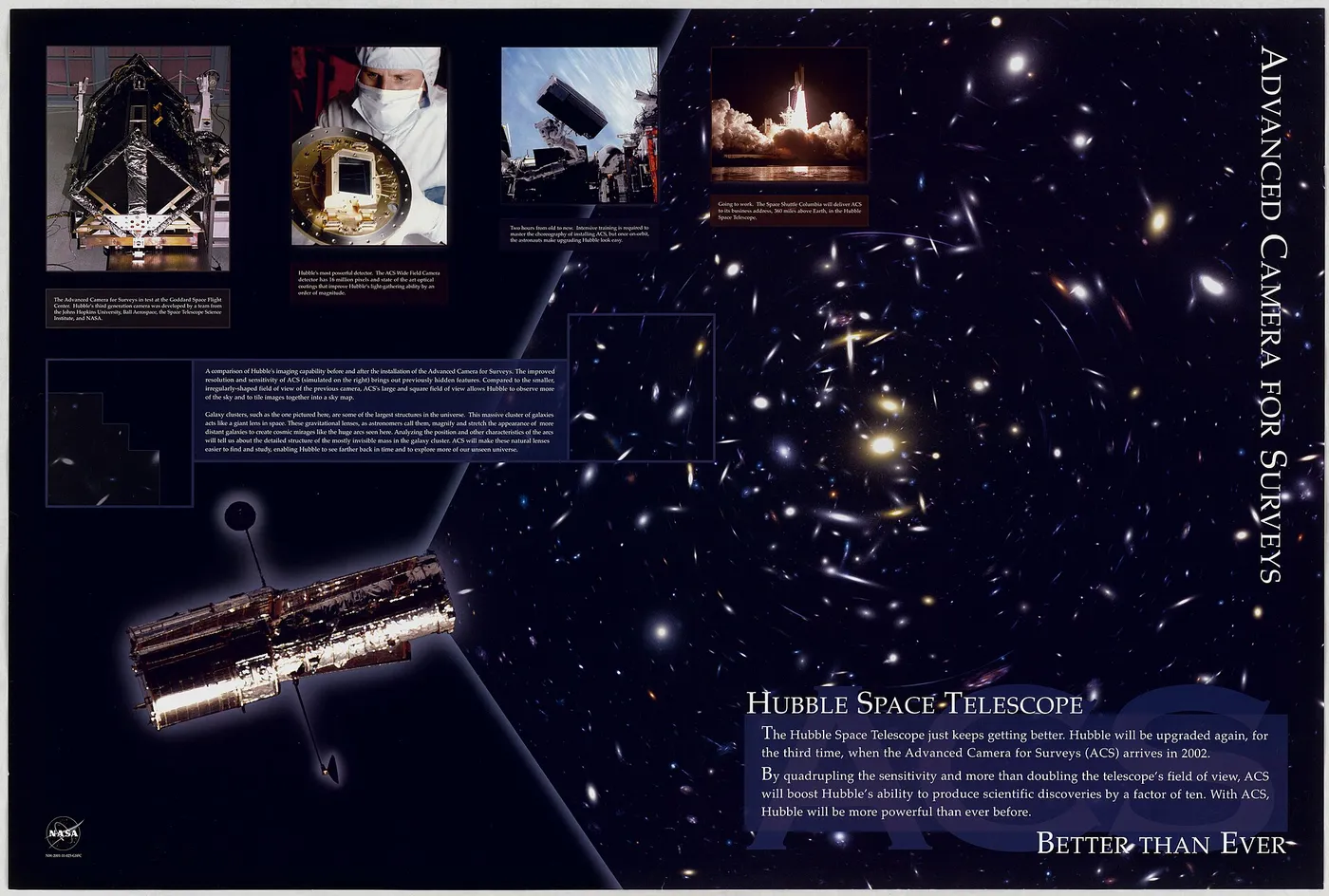

WISE surveyed the entire sky in infrared, four times over, cataloguing some 750 million objects — a systematic census in wavelengths where cool things glow: dust, brown dwarfs, asteroids, and galaxies whose star formation is hidden behind their own obscuring material.
Like all cryogenic infrared missions it was on a clock, and its solid hydrogen coolant ran out after ten months. Two of its four detectors continued to work warm, and the spacecraft was put into hibernation in 2011 with its survey complete.
Two years later it was woken up for an entirely different purpose. Renamed NEOWISE, it was repurposed to hunt near-Earth asteroids, for which infrared is uniquely well suited — an asteroid's brightness in visible light confuses size with reflectivity, while its infrared glow depends chiefly on how big it is.
In that second career it characterised the sizes of thousands of near-Earth objects and discovered several hundred, contributing substantially to the congressionally mandated survey of hazardous asteroids. It also discovered the comet that briefly became a naked-eye object in 2020 and now carries its name.
Its data has proved unusually durable. The original survey catalogue remains a standard reference, used to find the coolest brown dwarfs, identify obscured quasars, and — through a citizen science project — let volunteers search for objects in the outer solar system. The spacecraft's orbit finally decayed and it re-entered in 2024.