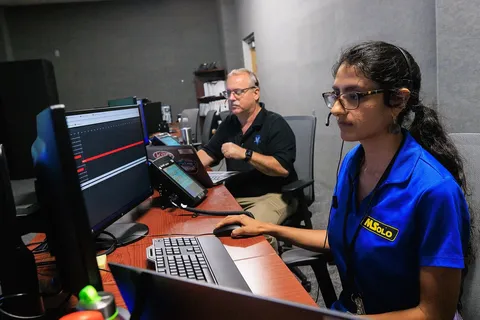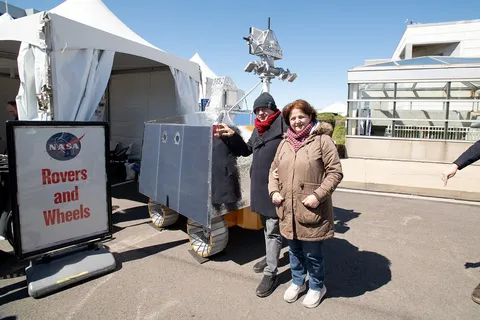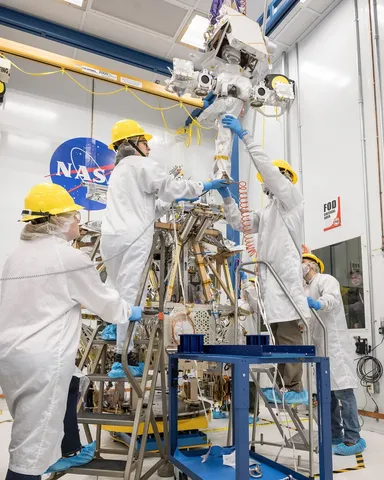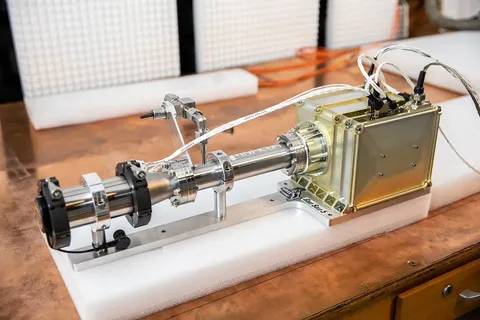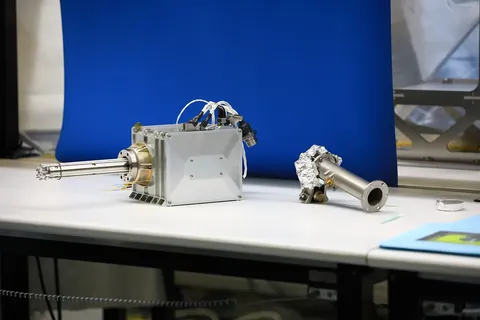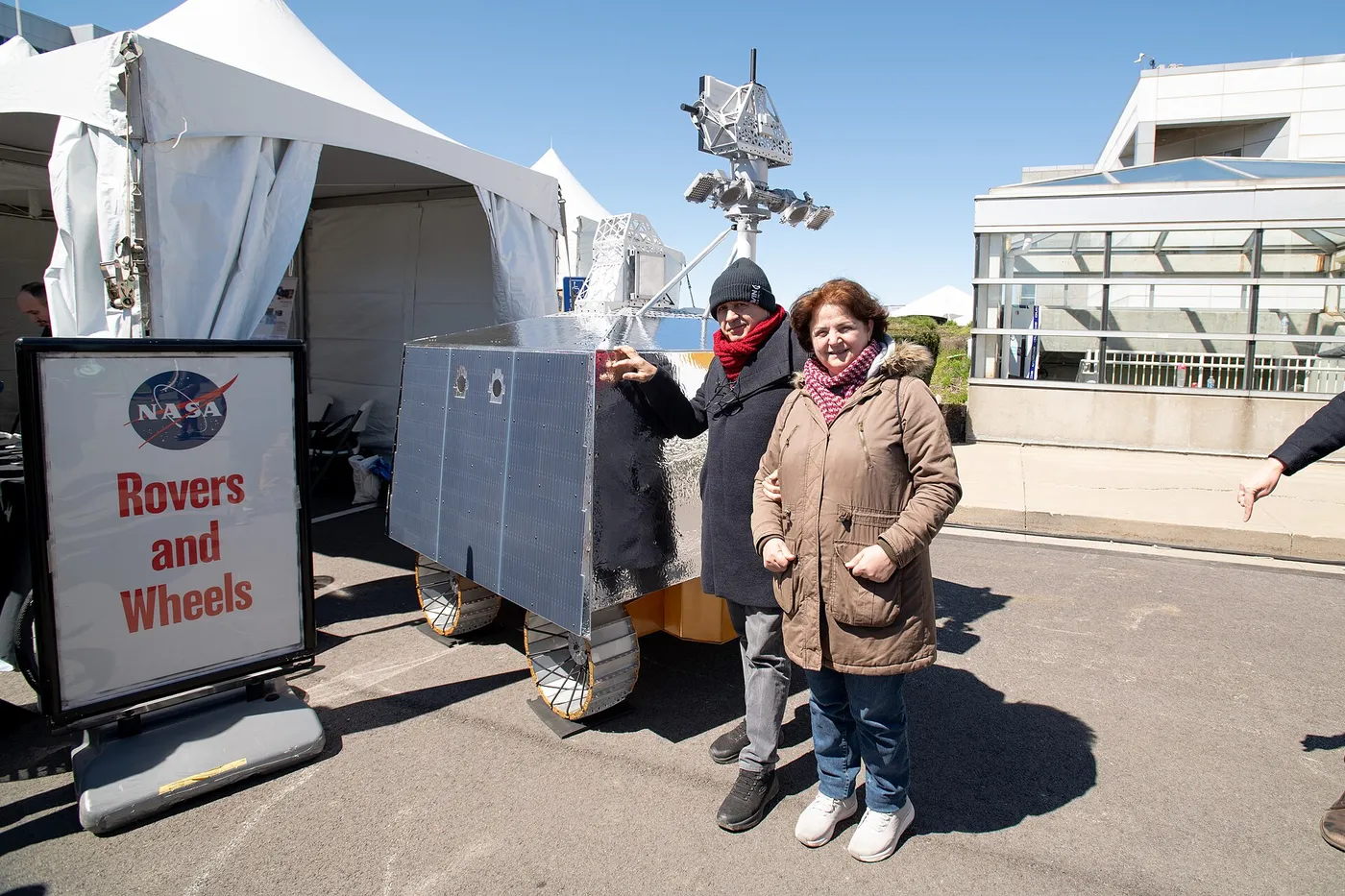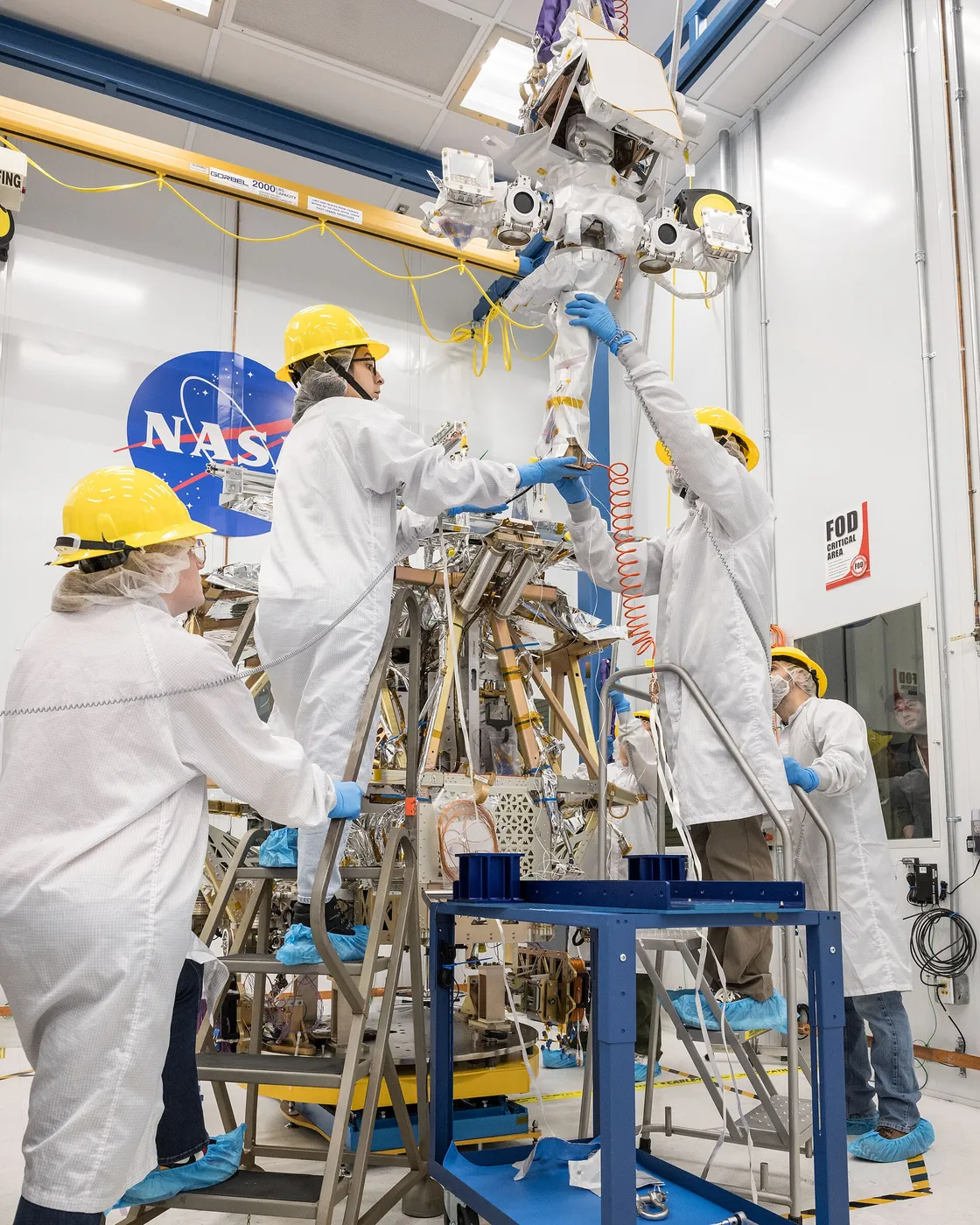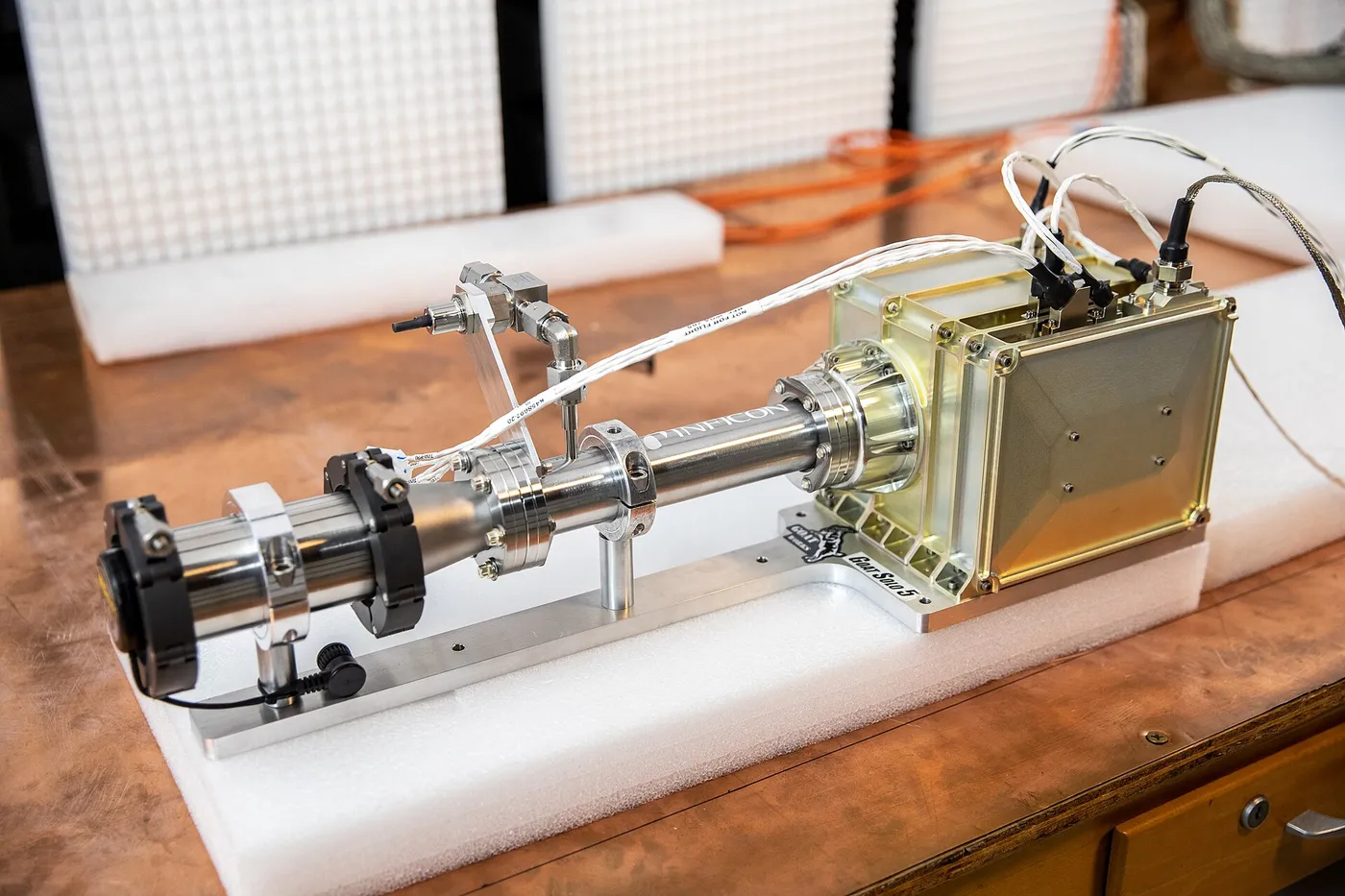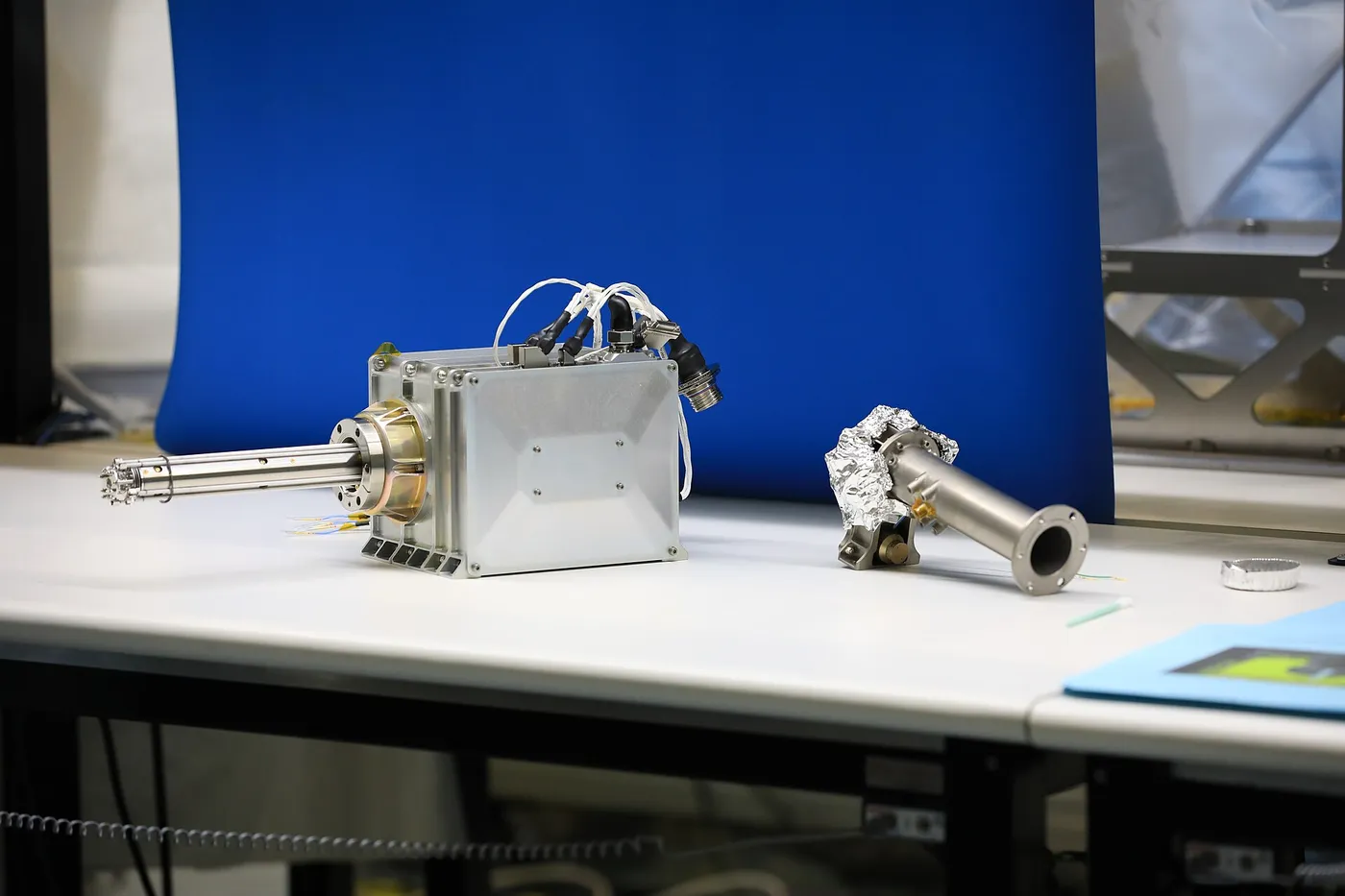
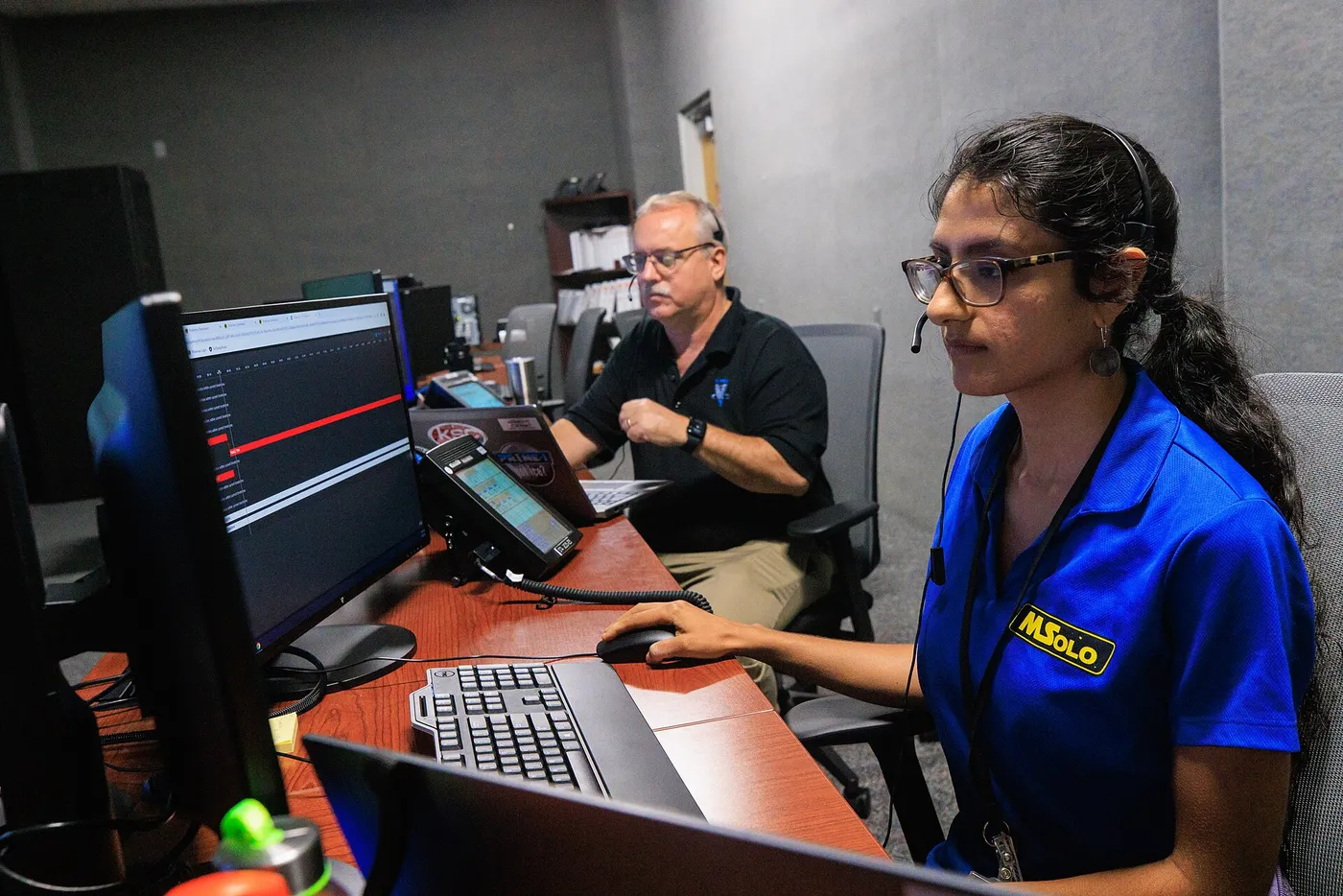

VIPER was built to answer the practical question underlying the return to the Moon: not whether there is water at the poles, which is now established, but where it is, how much, what form it takes, and whether it can actually be extracted. A golf-cart-sized rover with a metre-long drill was to spend a hundred days prospecting the south polar region.
The design problem is that the ice is where the sunlight is not. Permanently shadowed craters are the cold traps that preserve volatiles, and a solar-powered rover cannot linger in them — so VIPER's operations were planned as excursions, dashing into darkness on battery and returning to sunlit ridges to recharge, with routes computed around the moving shadows.
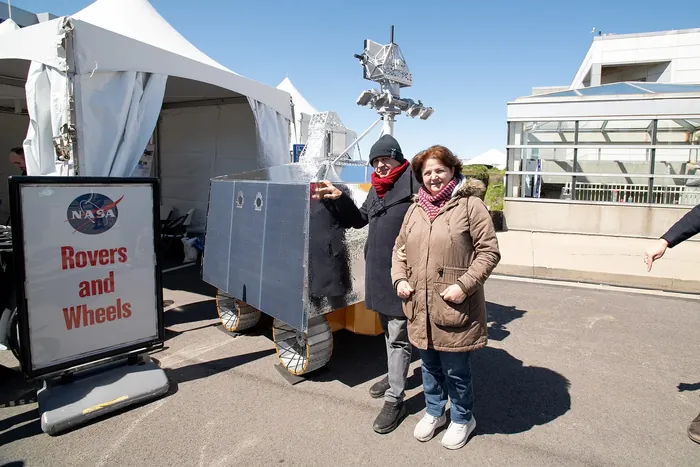
In July 2024 NASA cancelled it. The rover was substantially built and largely paid for, but the commercial lander contracted to deliver it had slipped repeatedly and costs had grown, and the agency judged that continuing would consume funds needed by other lunar missions. The decision was widely criticised, not least because the hardware existed.
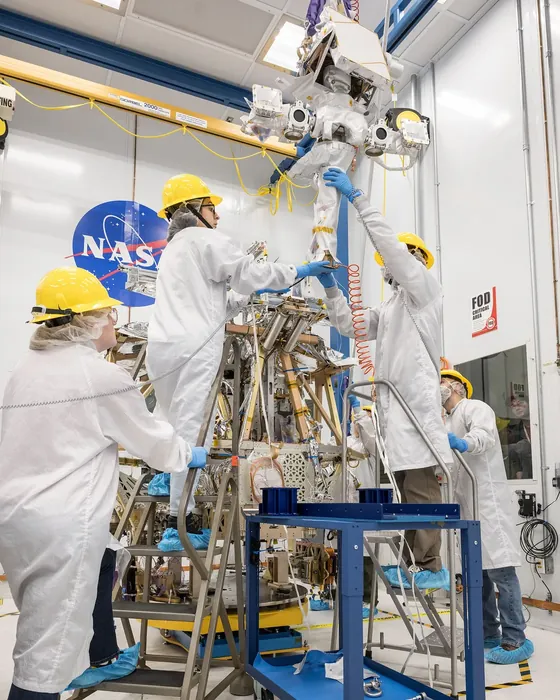
It was then revived. Rather than dismantle a completed rover for spare parts, NASA sought a partner to deliver it and announced an arrangement for a commercial lander to carry it to the Moon later in the decade — a resolution that preserved the science at the cost of several years' delay.
The data it is meant to gather is the difference between assuming lunar water is usable and knowing it. Every plan for sustained operations — propellant made on the Moon, breathable oxygen, water that does not have to be lifted out of Earth's gravity — rests on resource maps that do not yet exist at the resolution a mining operation would require.