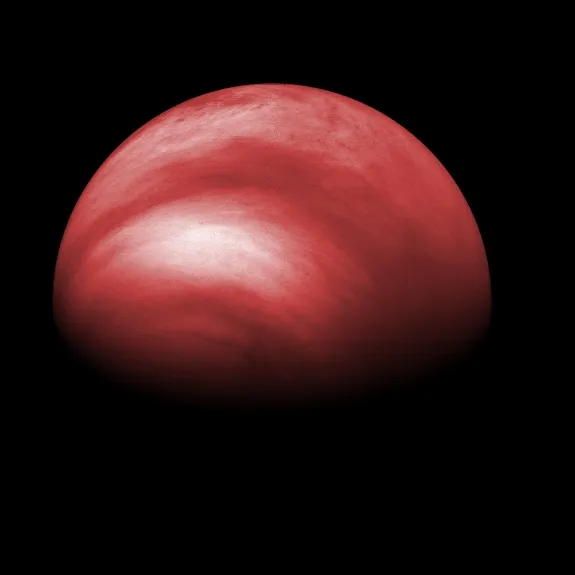

Europe built its Venus orbiter out of leftovers. Venus Express reused the Mars Express design and spare instruments from that mission and from Rosetta, which made it quick and cheap — under three years from approval to launch — and got a European spacecraft to Venus for the first time.
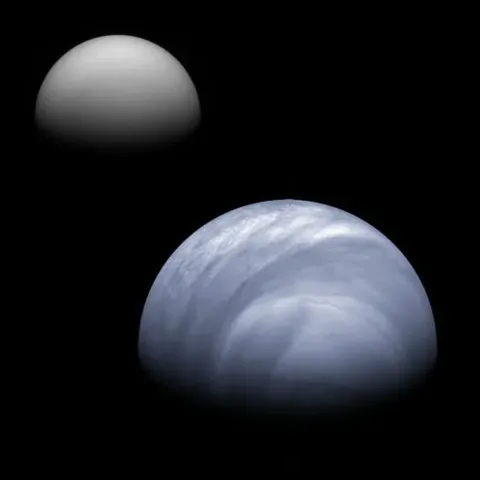
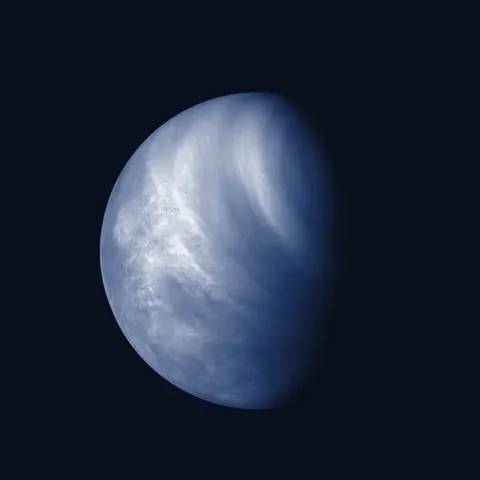
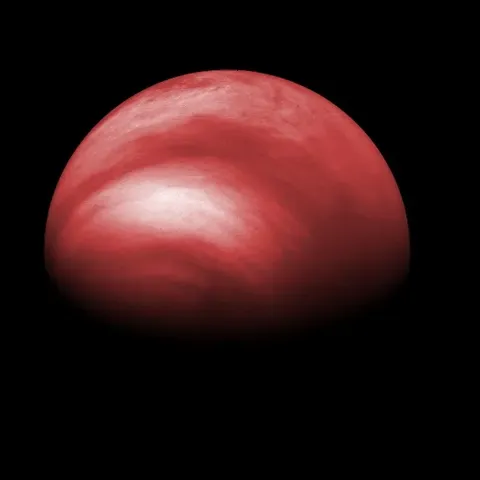
It settled into a polar orbit in 2006 and spent eight years studying an atmosphere that behaves unlike anything else in the solar system. The whole cloud deck rotates once every four days while the planet beneath turns once every 243, a phenomenon called superrotation that is still not fully explained, and the mission watched it accelerate measurably during its stay.
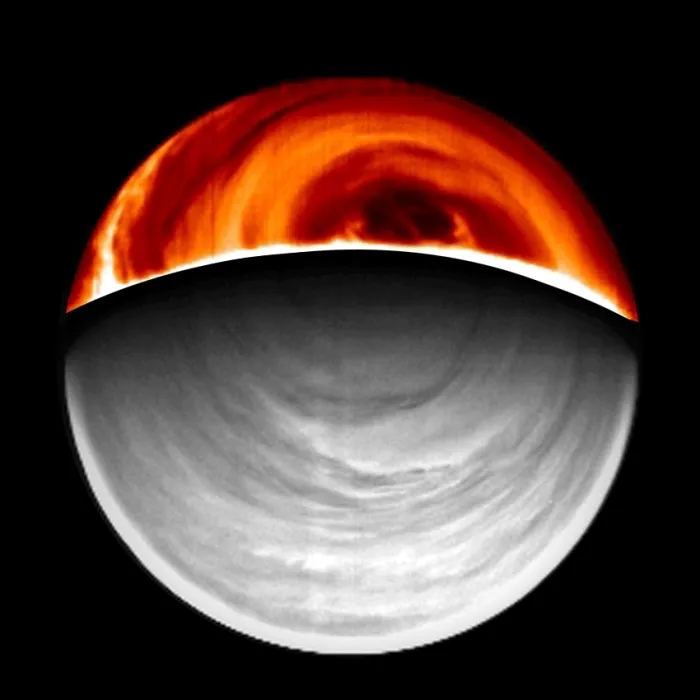
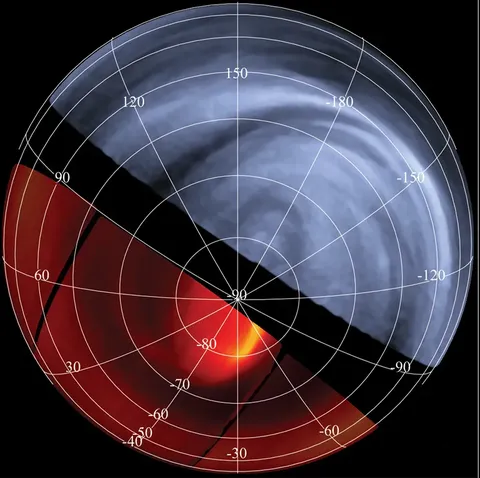
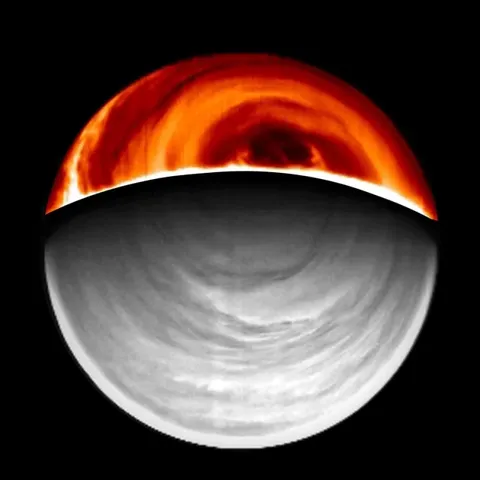
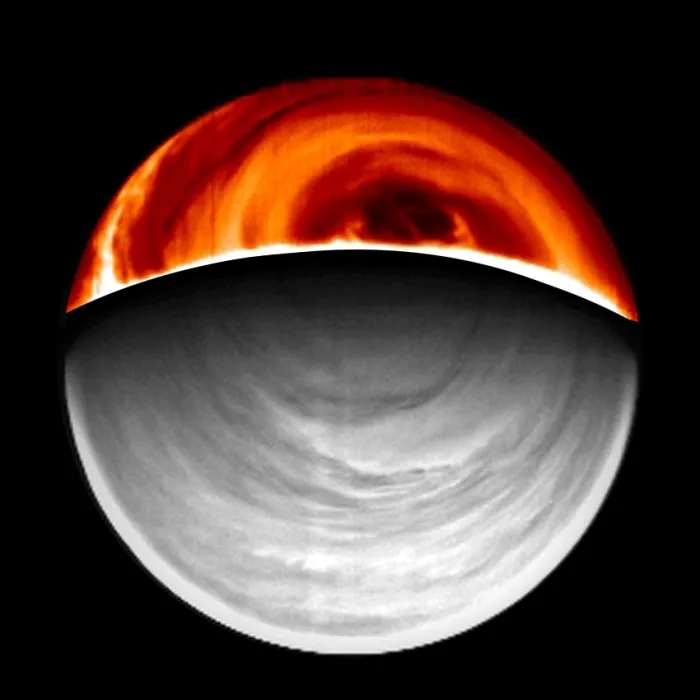
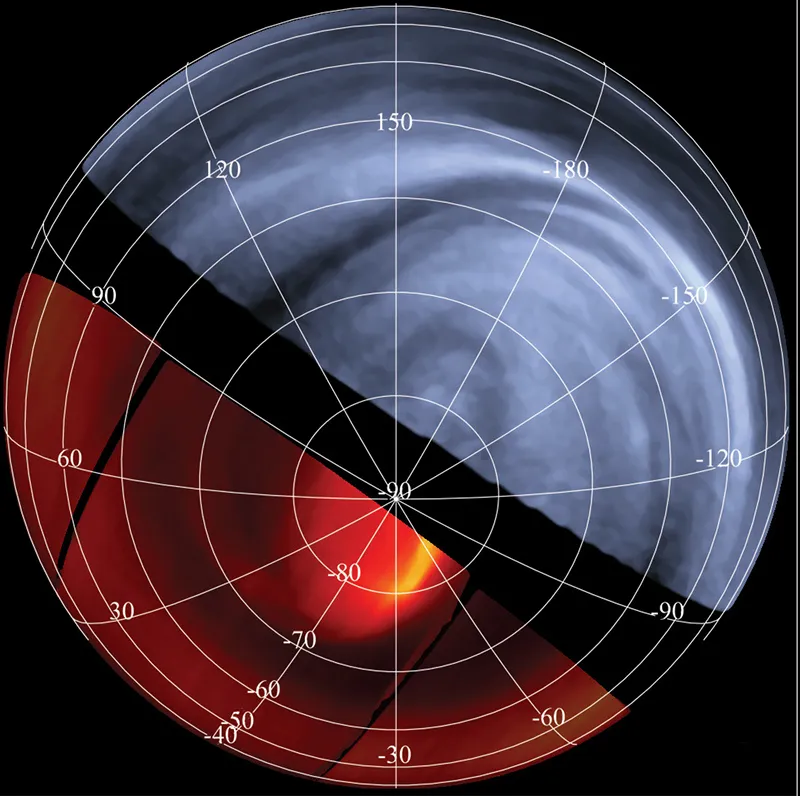
Over the south pole it found a vortex with two eyes, a double-centred atmospheric whirlpool that shifted shape continuously and sometimes broke apart and reformed. It detected lightning, mapped the escape of hydrogen and oxygen being stripped by the solar wind, and measured a deuterium ratio implying Venus once held a great deal more water — plausibly an ocean — before the runaway greenhouse boiled it away.
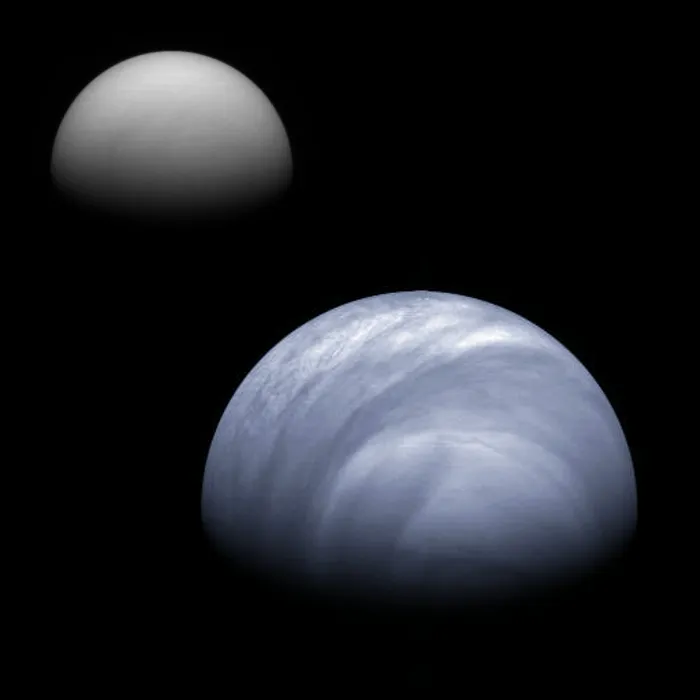
It also caught infrared hot spots that appear to be relatively recent lava flows, adding to a growing case that Venus is volcanically active now rather than merely in the past. That question is the central motivation for the missions now being built to return there.
At the end of its fuel it was used for one last experiment, deliberately dipped into the upper atmosphere to test aerobraking techniques for future spacecraft. Contact was lost in late 2014 as it ran dry, and it fell into the atmosphere it had spent eight years measuring.