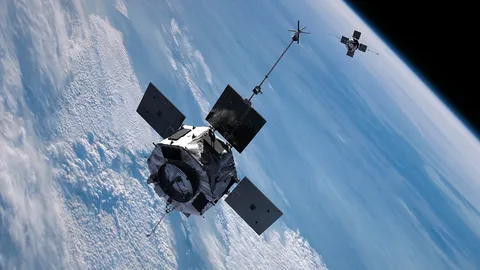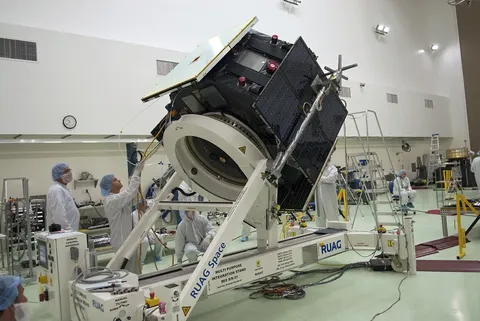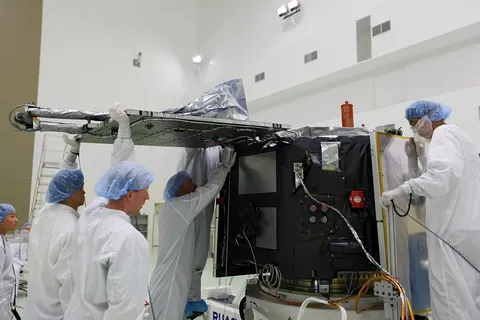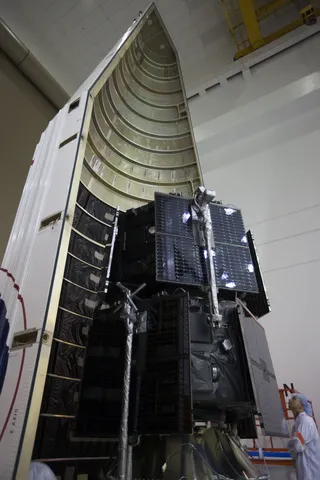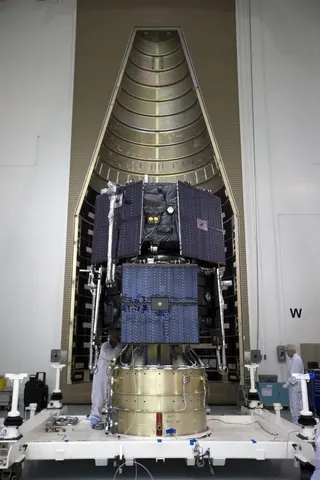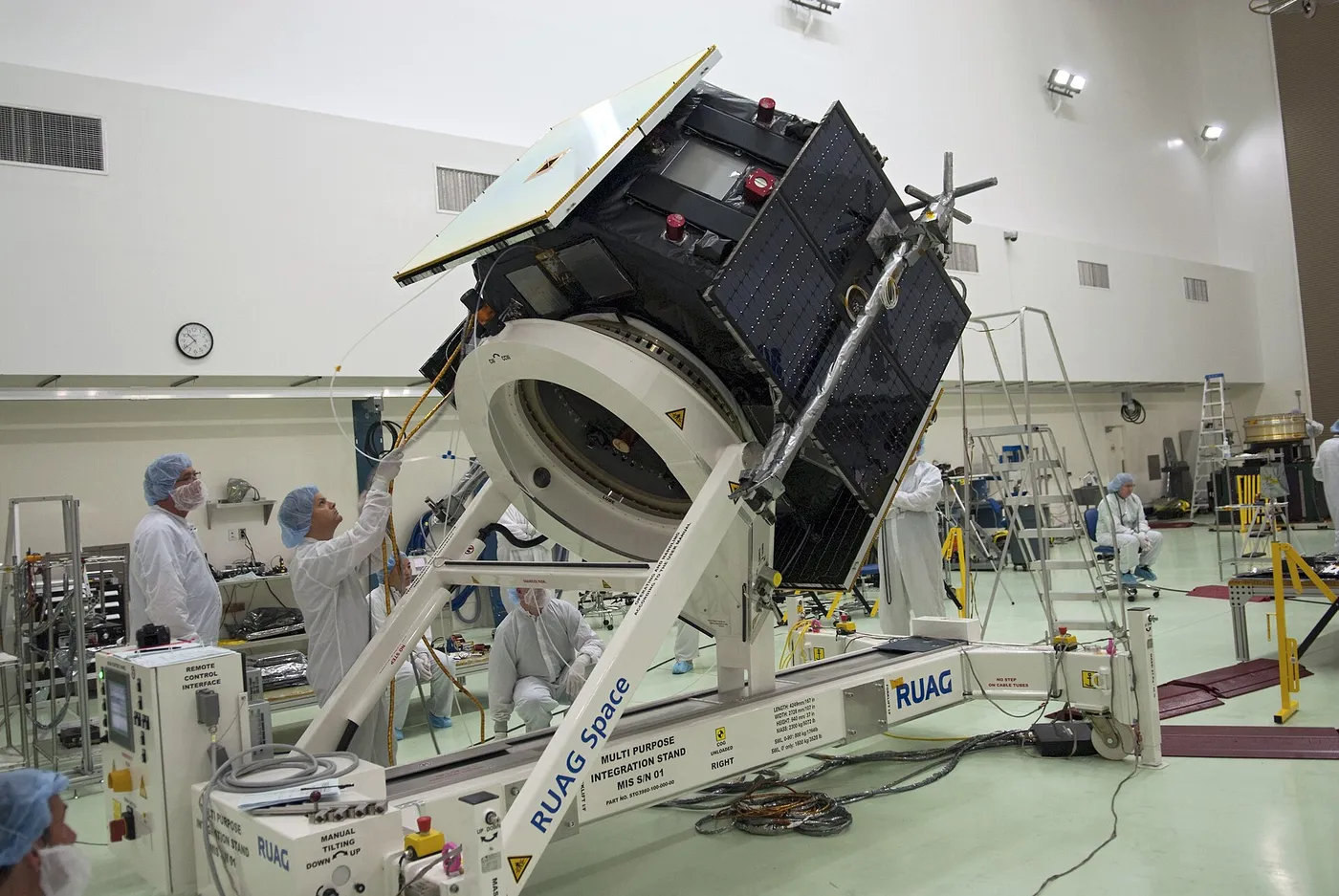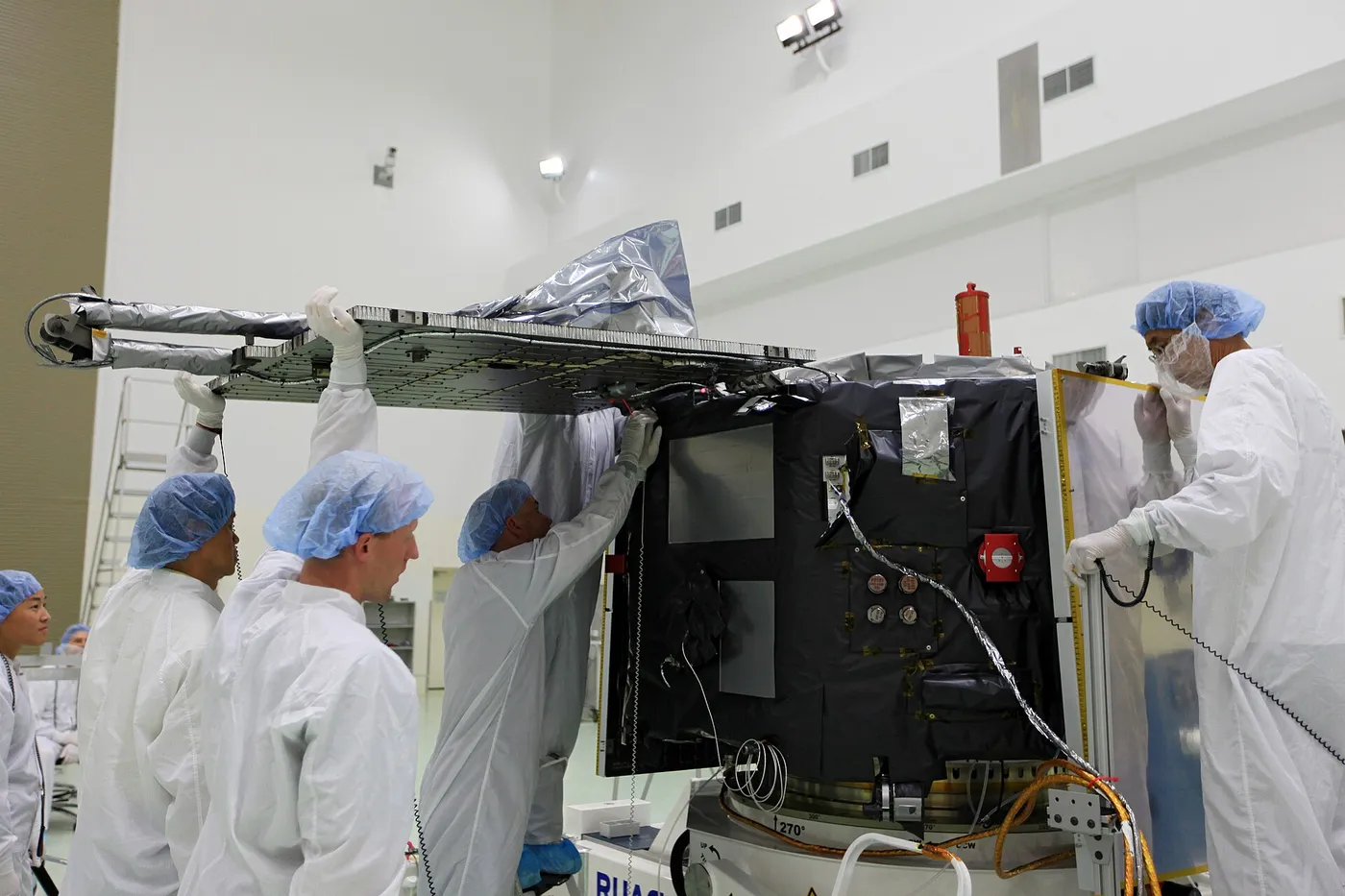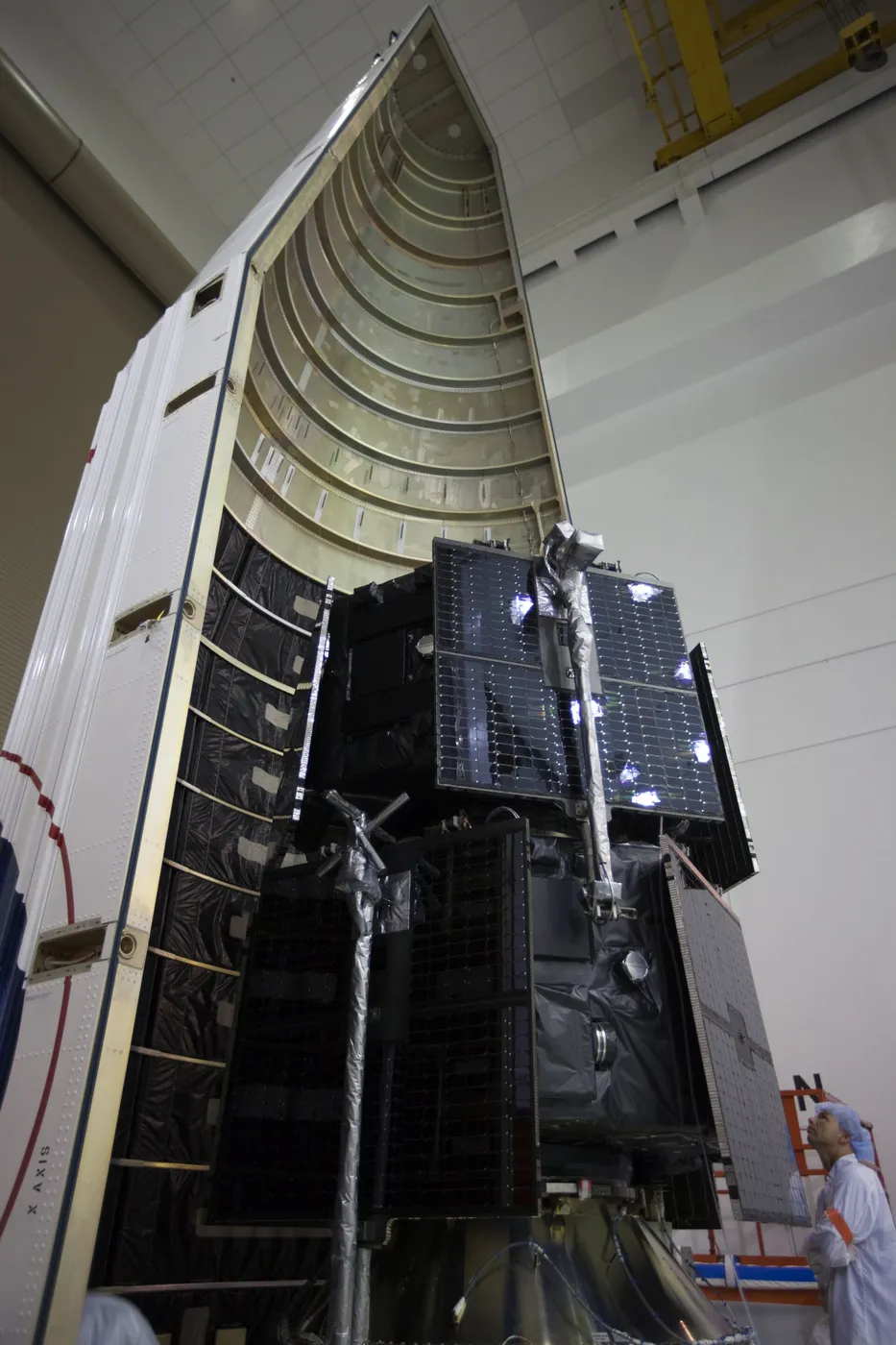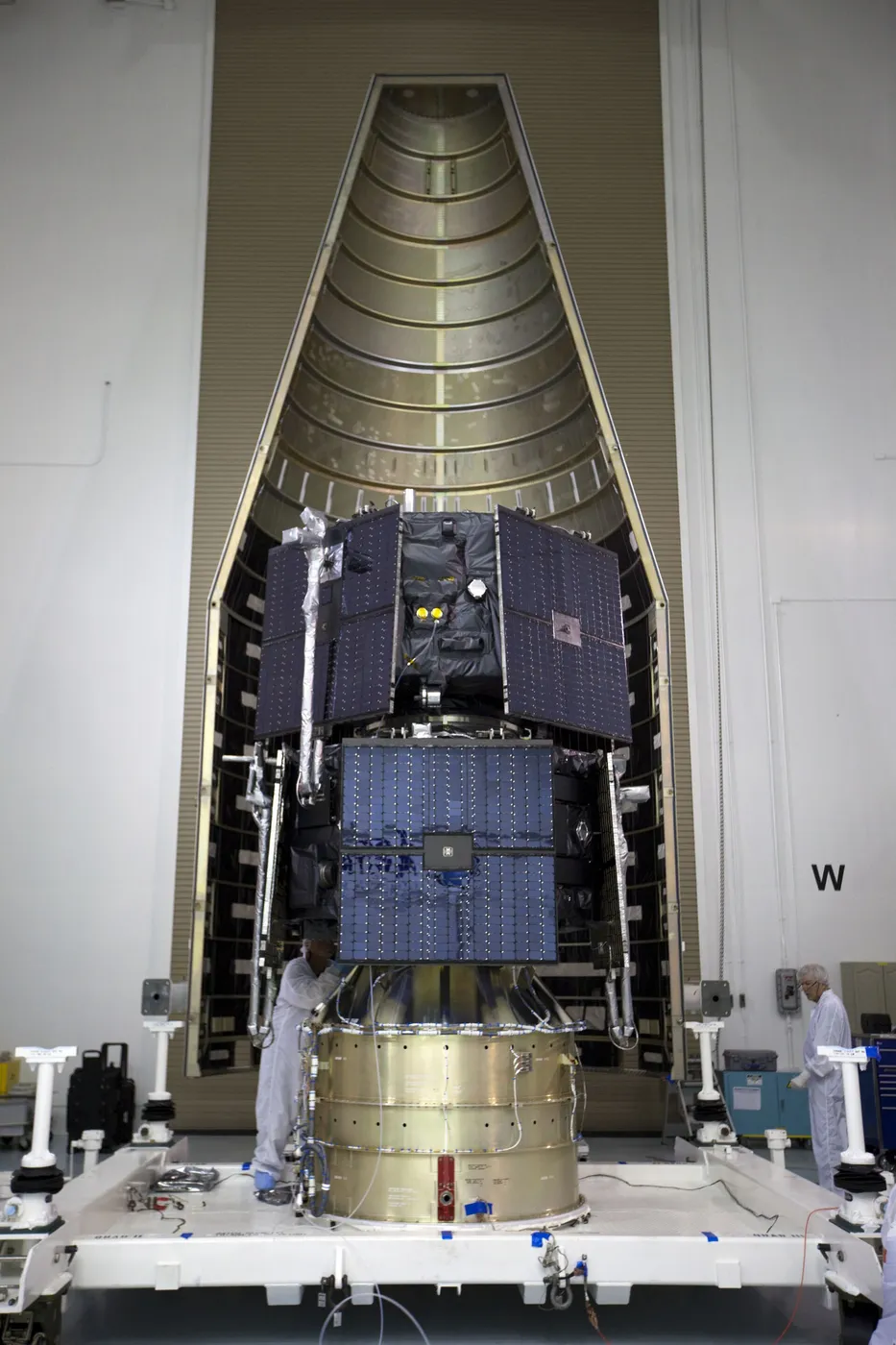
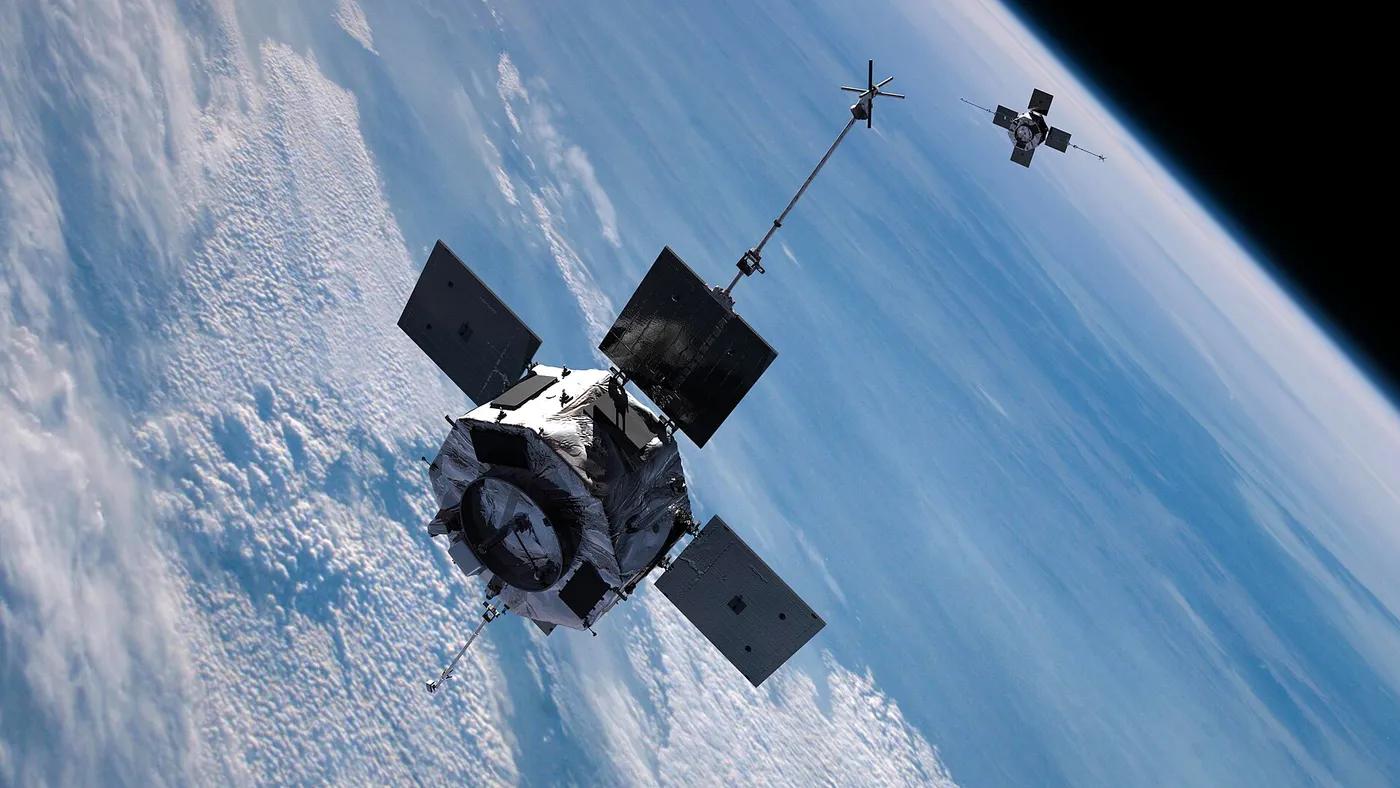

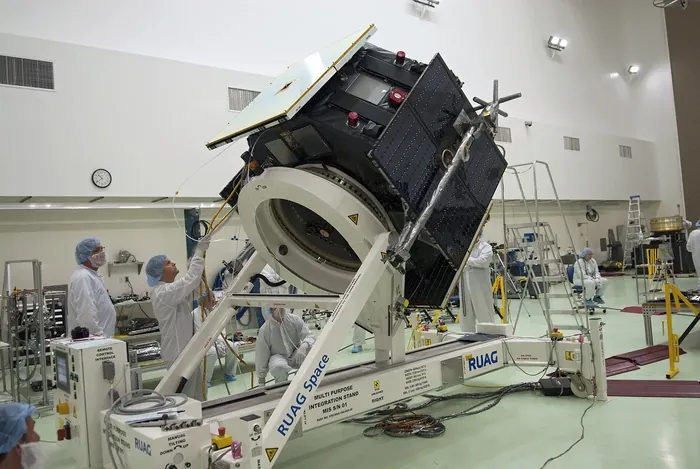
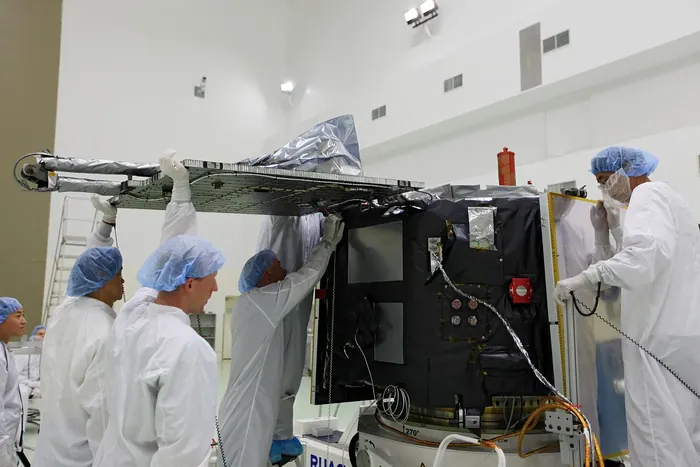
The radiation belts had been known since 1958 and remained poorly understood, largely because studying them means deliberately flying through the most damaging particle environment near Earth. The two Van Allen Probes were built to survive it, heavily shielded and instrumented to measure particles across an enormous energy range.
Days after launch in 2012 they found something new. A third belt appeared between the two known ones, persisted for about four weeks, and was then swept away by an interplanetary shock — a structure that had been invisible to earlier missions because nothing had been watching with sufficient energy resolution at the right moment.
They also identified a sharp inner boundary, an apparently impenetrable barrier that ultra-relativistic electrons do not cross, at a fixed distance from Earth. The explanation appears to involve very low frequency radio waves — some of them generated by human transmitters — scattering the particles away.
The central scientific question was how electrons are accelerated to nearly the speed of light within the belts. The probes established that the acceleration happens locally, within the belt itself, driven by plasma waves transferring energy to the particles, rather than by transport inward from elsewhere.
That matters practically. Relativistic electrons are what damage satellites, and forecasting them requires knowing the mechanism. The mission operated for seven years, deliberately using its remaining fuel to lower its orbit so it would re-enter within about fifteen years rather than leaving debris in a heavily used region.