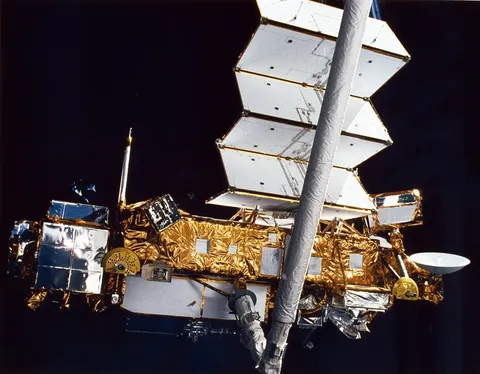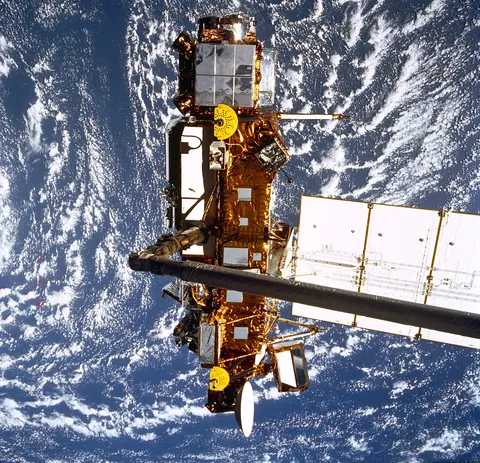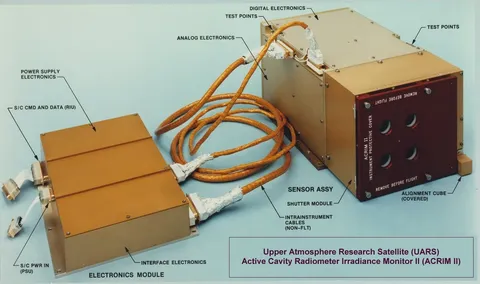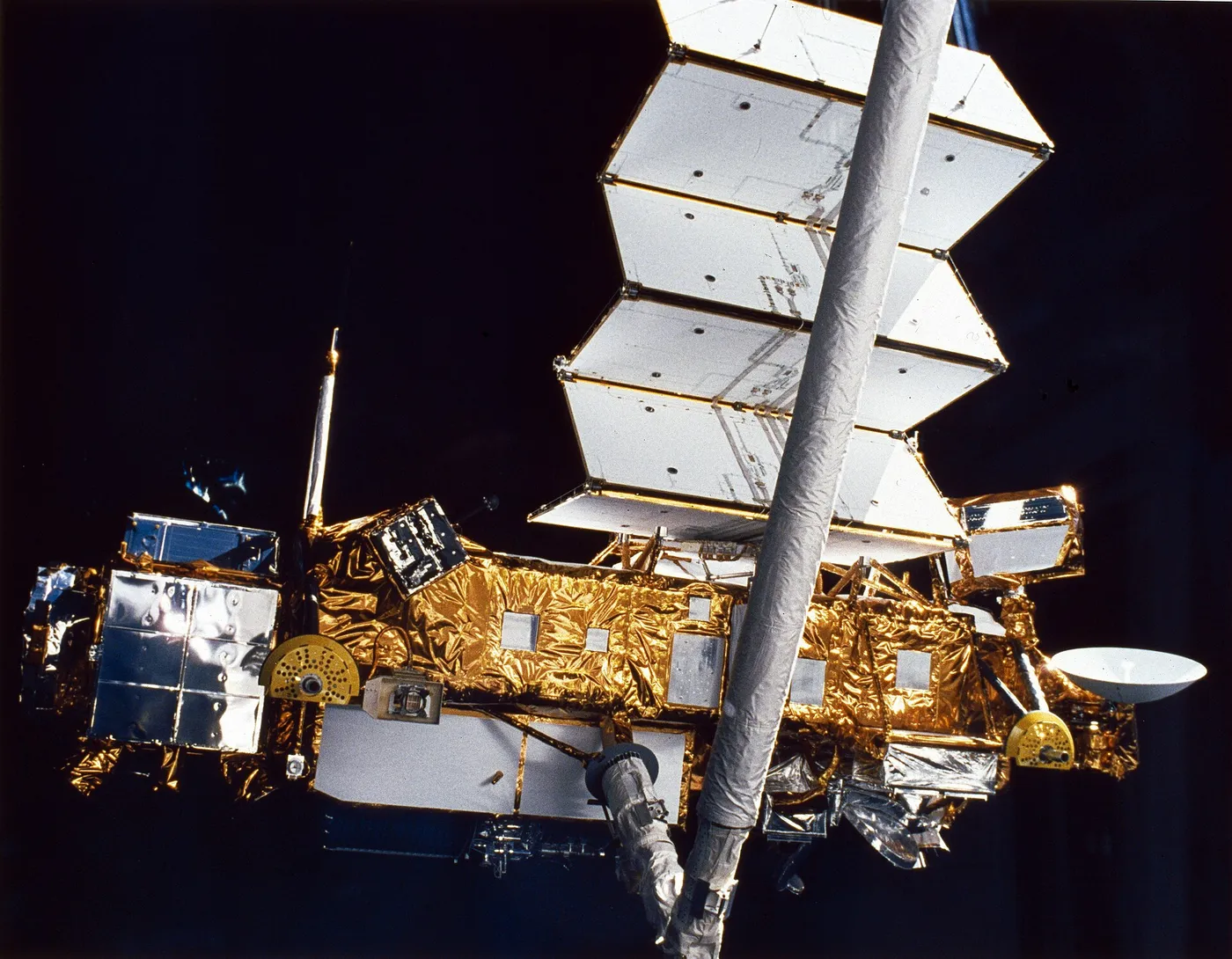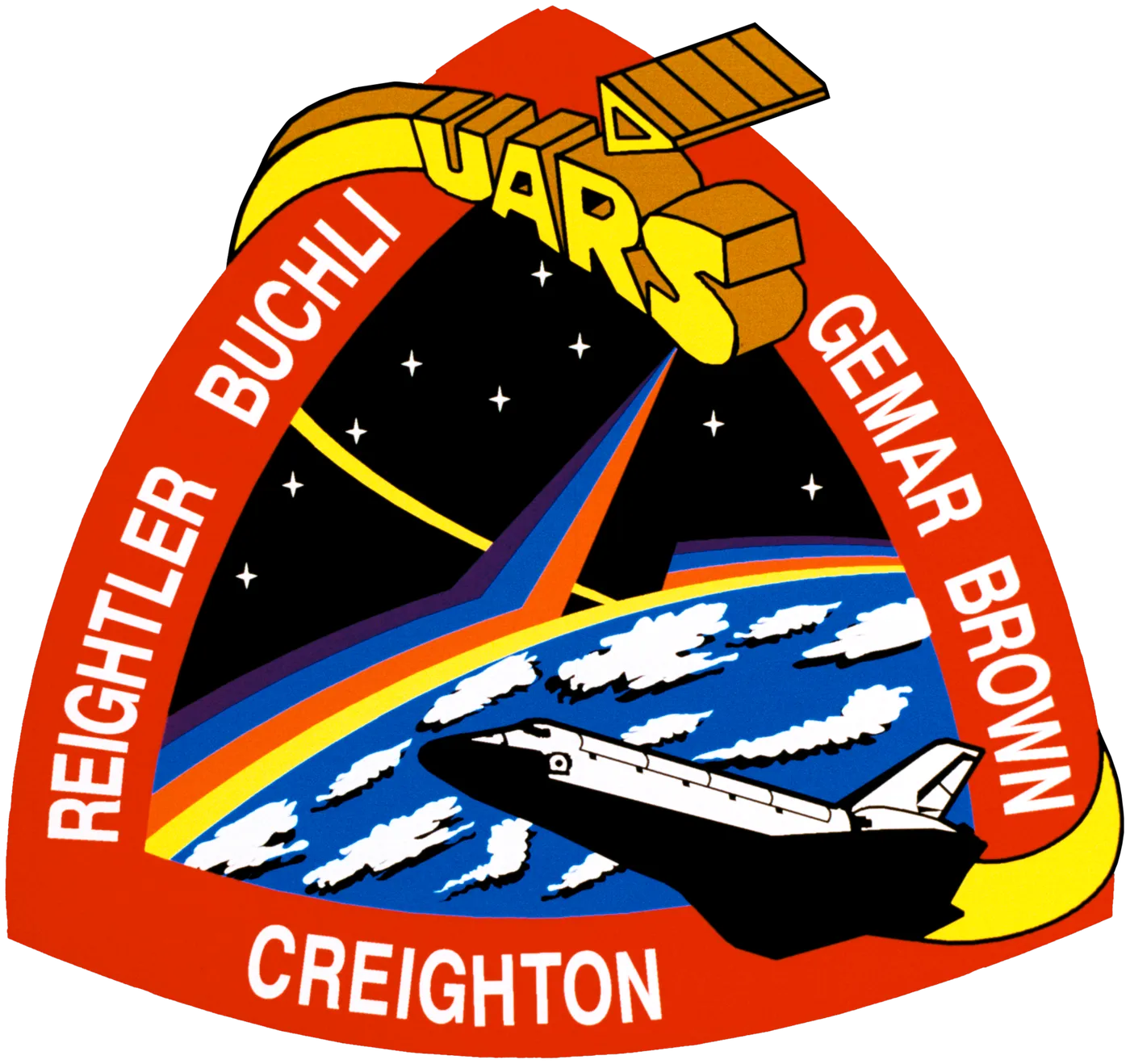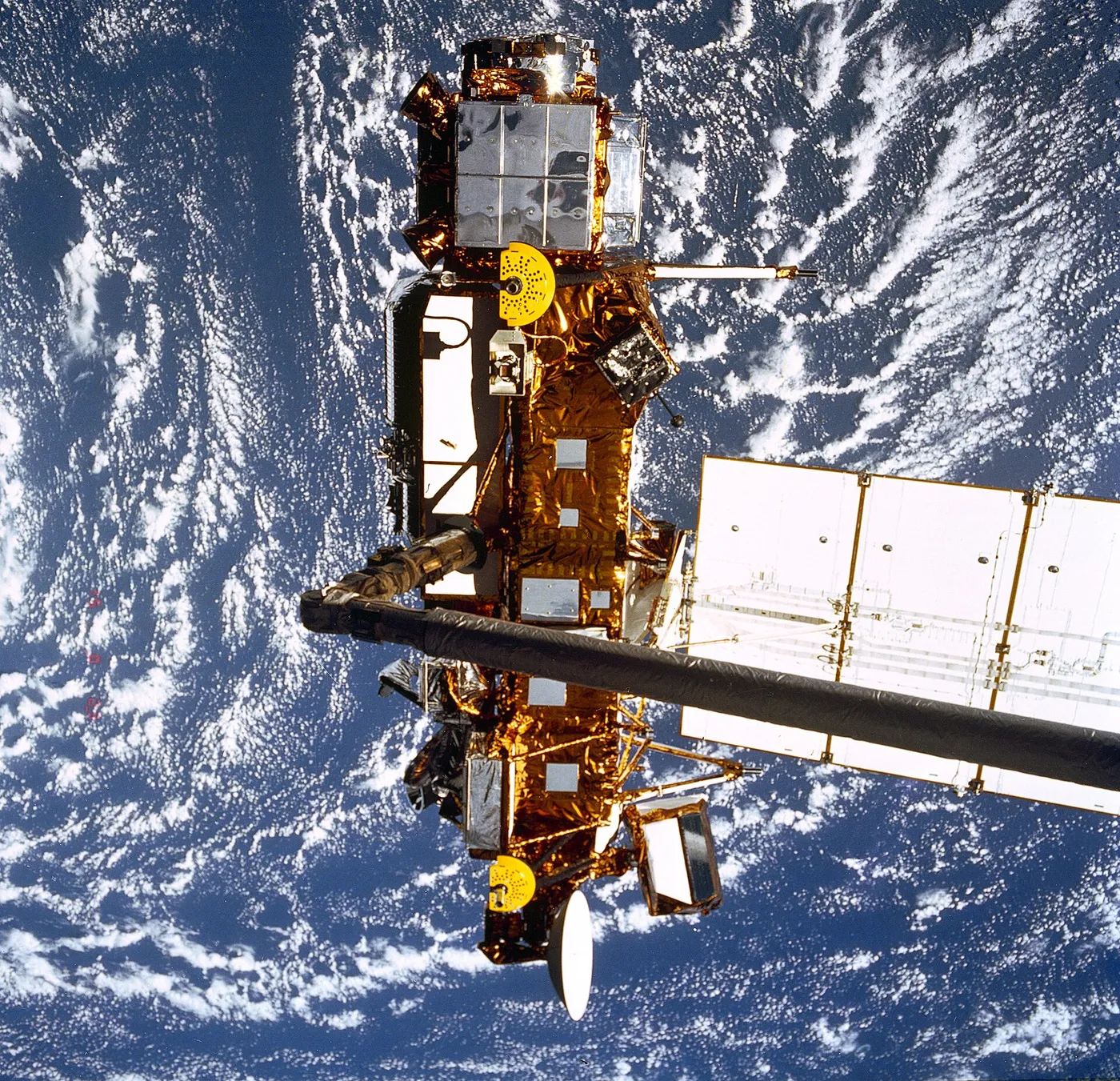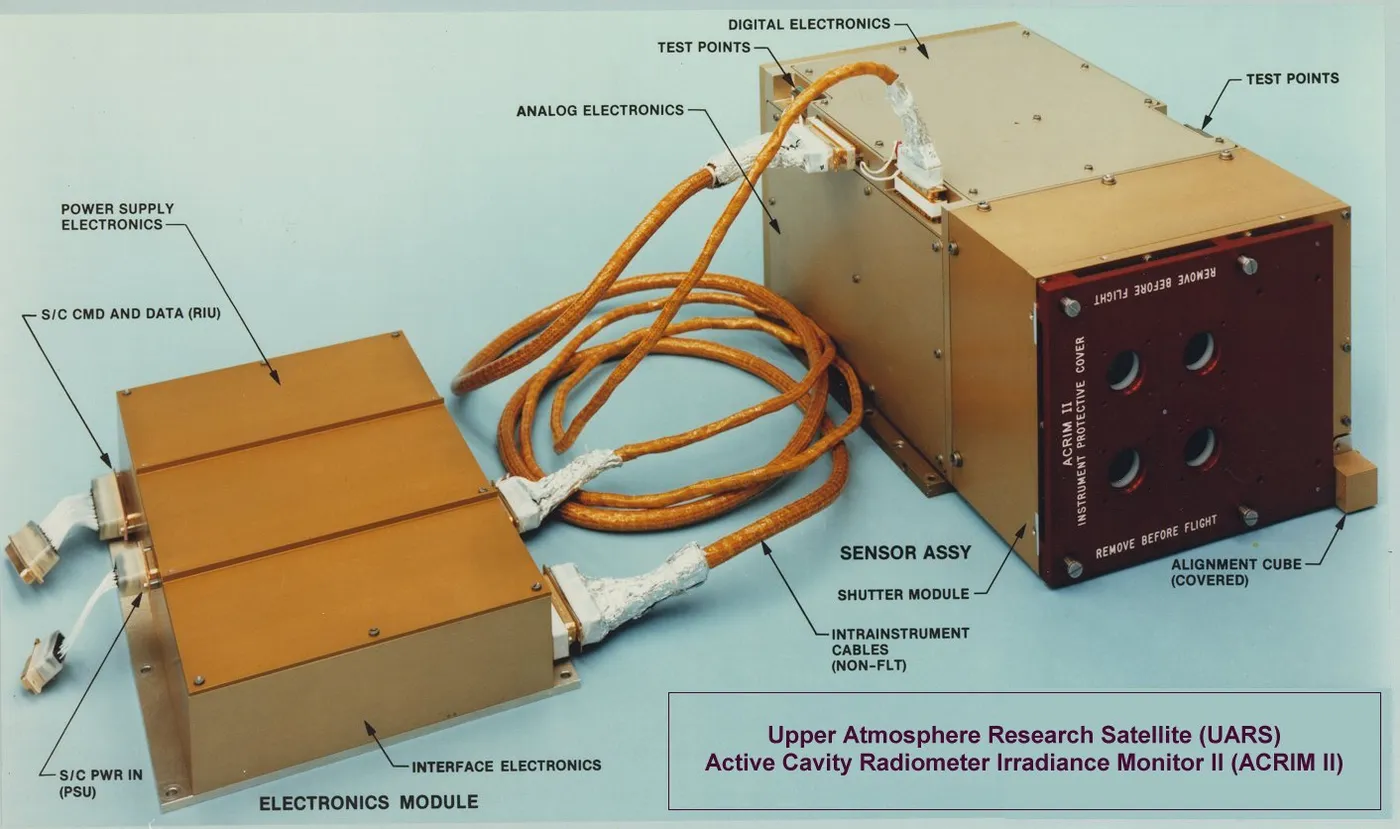
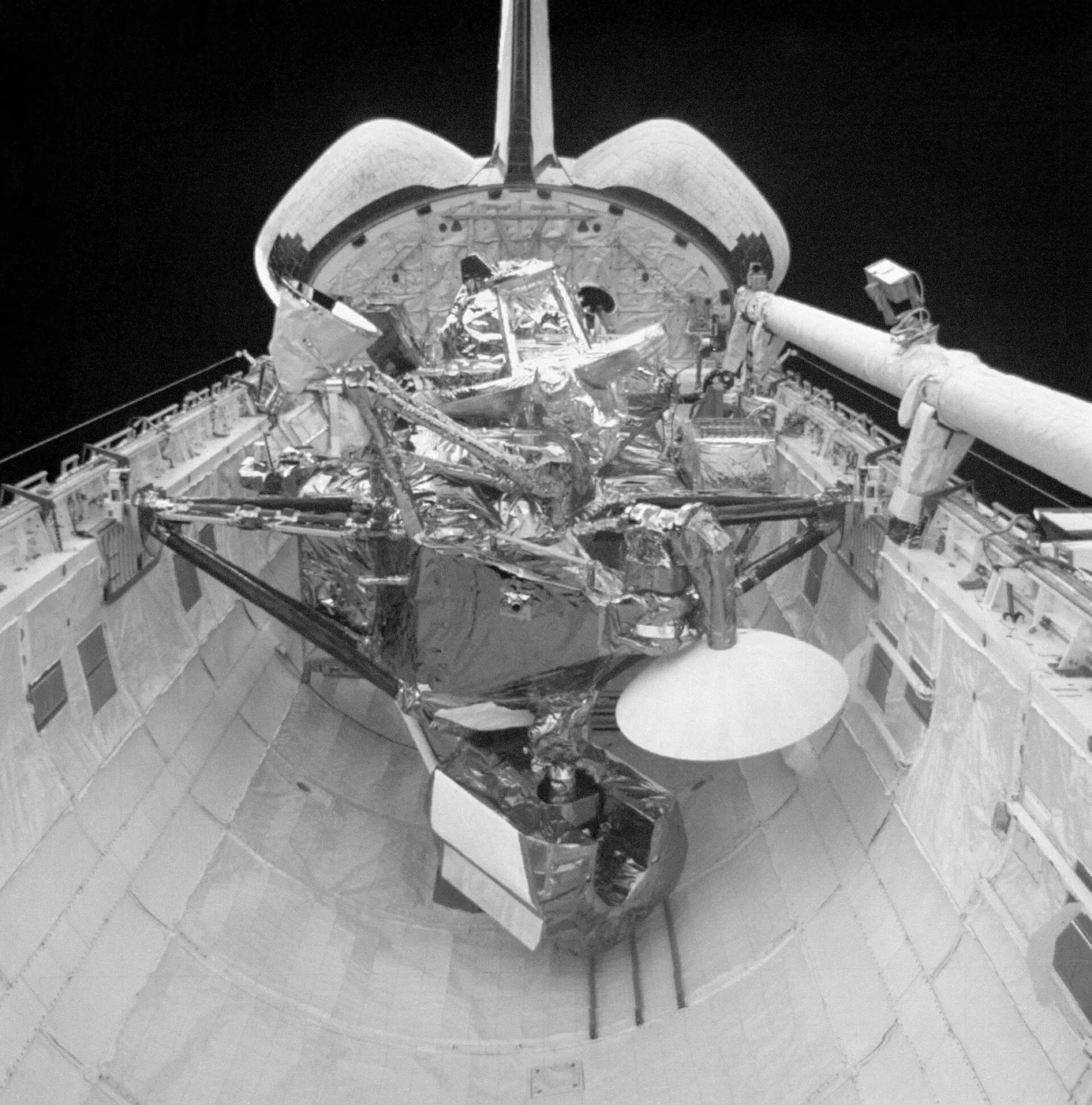

The Upper Atmosphere Research Satellite was the first mission to study the chemistry and dynamics of the stratosphere as a coupled system, carrying ten instruments to measure ozone, the chemicals that destroy it, winds, temperature and the energy arriving from the Sun simultaneously.
It flew at exactly the right moment. The Montreal Protocol had been signed in 1987 and the chlorofluorocarbon phase-out was beginning, and UARS provided the measurements that tracked chlorine compounds rising to a peak in the 1990s and then declining — direct observational confirmation that the treaty was working.
Its data established the detailed chemistry of ozone destruction, including the role of polar stratospheric clouds in providing surfaces on which chlorine is converted into its ozone-destroying form. That mechanism explains why the depletion is so severe over Antarctica specifically.
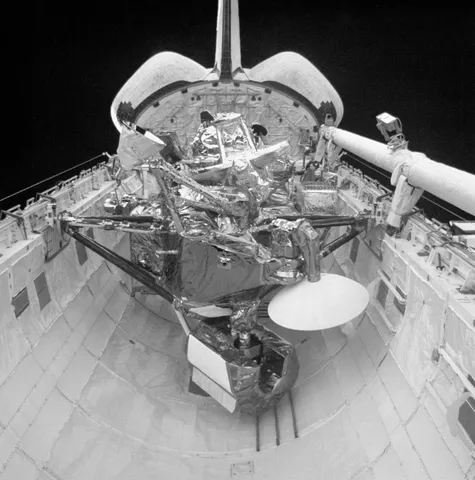
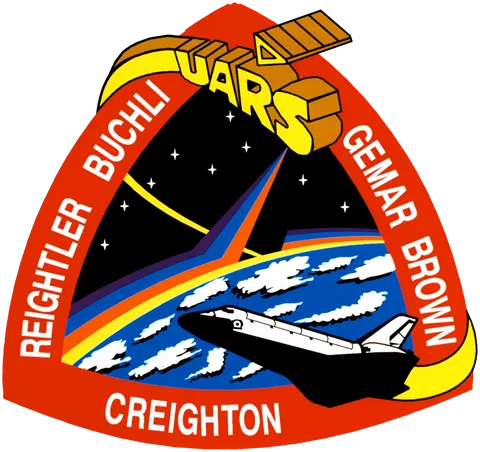
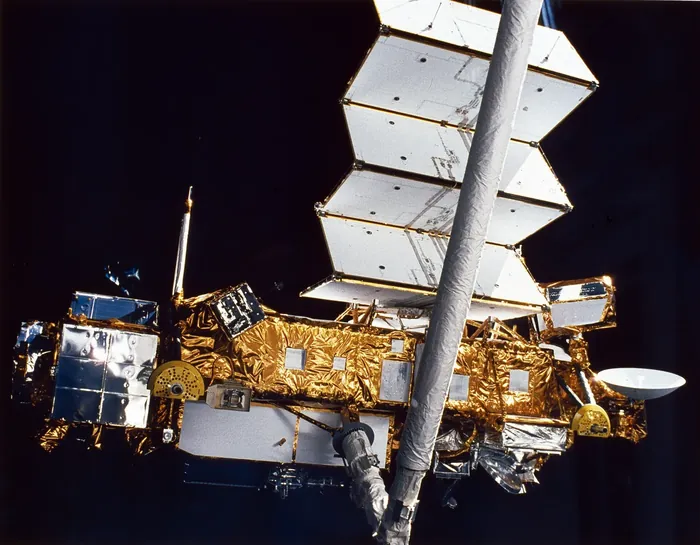
It was deployed from the Shuttle in 1991 and operated for fourteen years, far beyond its three-year design life, before being decommissioned in 2005 with its orbit lowered to hasten re-entry.
It came down in 2011, and the event became a minor media phenomenon — a six-tonne satellite falling uncontrolled, with NASA publishing odds of debris striking a person and news channels running countdowns. It fell into the Pacific. The episode did more for public awareness of orbital debris than any number of technical reports.