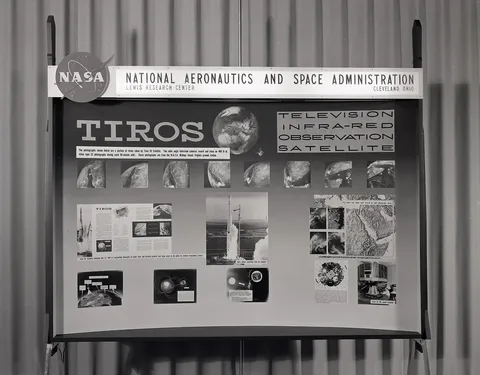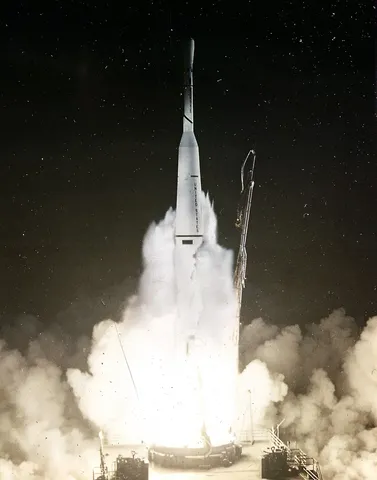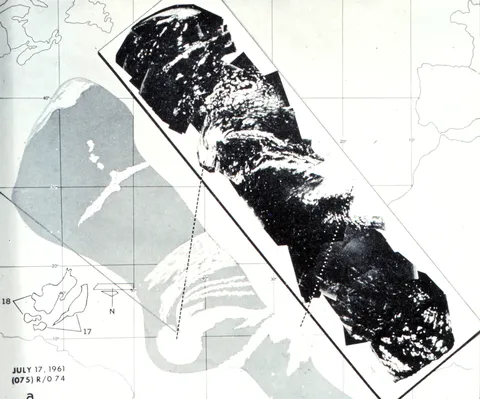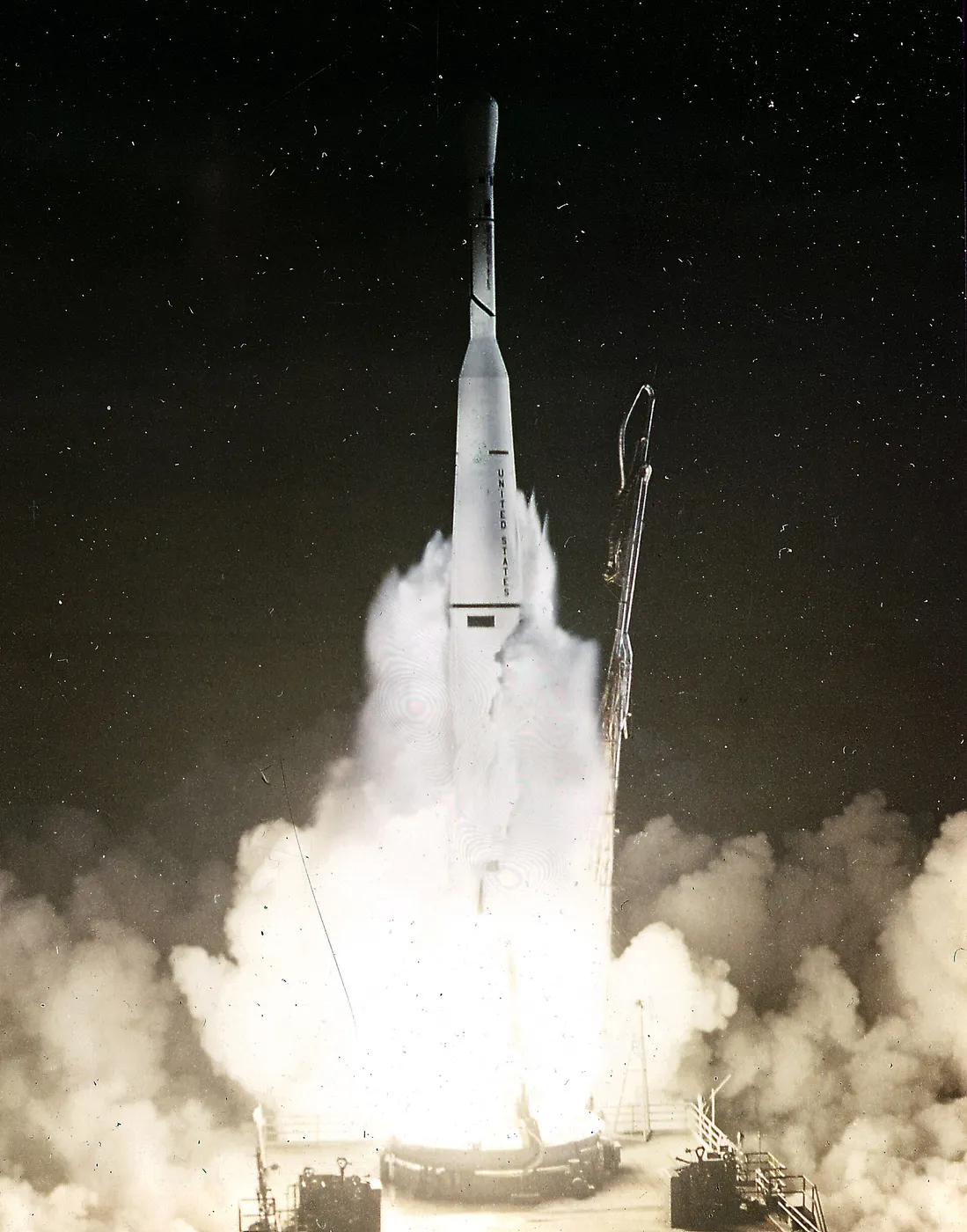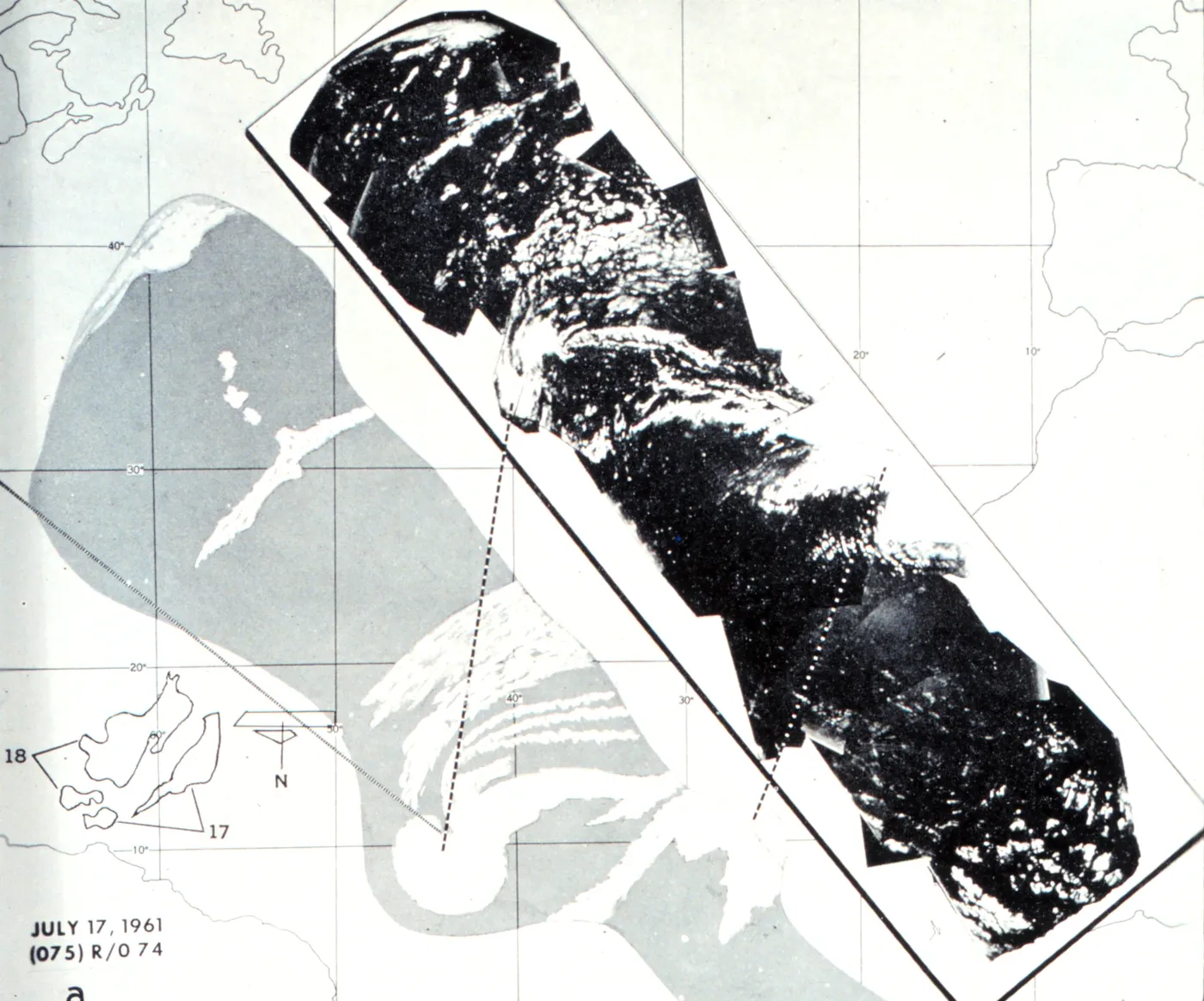
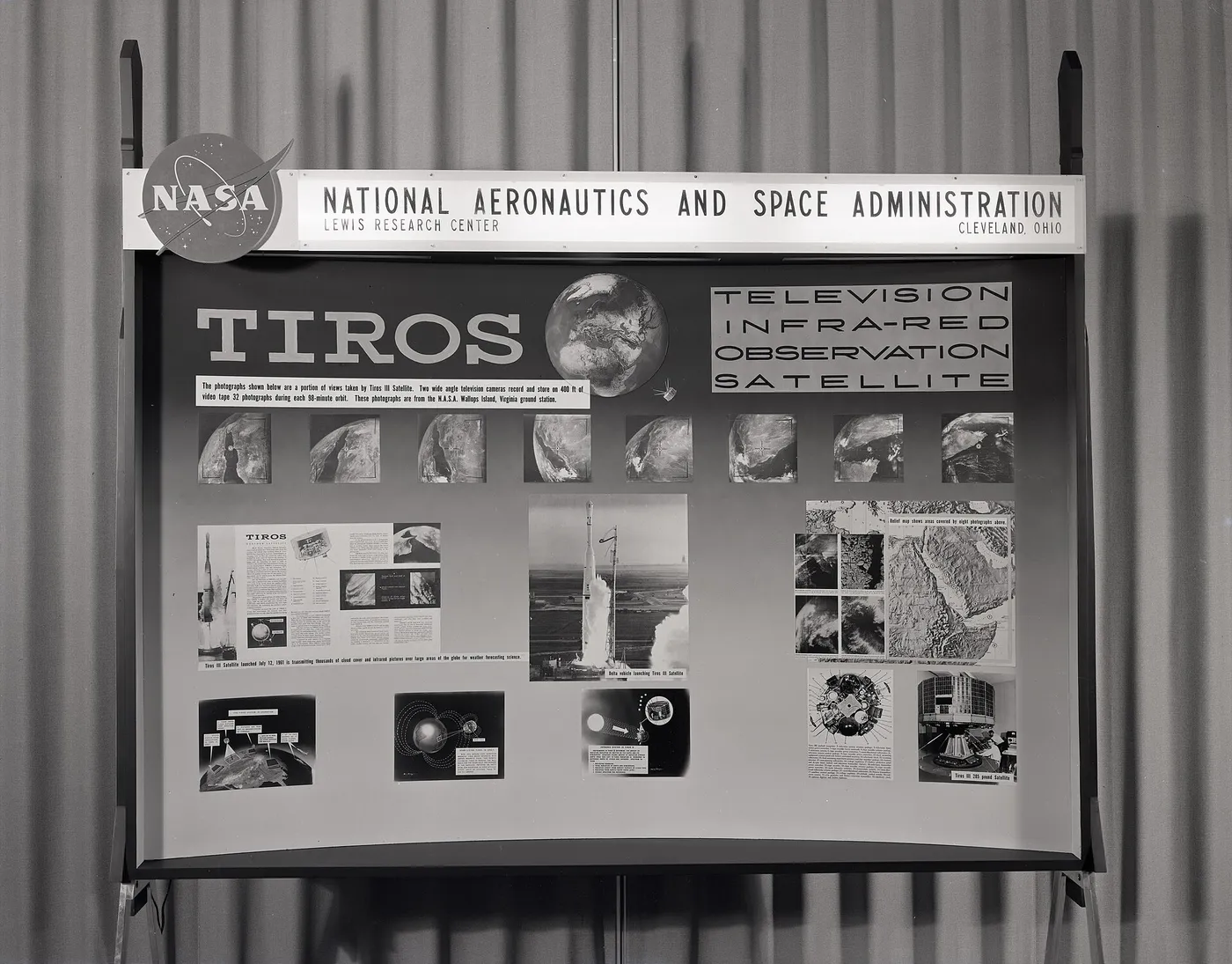

TIROS-3 found a hurricane nobody knew was there. In September 1961 its cameras detected a developing storm in the Atlantic that no ship or aircraft had reported — the first tropical cyclone ever discovered by satellite, later named Esther.
The practical significance was immediate. Hurricanes had previously been found when they encountered a ship, an island or a reconnaissance aircraft, which meant that storms forming in empty ocean went unnoticed until they were close to land.
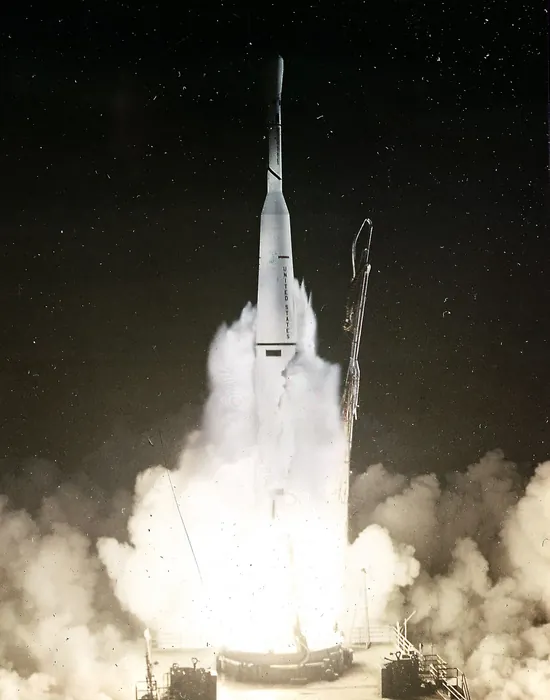
Esther was tracked from discovery, and the resulting warnings allowed coastal preparations days in advance. The satellite went on to observe most of the 1961 Atlantic hurricane season, establishing routine satellite surveillance of tropical cyclones as standard practice.
It also carried infrared instruments continuing the radiation measurements begun by its predecessor, though its cameras degraded over its several-month operational life.
The hurricane-detection capability alone justified the programme in the eyes of its sponsors. Within a few years no significant tropical cyclone anywhere in the world went undetected, which is among the most direct life-saving consequences of any technology developed in the space age.