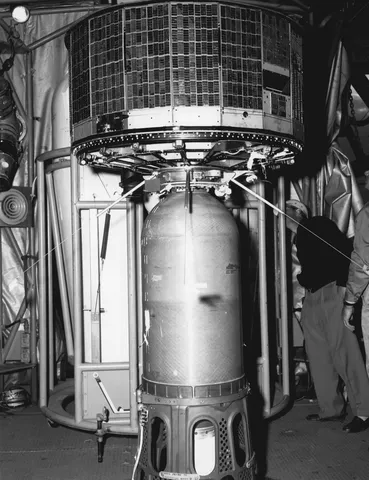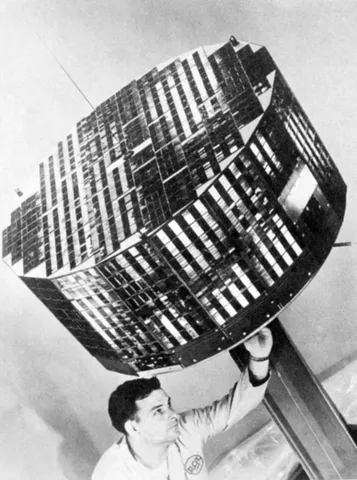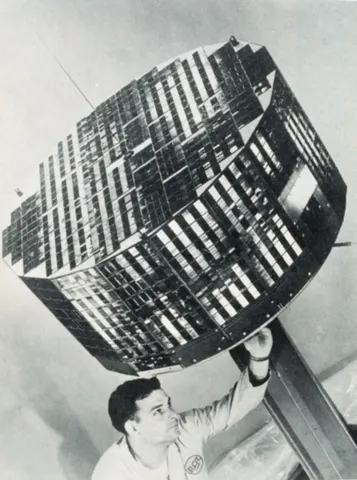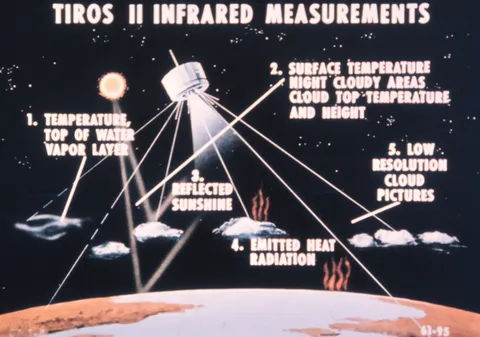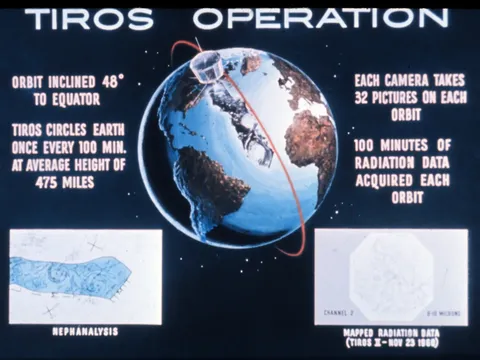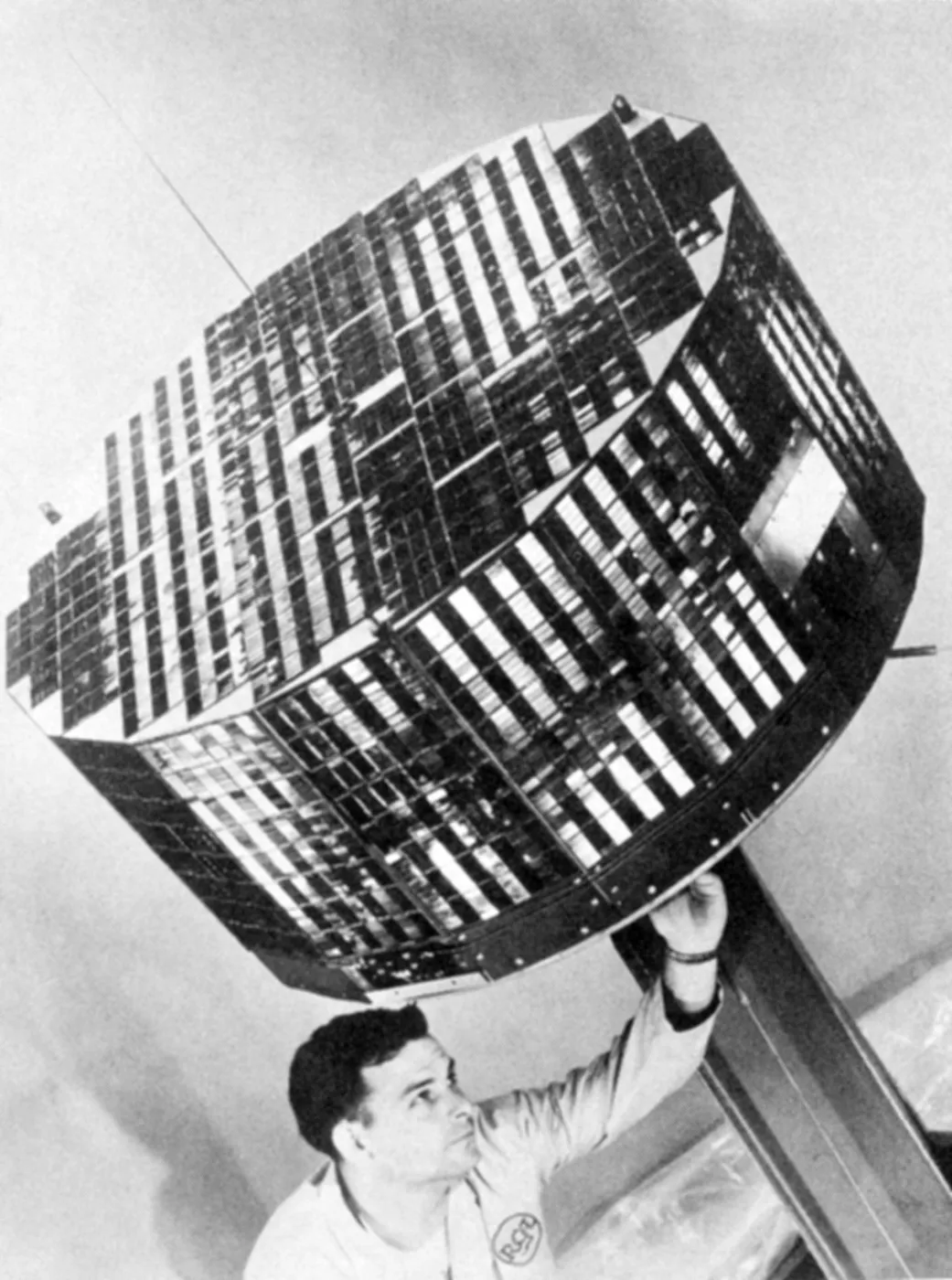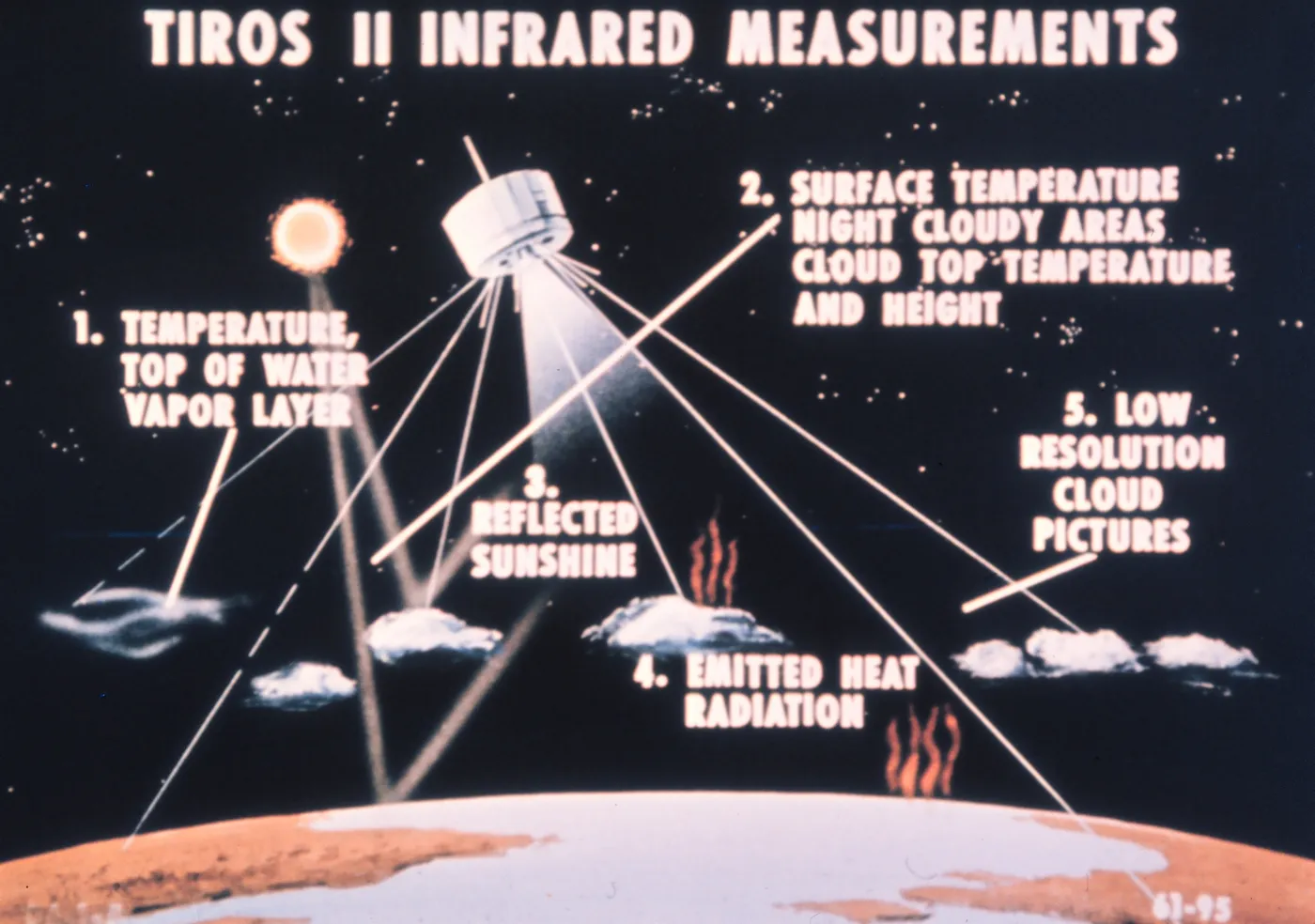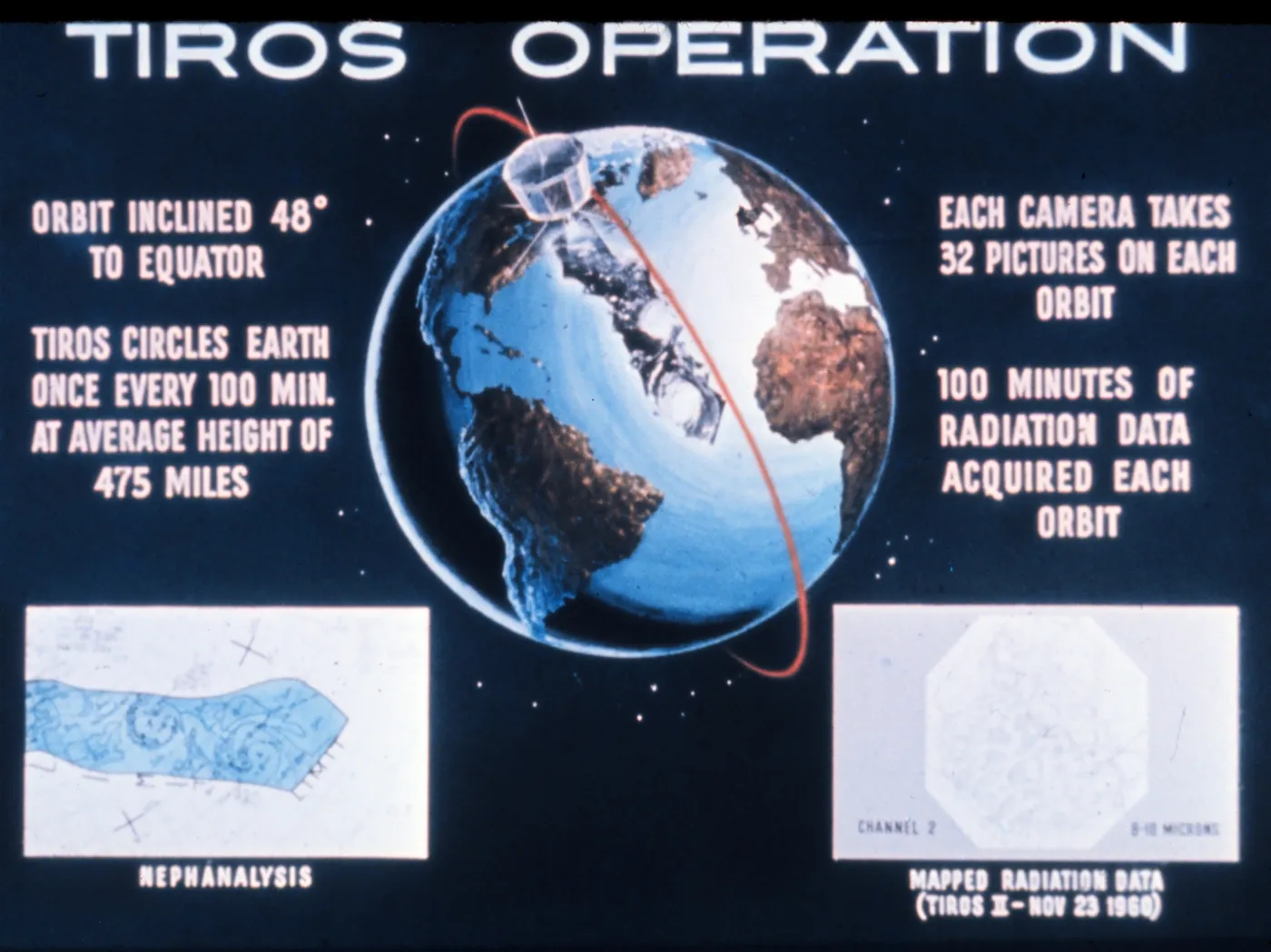
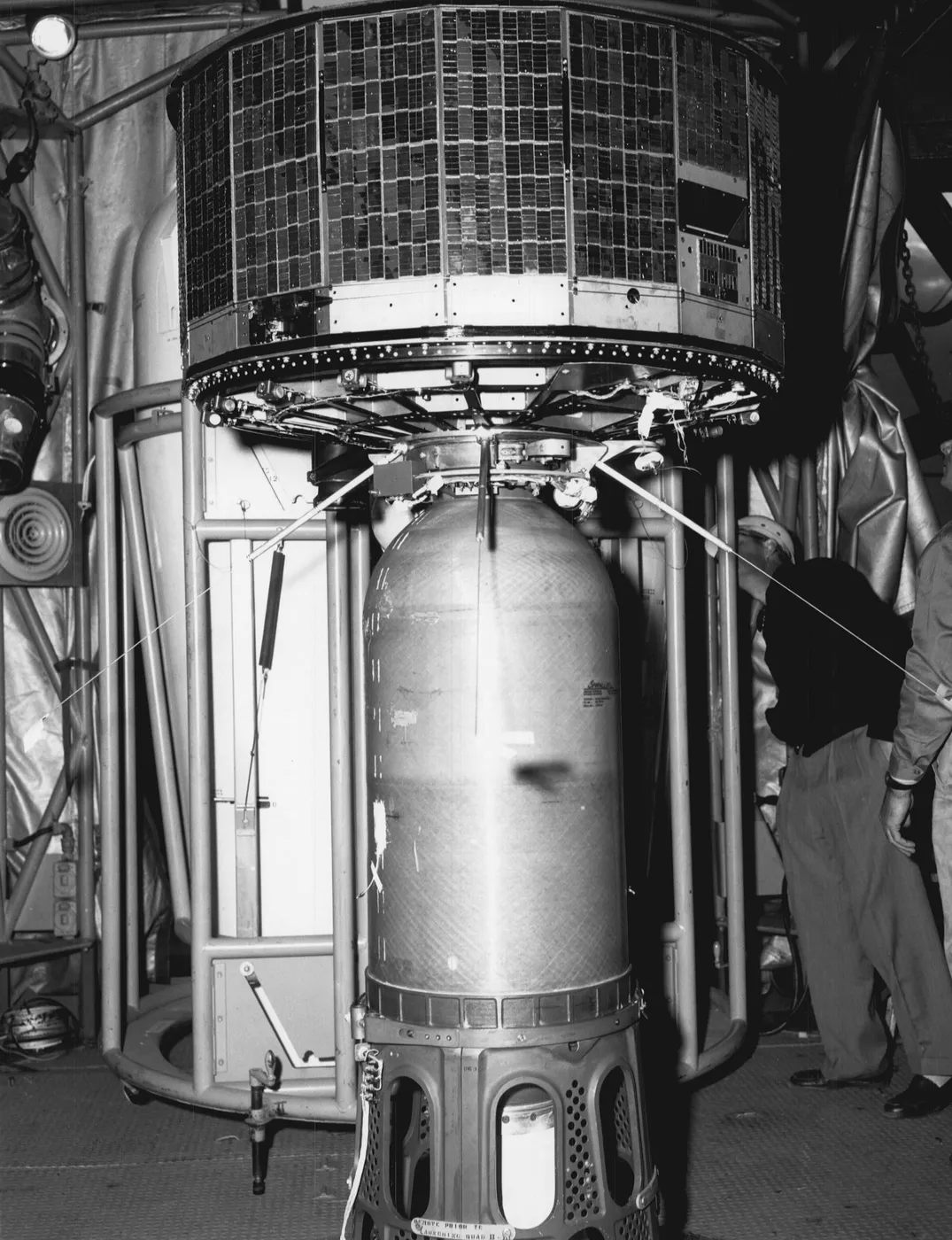

TIROS-2 added the ability to measure heat. Alongside its television cameras it carried infrared radiometers, which detect the thermal radiation the Earth emits rather than the sunlight it reflects — the first step from photographing weather to measuring the planet's energy balance.
That measurement is the foundation of climate science. The difference between the solar energy absorbed and the infrared energy radiated back to space determines whether the planet warms or cools, and it can only be measured from above the atmosphere.
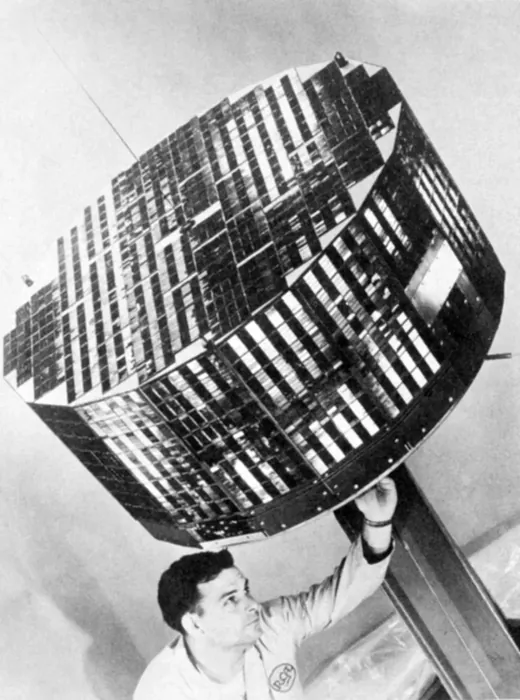
The cameras were less successful. One of the two television systems produced blurred images from the start, apparently damaged during launch, and the usable imagery was substantially reduced.
The infrared instruments worked, returning the first cloud imagery taken at night and the first crude maps of outgoing thermal radiation. The spacecraft also carried a scanner intended to test the practicality of operational infrared weather observation.
It operated for just over a year. Together with its predecessor it established that a weather satellite could carry more than a camera, and the radiometer lineage runs directly to the radiation budget instruments flying today.