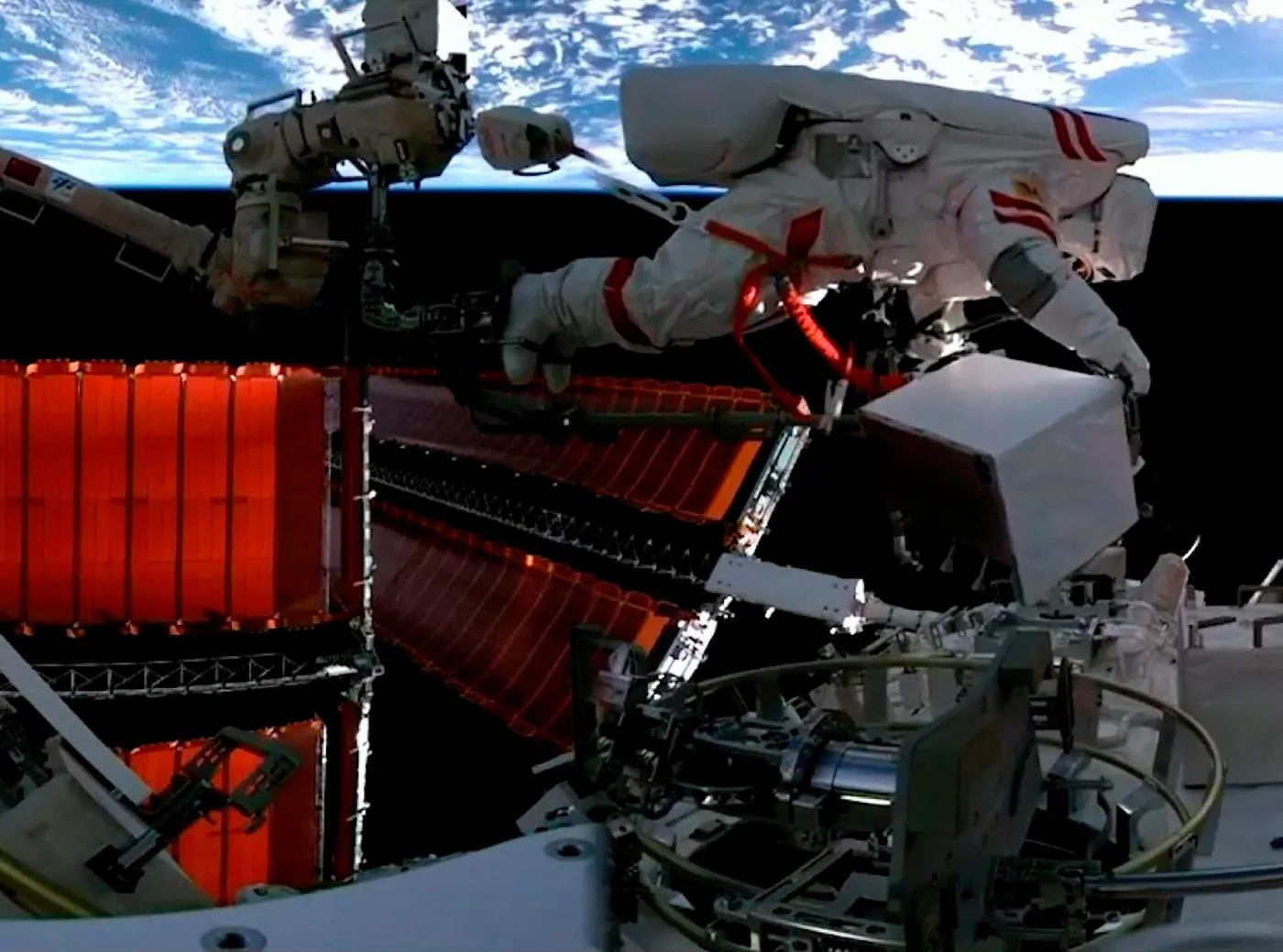
China built its own station because it was not allowed into anyone else's. A 2011 provision in American law, generally called the Wolf Amendment, prohibits NASA from bilateral cooperation with Chinese entities without congressional approval, which effectively barred China from the ISS partnership.
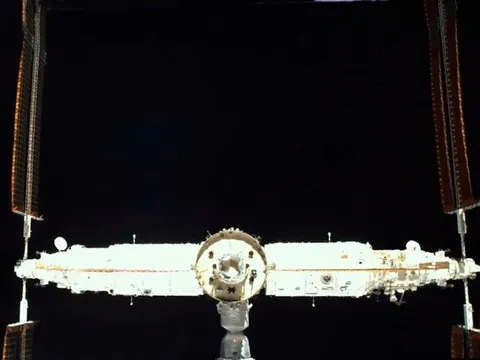
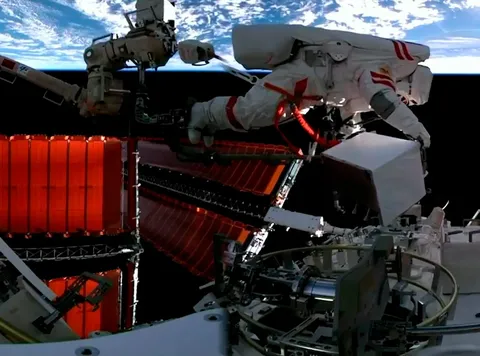
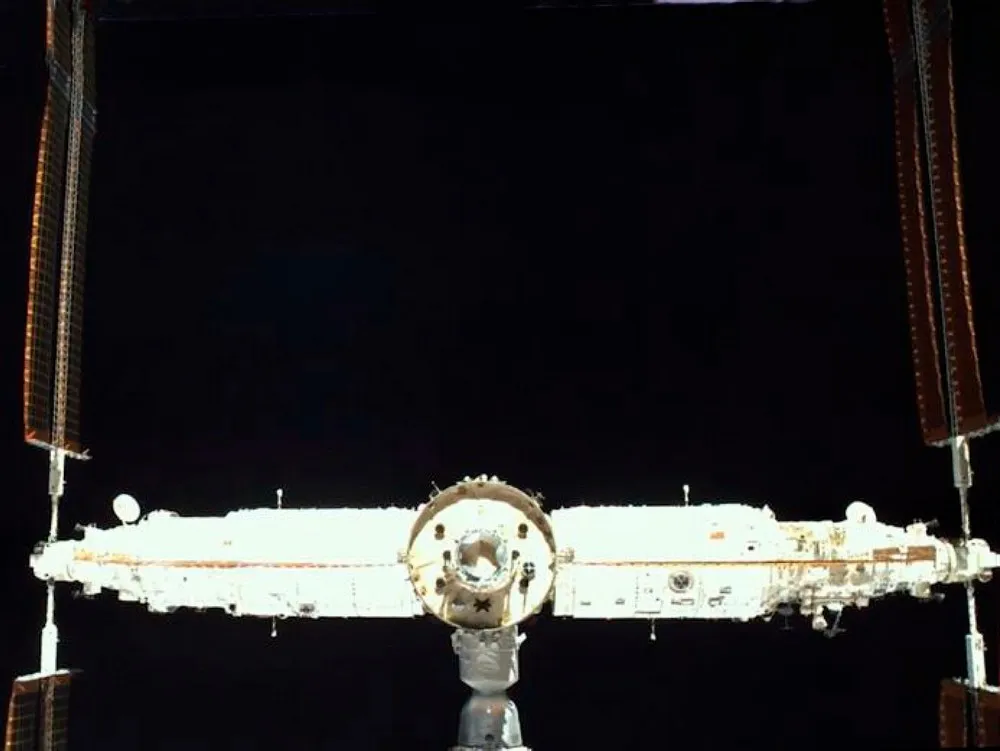
Tiangong — the name means heavenly palace — was assembled between 2021 and 2022 from three modules: the Tianhe core with living quarters and propulsion, and the Wentian and Mengtian laboratories, arranged in a T shape. At around 100 tonnes it is roughly a quarter the size of the ISS, comparable to Mir, and designed for three permanent crew with six aboard during handovers.
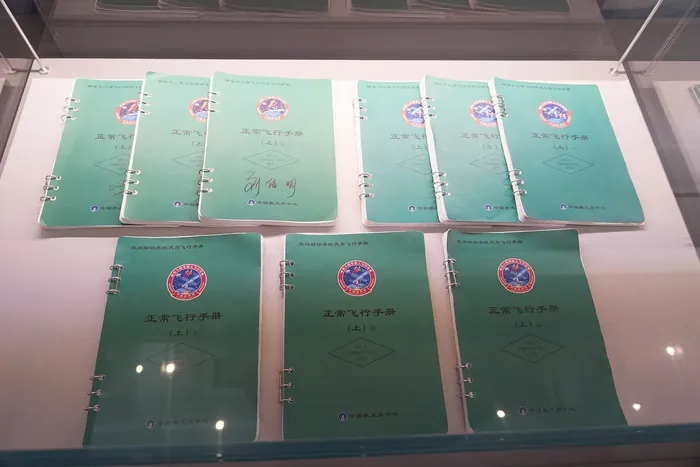
It was preceded by two prototypes. Tiangong-1 and Tiangong-2, launched in 2011 and 2016, tested docking, life support and short stays; the first was lost to a control failure and re-entered uncontrolled in 2018, attracting international attention that China's programme has since been careful to avoid.
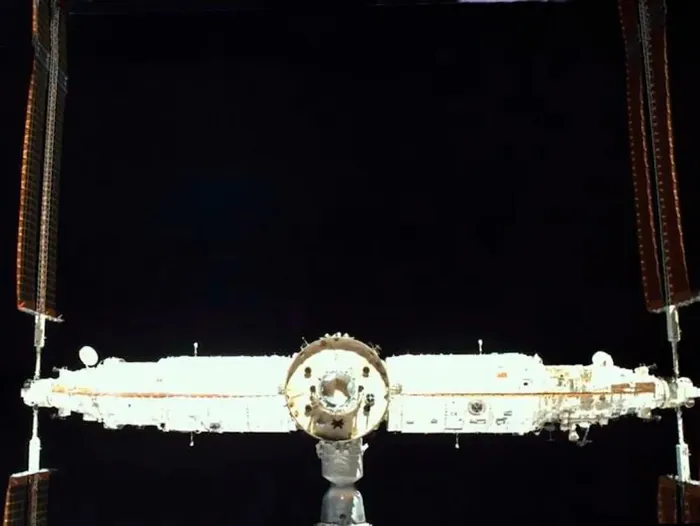
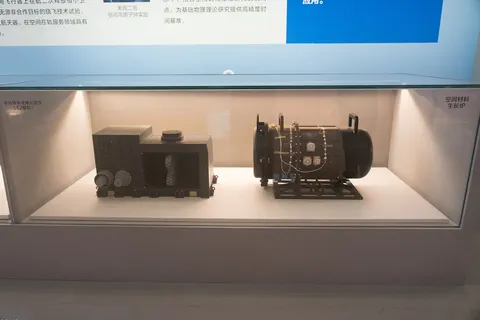
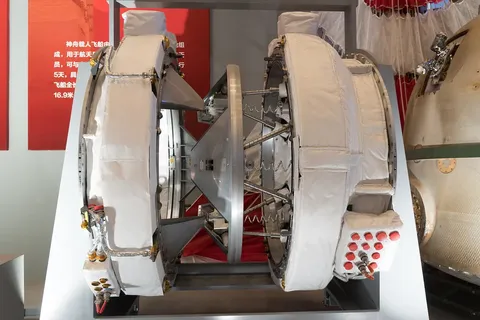
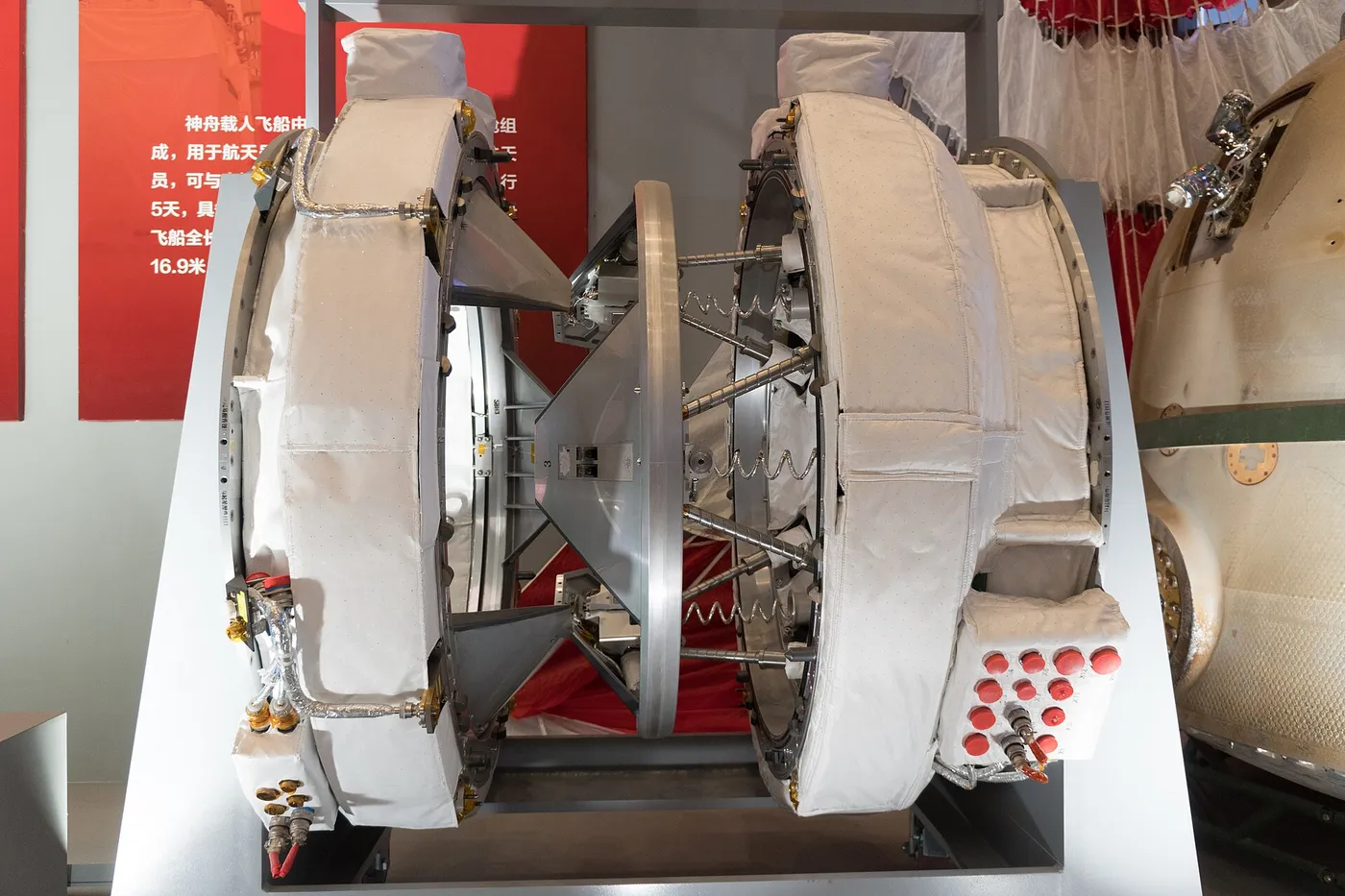
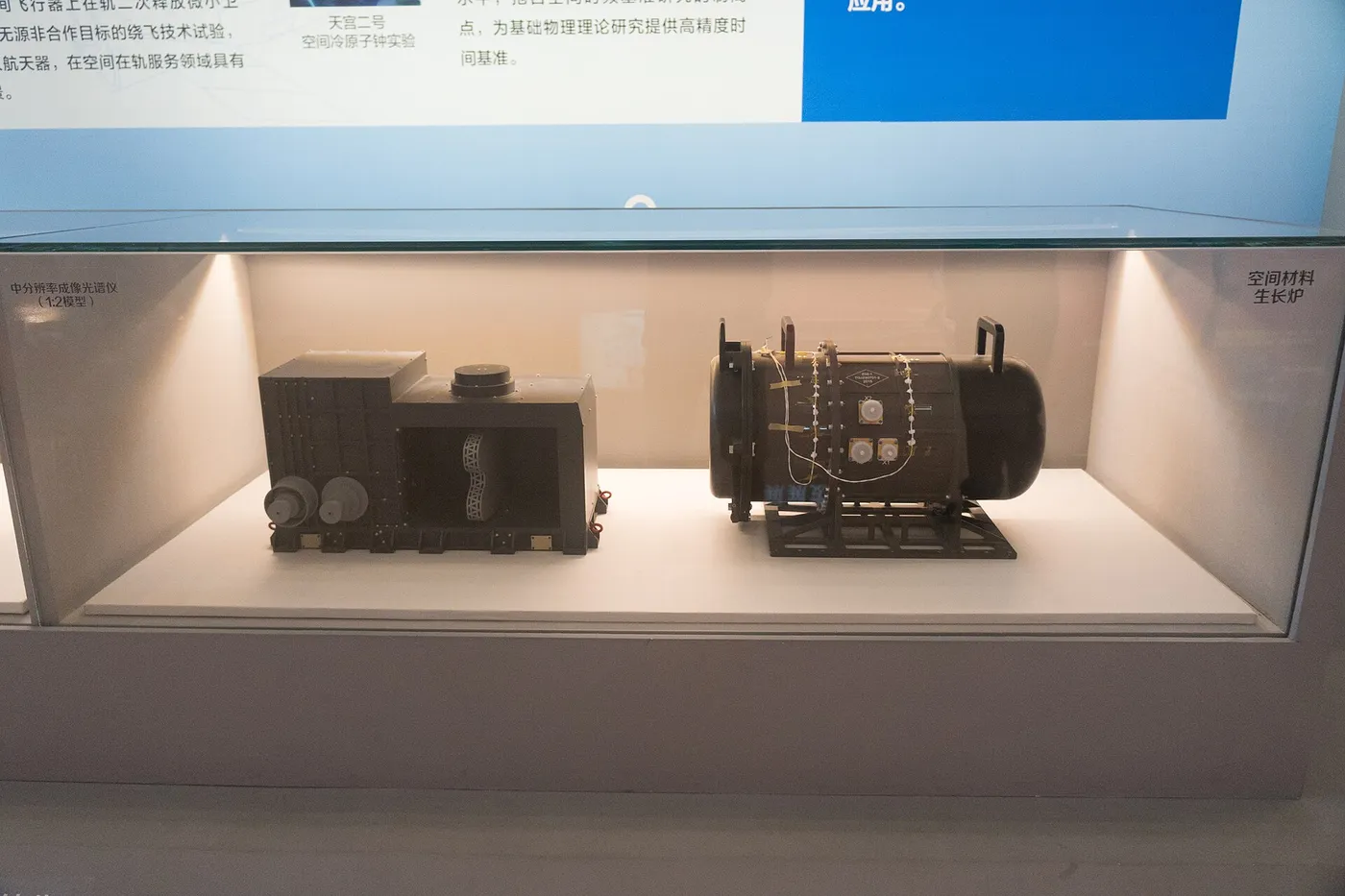
The station is served by Shenzhou crew vehicles and Tianzhou cargo ships, and it carries a substantial science programme including a cold atom clock, materials research and biology. A separate optical telescope with a field of view far wider than Hubble's is planned to fly in the same orbit, docking periodically for servicing — an architecture the American programme abandoned when the Shuttle retired.
China has invited international experiments aboard and selected proposals from a number of countries, positioning the station as an alternative venue for research as the ISS approaches retirement. Whether one station replaces the other or the two coexist alongside commercial stations is among the more consequential open questions in human spaceflight.