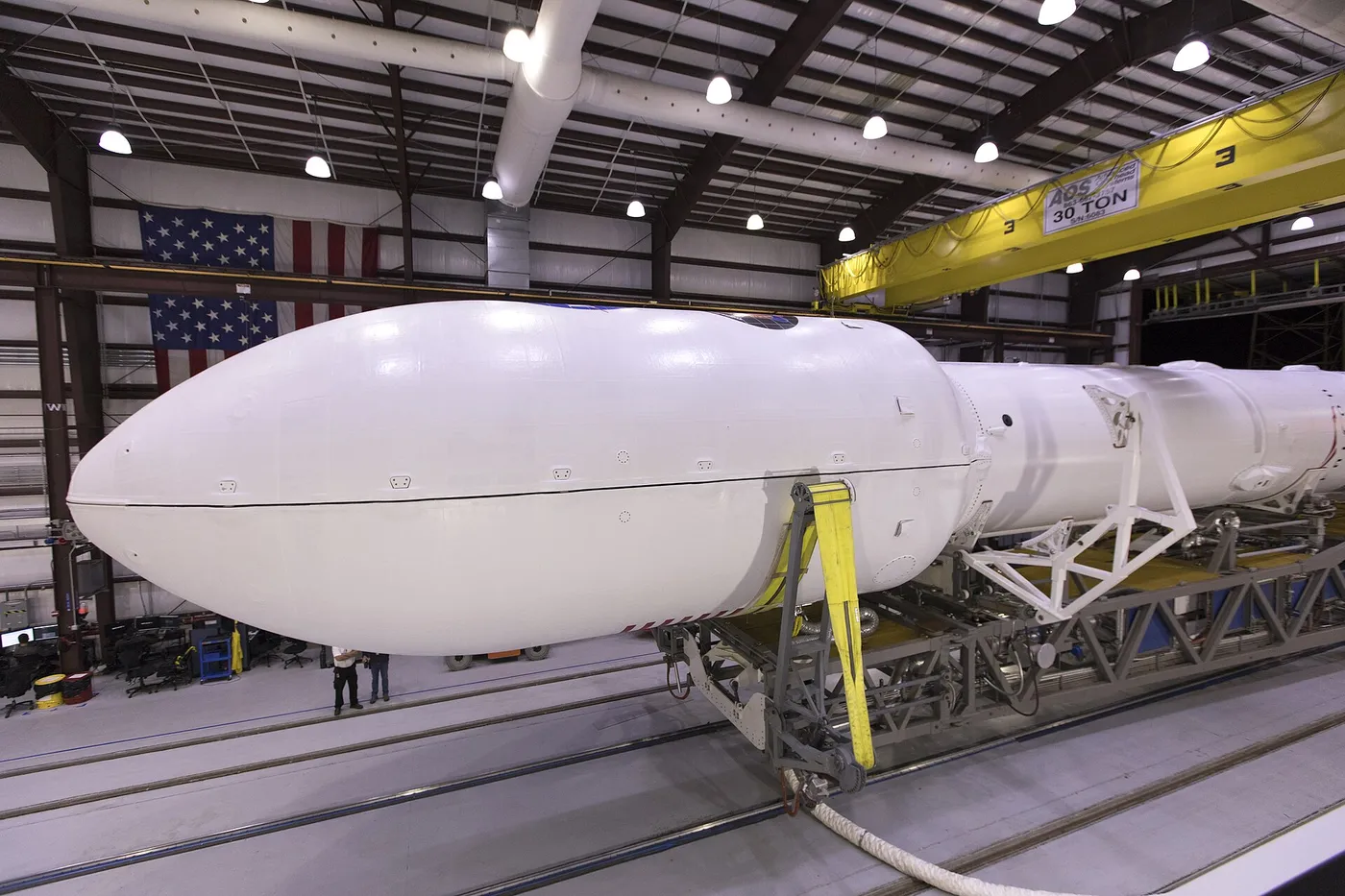

Kepler found thousands of planets around stars too faint and too distant to study further. TESS was built to fix that: instead of staring deeply at one small patch, it surveys almost the entire sky in segments, concentrating on bright, nearby stars whose planets can be followed up by other telescopes.
It flies in an orbit nobody had used before, a highly elliptical path in a two-to-one resonance with the Moon that is stable for decades without propellant, carries the spacecraft above the radiation belts for most of each circuit, and returns it close to Earth every fortnight to dump data.
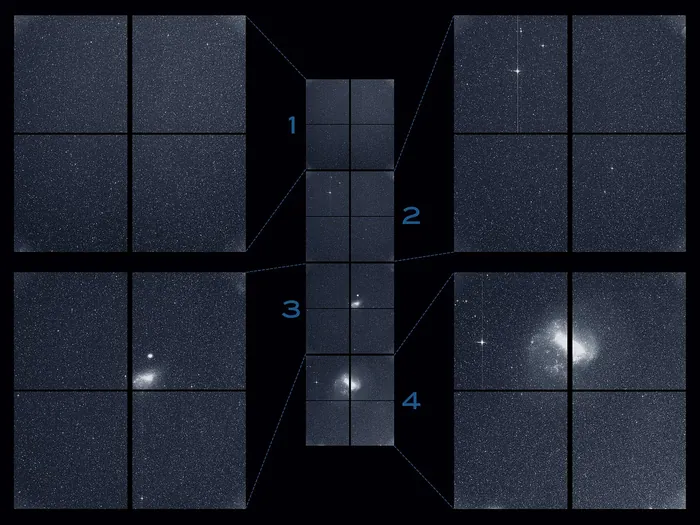
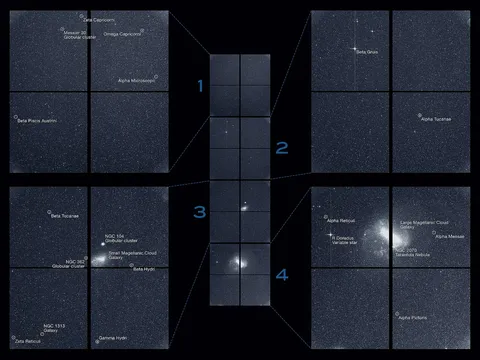
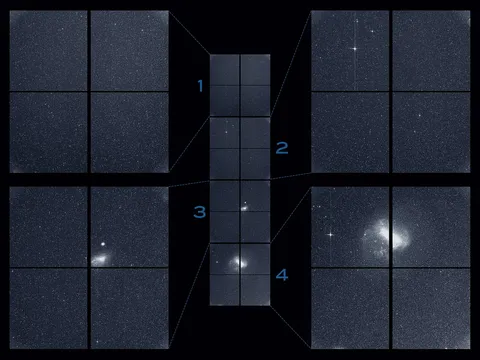
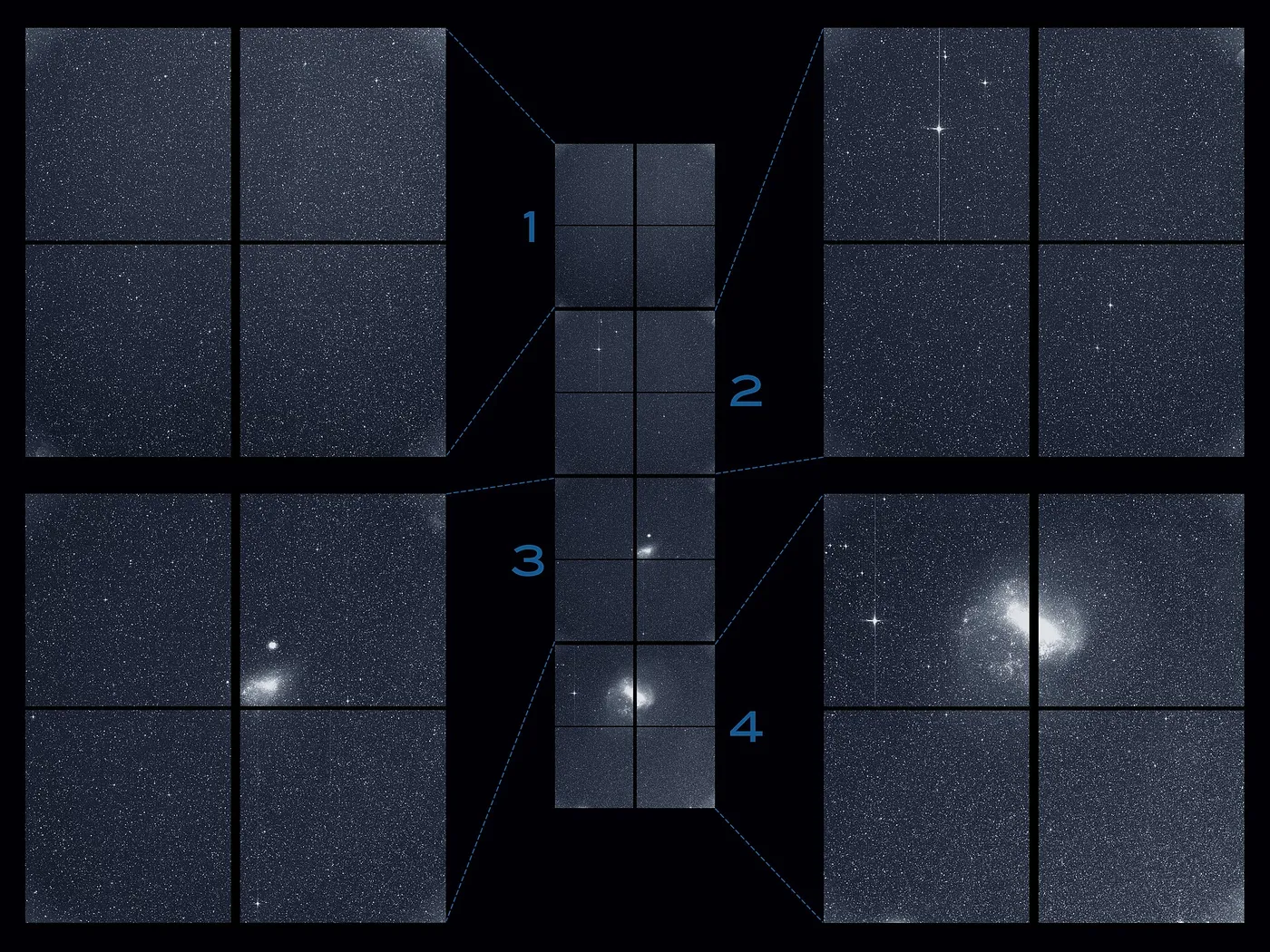
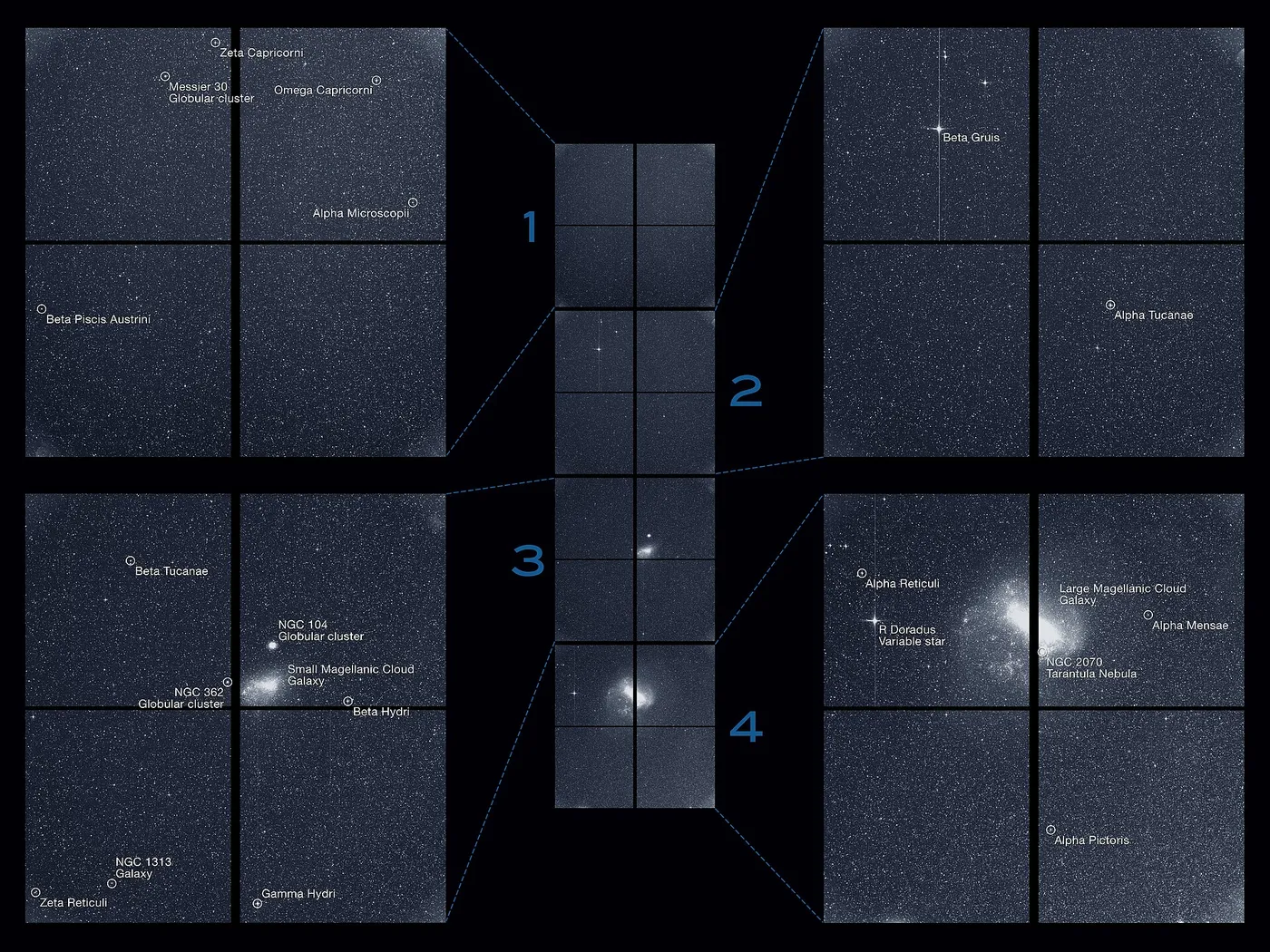
Its four cameras stare at a strip of sky 24 by 96 degrees for about a month at a time before rotating to the next, covering a hemisphere a year. The design deliberately favours planets with short orbital periods, since a month of observation cannot confirm a year-long orbit.
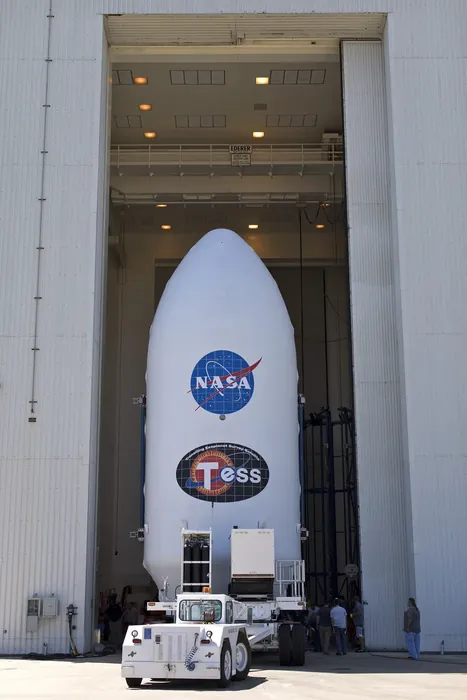
It has identified several thousand candidates and confirmed hundreds, but the count is not really the point. Its function is to supply targets: the planets whose atmospheres the James Webb Space Telescope examines are largely ones TESS found, because they orbit stars bright enough for spectroscopy to work.
It has also proved unexpectedly useful for things it was not designed for. Continuously monitoring millions of stars produces a byproduct catalogue of stellar variability, supernovae caught from the first moments of explosion, and asteroids crossing the field — a reminder that wide, patient surveys tend to return more than their stated objective.