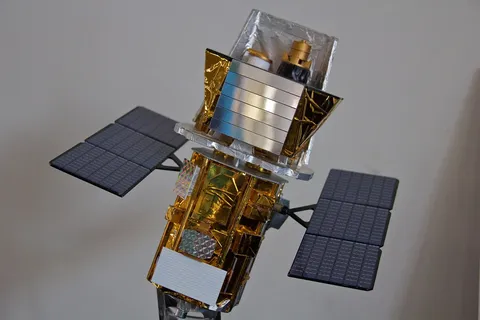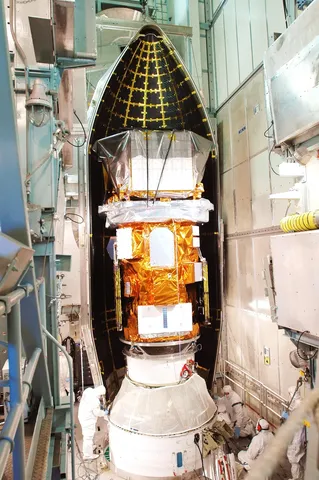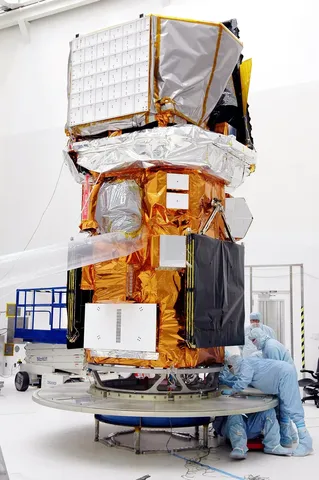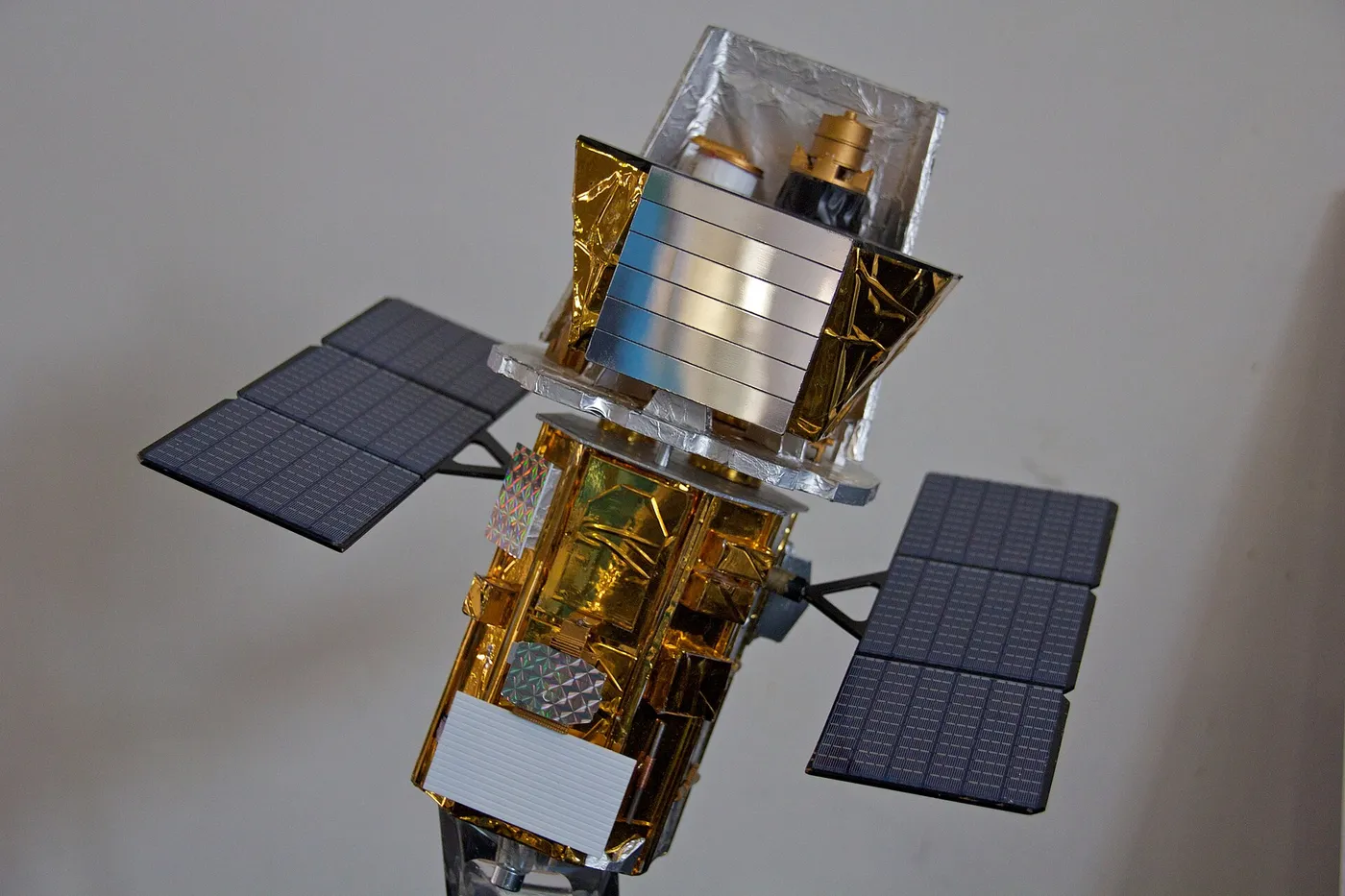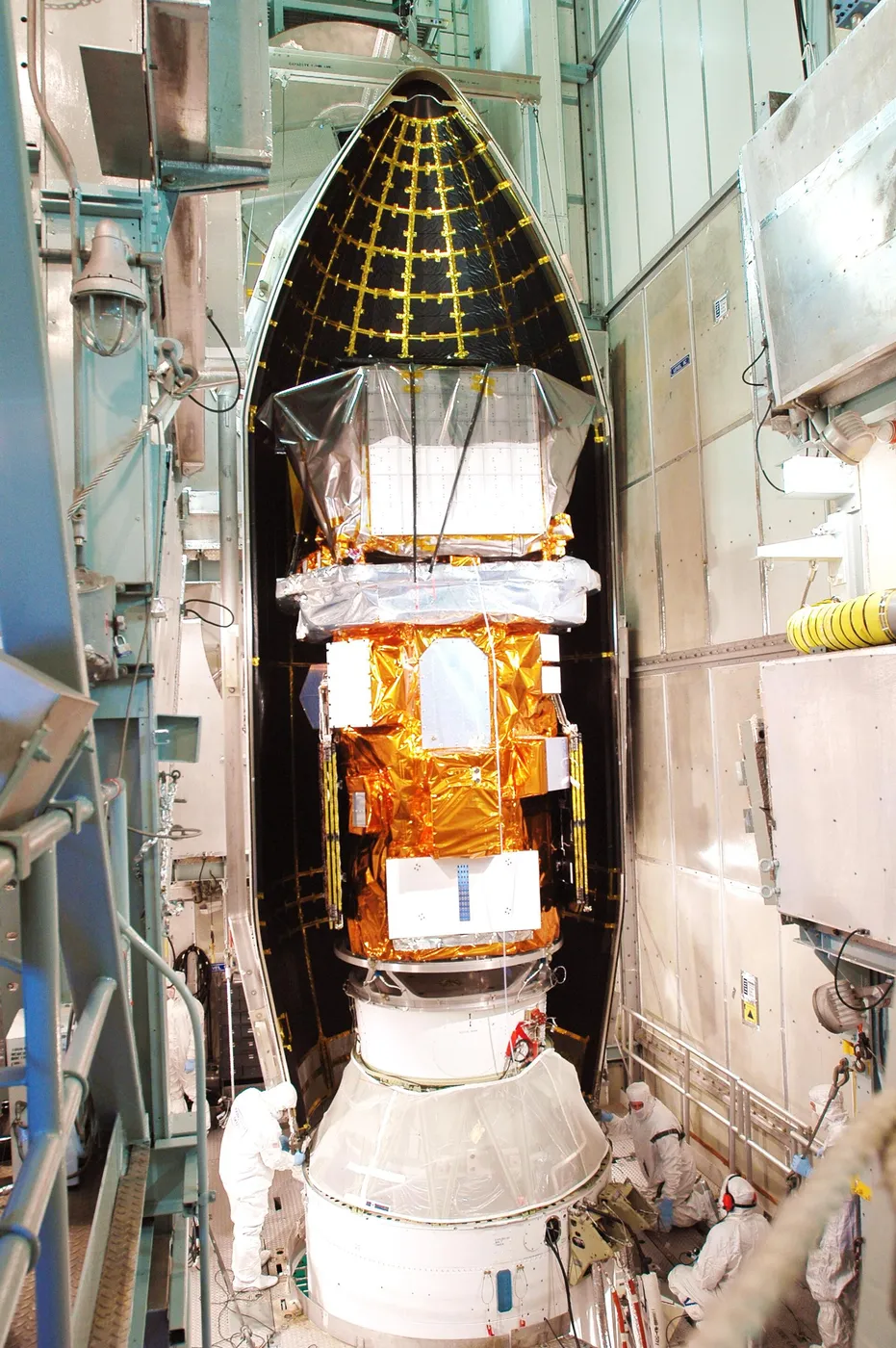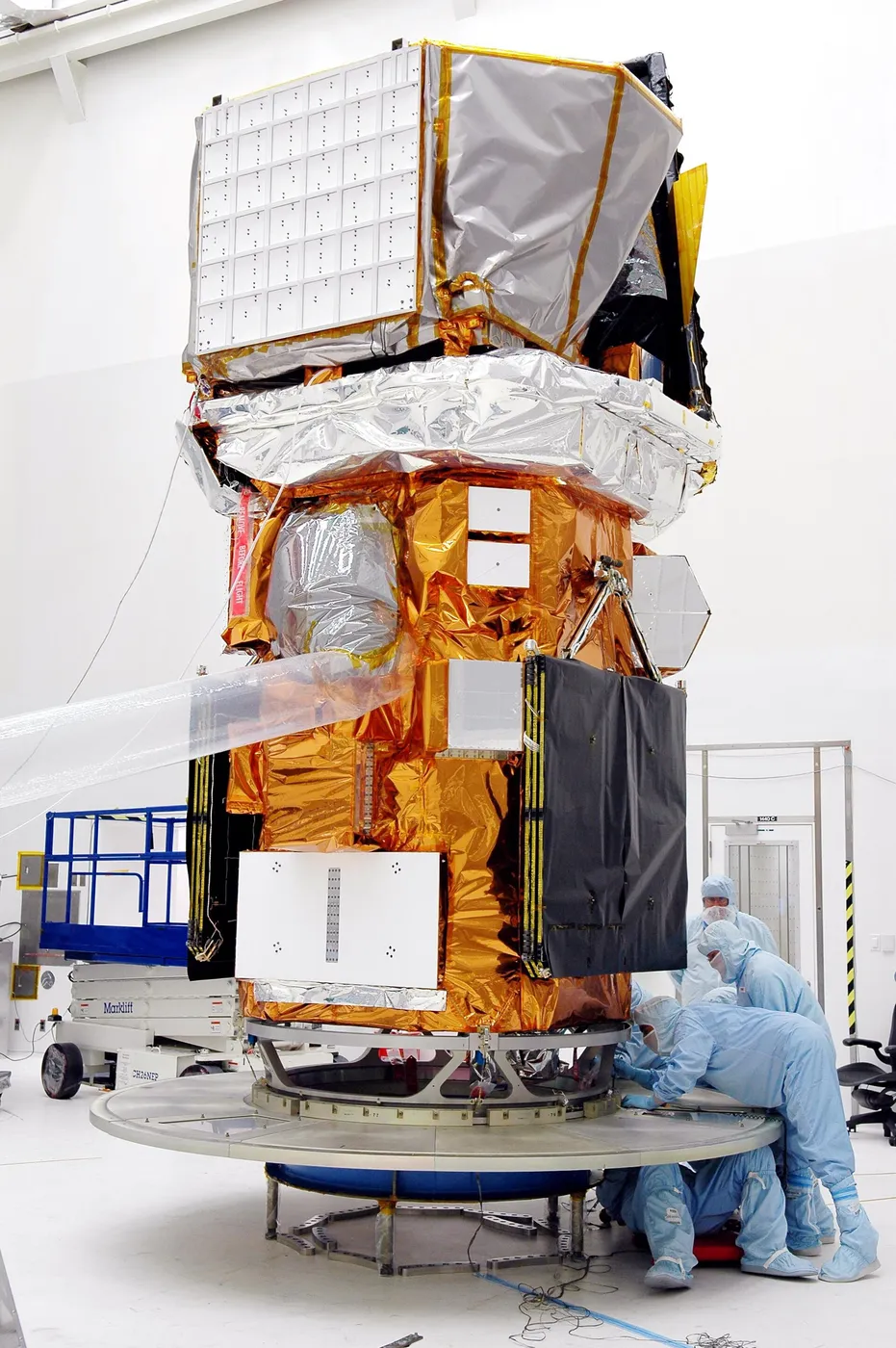

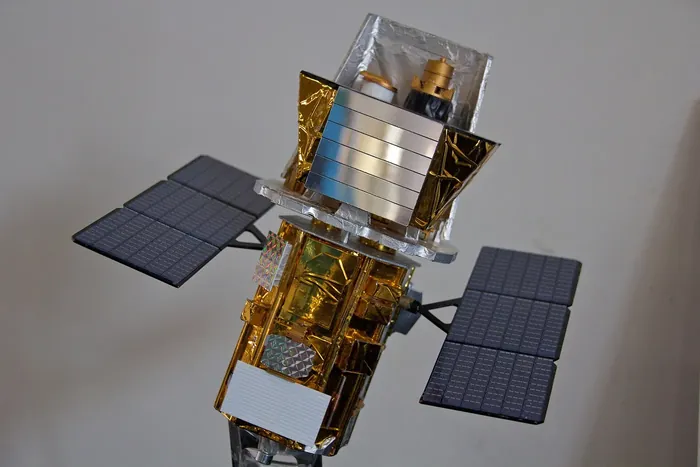
Gamma-ray bursts last seconds and can occur anywhere in the sky, which made studying them nearly impossible: by the time a telescope had been pointed, the burst was over. Swift was built to solve that problem by detecting a burst with a wide-field instrument and then physically rotating the entire spacecraft to point its X-ray and ultraviolet telescopes at it within a minute.
That capability transformed the field. Bursts stopped being unlocatable flashes and became objects with positions, distances and host galaxies, and the fading afterglows Swift caught allowed the physics to be studied in detail for the first time.
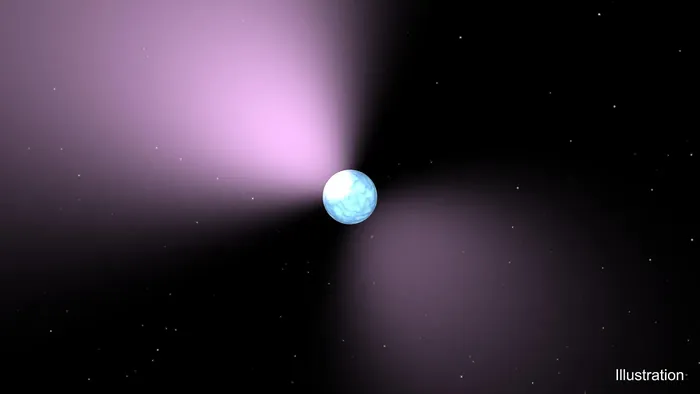
It settled the origin of short bursts. Long bursts had been linked to the collapse of massive stars, but the short ones — under two seconds — remained mysterious until Swift localised several and found them in old galaxies without star formation, pointing towards merging neutron stars. The 2017 gravitational-wave detection confirmed it directly.
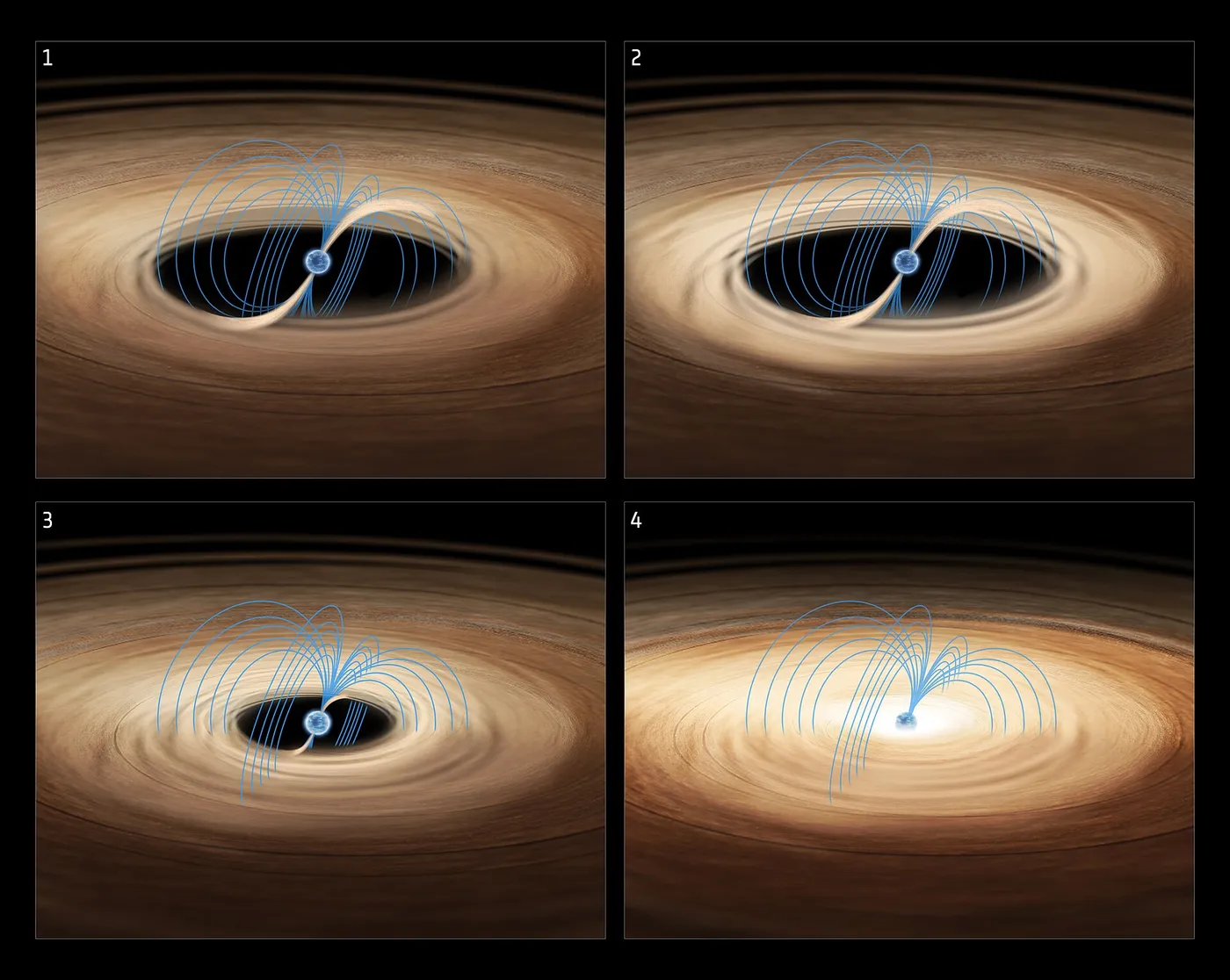
It has also found some of the most distant objects known, including bursts from when the universe was a few hundred million years old, and it watches a star being torn apart by a black hole several times a year — tidal disruption events that were largely theoretical before it flew.
It was renamed in 2018 for Neil Gehrels, its principal investigator, who had led the mission from conception until his death the previous year. Two decades on it continues to operate as the community's rapid-response instrument, now routinely chasing gravitational-wave and neutrino alerts as well as its original quarry.