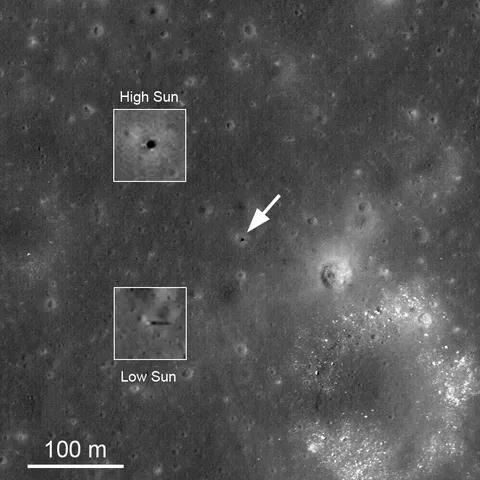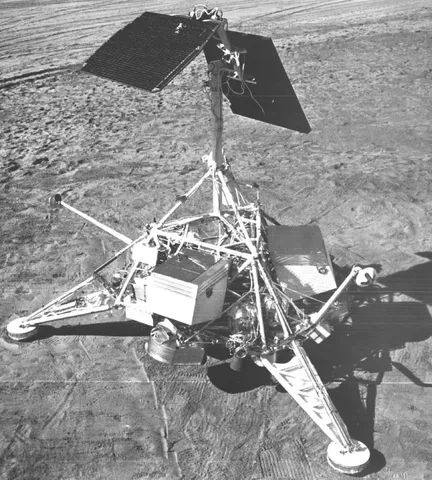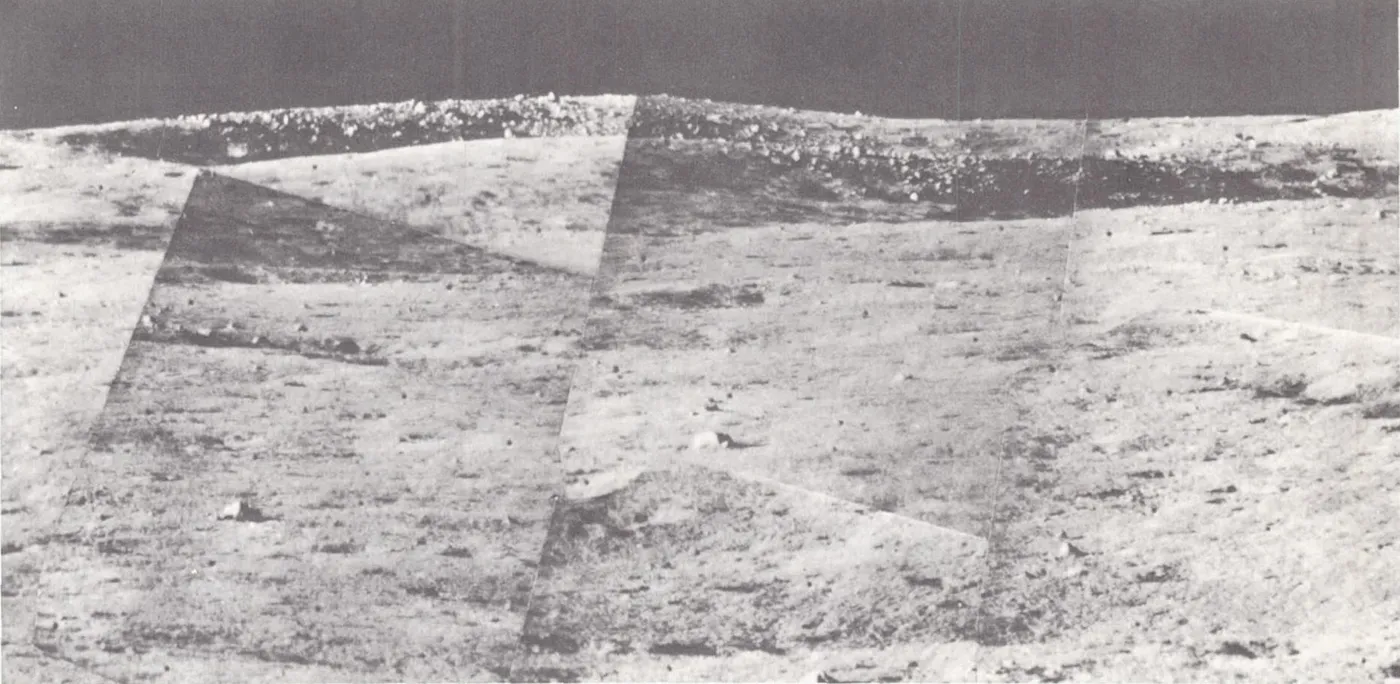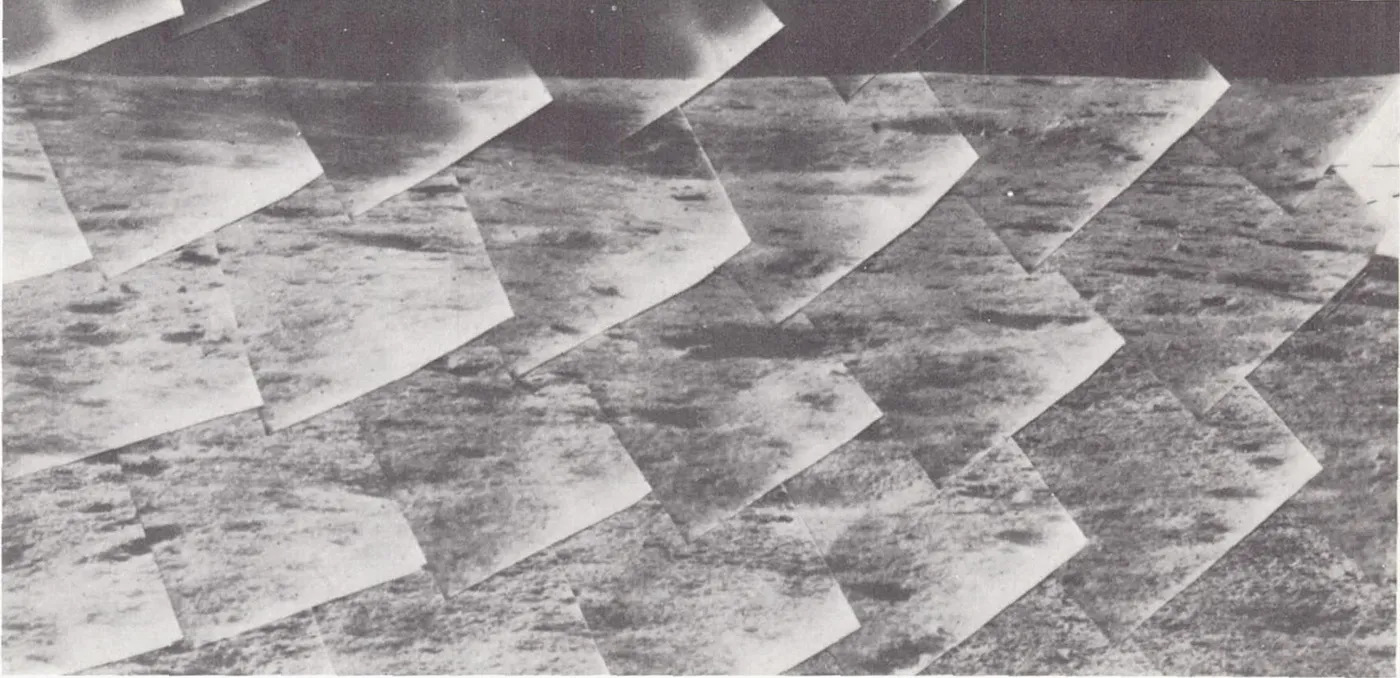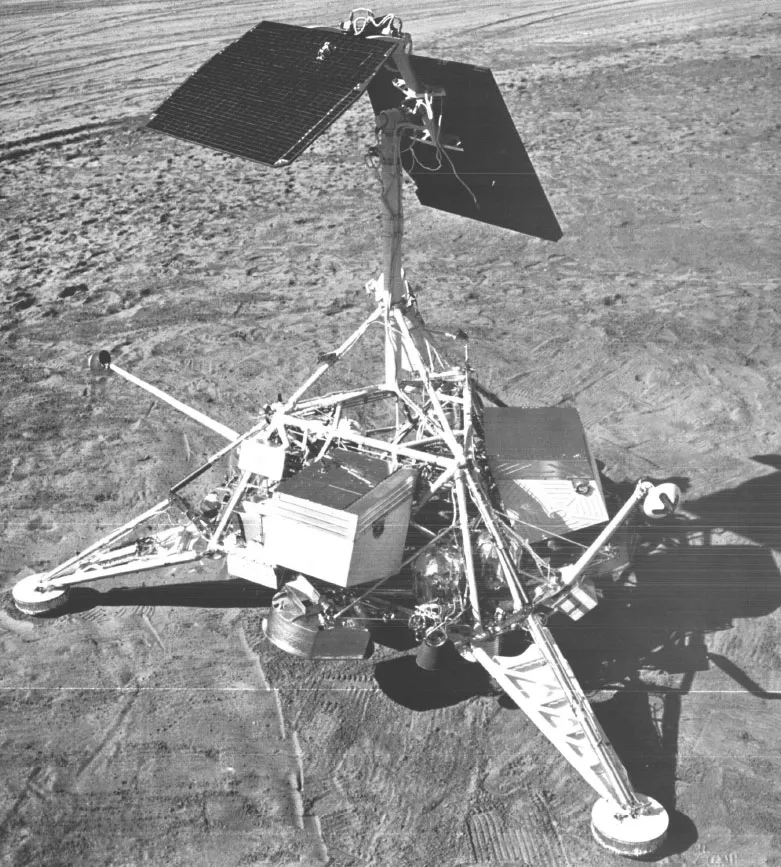
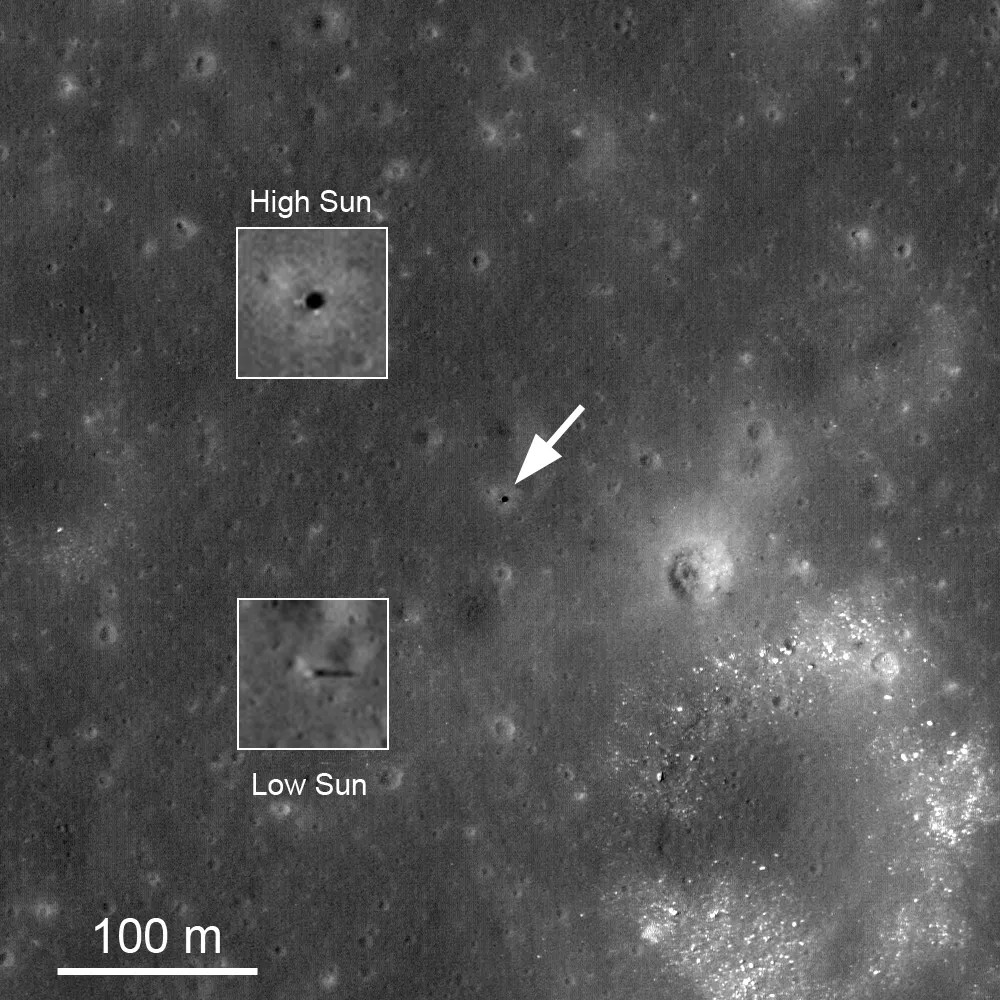

Surveyor 6 landed in Sinus Medii in November 1967, taking on the site its lost predecessor had been aimed at, and did the expected work well — photographs, soil chemistry, surface mechanics — in the centre of the Moon's near side where several Apollo landing profiles would eventually pass.
Then it did something no spacecraft had done before. Eight days after landing, controllers fired its vernier engines for 2.5 seconds and lifted it about four metres off the surface, translating some 2.4 metres sideways before setting it down again.
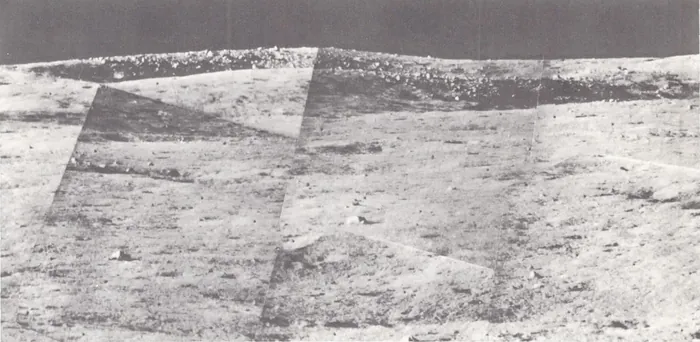
It was the first liftoff from the surface of another world, and it was flown as a rehearsal in miniature for the question that most worried Apollo planners: what happens to the ground under a rocket at lunar gravity? The engines threw far less dust than some models had predicted and did not dig a crater, which was a considerable relief.
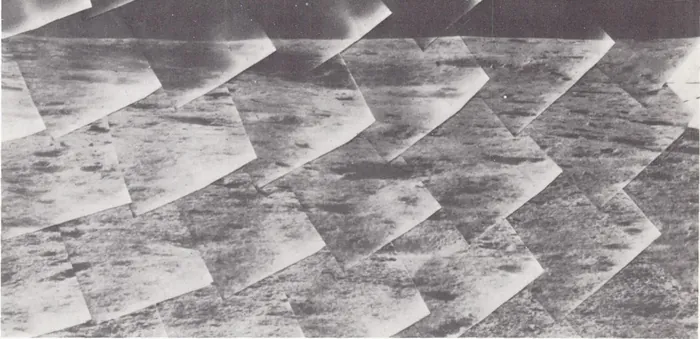
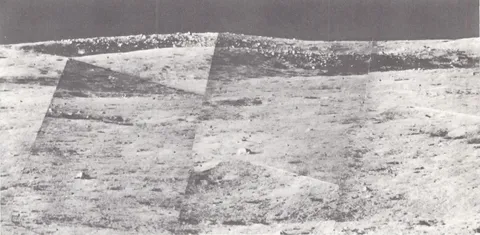
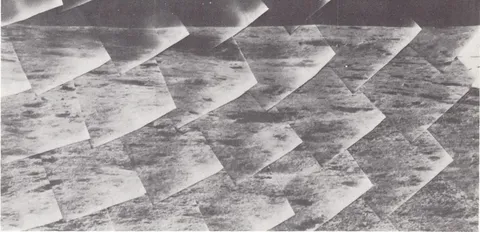
The hop also gave the mission stereo vision. By photographing the same terrain from two positions a few metres apart, the cameras produced genuine stereoscopic views of the landing site and, incidentally, pictures of the original footpad imprints and the disturbance the engines had caused.
It returned some 30,000 images and operated until the lunar night closed in. Between them, Surveyor 5's chemistry and Surveyor 6's hop resolved the two remaining engineering unknowns about landing on the Moon, and NASA declared the site certification objectives met with one spacecraft still to fly.