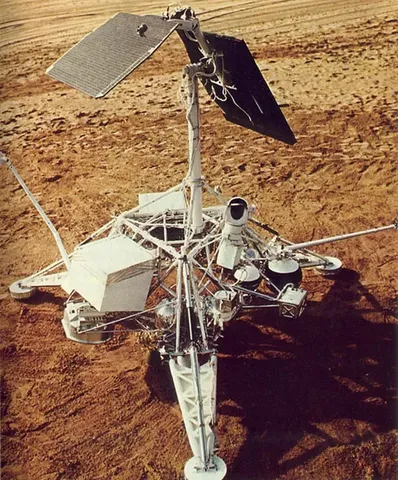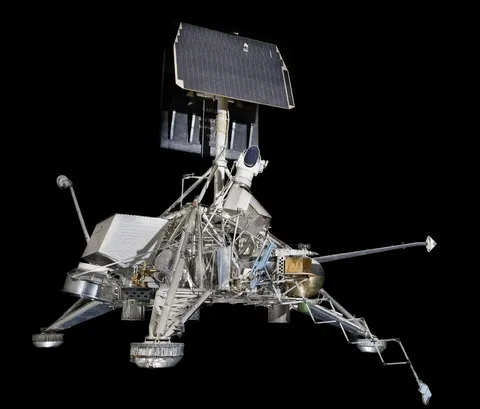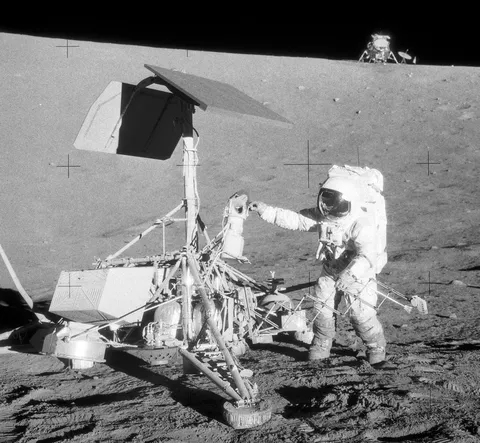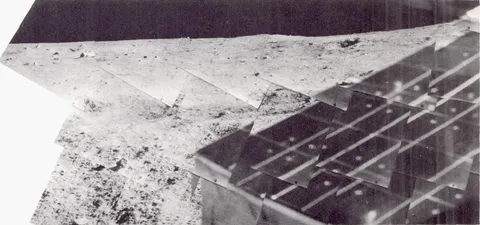

Surveyor 4 was two and a half minutes from touchdown when it stopped transmitting. The flight had been essentially flawless — a clean launch, an accurate trajectory, a mid-course correction so precise that controllers described the approach as textbook — and then, during the retro-rocket burn, the signal simply ceased.
Nothing was ever heard again. There was no warning, no degradation, no partial telemetry: an instantaneous and complete loss at the most critical moment of the mission, aimed at Sinus Medii, the very centre of the Moon's visible face.
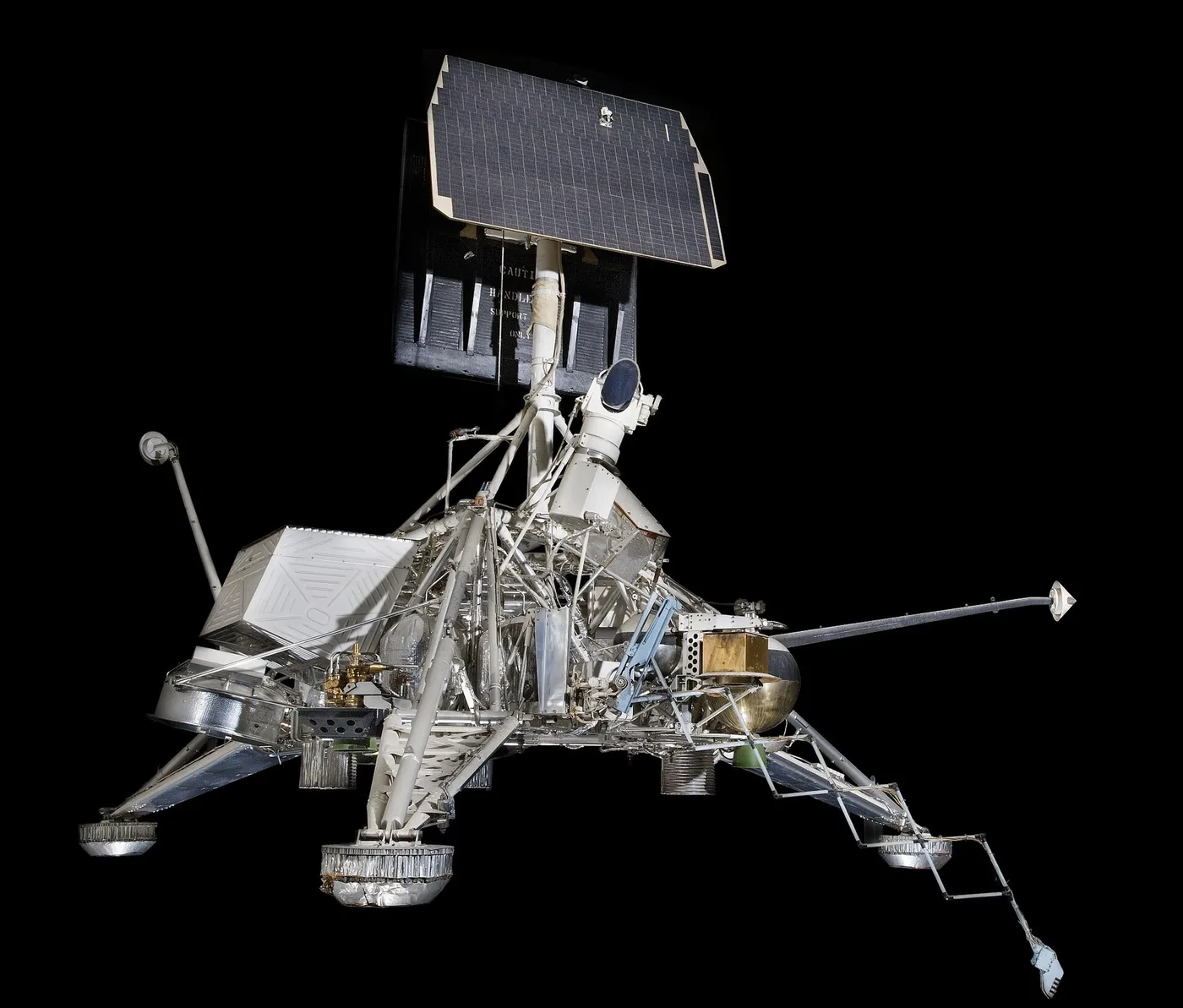
The most likely explanation is that the solid retro-rocket motor exploded, destroying the spacecraft outright. Other possibilities — a failure in the electronics or the destruct system — could not be ruled out, and without telemetry the investigation could reach no firm conclusion.
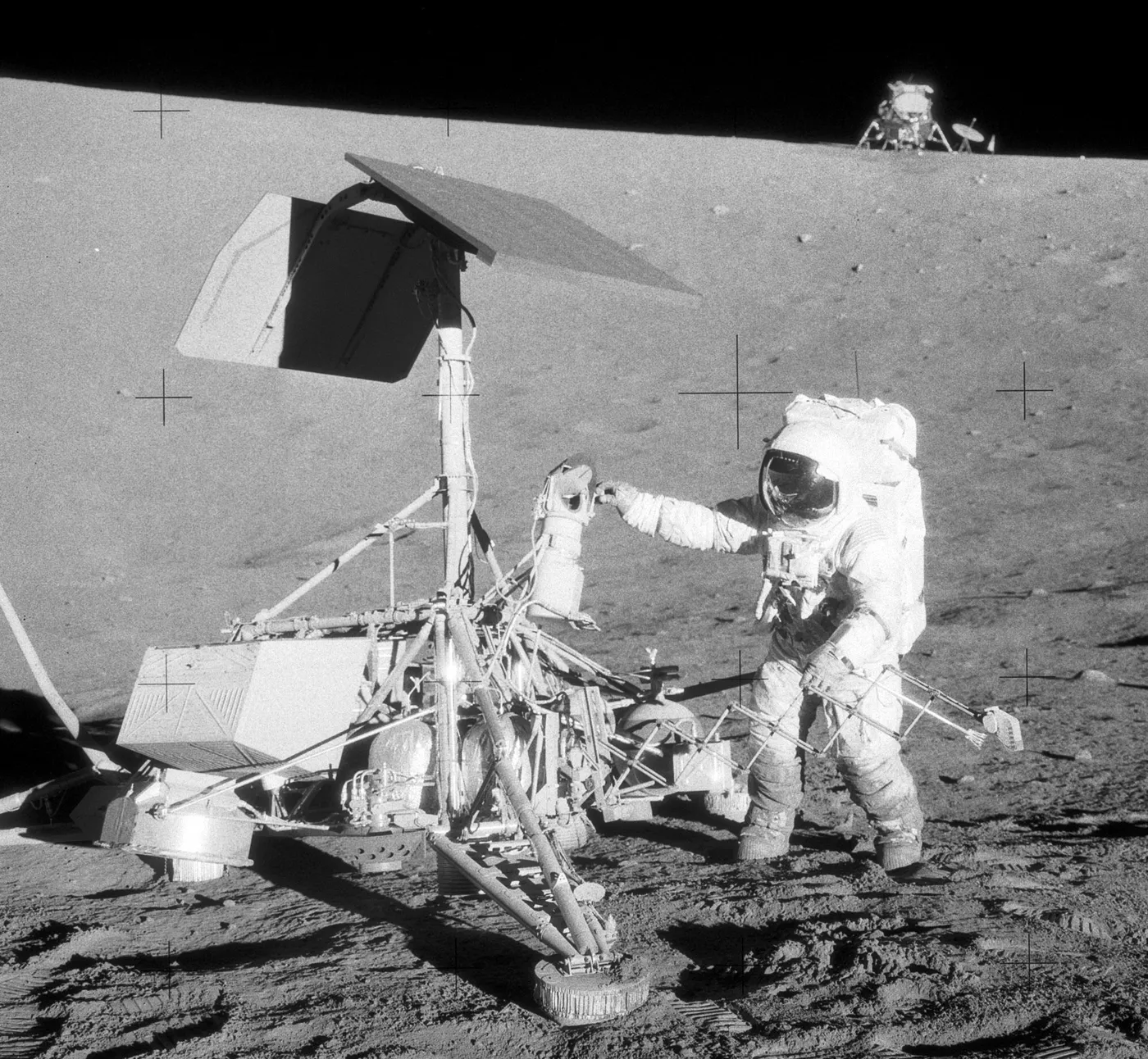
The loss came at an awkward moment. Surveyor 3 had landed successfully in April, and the programme had begun to feel routine; this was a reminder that a solid rocket motor firing once, unattended, 380,000 kilometres away, is a single point of failure with no recovery.
The remaining three Surveyors all succeeded, and the site Surveyor 4 was aimed at was surveyed instead by Surveyor 6 four months later. Its wreckage has never been identified, though it is presumably somewhere in Sinus Medii, scattered across ground that Apollo later flew over but never visited.