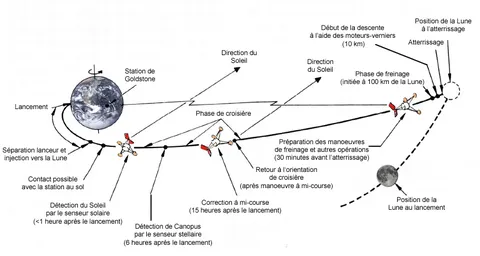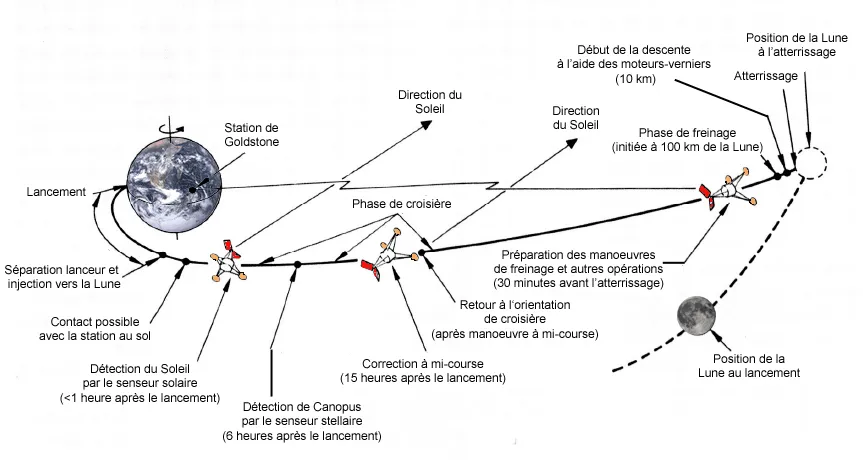

Before anyone could land astronauts on the Moon, a genuinely serious question had to be answered: would they sink? A respected theory held that billions of years of micrometeorite bombardment had ground the surface into a deep layer of dust, possibly metres thick, into which any vehicle would simply disappear.
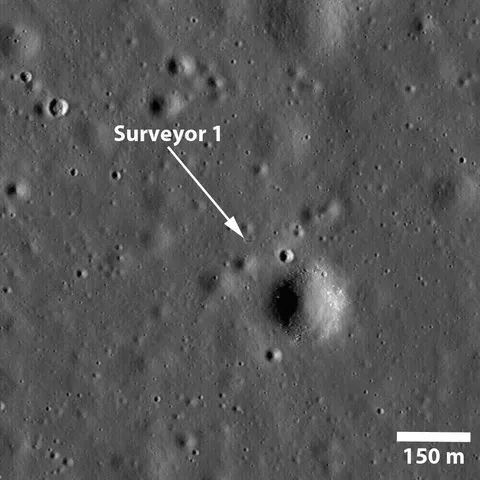
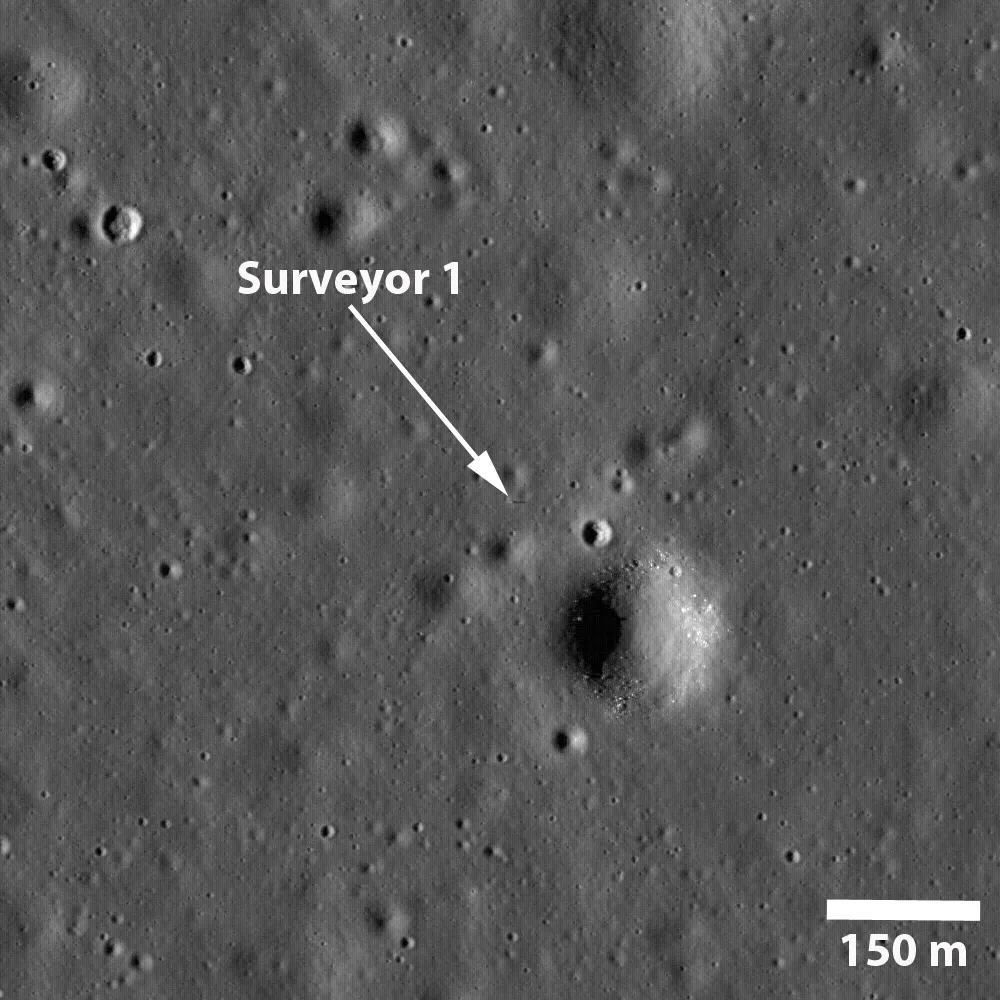
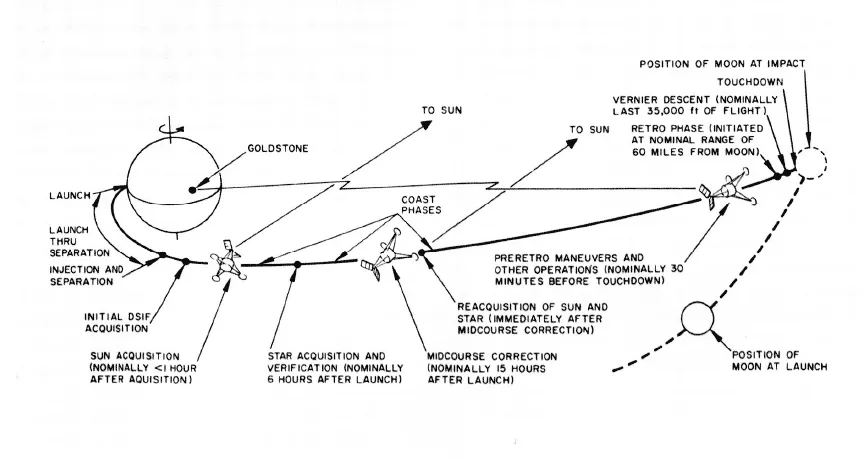
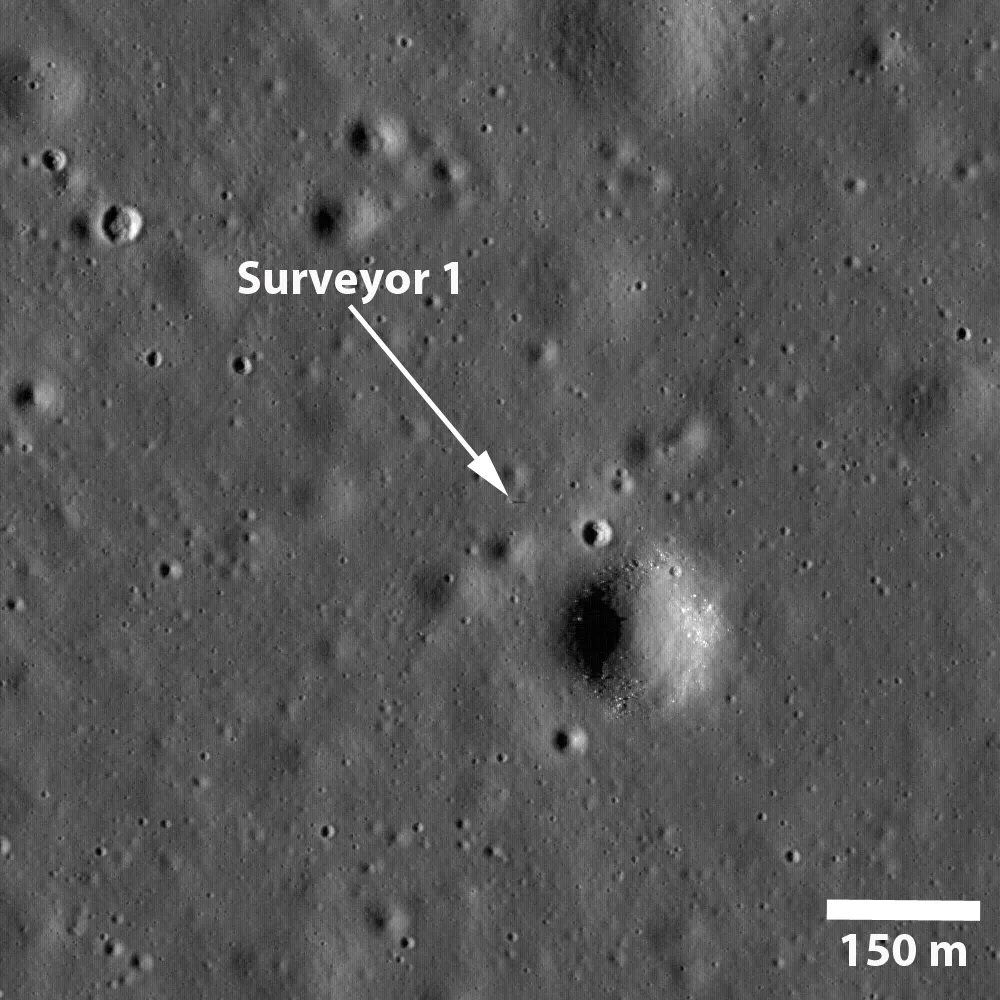
Surveyor 1 answered it on 2 June 1966 by landing softly in the Ocean of Storms and not sinking. It was the first American soft landing on another world and, remarkably, worked perfectly on the first attempt — a rarity in a programme where the preceding Ranger series had failed six times before succeeding.
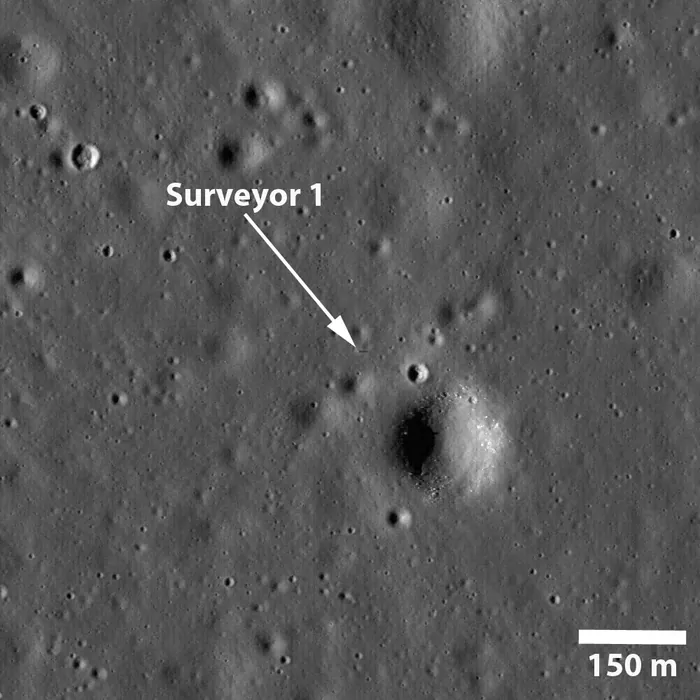
The spacecraft returned more than 11,000 photographs, including images of its own footpads pressed a few centimetres into the soil. The surface was granular, slightly cohesive, and easily strong enough to bear a lander or a person — the single most important engineering fact of the Apollo programme's early planning.
It also photographed the lunar surface through a full day-night cycle, surviving the fourteen-Earth-day lunar night by shutting down and being revived, which had not been expected. It returned data intermittently until January 1967.
Seven Surveyors were launched and five succeeded, mapping candidate landing sites, measuring soil chemistry and proving the descent radar techniques Apollo would rely on. The programme cost a fraction of a single crewed mission and removed the possibility that the first person to step onto the Moon would vanish into it.