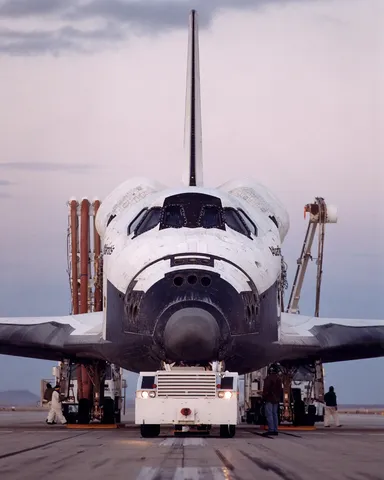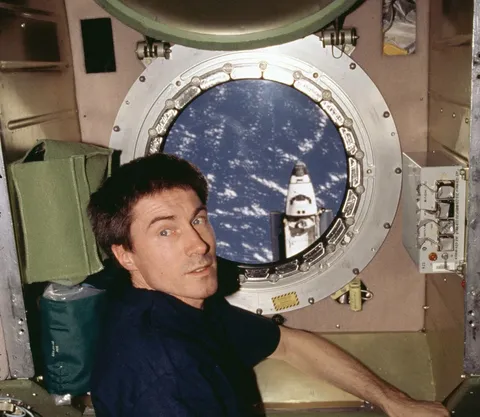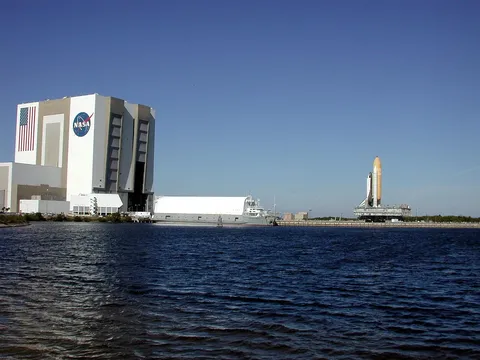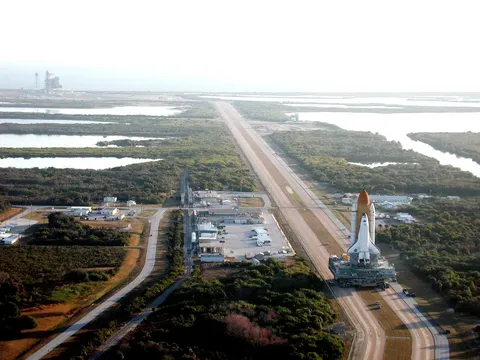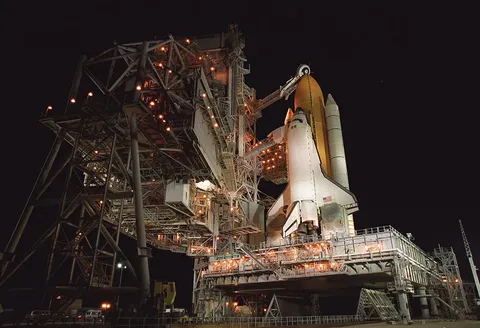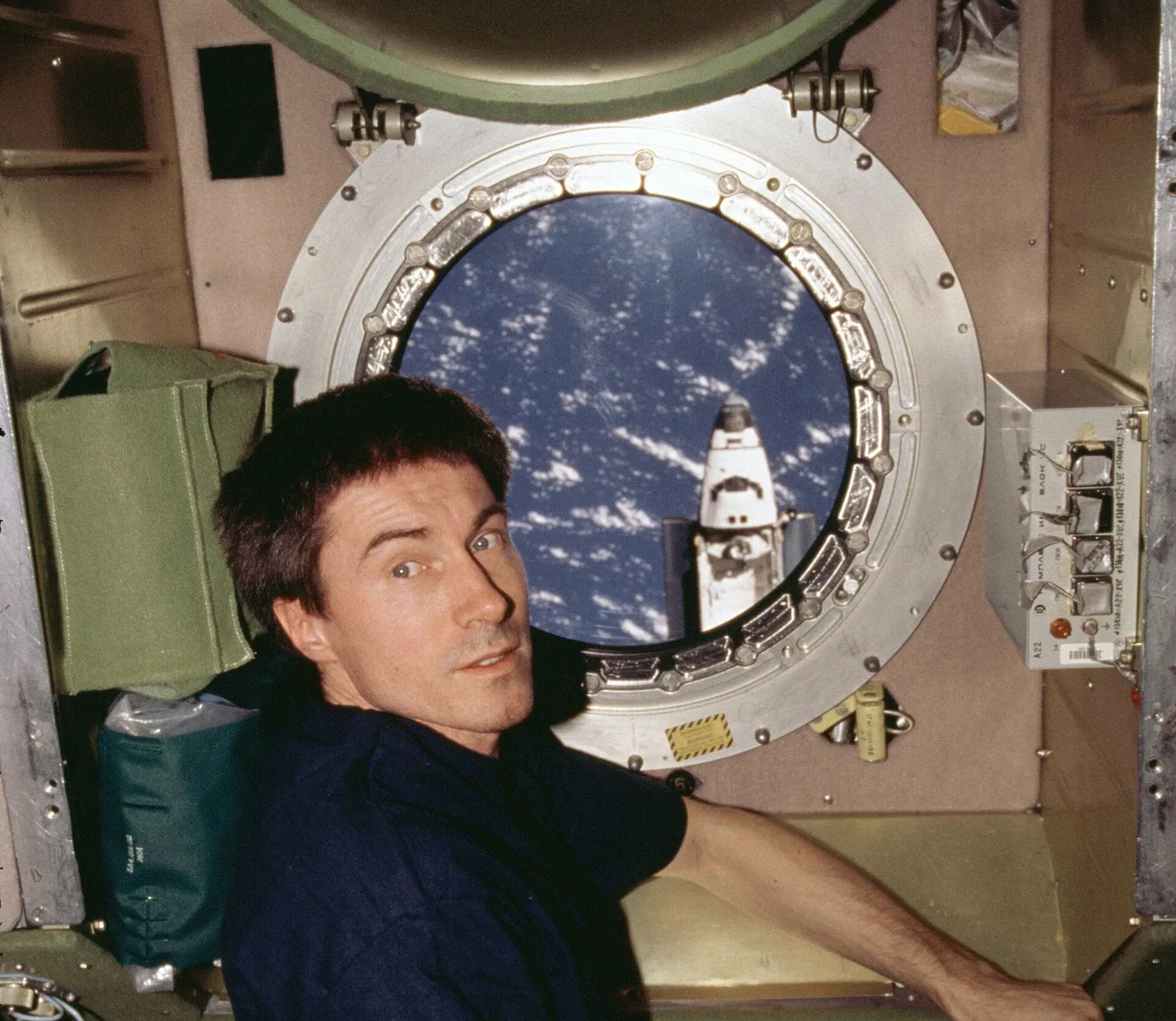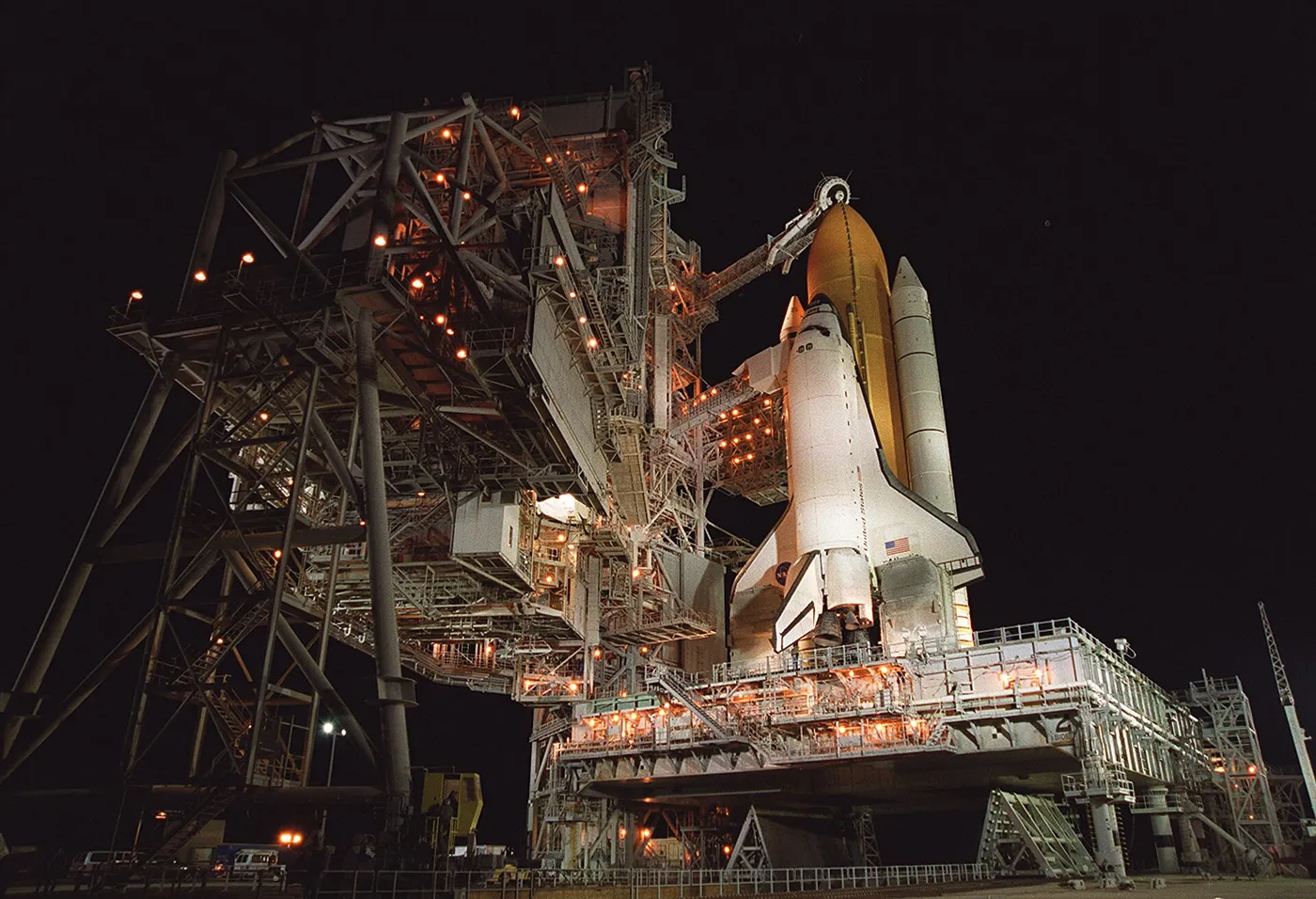
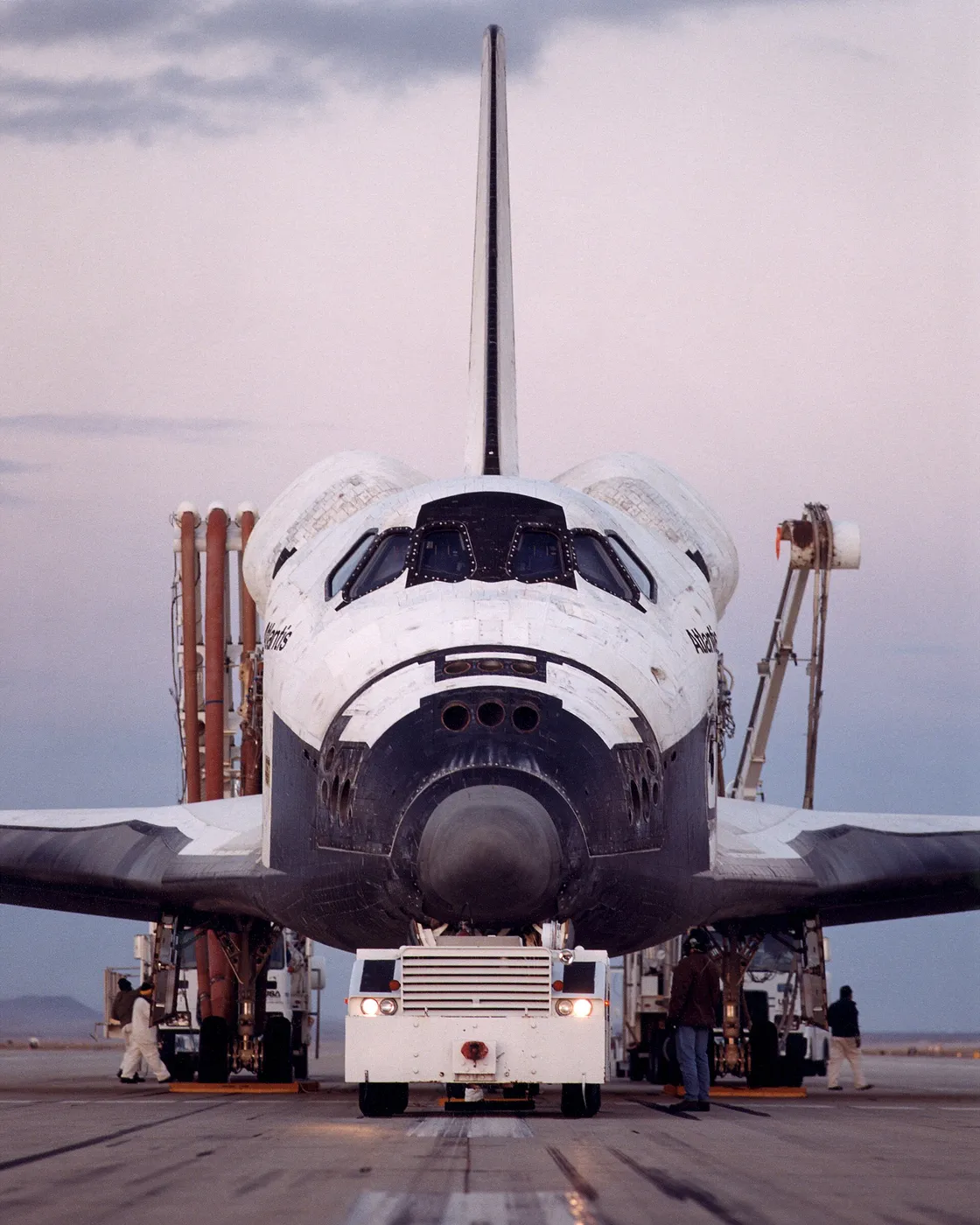

Atlantis delivered the American laboratory Destiny to the International Space Station in February 2001, the centrepiece of the outpost's scientific capability and a turning point in its evolution from construction site to working laboratory. The crew of five used the robotic arm to move the bus-sized module into place and berth it to the station.
Three spacewalks connected Destiny's power, cooling and data systems and relocated a docking port to accommodate the new module. With the laboratory installed and activated, the station could at last host serious research and became the control hub for its own systems. Destiny would remain the primary American workspace in orbit for the rest of the station's life, making STS-98 one of the foundational flights of the assembly era.
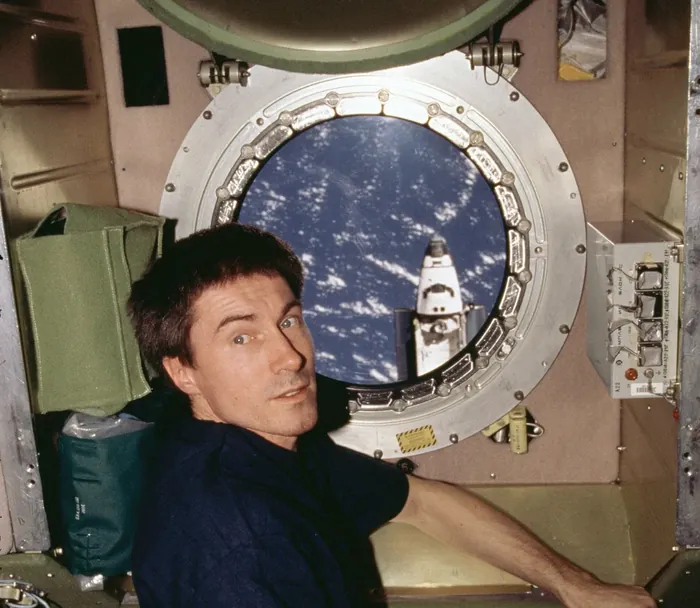
Destiny was the reason the whole enterprise existed. Atlantis carried the American laboratory module to the station in February 2001 — an aluminium cylinder some 8.5 metres long, fitted with racks for experiments and a 50-centimetre optical-quality window that became the most photographed piece of glass in orbit.
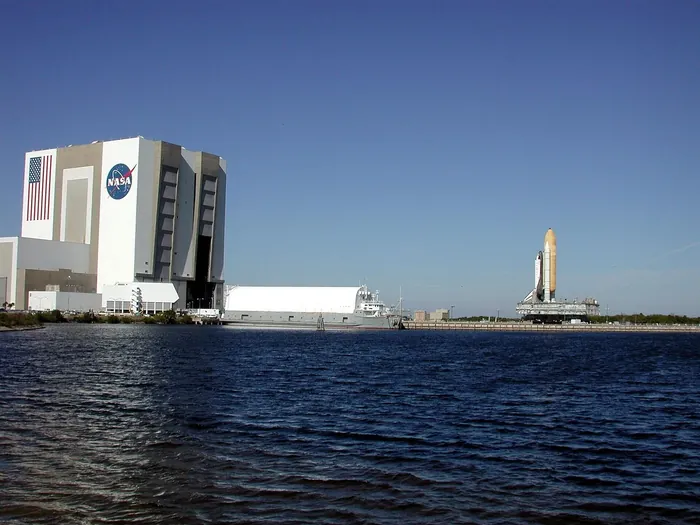
Installing it took three spacewalks and a great deal of careful robotic work: the docking adapter had to be moved out of the way, the module lifted from the bay and mated to Unity, and dozens of power, data, cooling and air connections made by hand outside. Marsha Ivins flew the arm; Tom Jones and Bob Curbeam did the outside work, and Curbeam took an eyeful of ammonia crystals from a leaking coolant line, obliging him to bake in sunlight before re-entering to avoid carrying toxic flakes into the cabin.
With Destiny attached, command of the station shifted into the new module and the ISS stopped being a corridor with sleeping bags. The laboratory has run continuously ever since, hosting everything from protein crystallography to combustion research — and its window, added almost as an afterthought, gave the world two decades of photographs of its own weather.