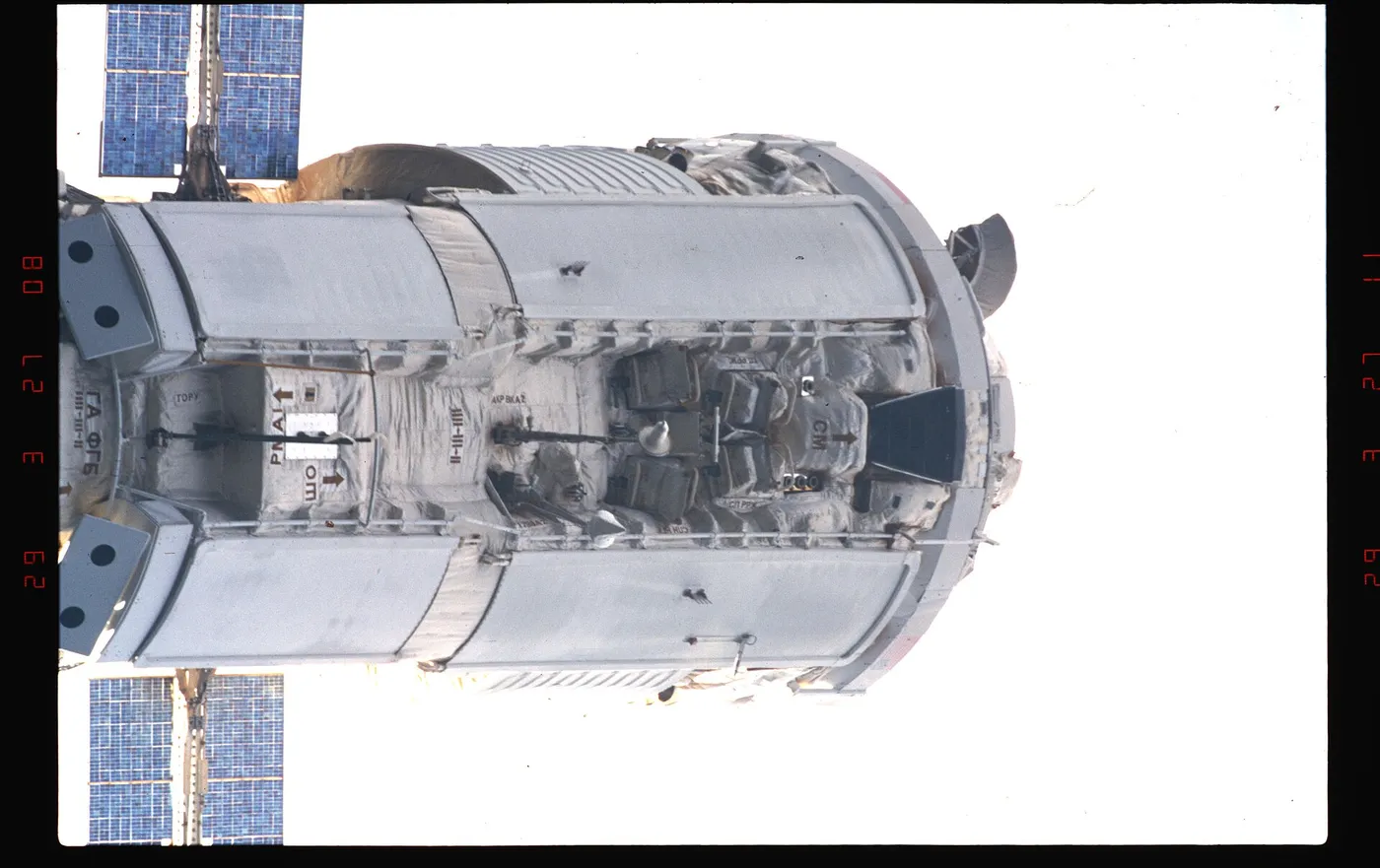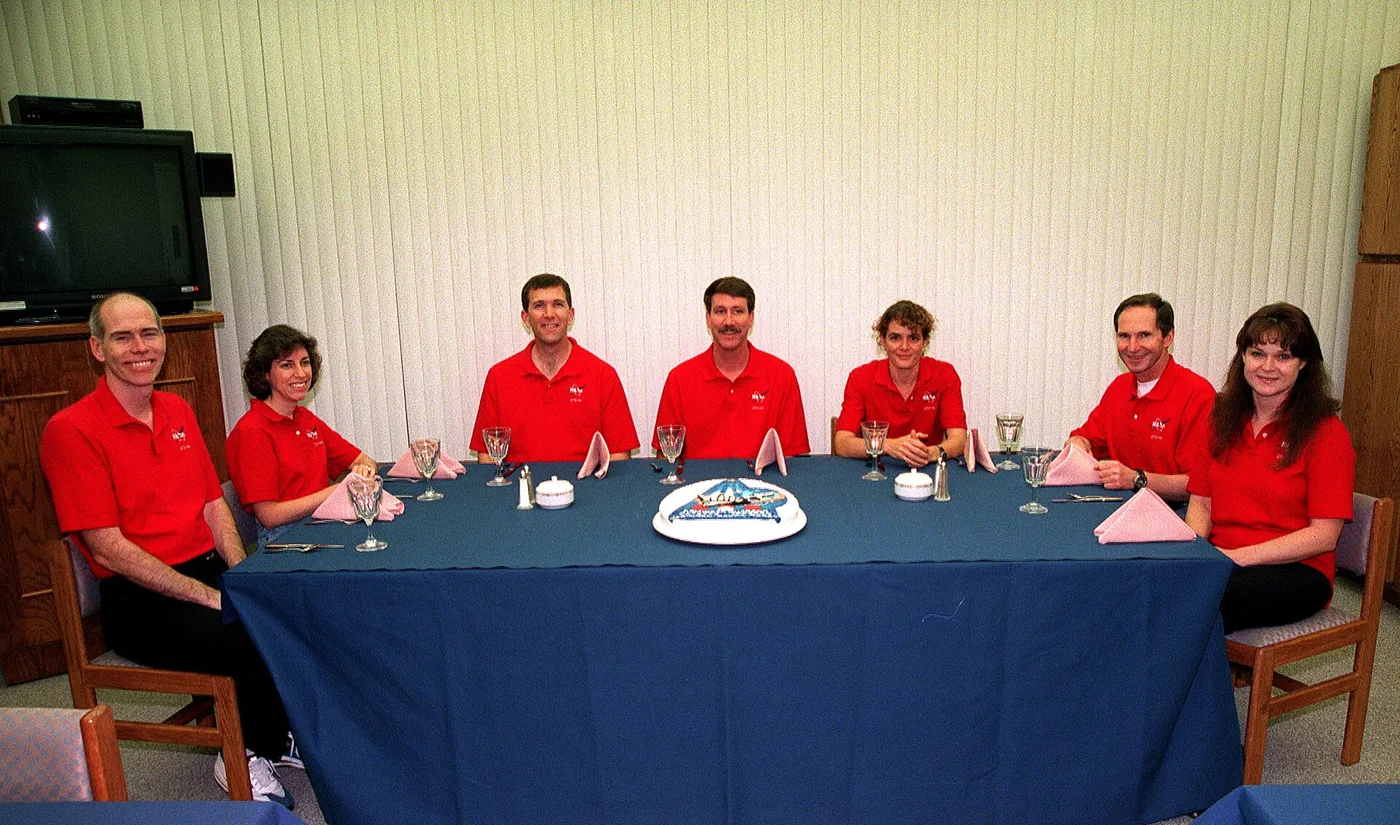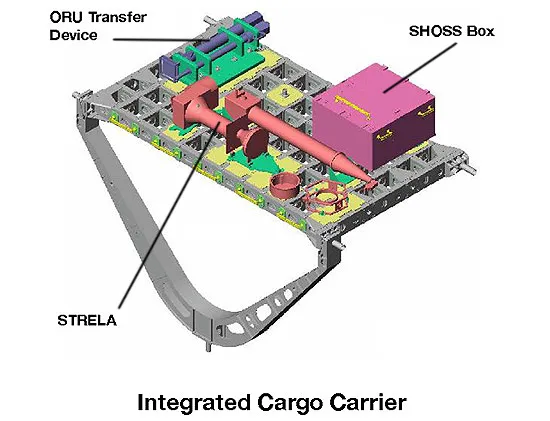
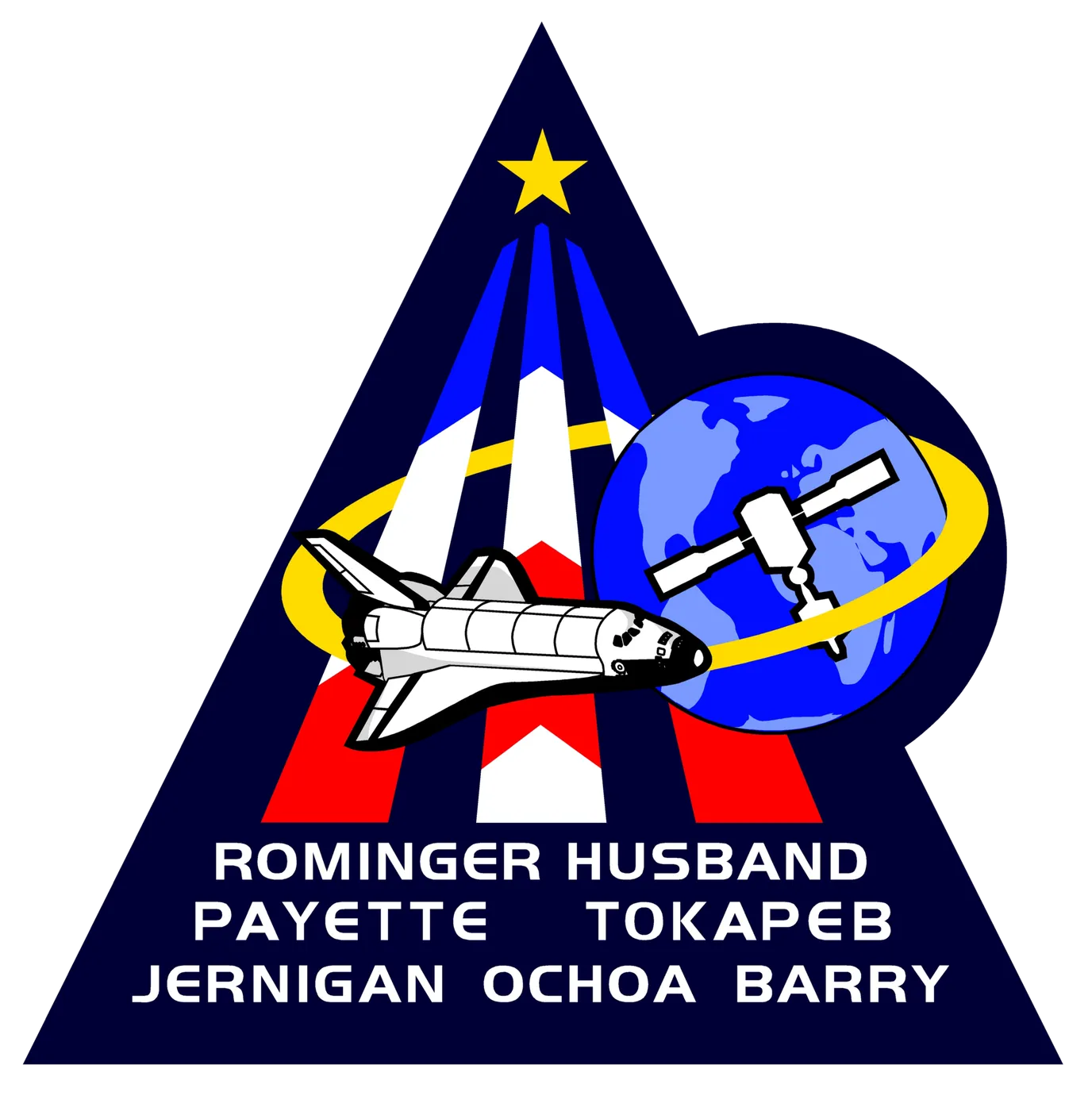
Discovery flew the first Shuttle docking to the young International Space Station in May 1999, arriving at the two-module outpost to prepare it for its first resident crew. With no one yet living aboard, the station needed stocking, and the crew of seven transferred nearly two tonnes of supplies, equipment and water into Unity and Zarya by hand.
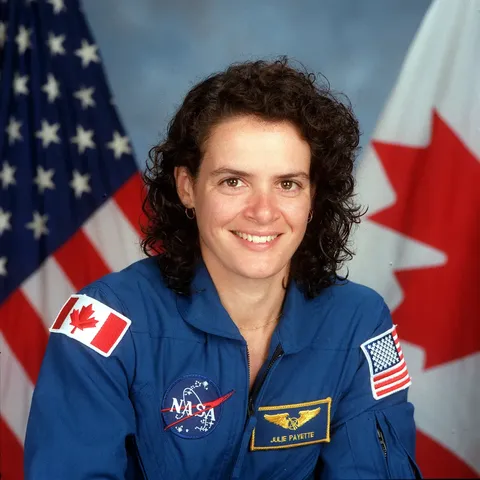
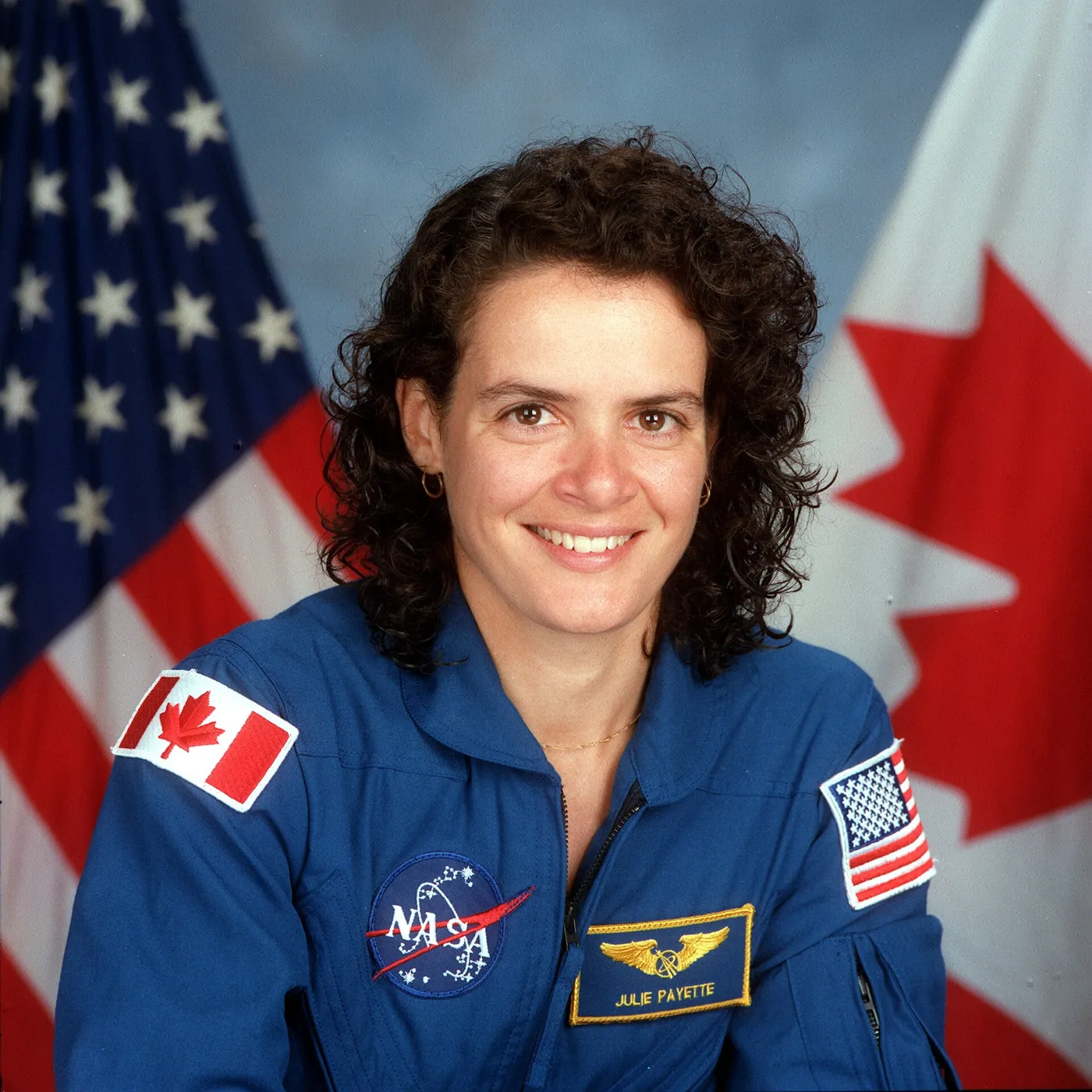
An eight-hour spacewalk mounted cranes and tools on the station's exterior for use in later assembly, and the crew boosted the outpost to a higher orbit. Canadian astronaut Julie Payette was among the crew visiting the station her nation was helping to build. The logistics-heavy mission set a template for the resupply and outfitting flights that would sustain the station through years of construction and habitation.
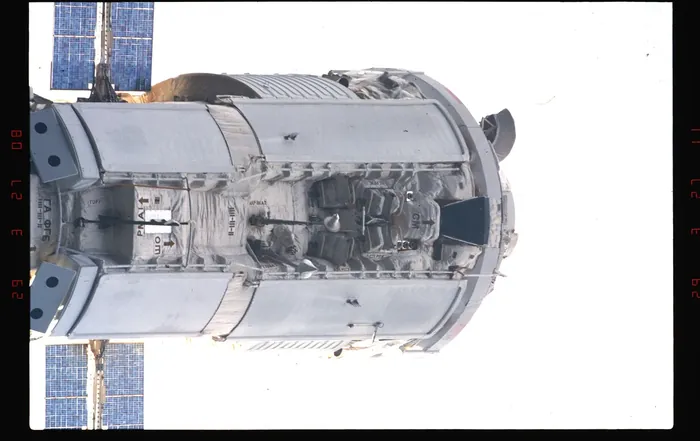
Discovery flew the first docking mission to the International Space Station in May 1999 — the previous flight had joined two modules together and left, and this one arrived to move in. The station was still uninhabited, two modules and a connecting node, and the crew spent days carrying nearly two tonnes of equipment aboard by hand.
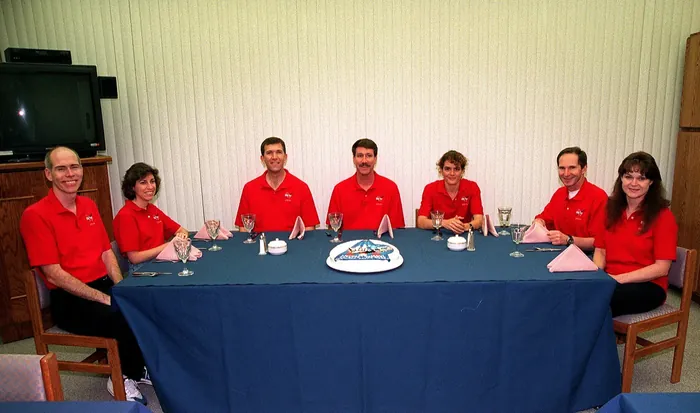
The cargo was the unglamorous foundation of habitability: clothing, sleeping bags, medical equipment, spare parts, a treadmill, and the tools the first residents would need. Julie Payette, on her first flight, became the first Canadian to board the station; she would later command an increment's worth of operations and eventually serve as Canada's governor general.
Tamara Jernigan and Daniel Barry made a nearly eight-hour spacewalk to install two cranes on the station's exterior — Russian and American designs mounted side by side — which future crews would use to move equipment along the hull. It was the first assembly spacewalk of many; the station would eventually require some 160.