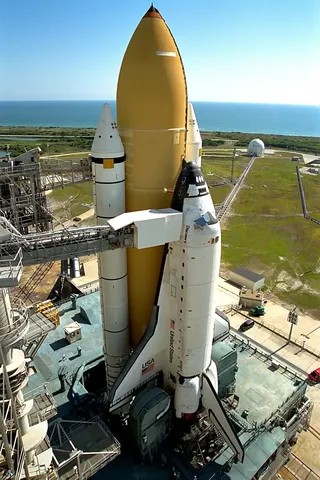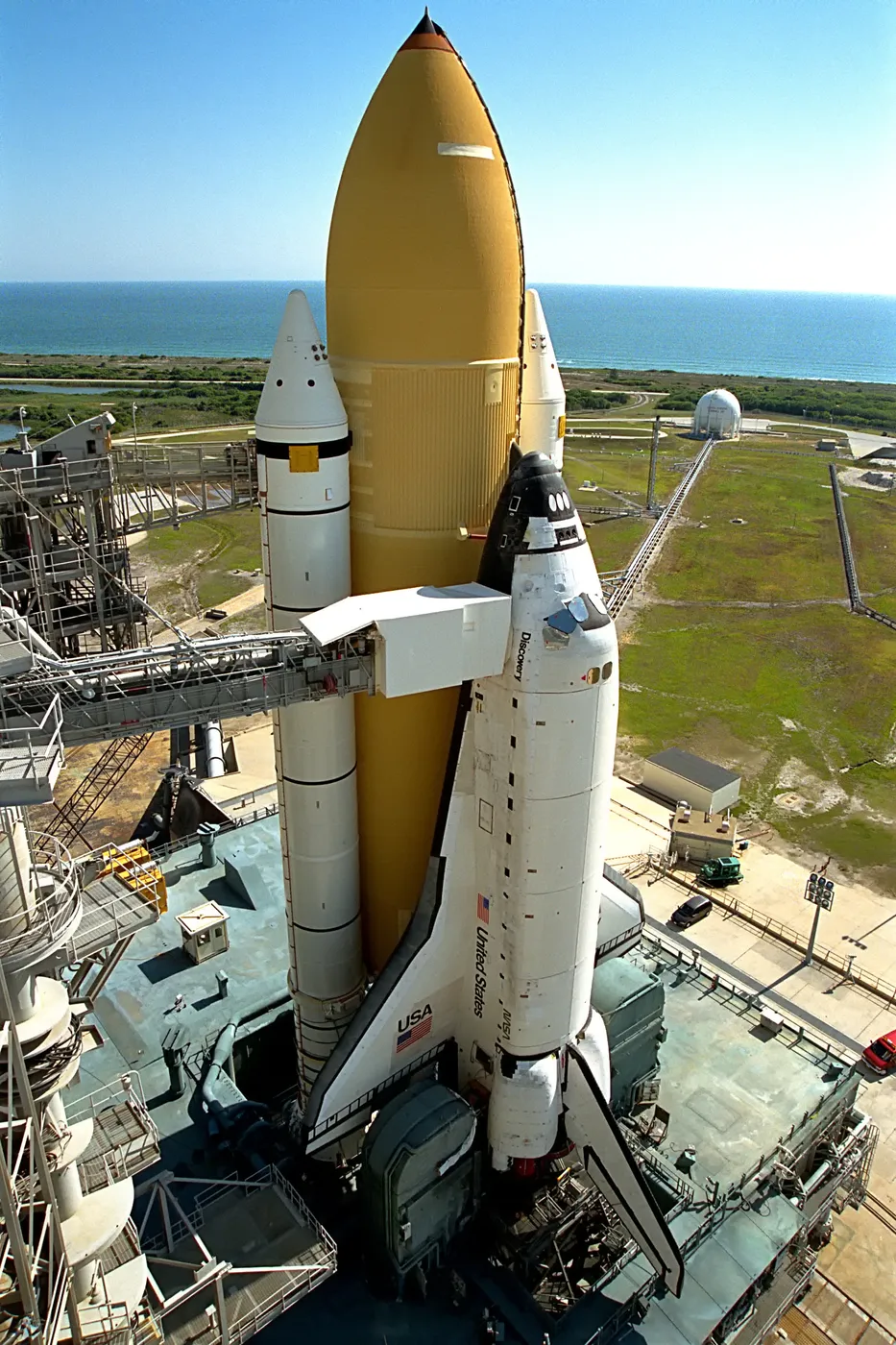
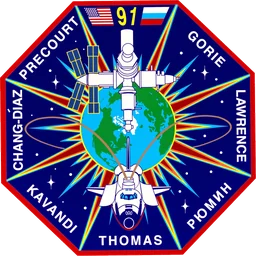
Discovery flew the ninth and final Shuttle-Mir docking in June 1998, closing the first phase of US-Russian cooperation in orbit. The mission brought home astronaut Andy Thomas, the last American resident of Mir, ending a continuous US presence aboard the Russian station that had run for more than two years and taught NASA how to conduct long-duration spaceflight.
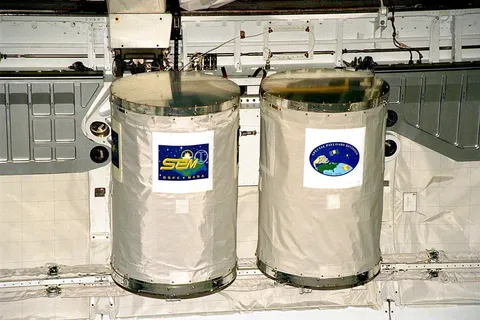
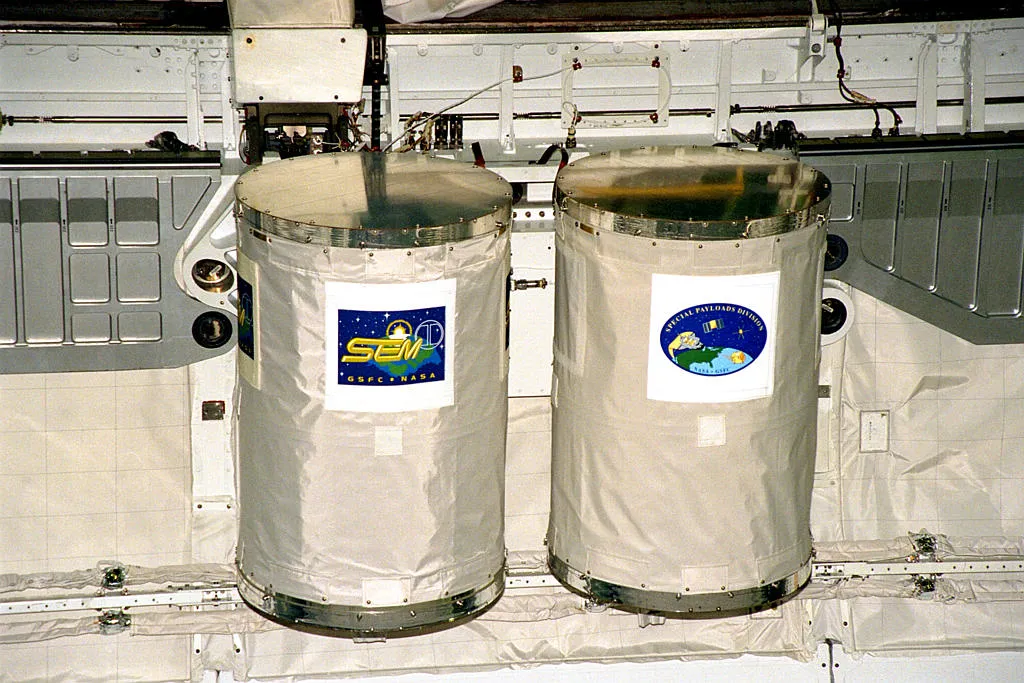
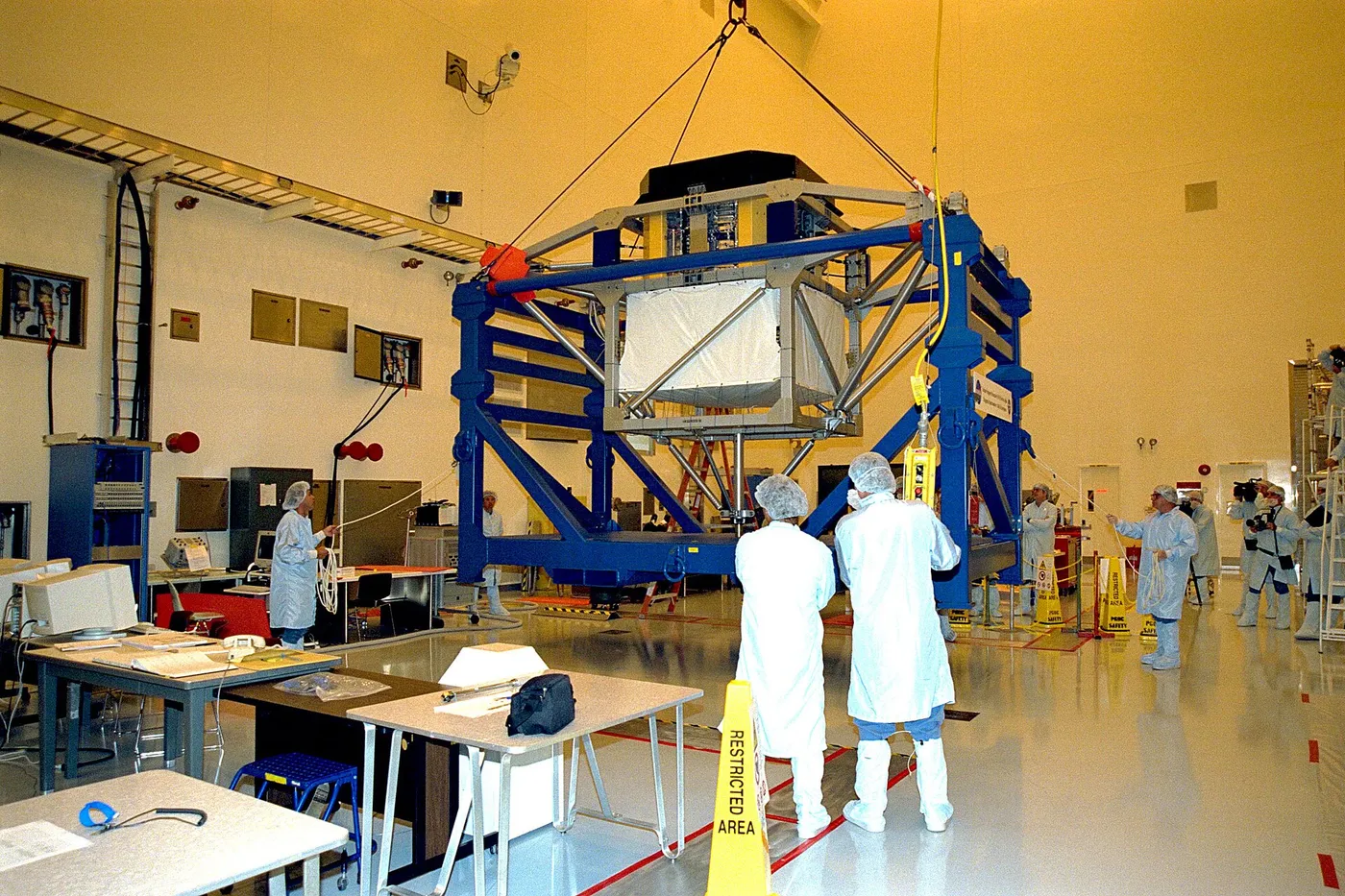
The crew also carried a prototype particle physics detector to gather cosmic-ray data, a forerunner of a far larger instrument that would later fly to the International Space Station. With the final undocking, the Shuttle-Mir era ended and attention turned fully to the new station, whose first components were just months from launch. The partnership rehearsed on Mir would now be put to work building something permanent.
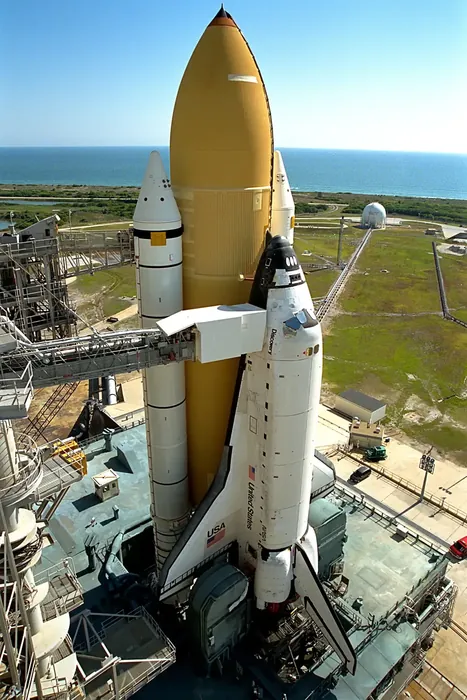
Discovery's flight in June 1998 closed a chapter. It was the ninth and final docking of an American orbiter with Mir, ending a programme that had put seven US astronauts aboard the Russian station for a cumulative two and a half years and taught NASA, sometimes painfully, how to operate away from home.
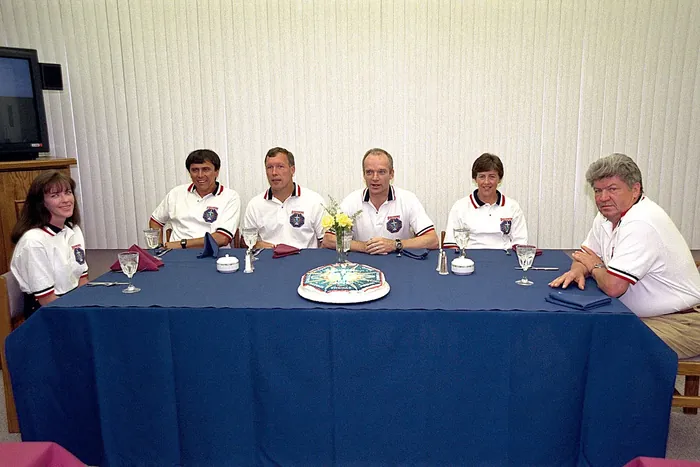
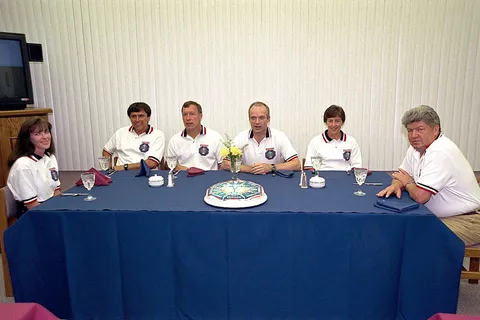
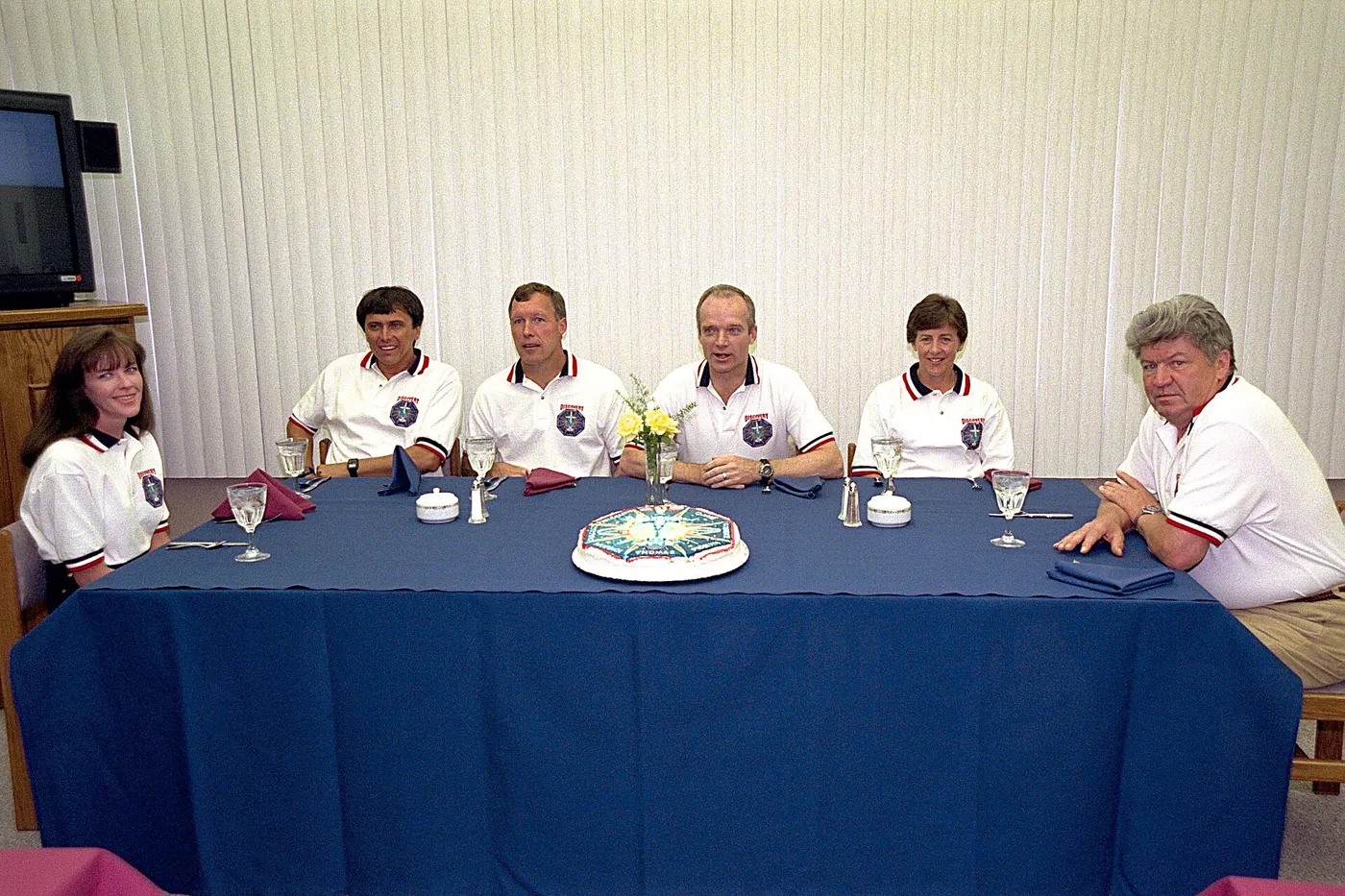
The crew brought back Andy Thomas, the last American resident, and with him the accumulated experience of an era: how to live in a module built to another country's philosophy, how to fix things with what is aboard, and how to be the junior partner on someone else's vehicle. Aboard Discovery for the trip up was Valery Ryumin, a veteran of Salyut who had not flown for eighteen years and had come to see the station he had helped conceive.
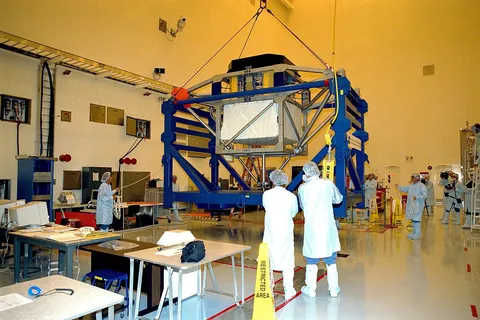
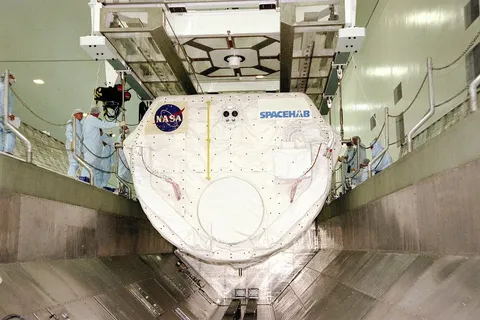
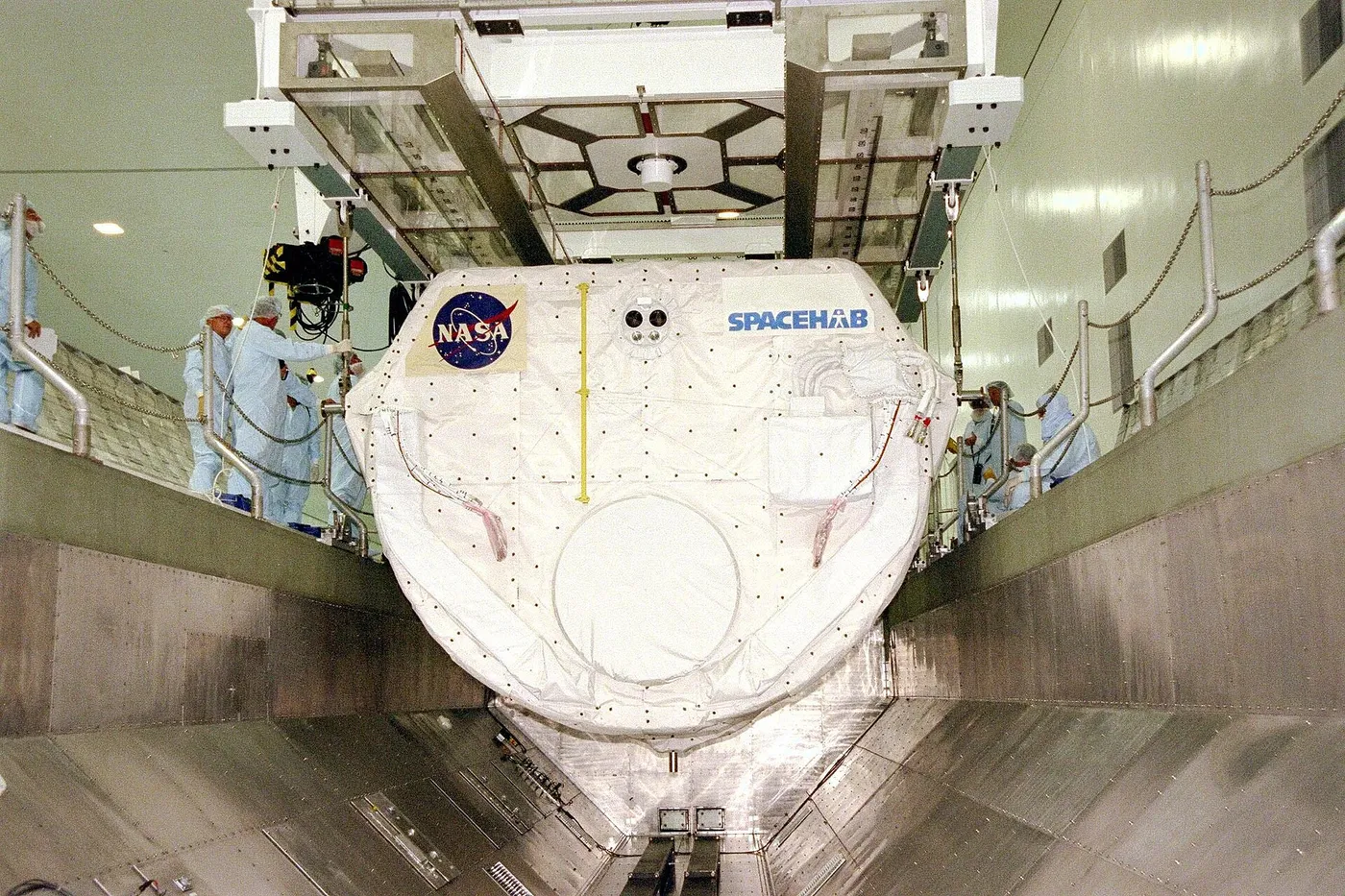
The payload bay carried something with a long future in it: a prototype of the Alpha Magnetic Spectrometer, the particle detector championed by the Nobel laureate Samuel Ting to hunt for antimatter and dark matter in cosmic rays. The test article flew for ten days; its successor was installed on the International Space Station in 2011 and has been counting particles ever since.