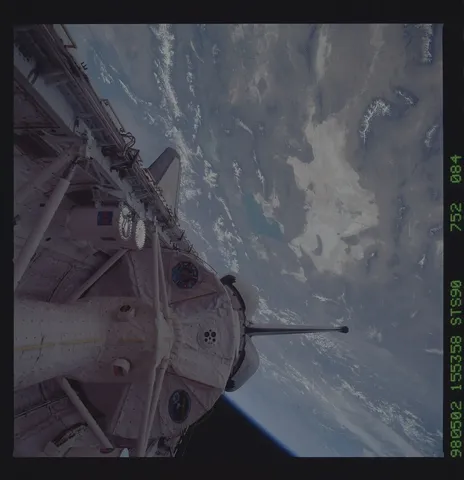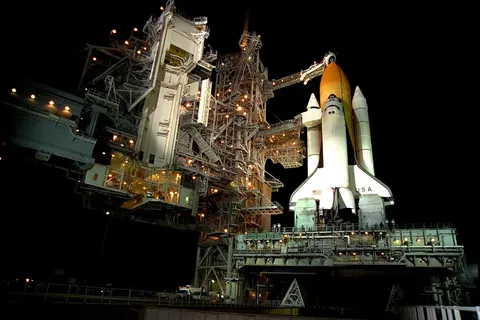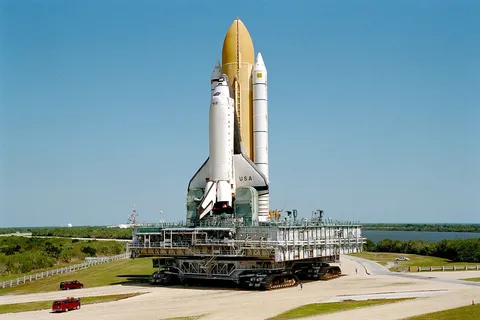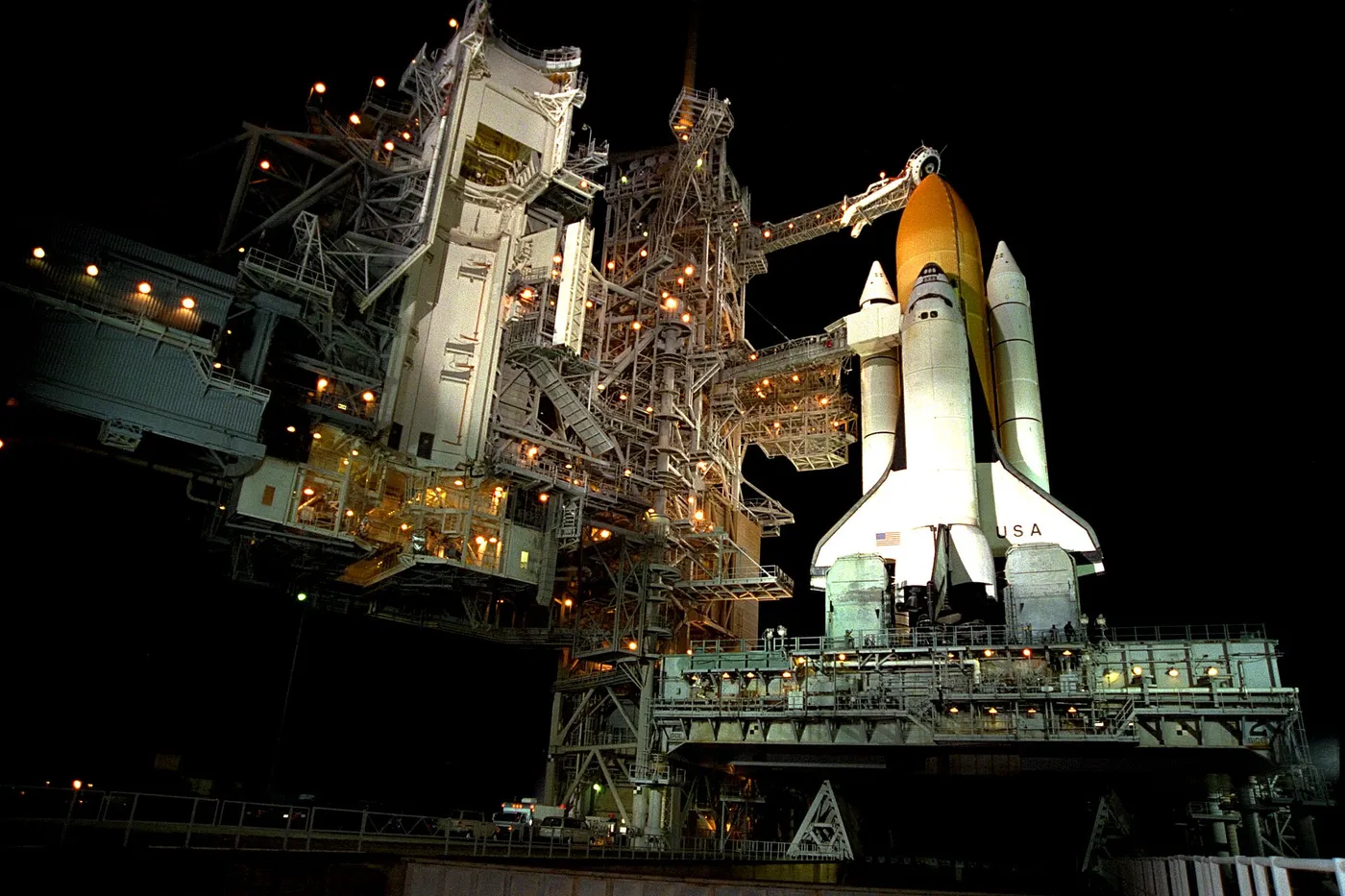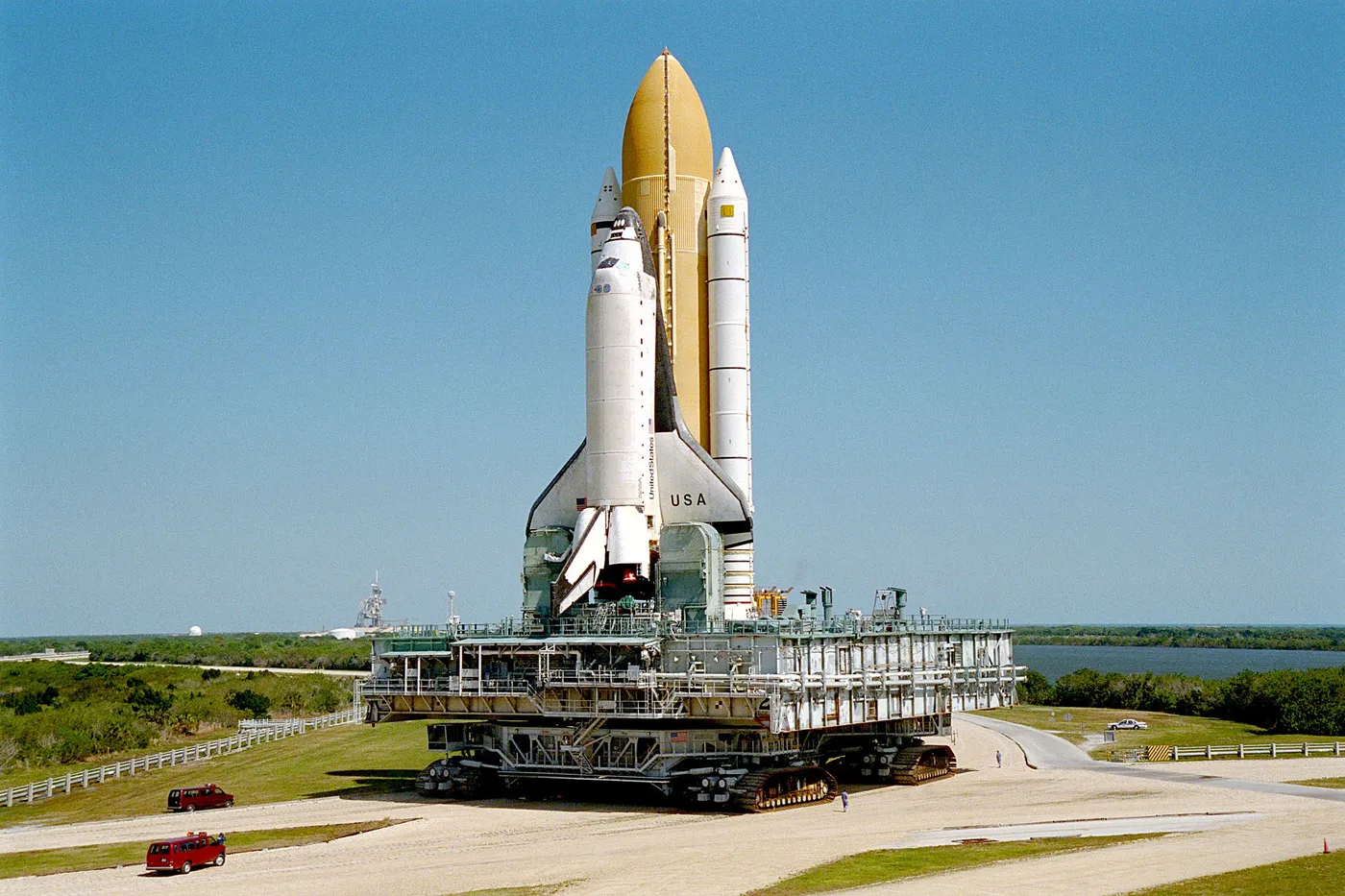
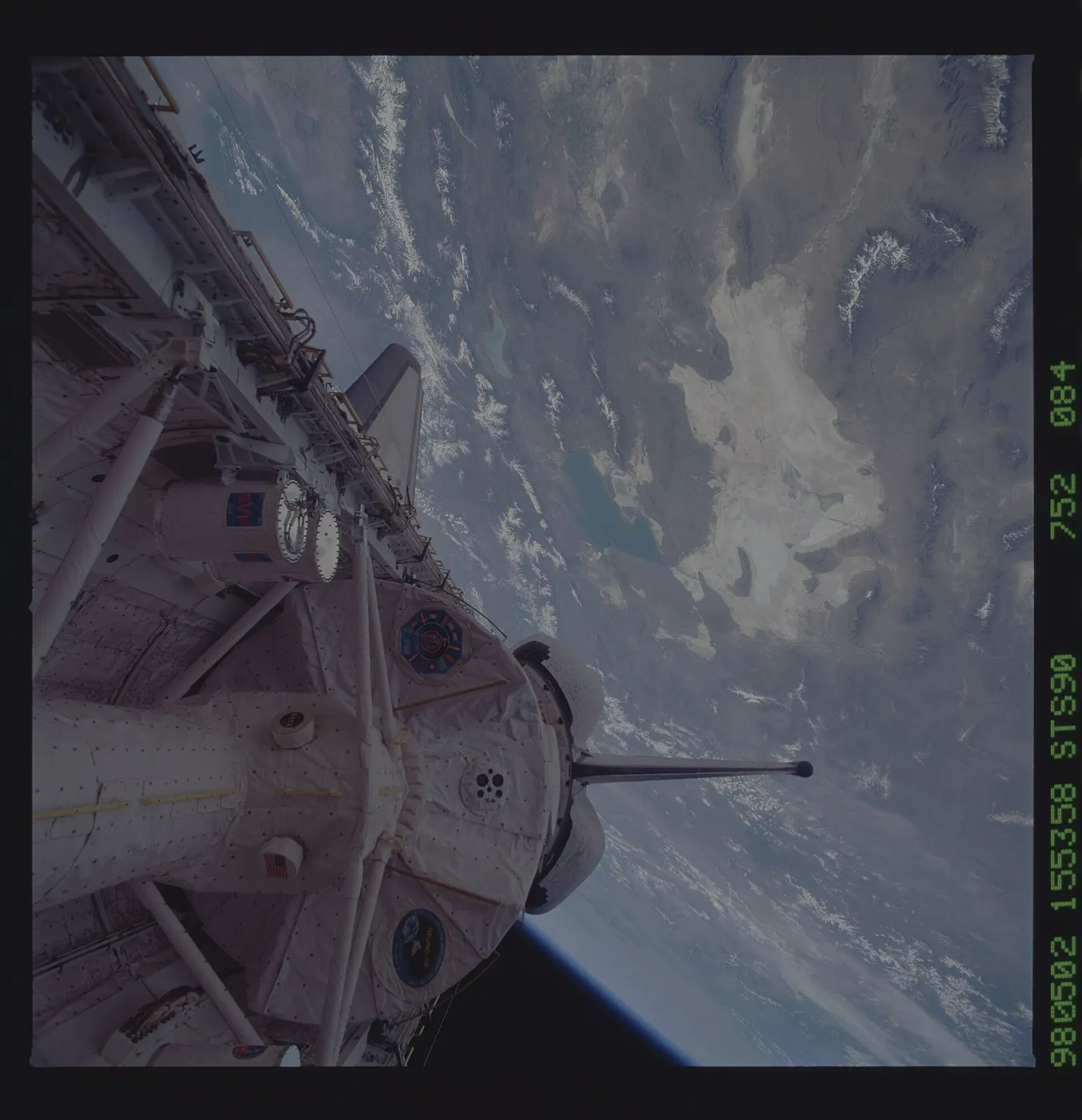
Columbia flew the Neurolab mission in April 1998, the final flight of the European-built Spacelab module and one of the most focused research missions the fleet ever flew. The crew of seven devoted more than two weeks to studying the nervous system — how the brain, balance organs and reflexes adapt when gravity, the sense we evolved around, suddenly vanishes.
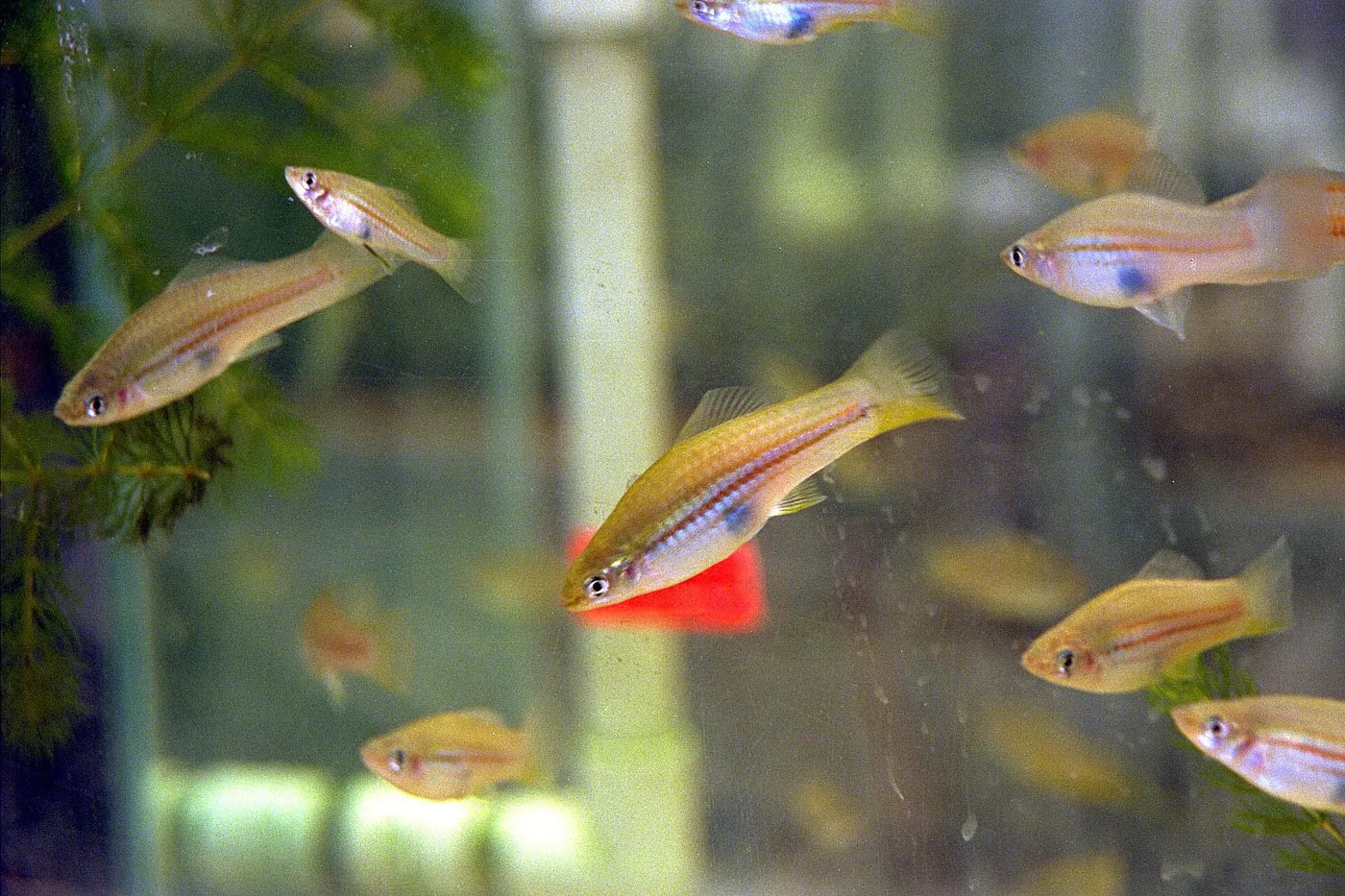
The astronauts served as subjects alongside an array of animal specimens, from rodents to fish, in experiments coordinated with neuroscientists worldwide during a period of intense public interest in brain research. Neurolab capped nearly two decades of Spacelab science, retiring the reusable laboratory that had turned the Shuttle into a research institute. Its findings on the nervous system fed directly into preparing humans for the long missions ahead.
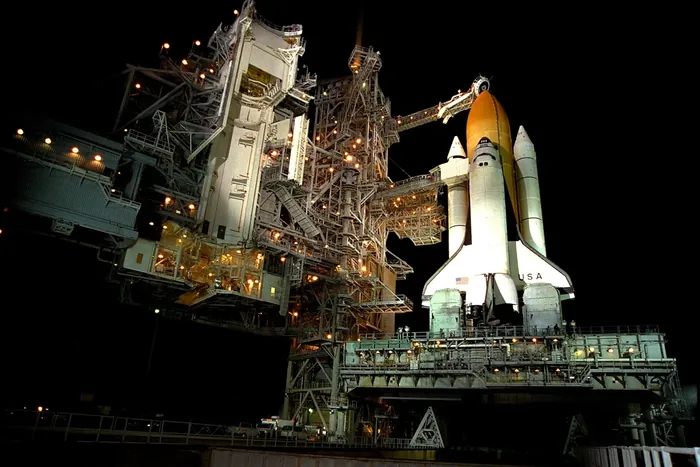
Neurolab was the last Spacelab flight, and the most specialised: sixteen days in April 1998 devoted entirely to the nervous system. It was run jointly with the National Institutes of Health, and much of the science came from researchers who had never worked with NASA before and were interested in weightlessness purely as an experimental tool.
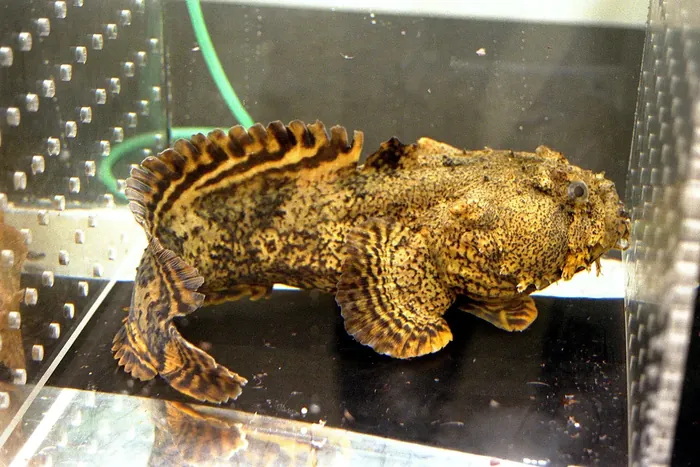
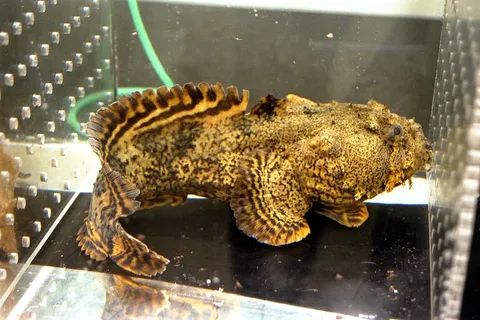
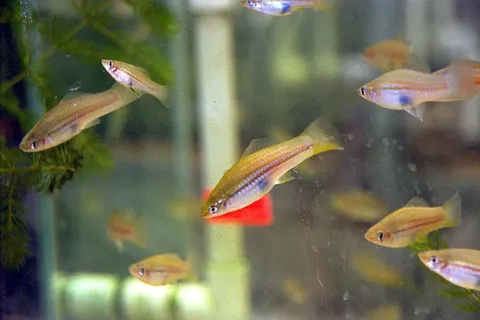
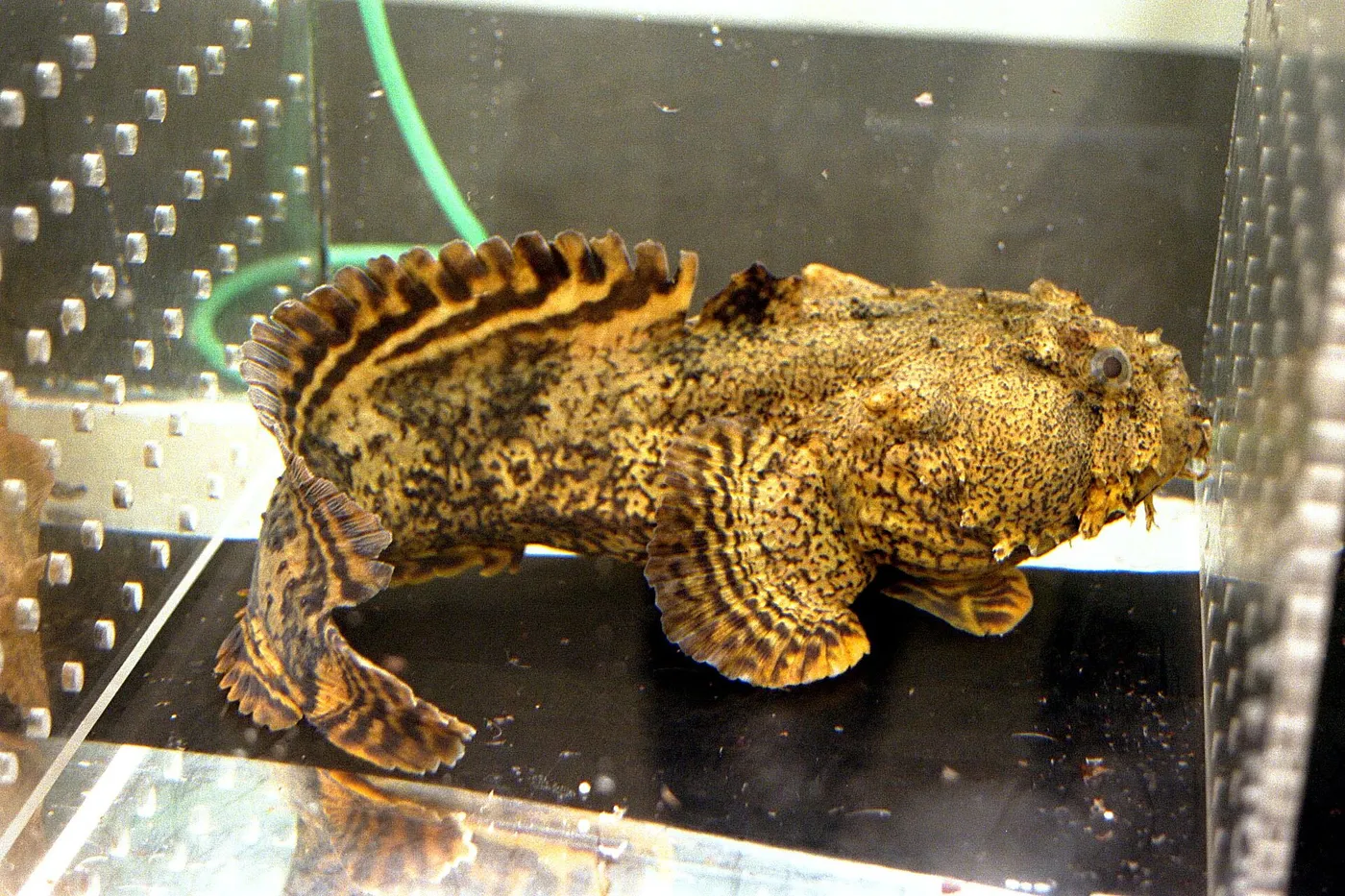
The subjects ranged from the crew themselves to rats, mice, crickets, snails and toadfish, chosen because each isolates a different piece of how brains work out which way is up. Removing gravity removes a signal the nervous system has relied on for the whole of evolutionary history, and watching what develops in its absence — particularly in young animals — reveals how much of balance and spatial sense is wired in rather than learned.
The findings reached well beyond spaceflight, into the understanding of balance disorders, sleep regulation and the development of the inner ear. When Columbia landed, the Spacelab modules that had flown since 1983 were retired to museums, their role inherited by a station that would offer not sixteen days of research but decades.