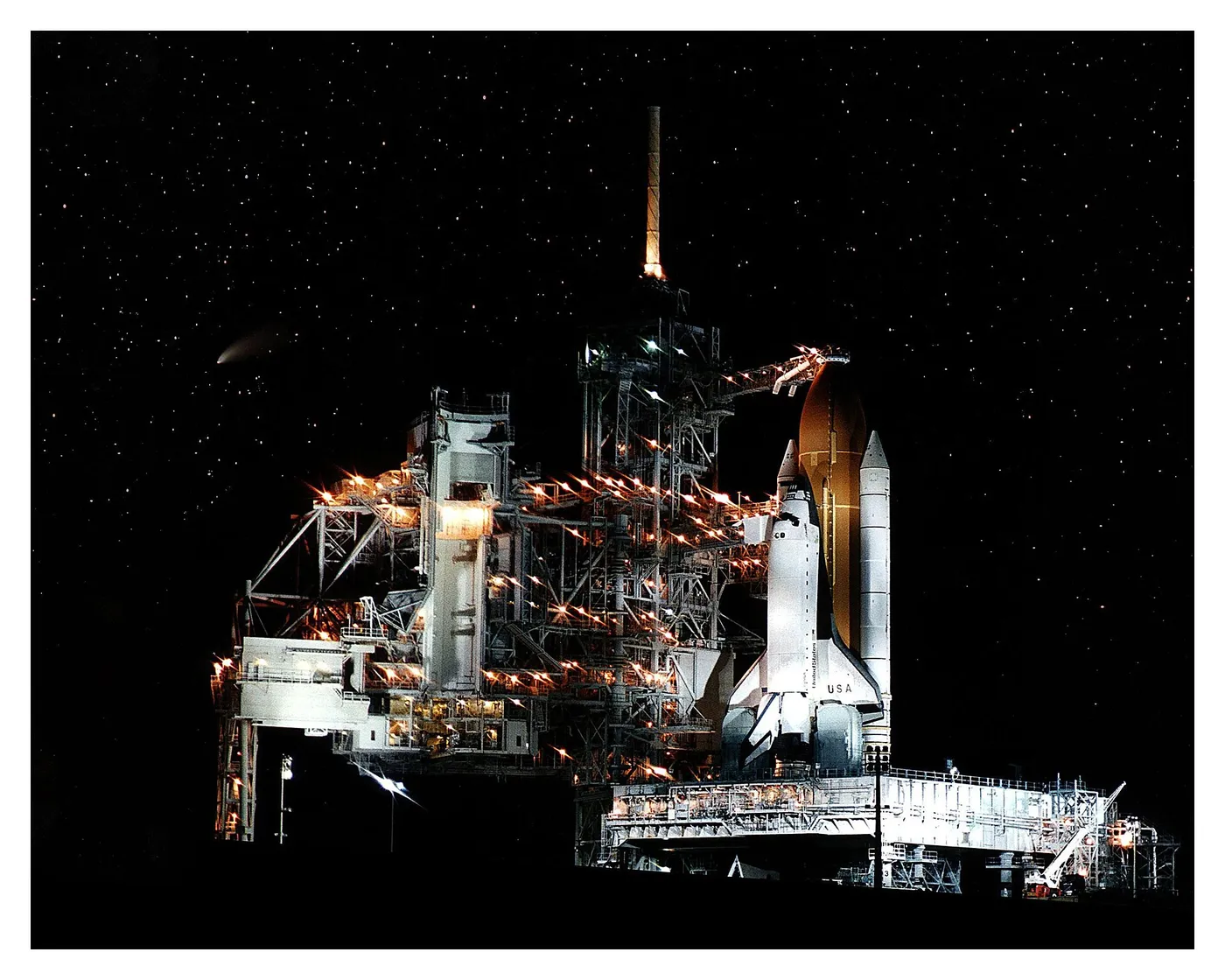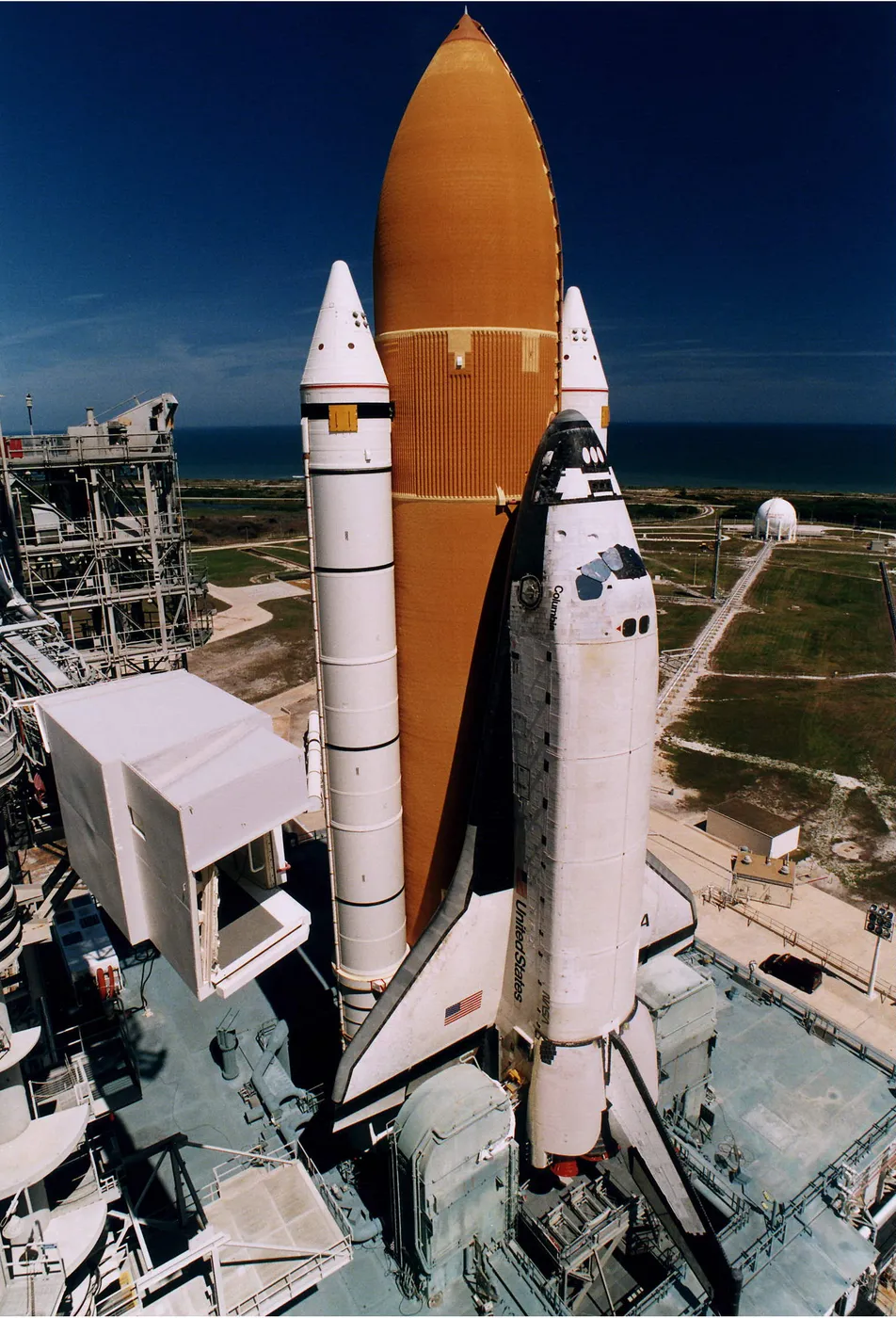
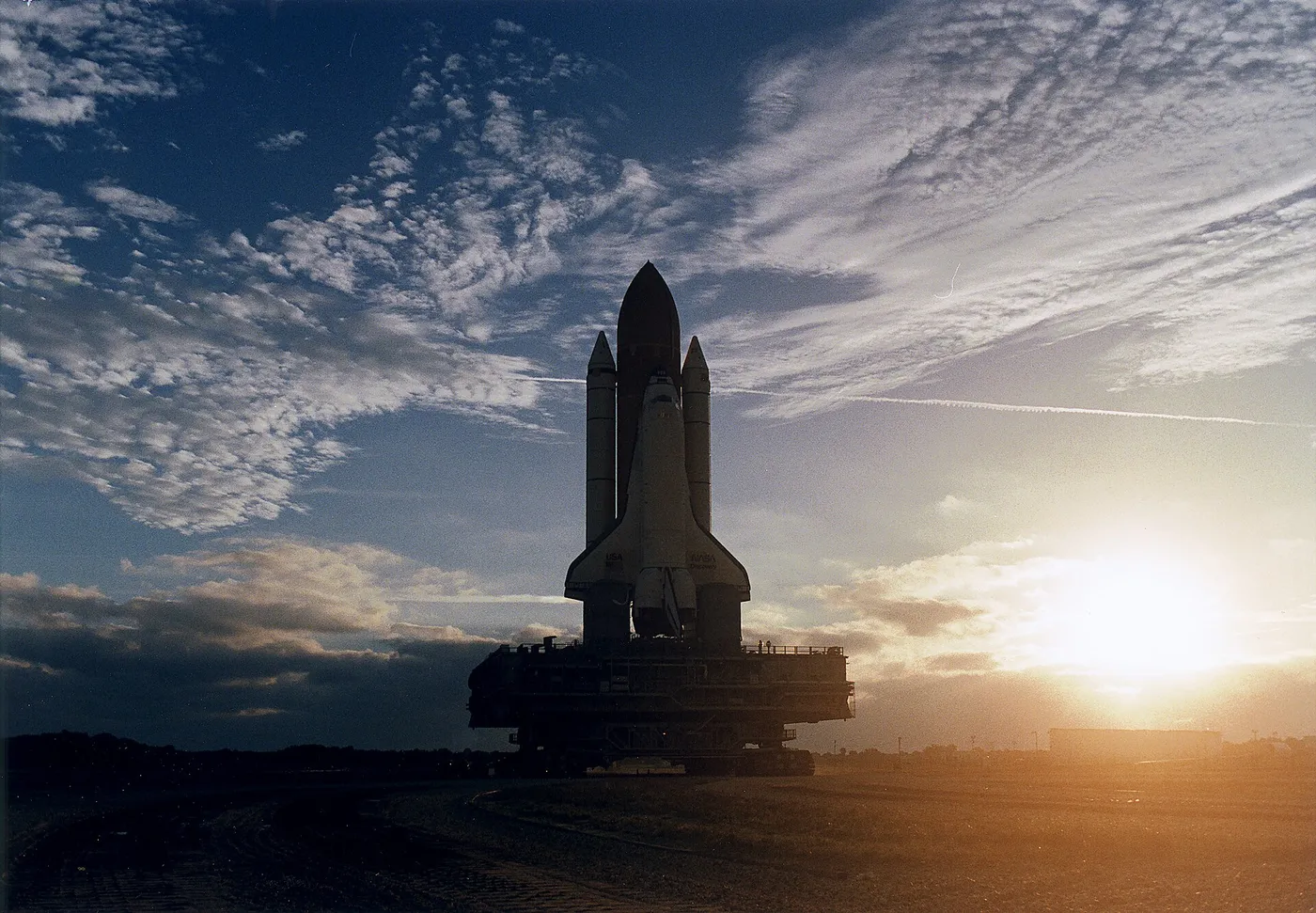

Columbia's April 1997 flight carrying the first Microgravity Science Laboratory was cut short by a hardware fault, one of the few Shuttle missions ended early for a technical reason. Days into a planned two-week research flight, one of the orbiter's three electricity-generating fuel cells showed signs of trouble, and mission rules left no choice but to bring the crew home after less than four days.
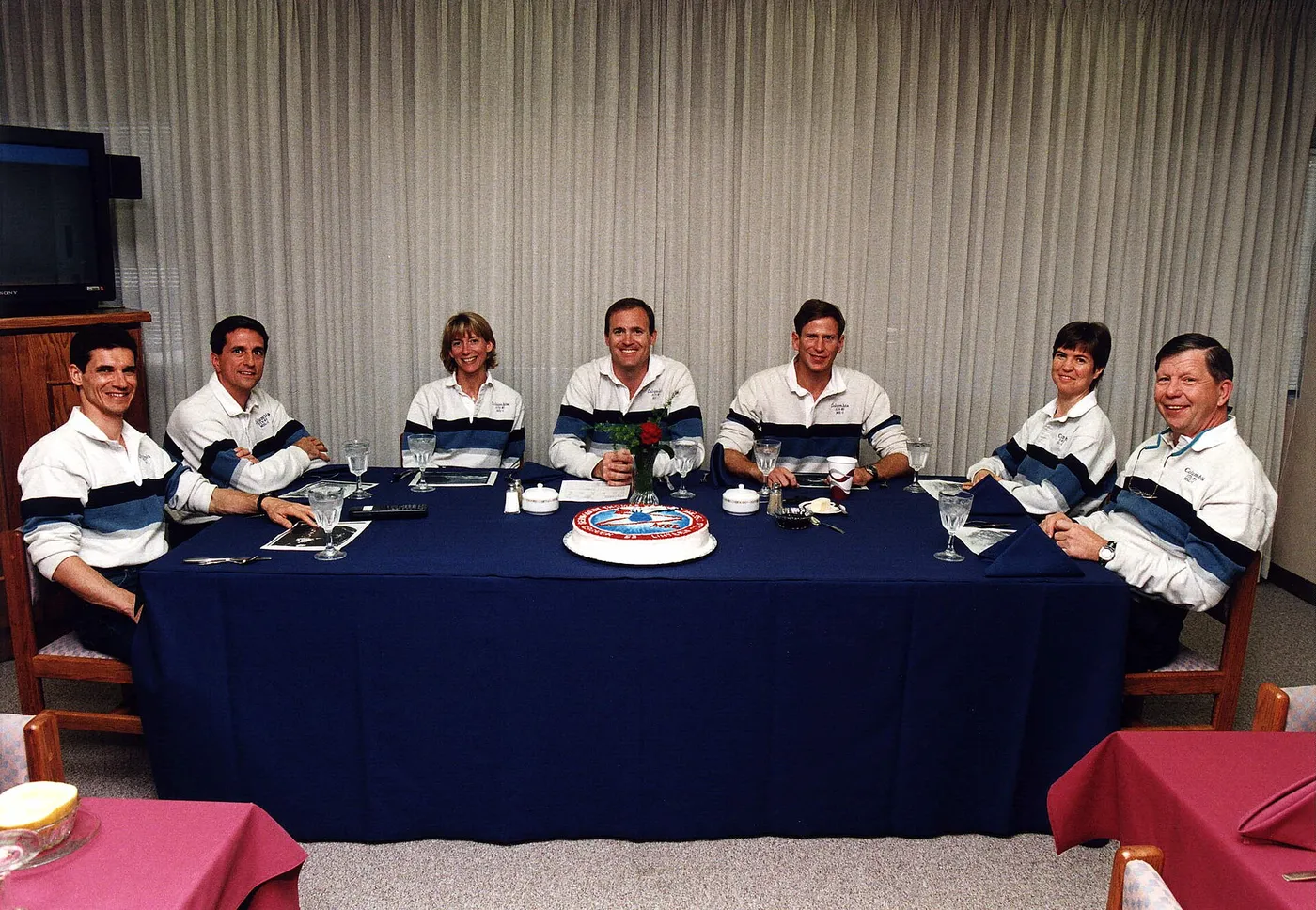
The crew of seven had barely begun their program of materials and combustion experiments when the abort call came. Rather than lose the science, NASA made an unusual decision: it would refly the same orbiter, the same crew and the same payload just a few months later. STS-83 thus became a frustrating false start whose story would be completed by its own reflight that summer.

This was the mission that got sent home early. Columbia launched in April 1997 carrying the Microgravity Science Laboratory, a Spacelab module packed with combustion and materials experiments and a crew of seven expecting sixteen days of work.
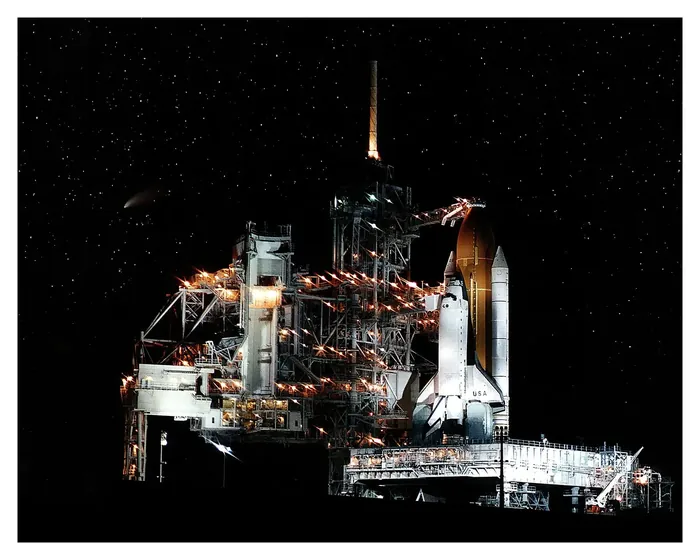
Three days in, one of the orbiter's three fuel cells — the devices that make both electricity and drinking water by combining hydrogen and oxygen — began showing a rising voltage differential inside one of its stacks. The flight rules were unambiguous, and they existed because a fuel cell failure can escalate into something far worse. Managers ordered the mission ended, and Columbia was on the ground after less than four days.
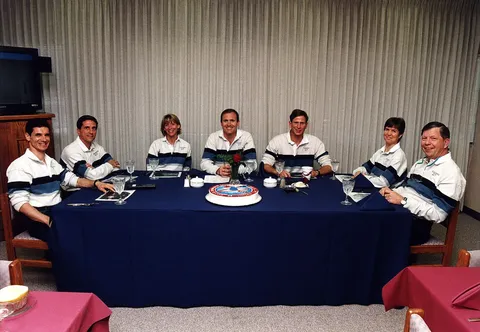
The crew had trained for two years and flown for three of them. What happened next was unprecedented: rather than write off the payload, NASA decided to fly the whole mission again — same orbiter, same experiments, and every one of the same seven astronauts — just twelve weeks later. Nothing like it had been done before or has been since.