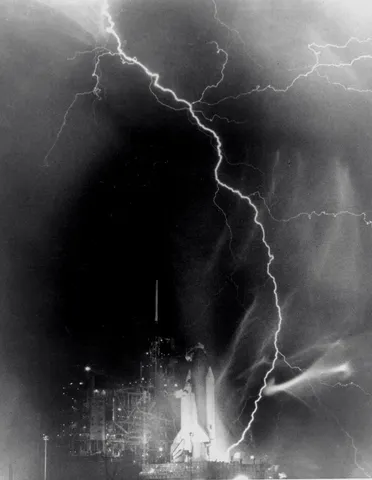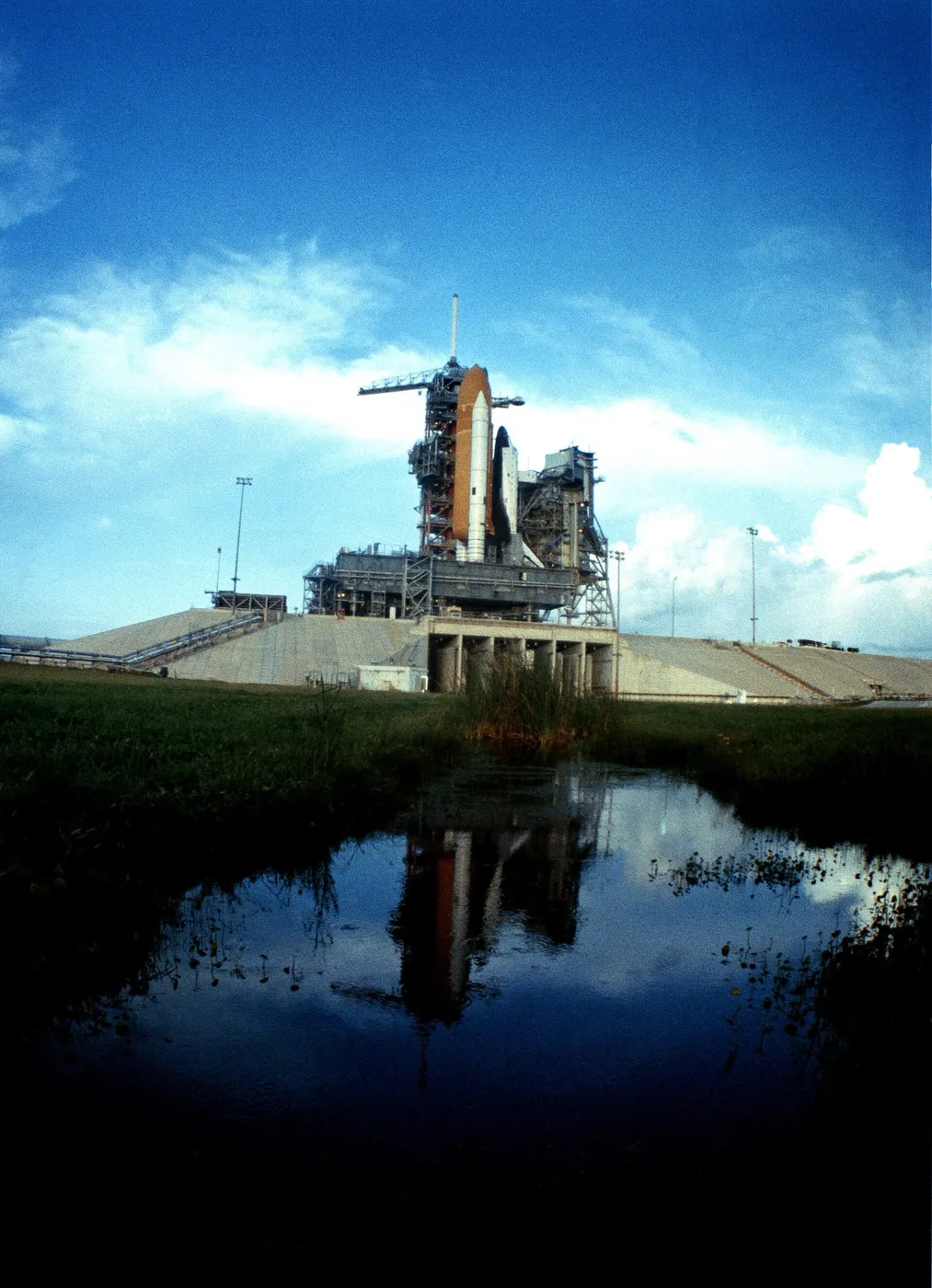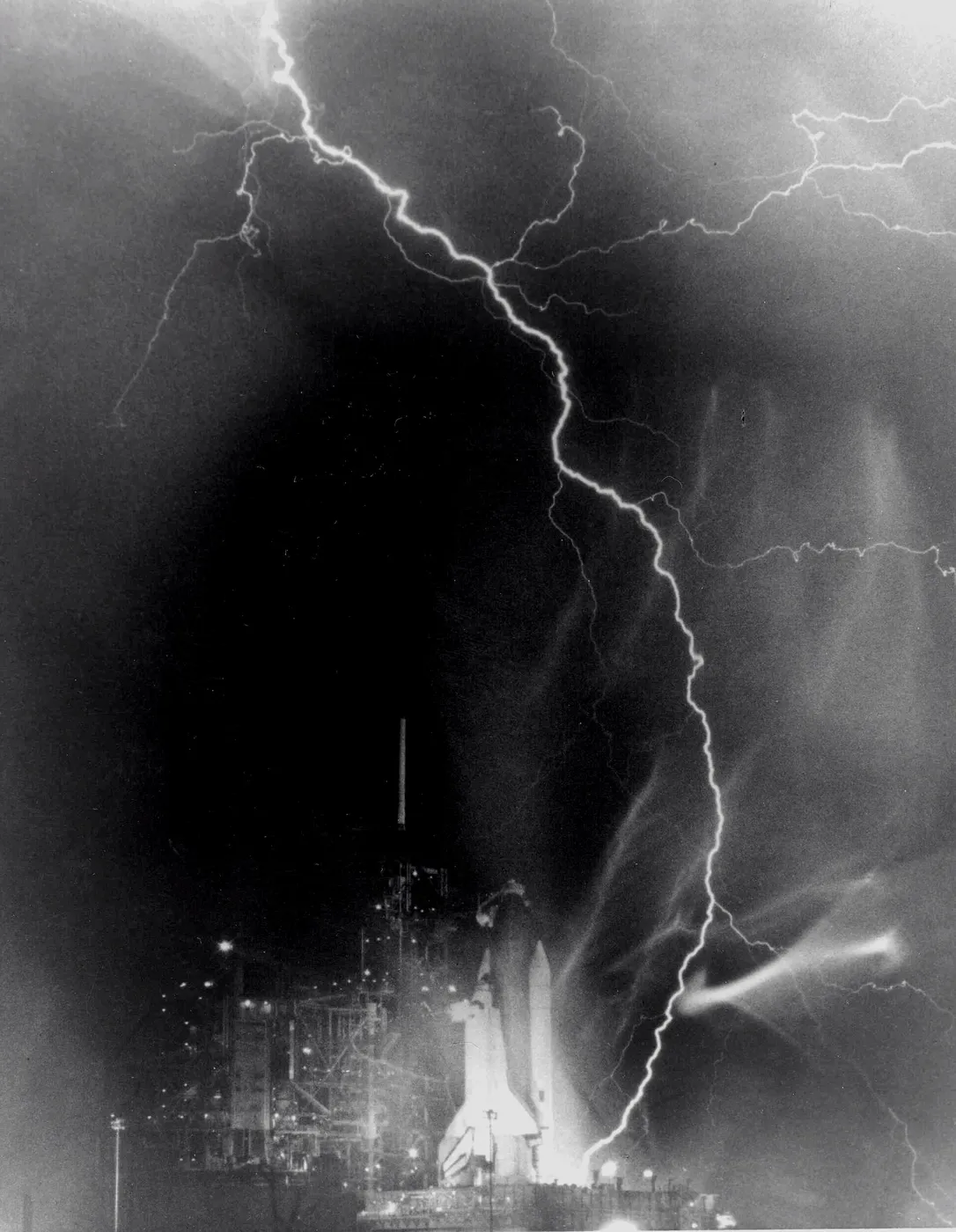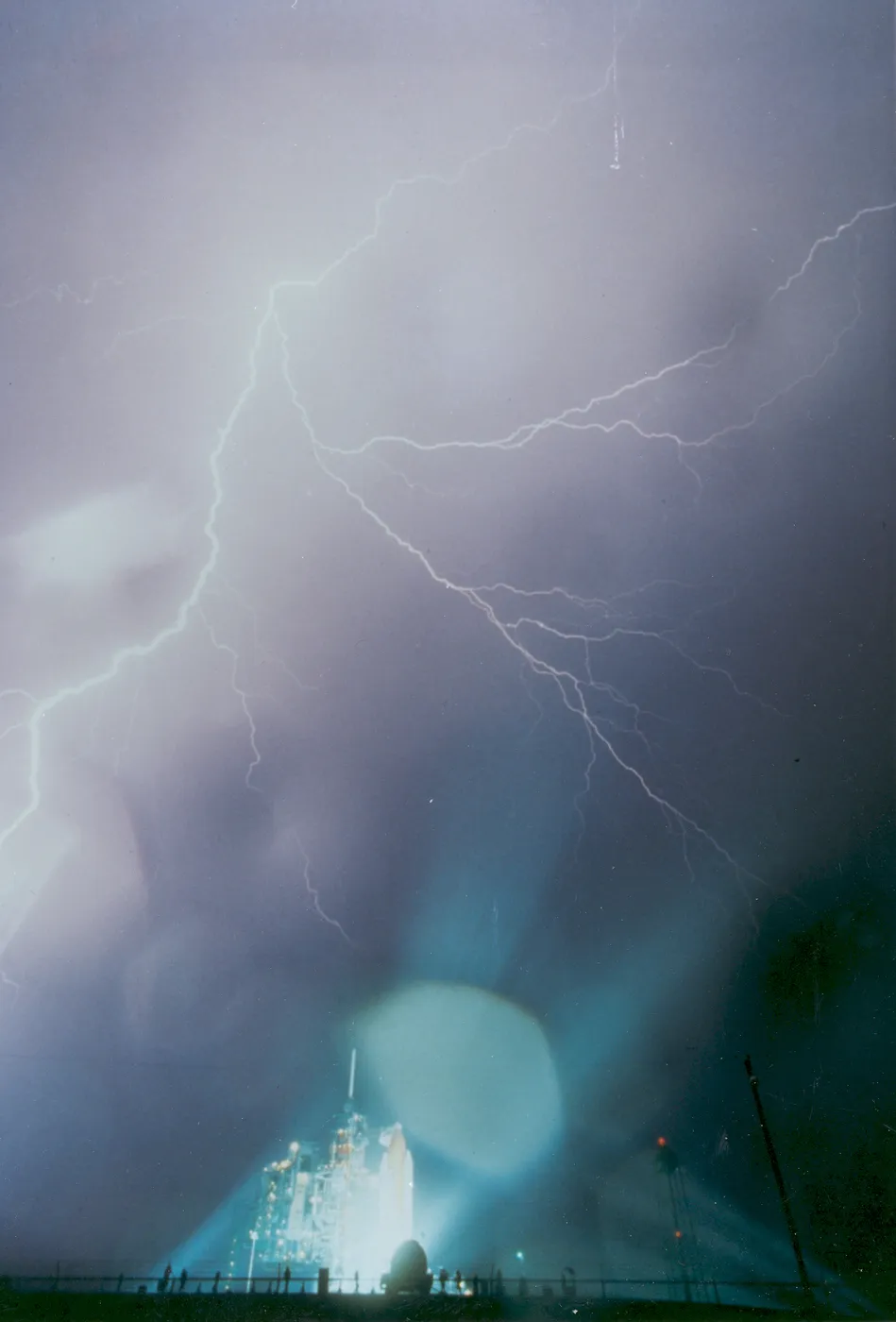


When Challenger thundered off the pad in the small hours of 30 August 1983, it made two kinds of history at once: the programme's first night launch, and the first spaceflight by an African American, Air Force pilot Guion Bluford. The darkness was a technical requirement of the mission's satellite deployment, but the sight of the Shuttle turning night into day over Florida became one of the era's defining images.
Over six days the crew deployed India's Insat-1B communications and weather satellite and ran a battery of engineering tests, including flying a heavy dummy payload on the robotic arm. Challenger came home to another first, a night landing on the floodlit lakebed at Edwards, closing a flight that stretched the fleet's operations around the clock.
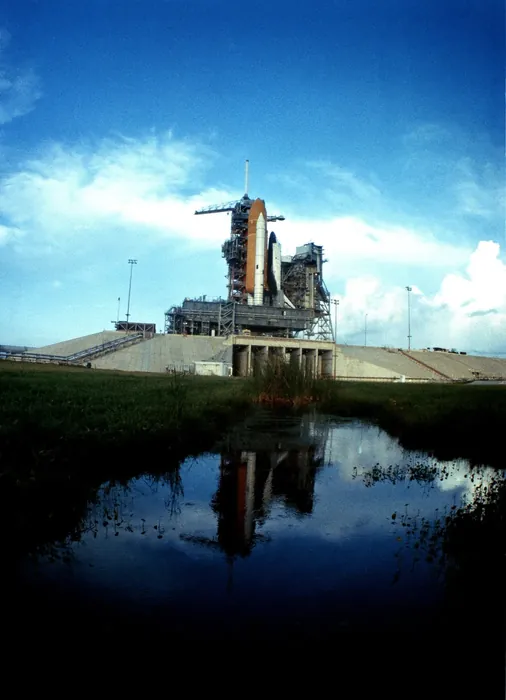
Guion Bluford became the first African-American to reach space on this flight, and he was characteristically unwilling to make a speech about it. He was an aerospace engineer with a doctorate and a Vietnam record of 144 combat missions, and what he wanted, he said, was to be remembered as an astronaut who did good work — while knowing perfectly well what his presence meant to people watching who had never seen themselves in a flight suit.
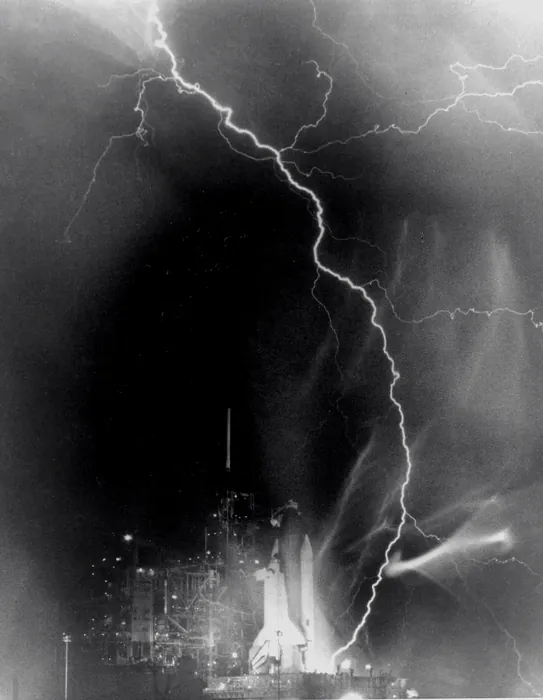
The mission was also the programme's first launch in darkness and first landing in darkness, chosen so that the crew could deploy India's INSAT-1B communications satellite into the right orbit. Night launches turned out to be the most spectacular sight the Shuttle ever offered: the solid boosters lit the Atlantic coast like a false dawn, visible for hundreds of kilometres.
Aboard too were a test package to check the new tracking satellite relay, and — in one of the era's odder cargo manifests — several dozen rats and a payload of postal covers. Bluford went on to fly four times in all. Ronald McNair followed him into orbit five months later, and would be lost aboard Challenger two years after that.