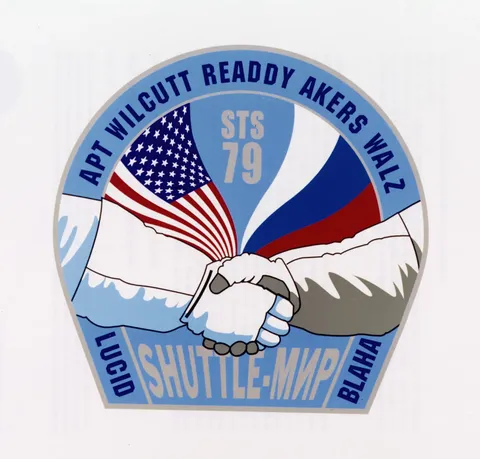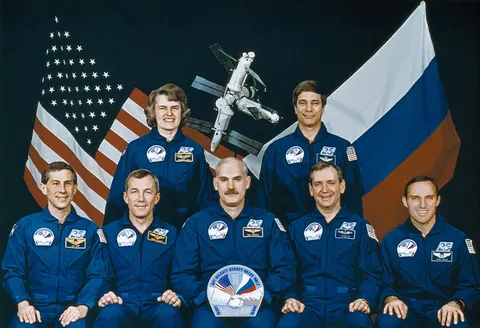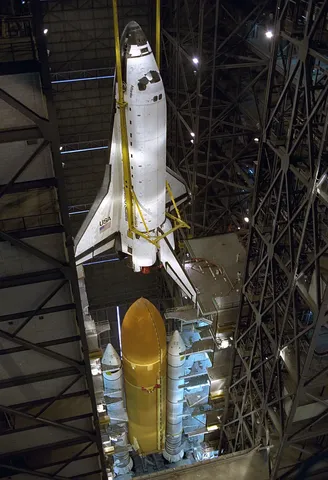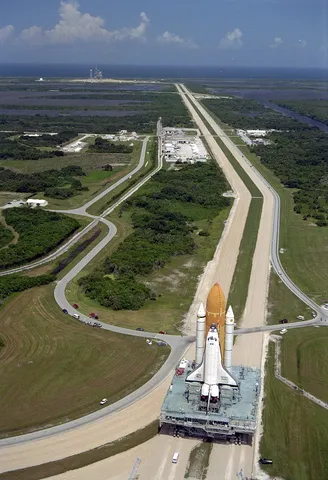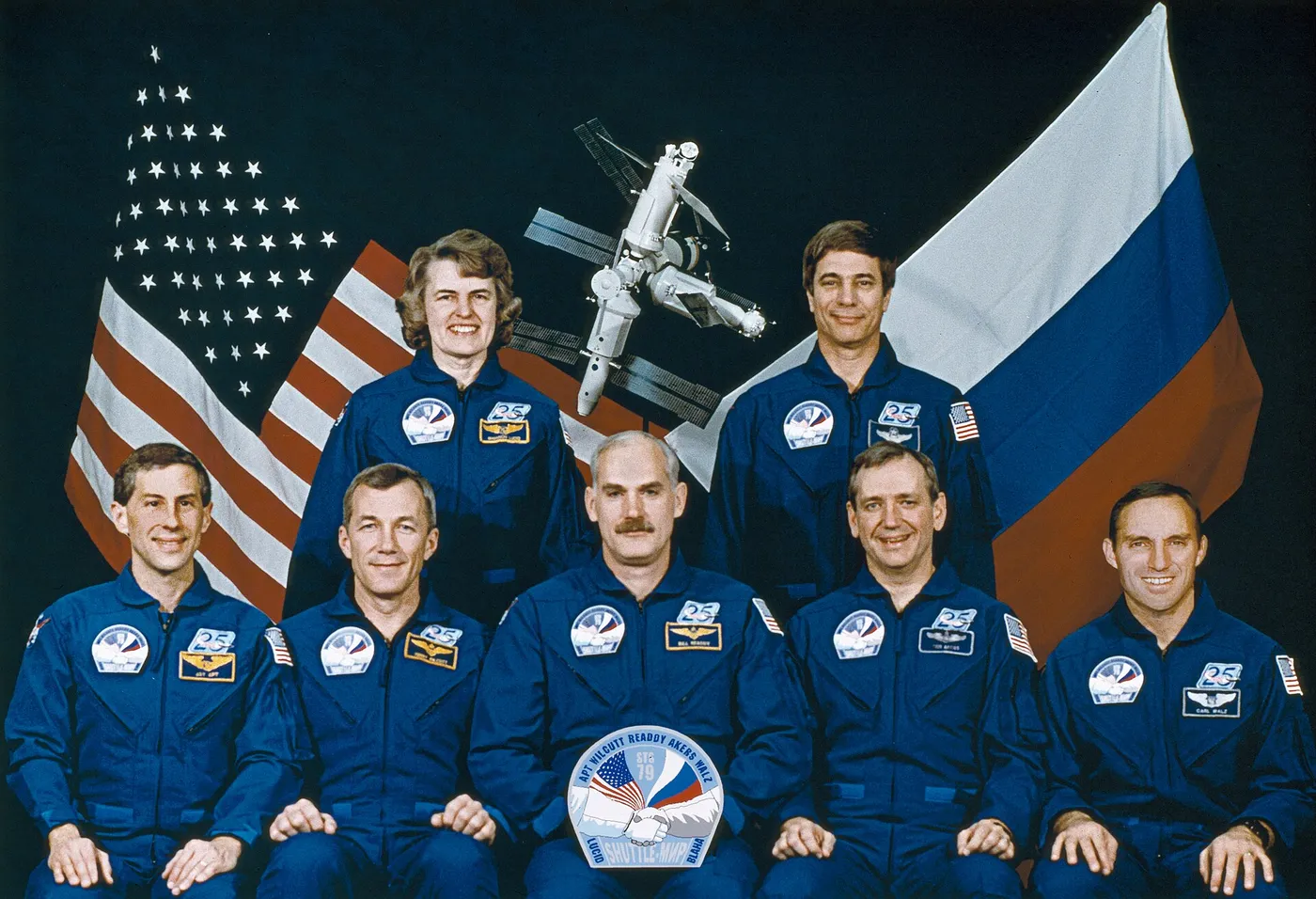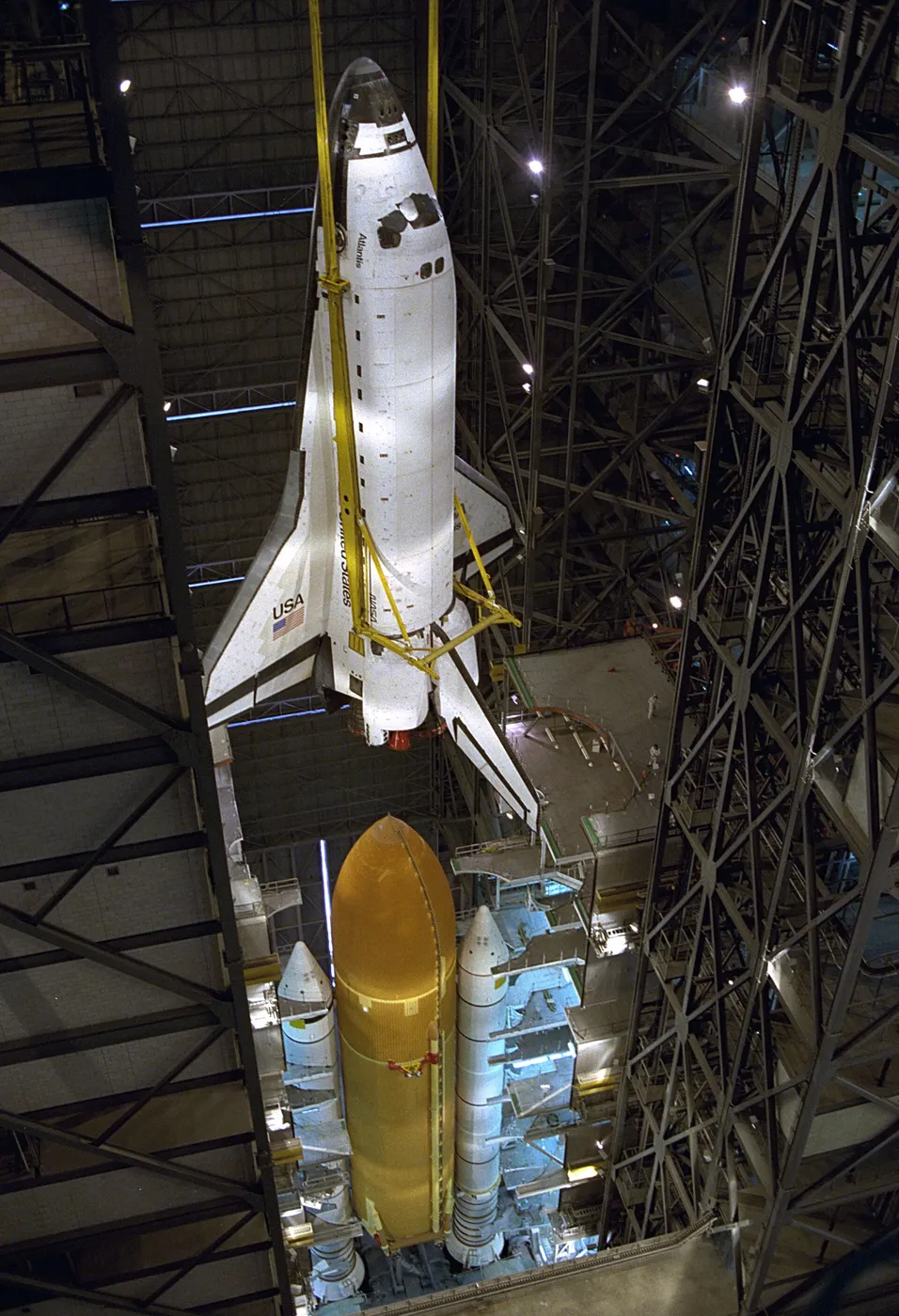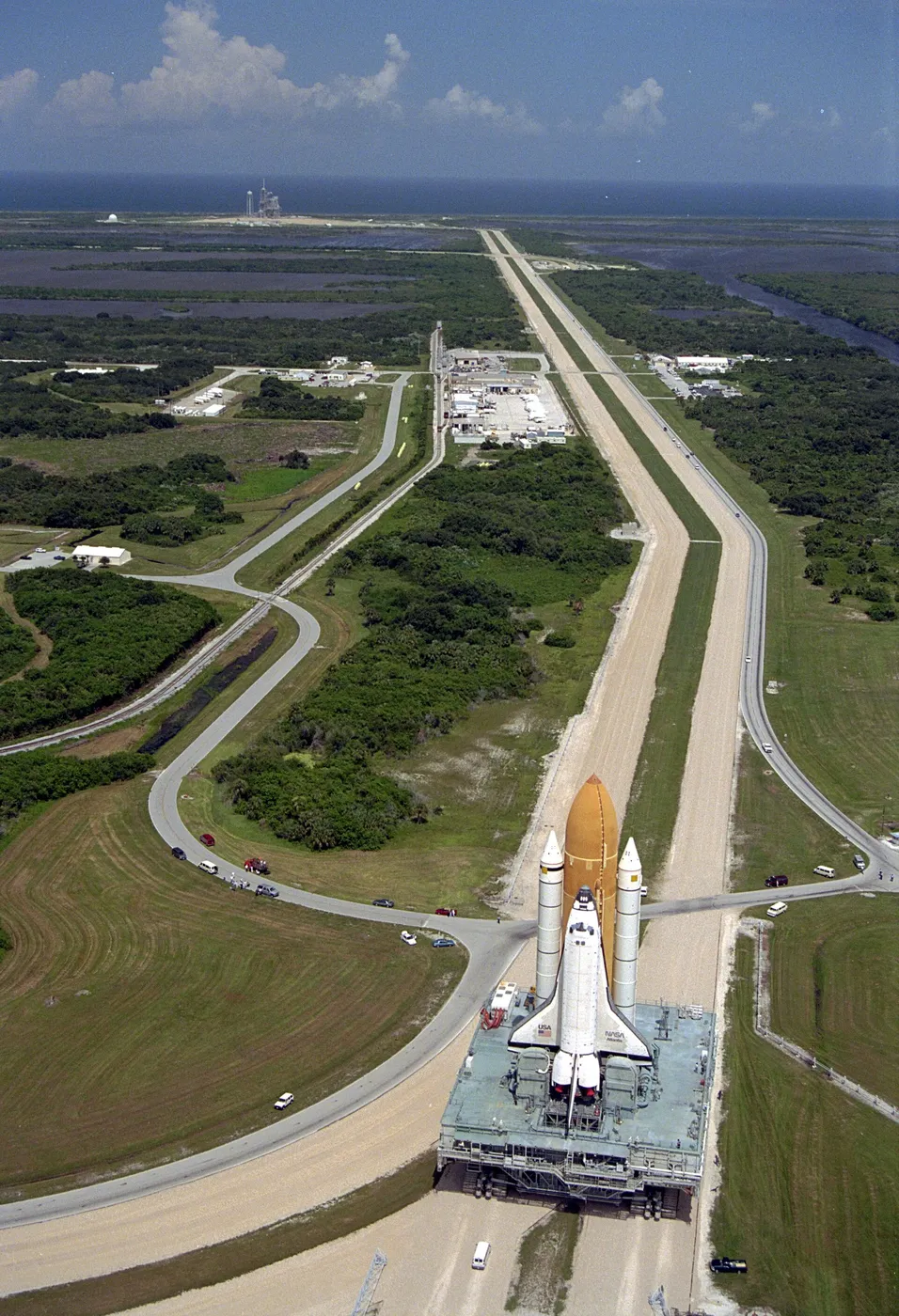
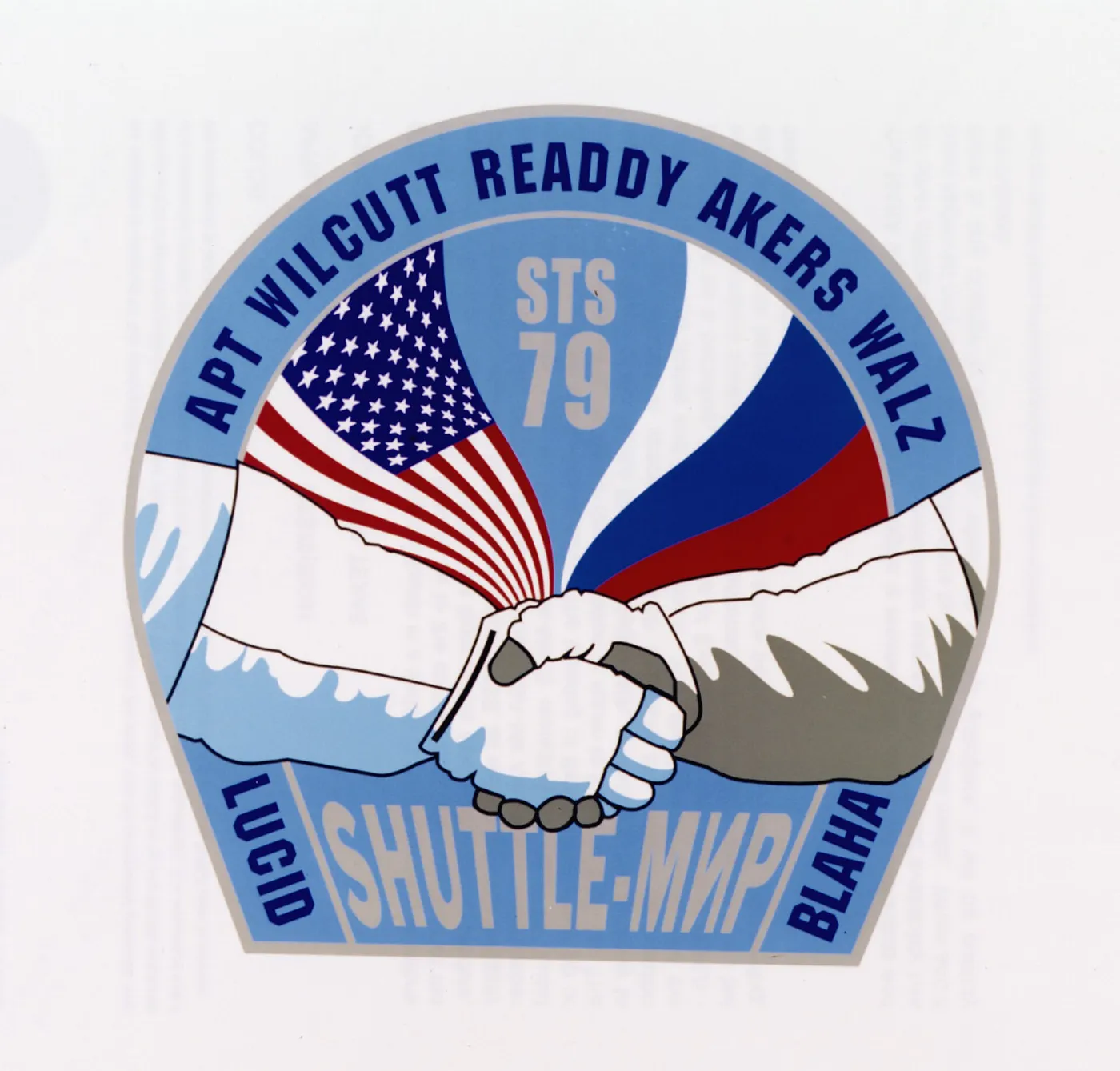
Atlantis flew the fourth Shuttle-Mir docking in September 1996, carrying out the programme's first exchange of a long-duration American crew member aboard the Russian station. The crew delivered astronaut John Blaha to Mir and brought home Shannon Lucid, whose stay of more than six months had set a US endurance record and taught NASA hard lessons about sustaining people in orbit.
The mission ferried tons of water, supplies and experiments between the two spacecraft, deepening the logistics of joint operations. As the exchanges became routine, the Shuttle was proving itself an indispensable supply ship as well as a research platform — a role it would reprise on a far larger scale once the International Space Station began its own long chain of resident crews.

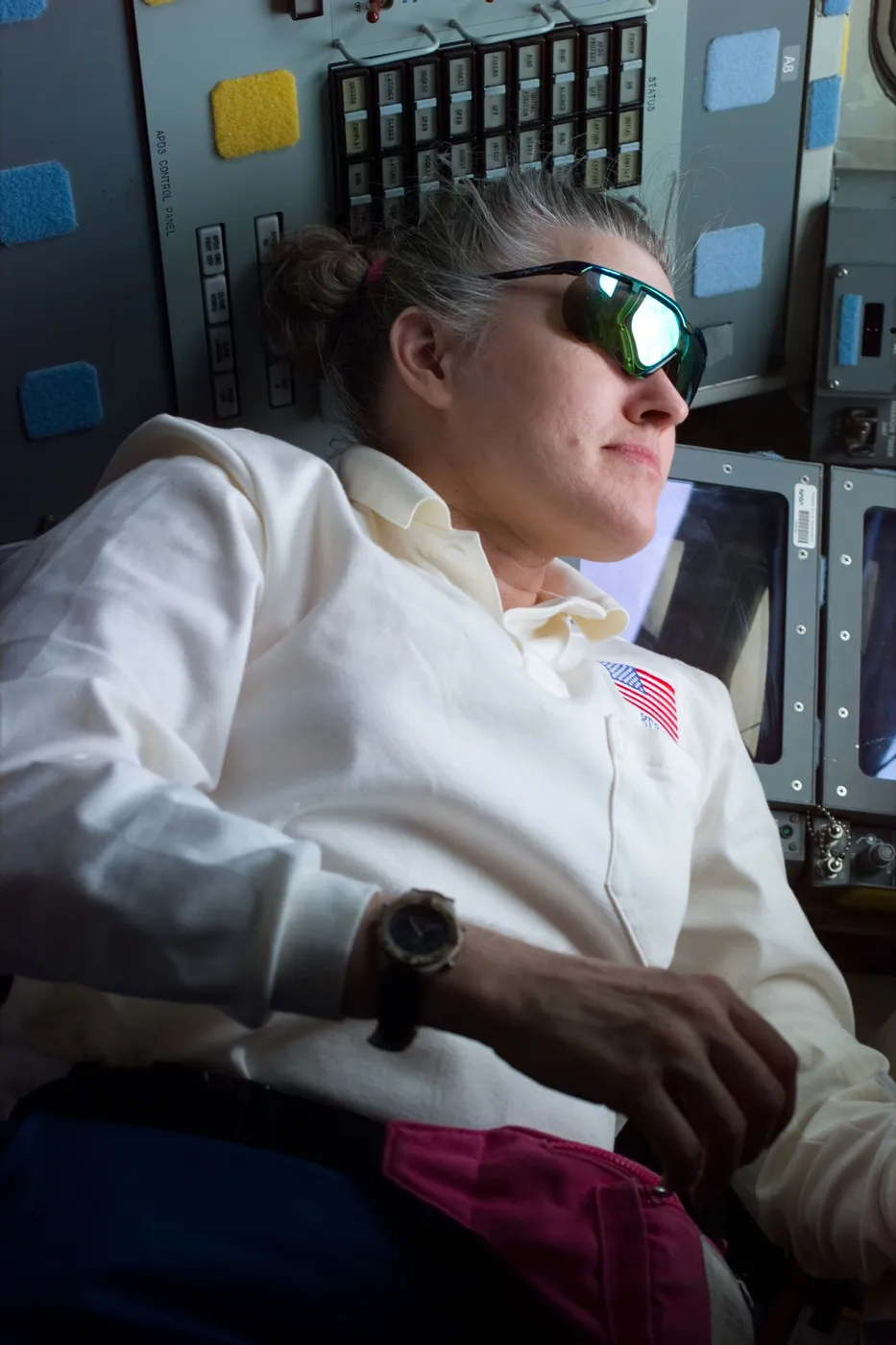
Atlantis went up in September 1996 to bring Shannon Lucid home. She had gone to Mir in March expecting to stay four and a half months and had ended up staying six, held over by booster problems and then by a hurricane that pushed the Shuttle off its pad — an extension announced to her, in orbit, with no say in the matter.
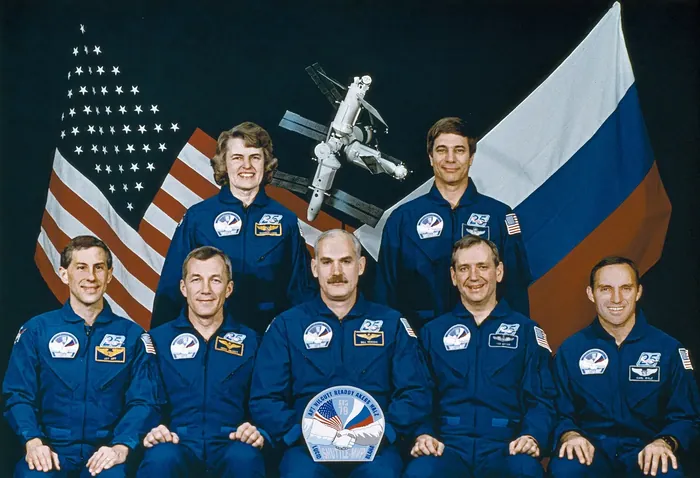
Her response became the model of how to handle it. She asked for books and for M&Ms, kept working, and never once complained on an open loop. She came home with 188 days aboard, the longest any American had spent in space and, at the time, the longest of any woman in the world, and President Clinton awarded her the Congressional Space Medal of Honor — the first woman to receive it.
The flight also delivered John Blaha to replace her, and carried up several tonnes of water, food and equipment in a double Spacehab module — the mundane logistics that turned out to be the most transferable skill of the whole partnership. Learning to resupply somebody else's station, in someone else's language, on a schedule set by two bureaucracies, was precisely the rehearsal the ISS would require.