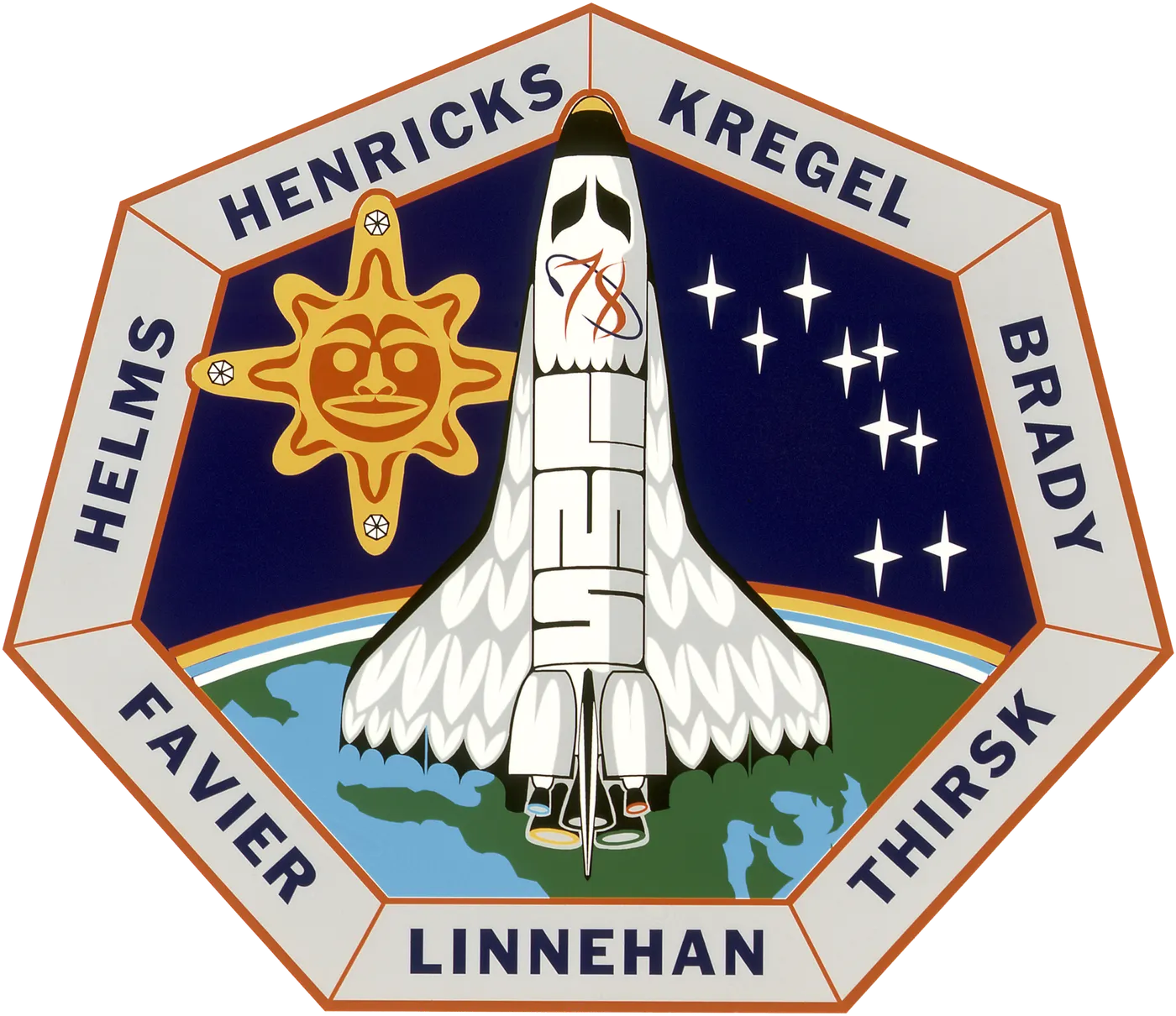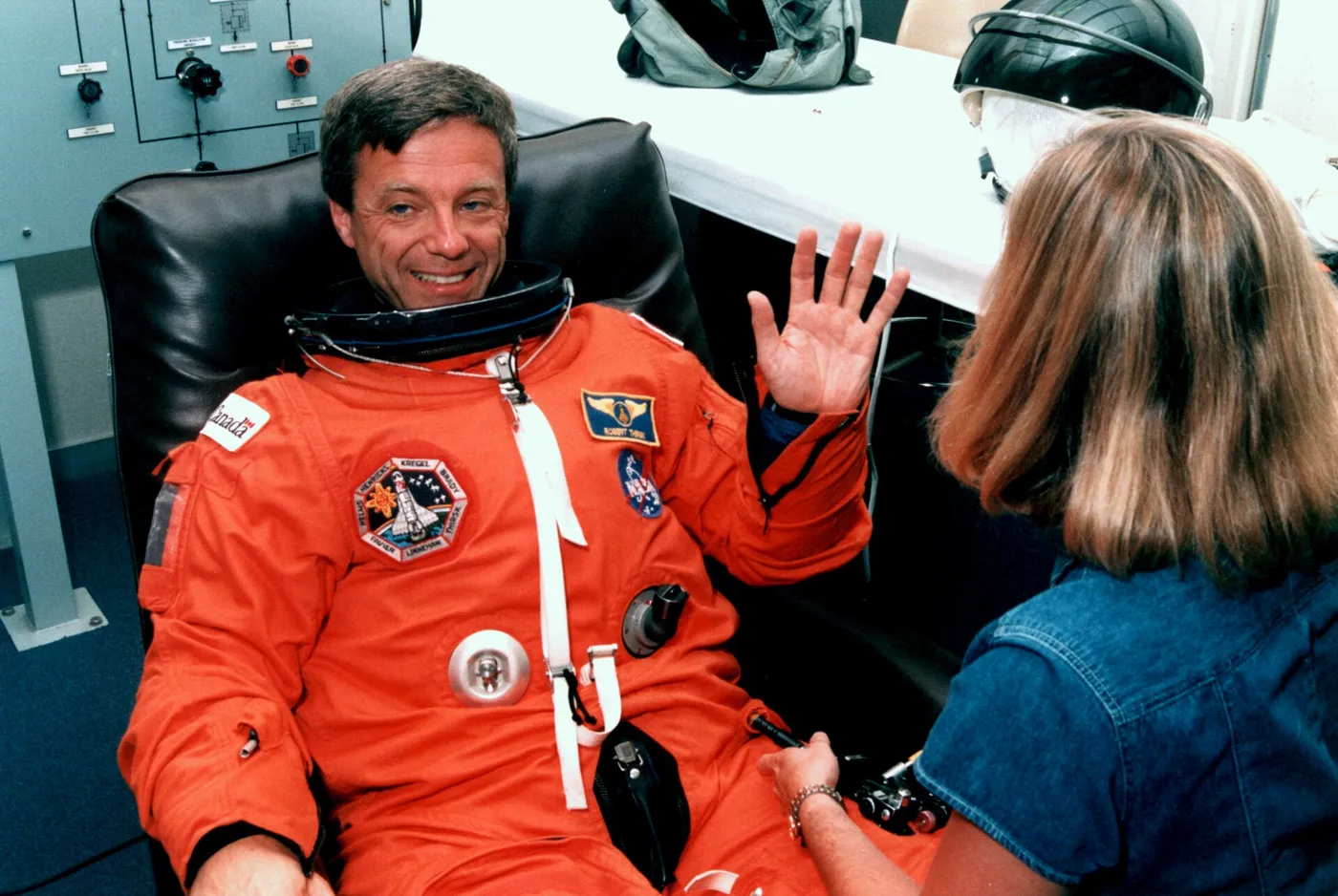
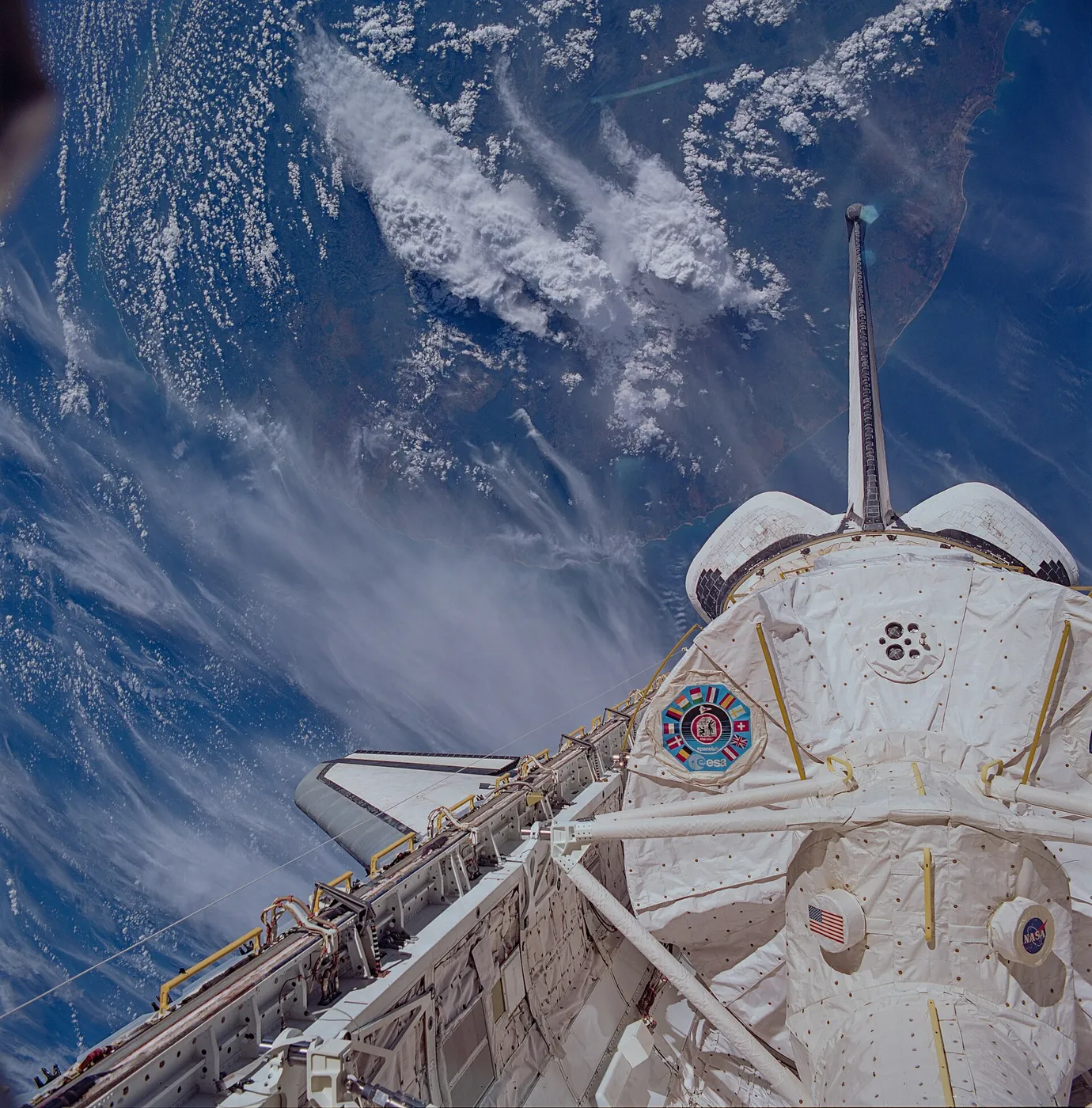

Columbia flew the Life and Microgravity Spacelab in June 1996, an ambitious mission blending human physiology with materials science over what was then the longest Shuttle flight. The international crew of seven served as both researchers and subjects, studying how muscles, bones and the nervous system adapt across more than sixteen days in orbit.
The extended duration was itself part of the experiment, offering a closer analogue to the long expeditions the space station would host. Alongside the life-science work, the crew processed materials and grew crystals in the quiet of weightlessness. Drawing researchers and space agencies from around the world, the mission served as a scientific and operational rehearsal for the sustained, multinational research the station was being built to support.

The Life and Microgravity Spacelab was the longest Shuttle mission flown to that point — nearly seventeen days in June 1996 — and it was deliberately structured as a rehearsal for the International Space Station. Five space agencies contributed, the science was split between human physiology and materials research, and the operations were run much as a station increment would later be.

The human studies were unusually deep: sleep patterns tracked continuously, muscle biopsies taken before and after flight, bone metabolism followed through the whole mission, and the crew's psychological adaptation to a long confinement studied by researchers who would go on to design station protocols.
It was among the last of the Spacelab flights, and it demonstrated the thing that most needed demonstrating before committing to a permanent laboratory: that an international crew could run a complex, multi-disciplinary science programme for weeks, at a distance from the ground, without either the science or the people falling apart.