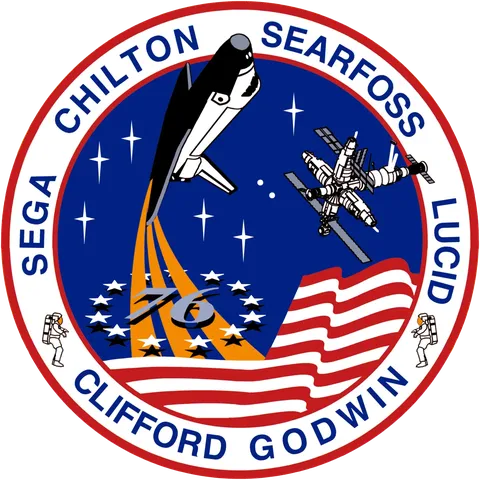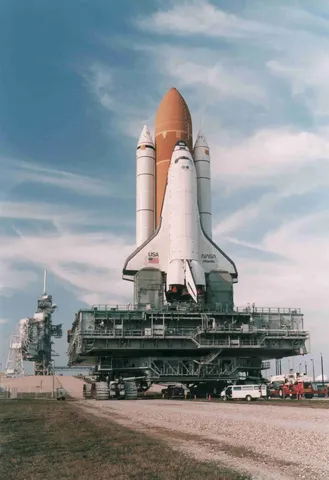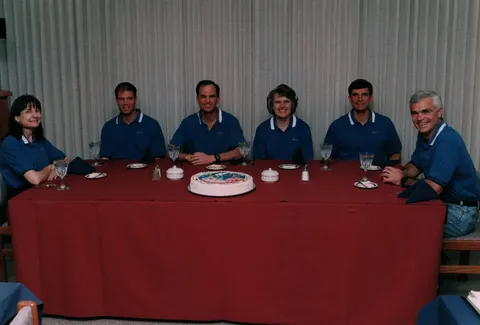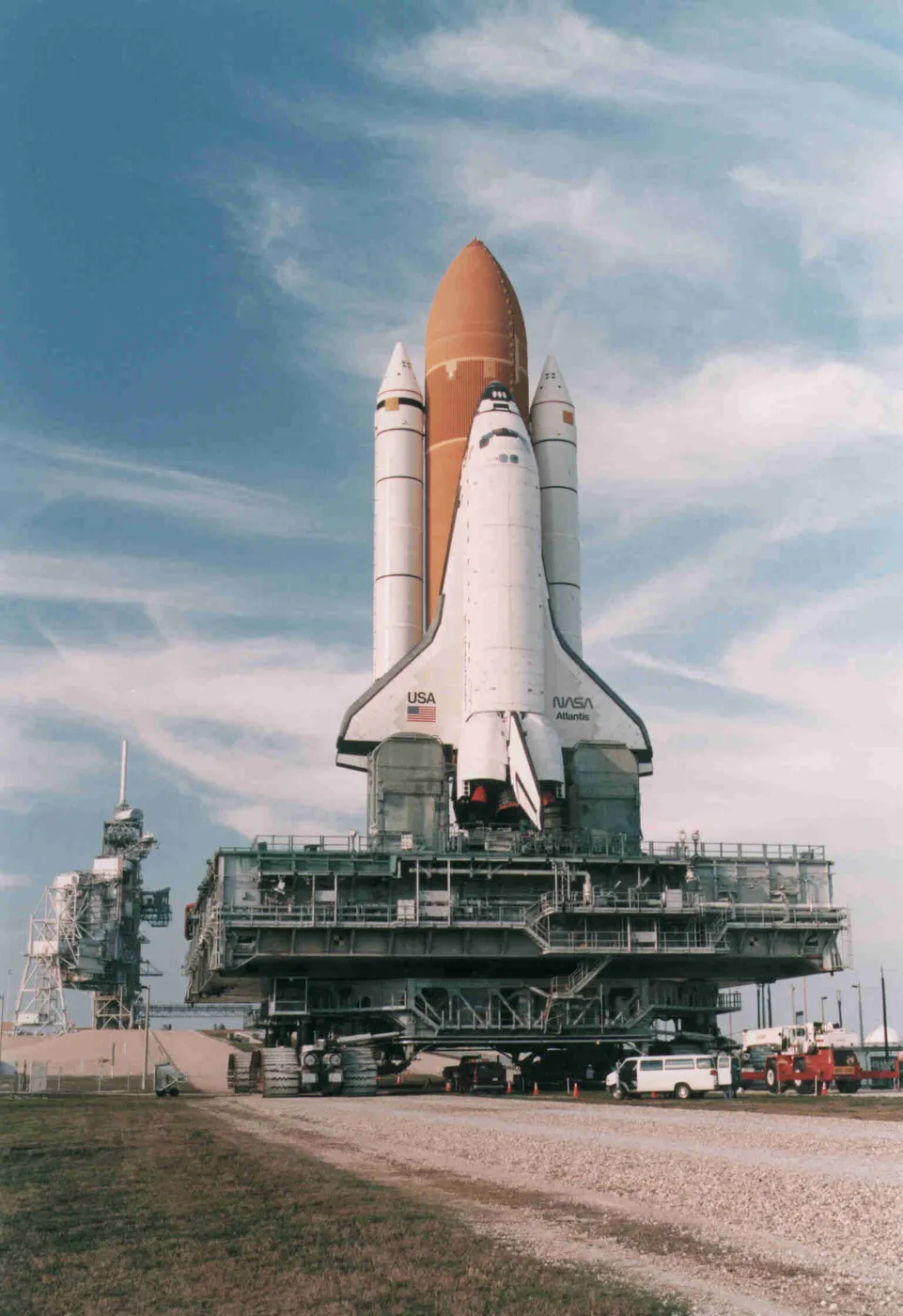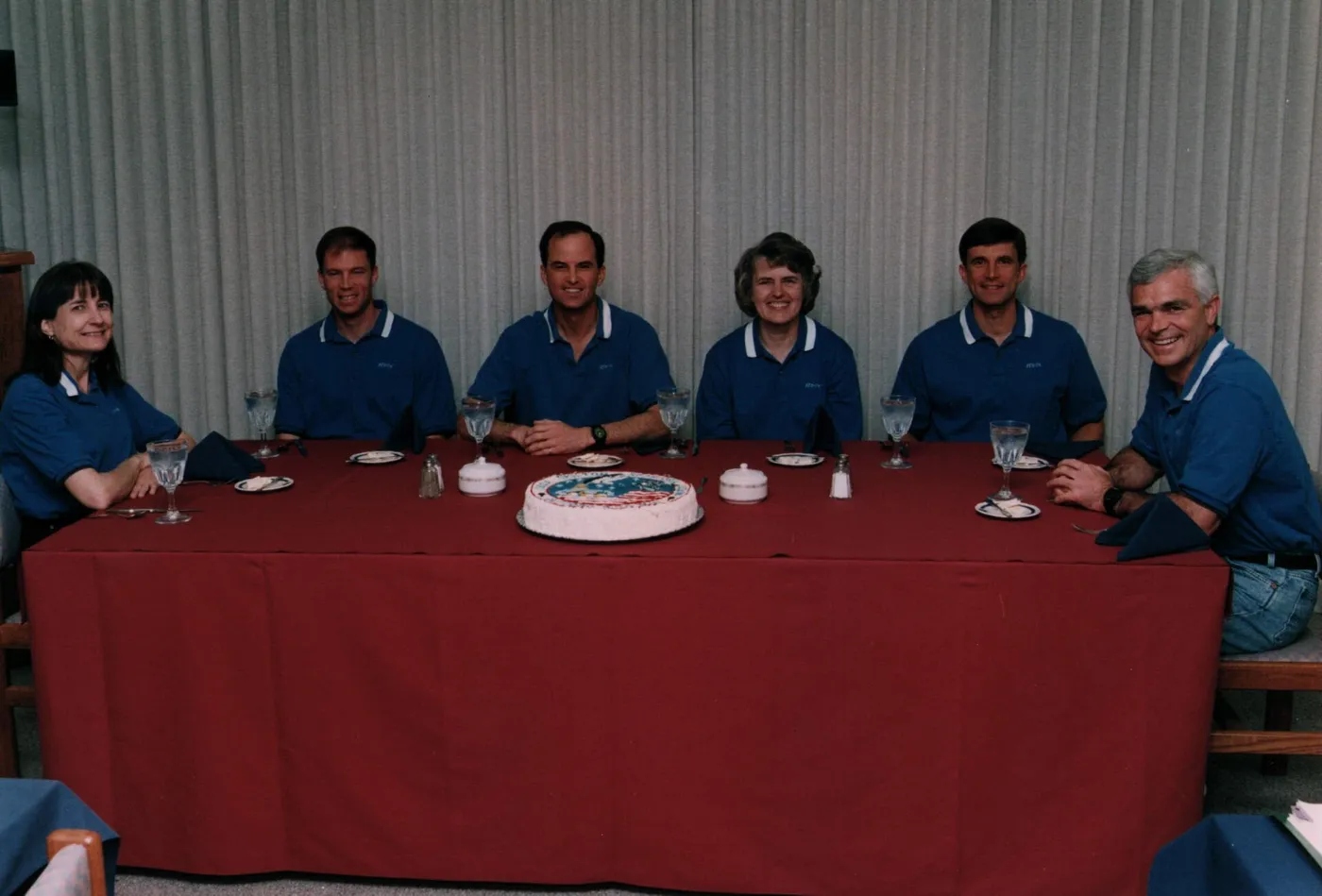
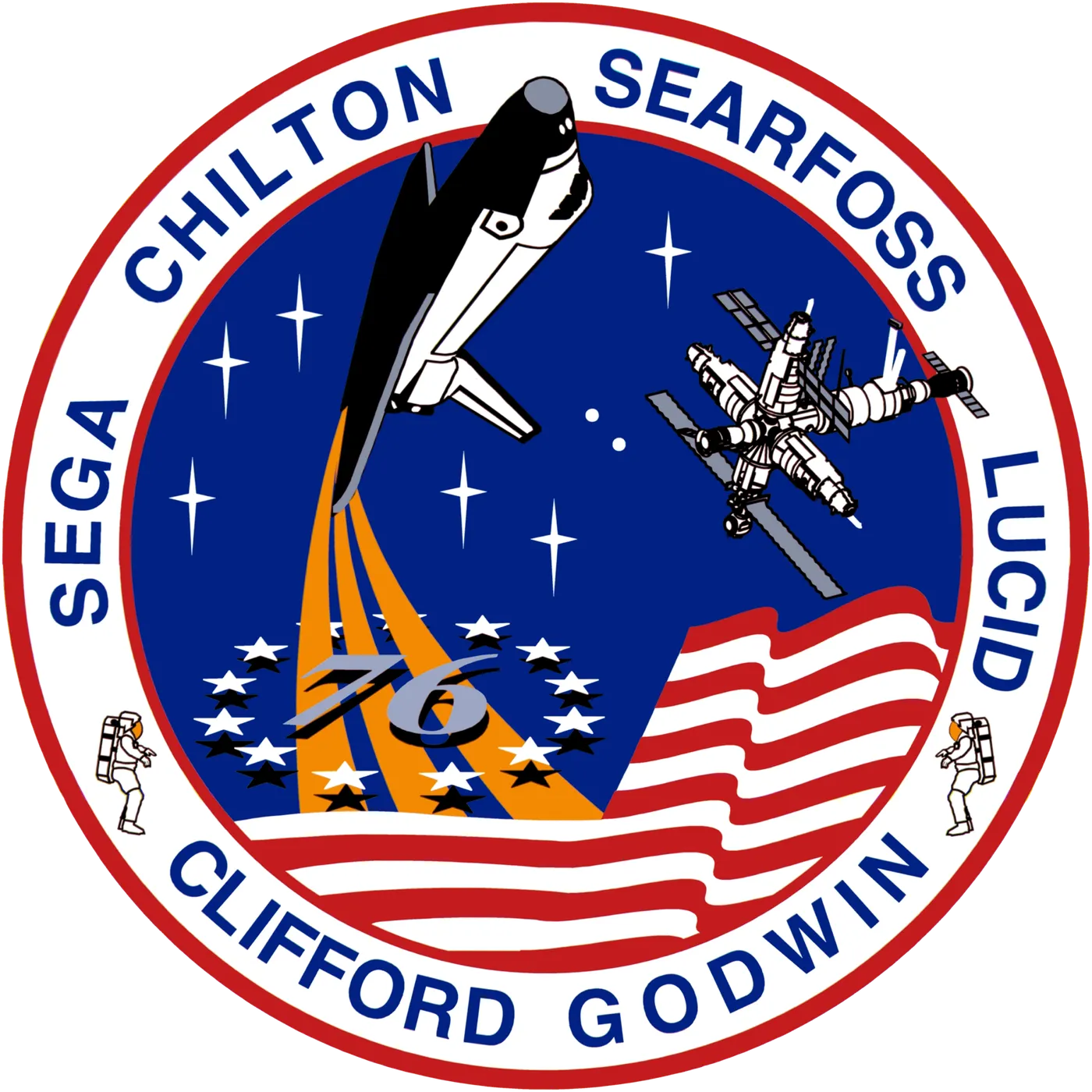
Atlantis flew the third Shuttle-Mir docking in March 1996 and, for the first time, left an American aboard the Russian station for a long stay. The crew delivered astronaut Shannon Lucid to Mir, beginning a residency that would stretch past six months and set a US endurance record, as NASA learned in earnest how to support crews on long-duration missions.
The five-person crew also carried out the first spacewalk conducted around the joined Shuttle and Mir, mounting experiment packages on the station's exterior to study the environment spacecraft endure in orbit. The mission moved the partnership from brief visits toward sustained human presence, a rehearsal for the years astronauts would later spend continuously aboard the International Space Station.
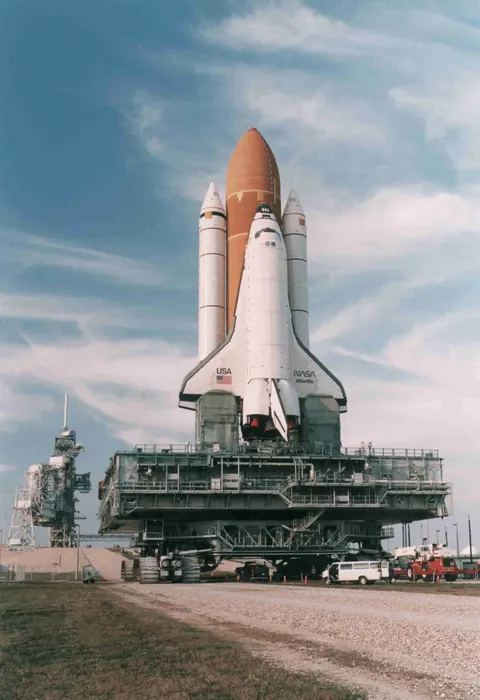
Atlantis delivered Shannon Lucid to Mir in March 1996, beginning a stay that was supposed to last four and a half months and ran to six. She moved in with a Russian crew, a supply of books and a determination to get on with it that became something of a legend in both space programmes.
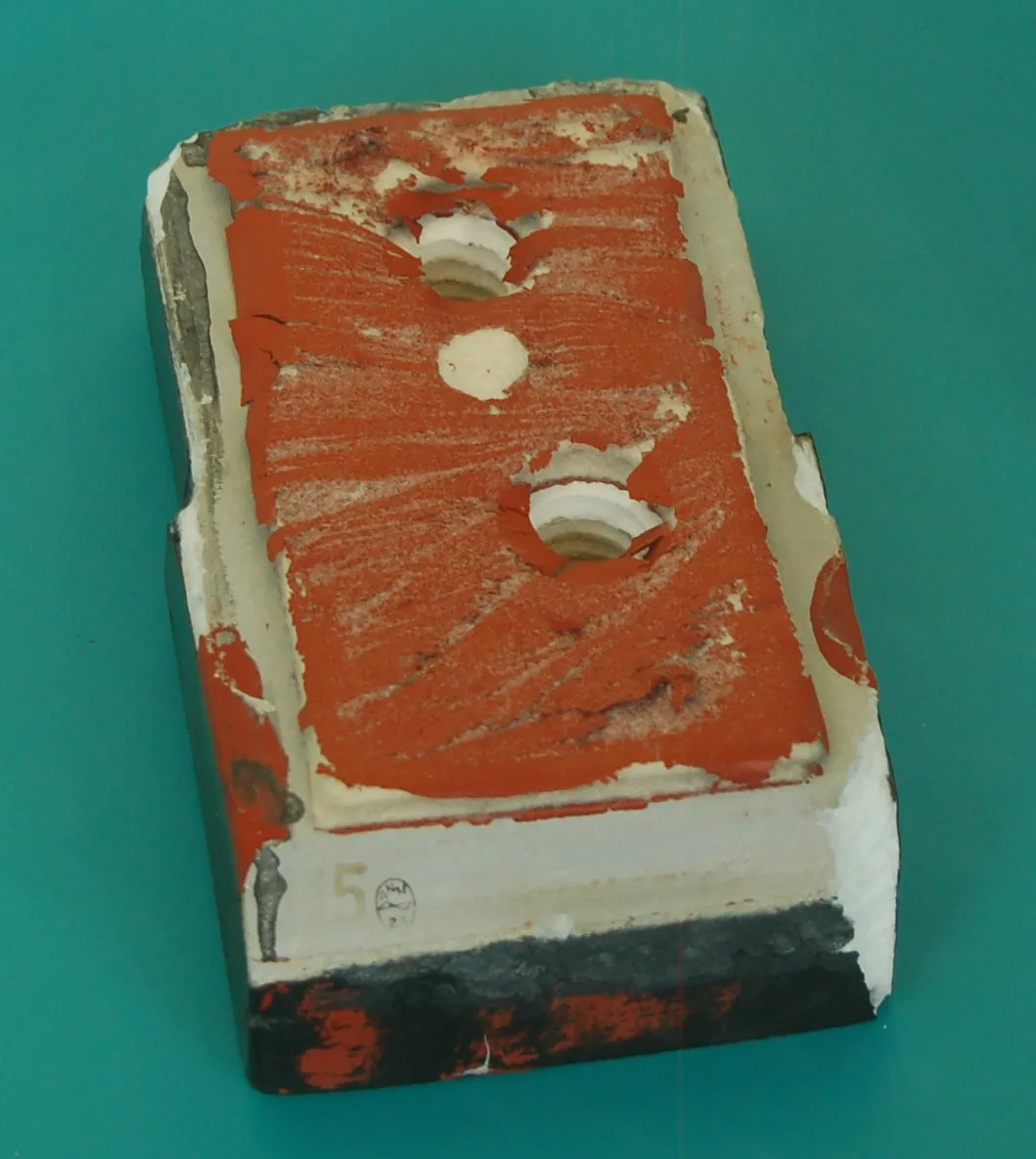
The flight also produced the first spacewalk ever conducted around a docked station complex. Linda Godwin and Michael Clifford went outside while Atlantis was attached to Mir and mounted four experiment packages on the station's exterior to measure how badly the space environment — debris, atomic oxygen, ultraviolet — degrades materials over years. Working outside a joined pair of spacecraft, with structures extending in several directions, was a genuinely new problem.
Those packages stayed in place for eighteen months and came home on a later flight, and the data on impacts and material erosion went straight into the design of the International Space Station's shielding. It was exactly the kind of quiet, cumulative knowledge that the Shuttle-Mir programme existed to produce.