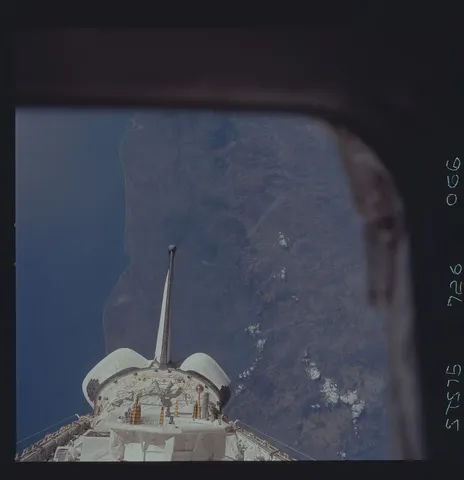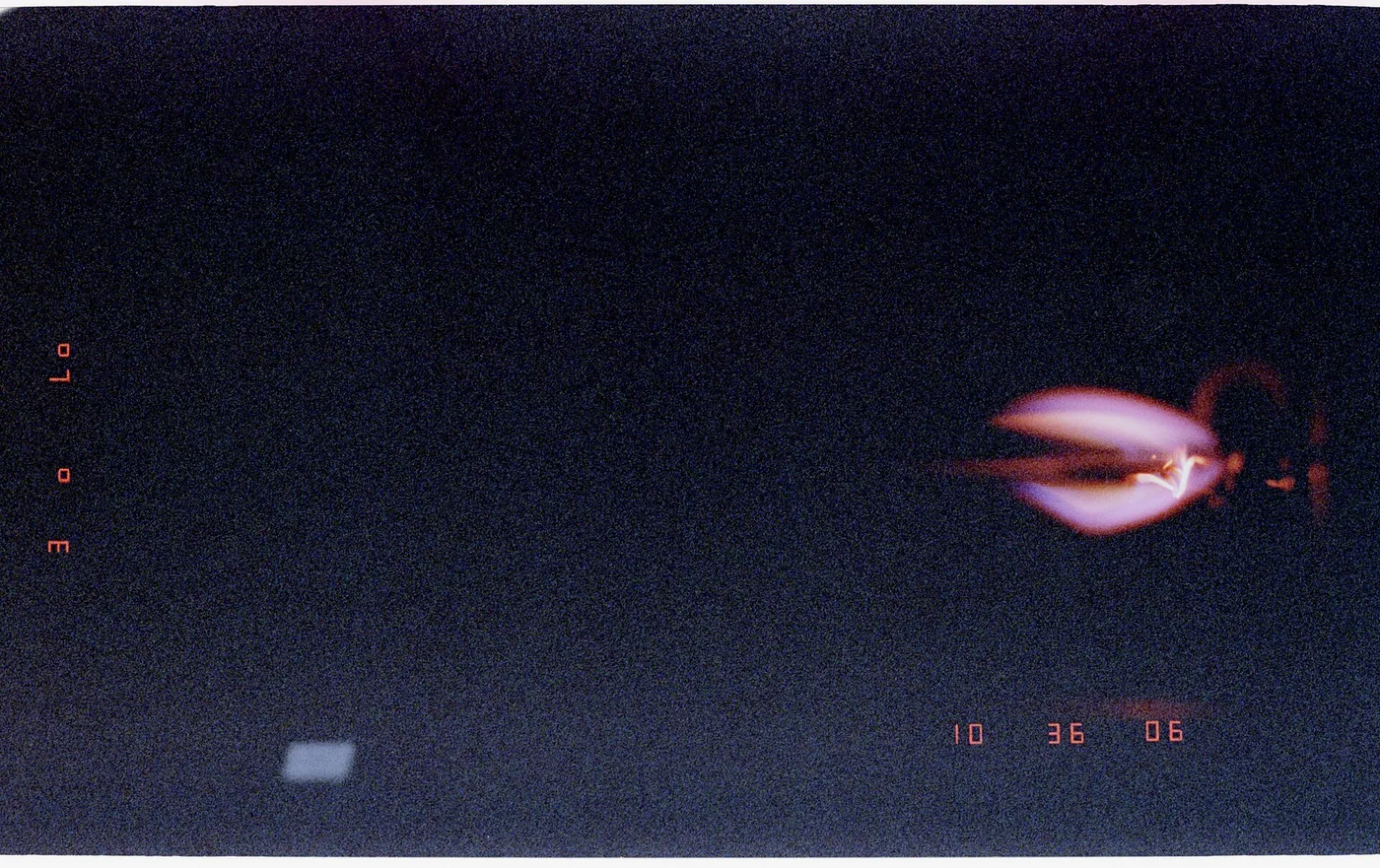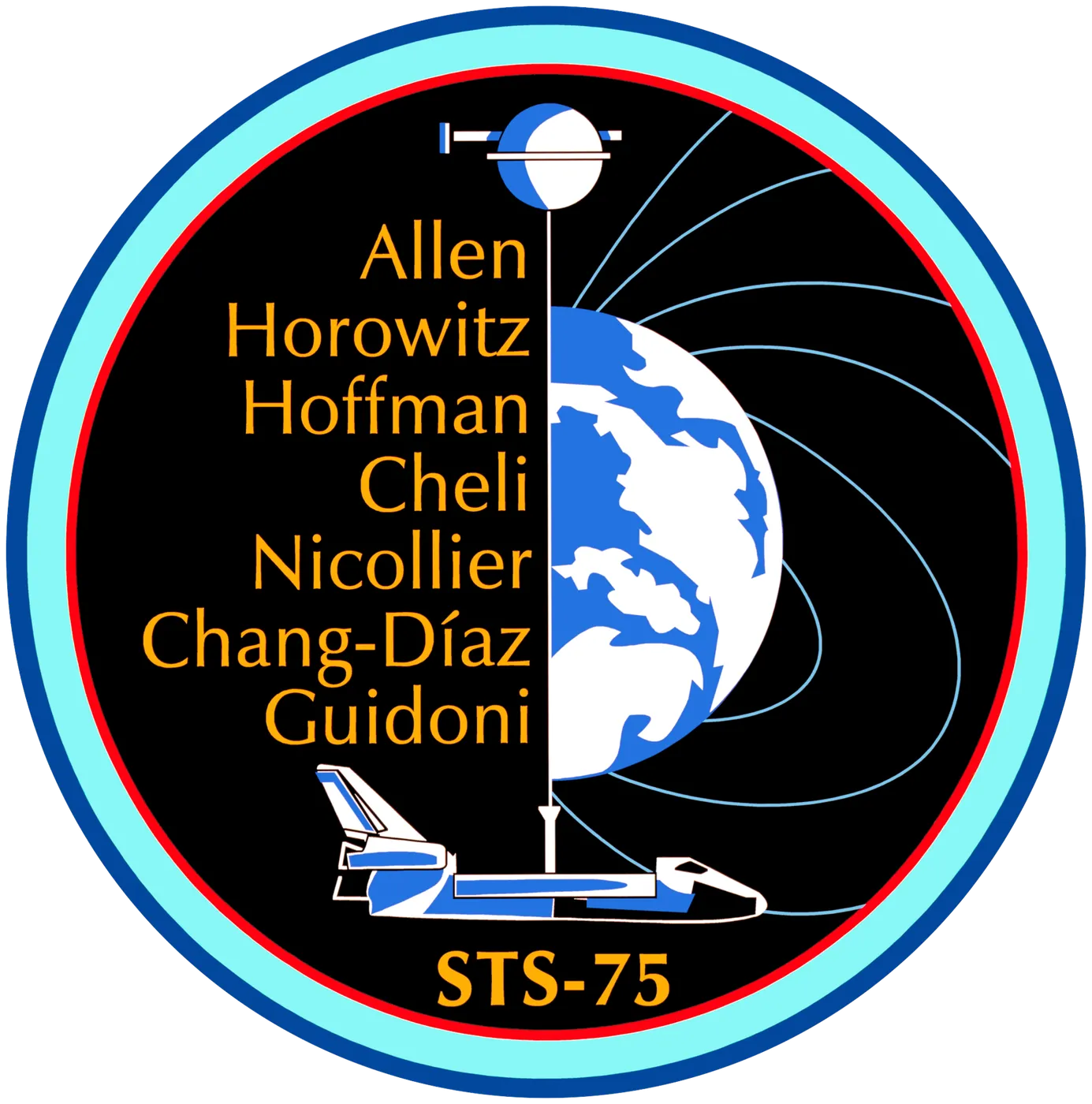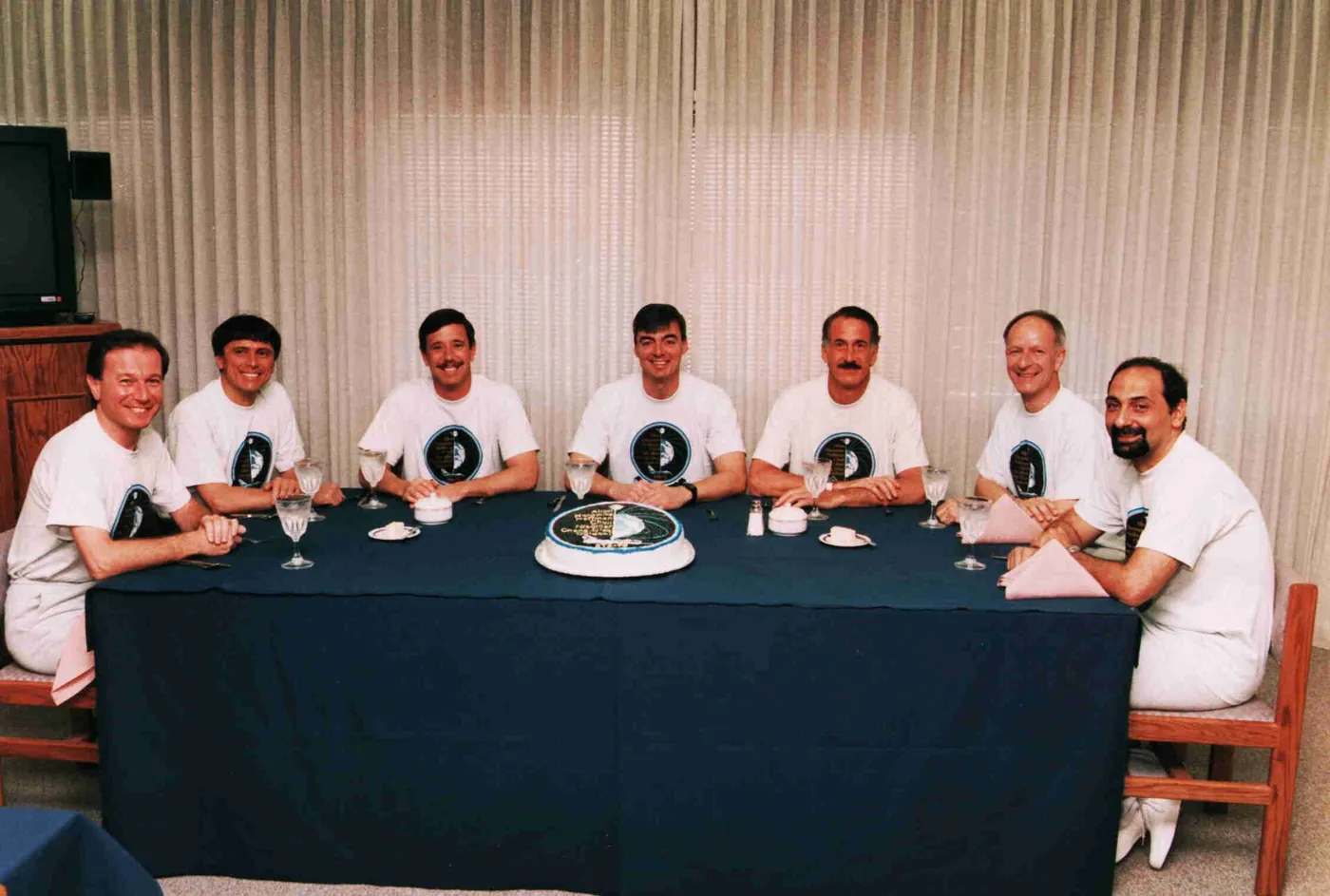
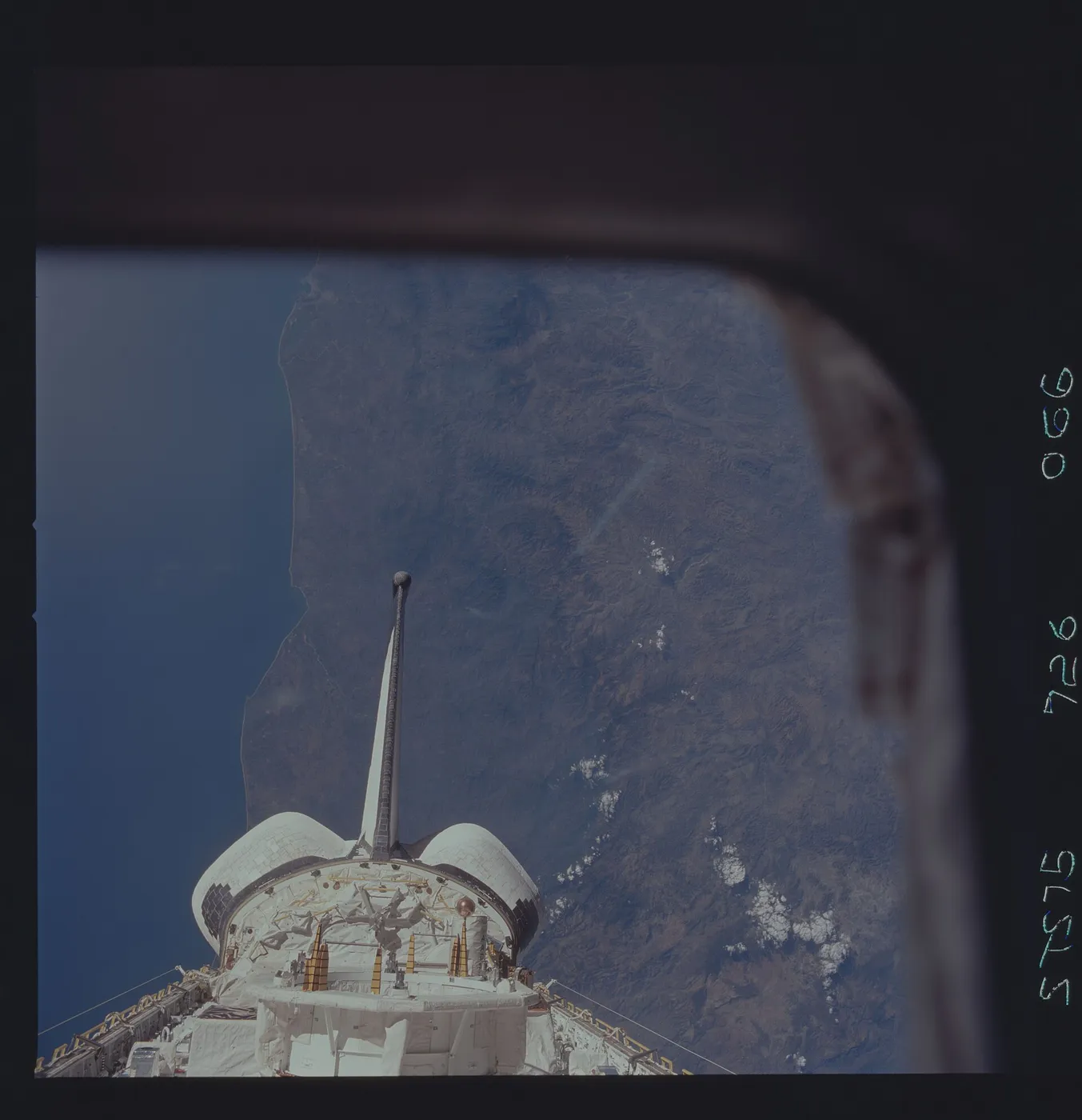
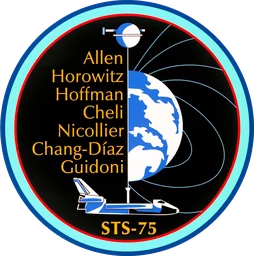
Columbia returned to the tethered-satellite experiment in February 1996, attempting again to fly a satellite on a long conducting cable to harvest electricity from Earth's magnetic field. This time the tether reeled out almost to its full twenty-kilometre length before it suddenly snapped, sending the satellite drifting away — a dramatic failure caused by an electrical arc that burned through the line.
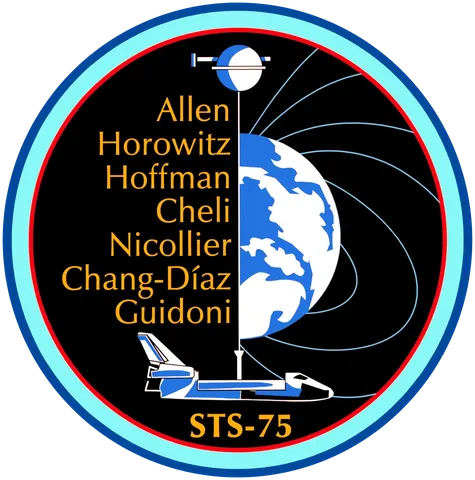
Even so, the experiment had generated far more power than expected before the break, confirming the physics the mission set out to prove. The crew of seven, which included Italian astronaut Umberto Guidoni and veteran Franklin Chang-Diaz, also ran a United States Microgravity Payload of materials experiments across the fifteen-day flight, salvaging substantial science from a mission whose headline experiment ended in a broken cable.
Columbia carried a satellite on a string. The Tethered Satellite System was an Italian-built sphere designed to be reeled out on a twenty-kilometre conducting cable, so that dragging it through the Earth's magnetic field would generate electricity — a genuinely elegant idea that had failed on its first attempt in 1992 when the reel jammed after 260 metres.
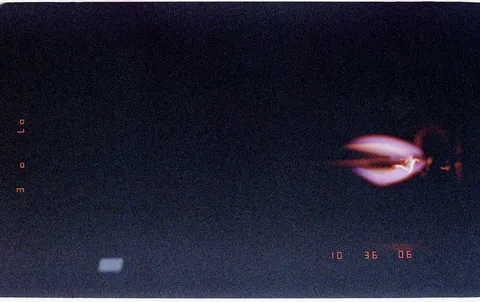
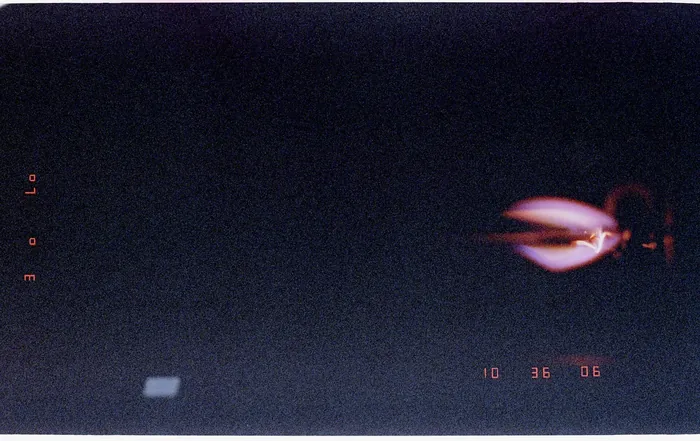
This time it unspooled beautifully. The tether paid out for hours, generating some 3,500 volts and far more current than the models had predicted, and the experiment was outperforming every expectation when, at 19.7 kilometres — within sight of full deployment — the cable simply broke. A flaw in the insulation had let current arc through, burning the tether apart.
The satellite drifted away trailing nineteen kilometres of cable, bright enough to be seen from the ground for weeks, and the crew watched a decade of work sail off into an orbit of its own. The footage shot afterwards, full of illuminated ice particles drifting near the camera, went on to a long second life in UFO documentaries — an odd consolation for an experiment that had proved its physics right and its insulation wrong.