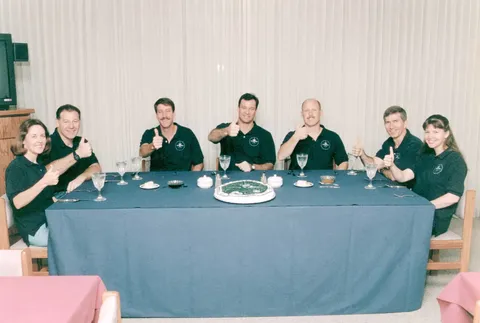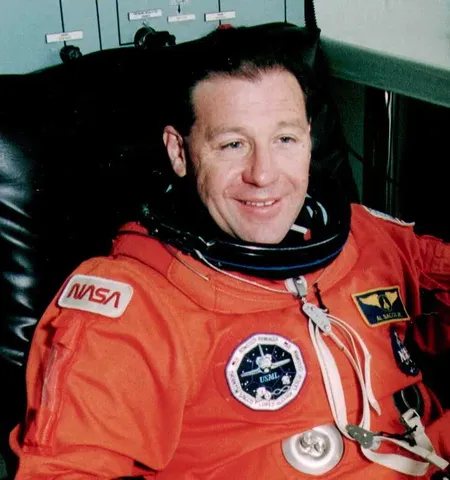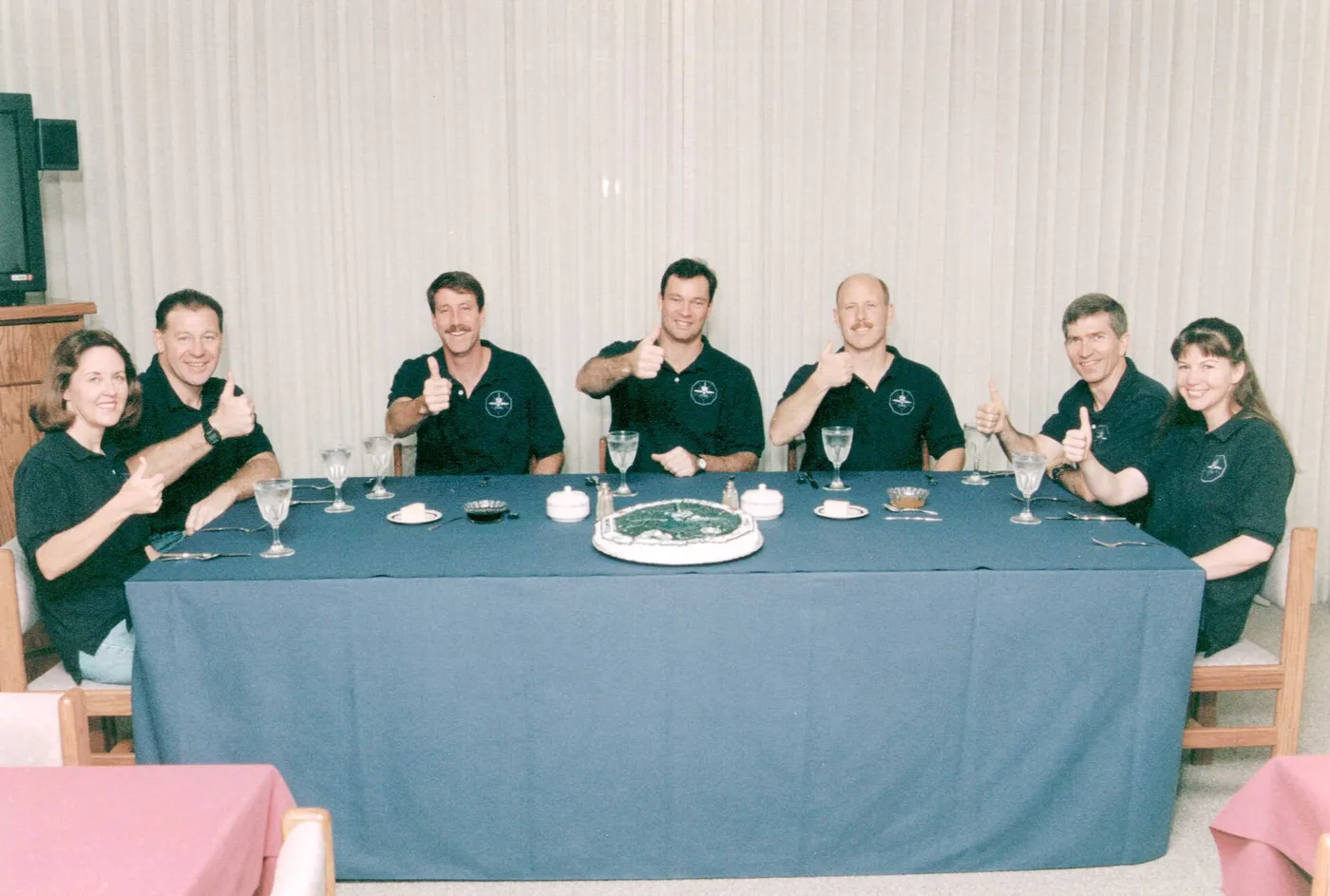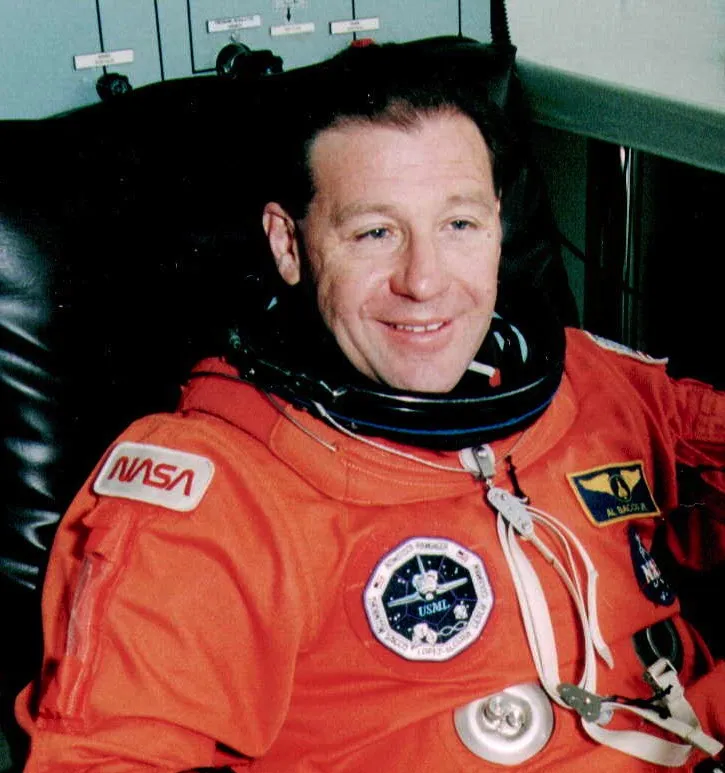


Columbia flew the second United States Microgravity Laboratory in October 1995, a two-week research mission devoted to the patient physics of materials and fluids in weightlessness. The crew of seven, split into two shifts, grew crystals, studied combustion and watched how liquids and molten materials behave when gravity no longer pulls them into familiar shapes.
The science aimed at practical payoffs, from better semiconductors to insights into industrial processes, and it drew on a community of researchers who followed the experiments from the ground. Repeatedly delayed before launch, the nearly sixteen-day flight ultimately delivered a rich harvest of data and continued proving the fleet's ability to run sustained laboratory campaigns of the kind the station would host permanently.
The second United States Microgravity Laboratory took six attempts to launch, a programme record for scrubs: hydrogen leaks, a faulty engine controller, bad weather, an oxygen leak and a computer problem defeated the countdown in turn across a month. The crew joked about becoming permanent residents of the crew quarters.

Once up, Columbia stayed nearly sixteen days running experiments that needed exactly that patience. Crystals of proteins and semiconductors grow slowly and are ruined by convection; without gravity to drive that convection, the resulting structures are more perfect, and the point of such flights was to grow specimens good enough to reveal molecular structure by X-ray diffraction.
The flight also studied combustion, flame stability and the behaviour of liquid drops without containers — a technique in which molten material is held in place by sound waves or electric fields rather than a crucible, so that it never touches anything that could contaminate it. The results fed directly into industrial processes and, later, into the science planned for the space station.