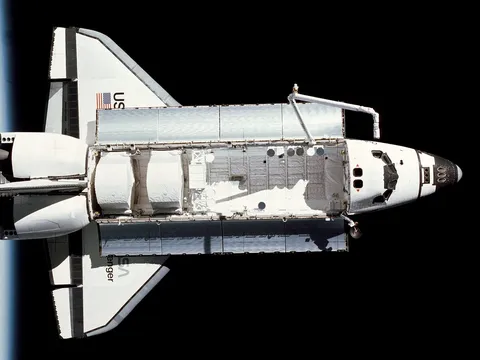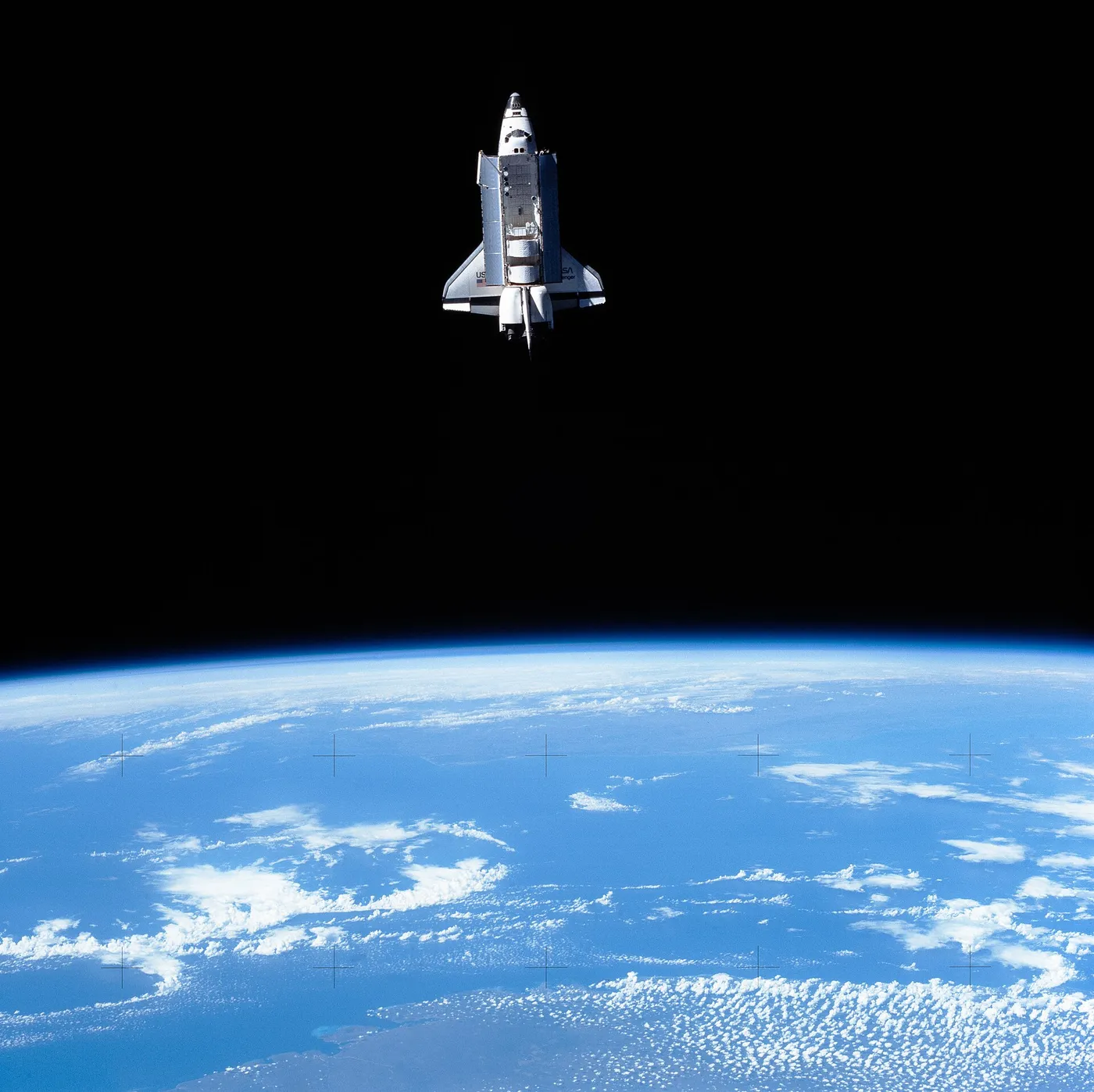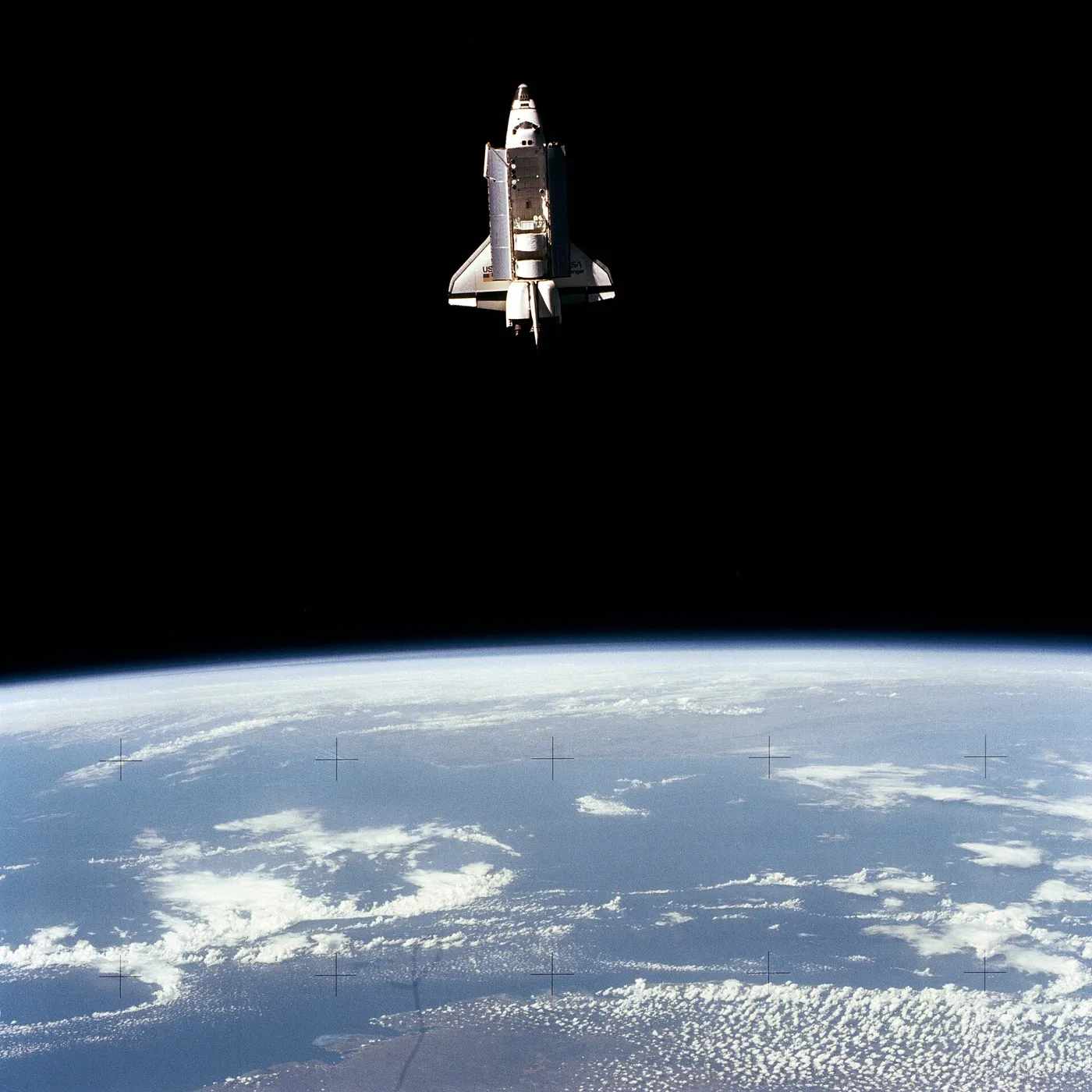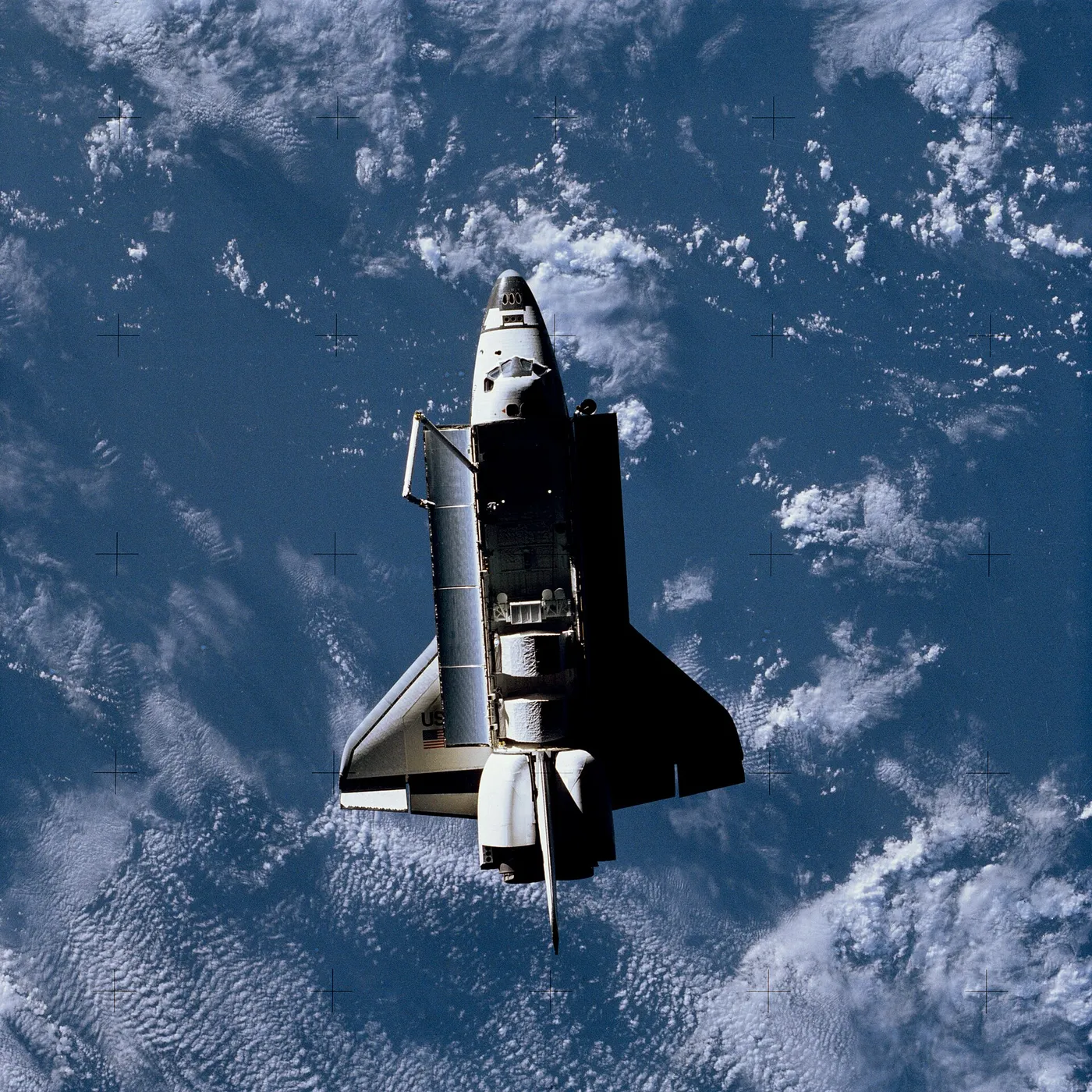
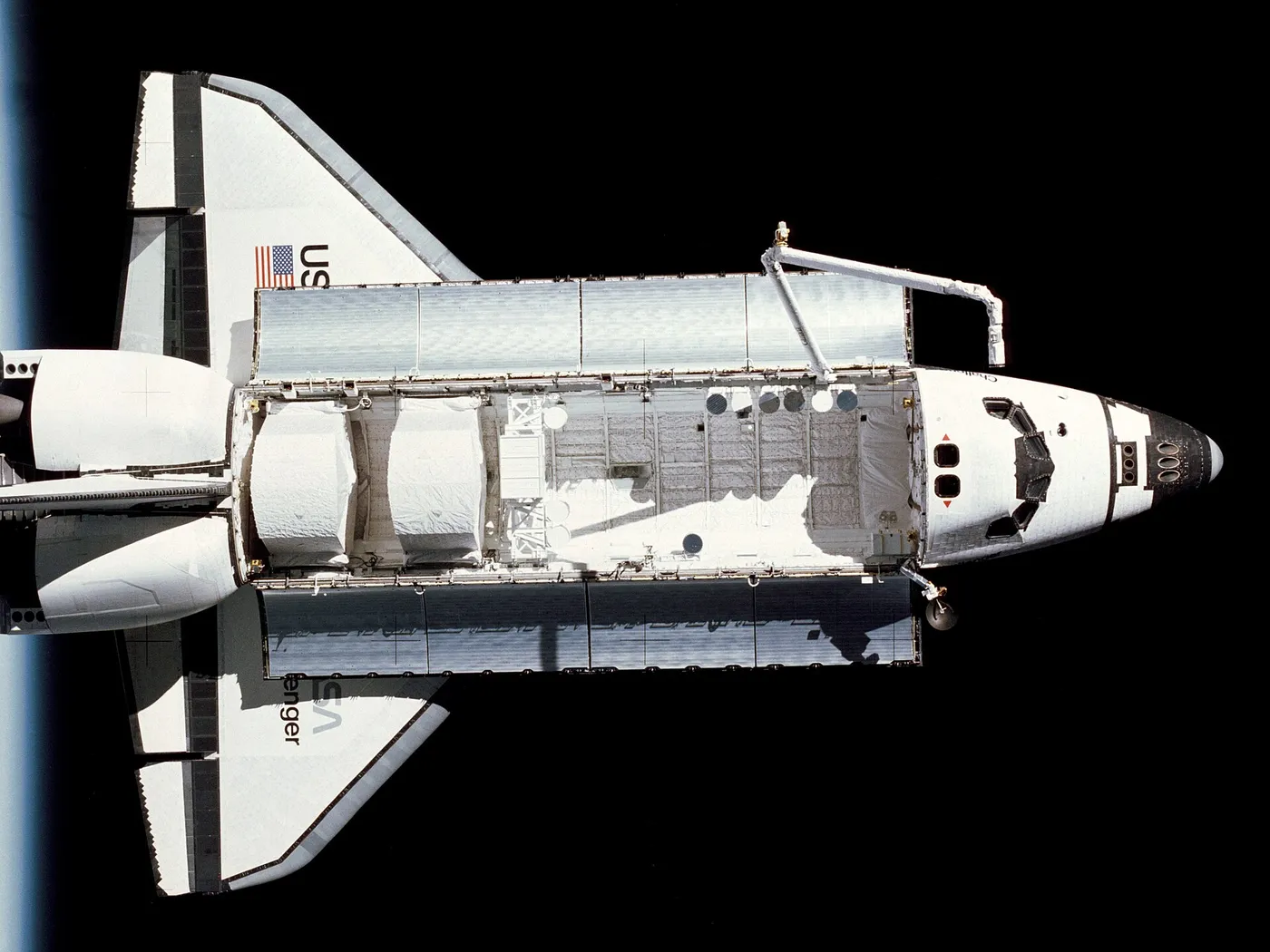
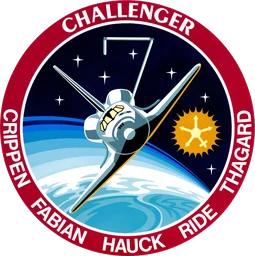
Challenger's second flight, in June 1983, carried Sally Ride into orbit and into history as the first American woman in space, two decades after the Soviet Union had flown Valentina Tereshkova. Ride, an astrophysicist, batted away the era's condescending press questions with visible patience and got on with the job of flight engineer and arm operator.
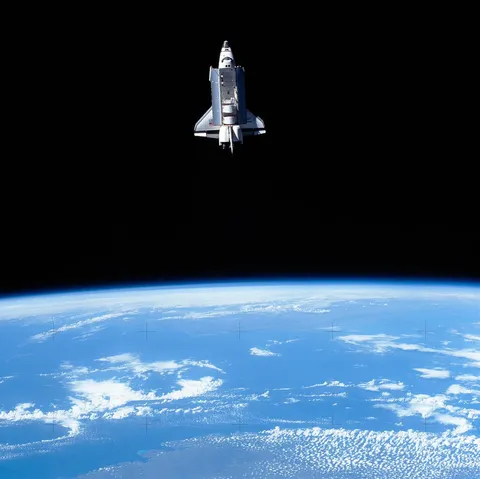
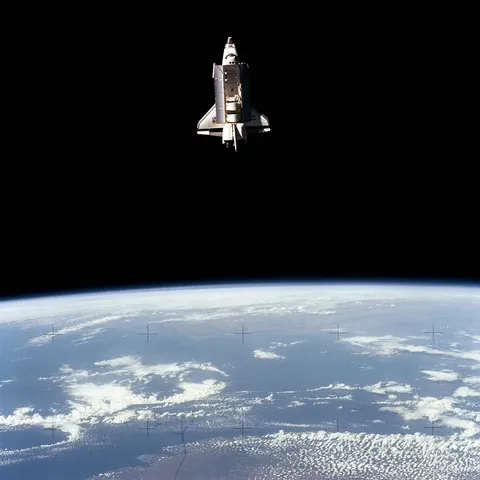
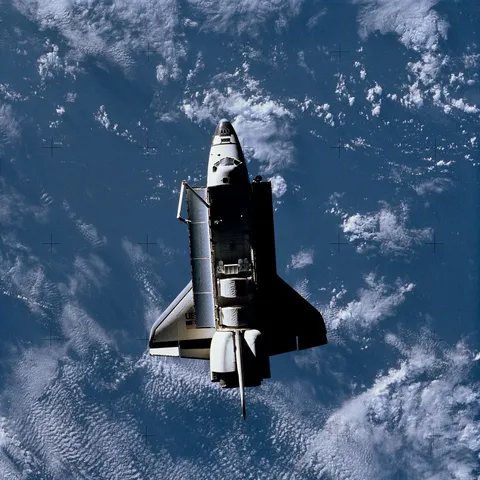
The mission was a busy commercial run, deploying two communications satellites for Canada and Indonesia. Its cleverest act came with a West German science platform called SPAS: Ride lifted it out of the bay on the robotic arm, let it fly free, and then plucked it back — the first time the Shuttle retrieved a satellite it had just released, a rehearsal for the repair and recovery missions to come.
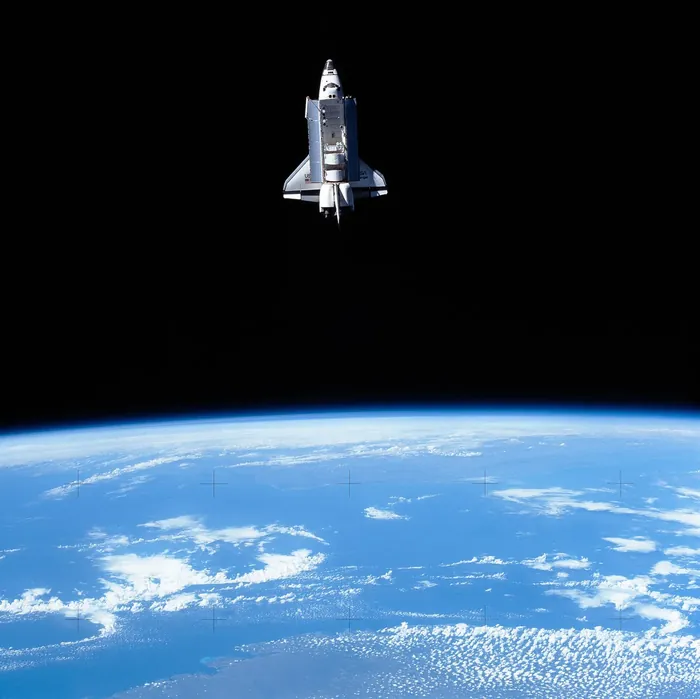
The mission is remembered for one crew member. Sally Ride, a physicist who had answered a newspaper advertisement, became the first American woman in space — two decades after Valentina Tereshkova, and long enough after that the delay was itself the story. She was 32, and she had spent the months before launch fielding questions no male astronaut was ever asked: whether she wept when things went wrong, whether spaceflight would damage her reproductive organs, and, from engineers sincerely trying to help, whether a hundred tampons would be enough for a week.
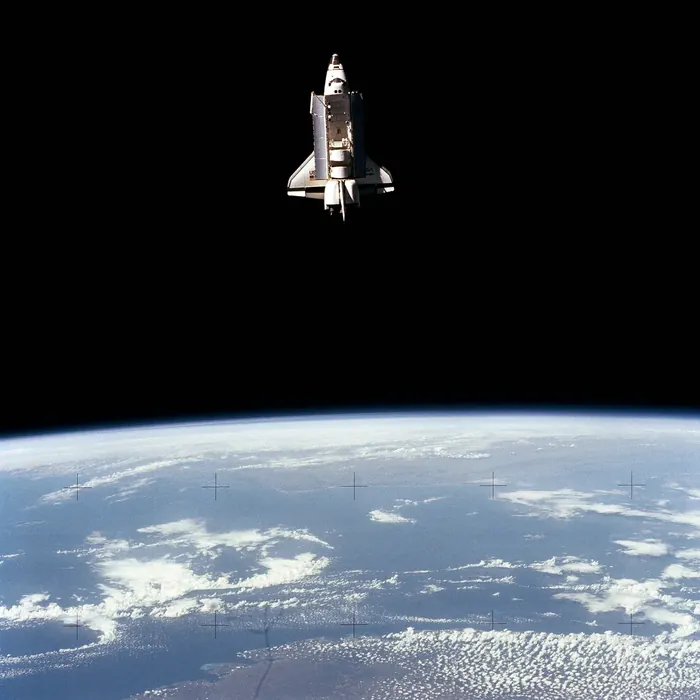
Her patience with all of it was famous and finite. It was too bad, she said, that this was such a big deal; too bad that society was not further along. Then she went and did the job — operating the robotic arm to deploy a West German science platform and pluck it back out of space again, the first time a satellite had been released and retrieved on the same flight.
The flight also gave the programme its first five-person crew and came within a whisker of the first landing in Florida, before weather pushed Challenger out to the California desert. Ride flew once more, served on both the Challenger and Columbia accident boards, and spent the rest of her life pushing science at schoolgirls. Only when she died in 2012 did most people learn she had shared 27 years with her partner Tam O'Shaughnessy, making her posthumously the first known LGBT astronaut.