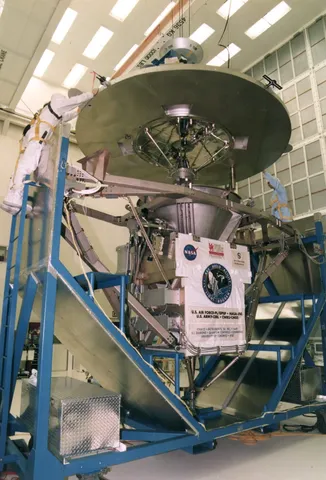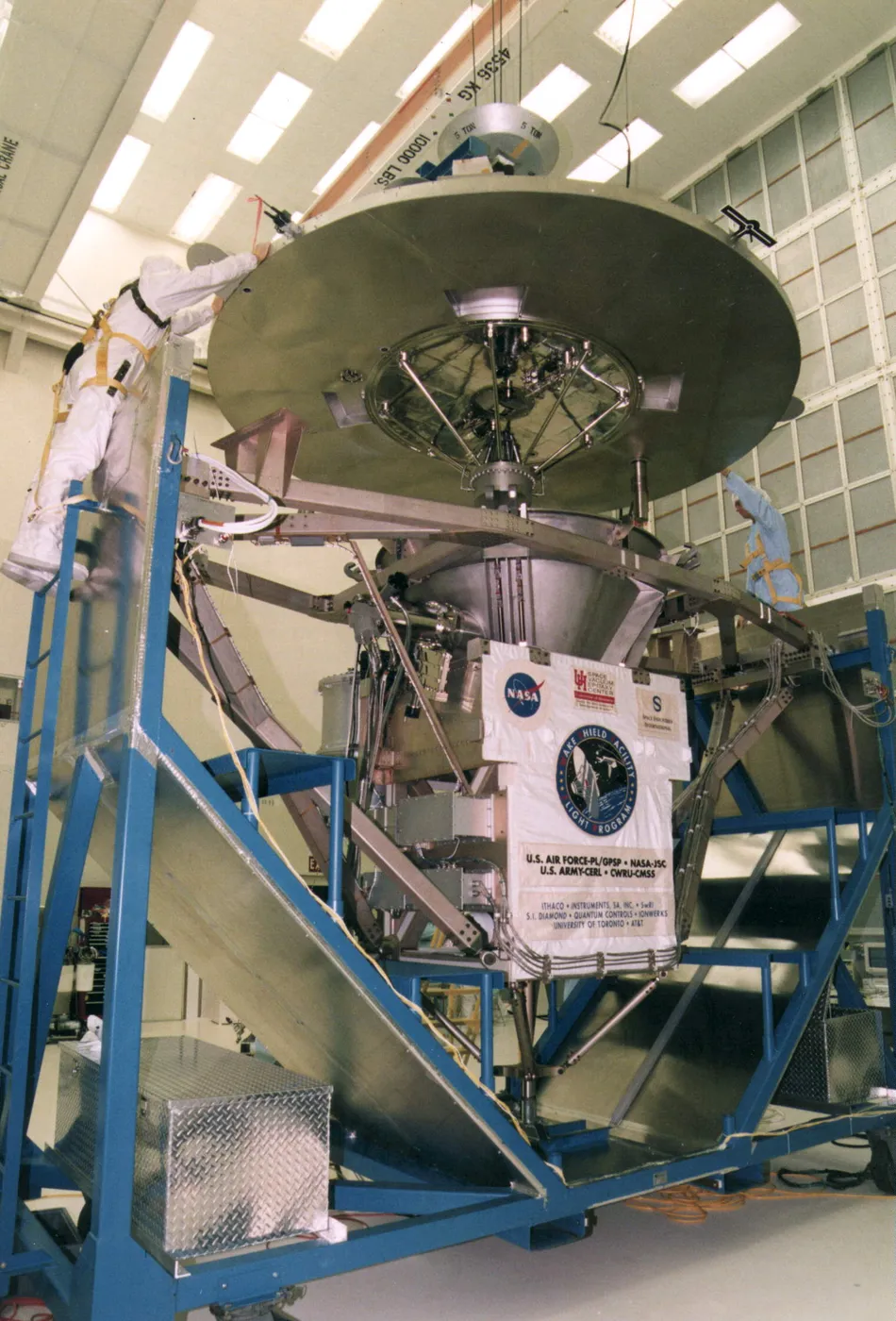
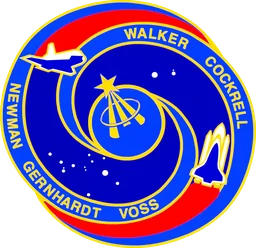
Endeavour's September 1995 flight deployed and retrieved two very different free-flying payloads, showcasing the Shuttle's knack for putting science outside the orbiter and reeling it back in. The crew of five released the Wake Shield Facility, a disk that used its own passage through space to create an ultra-pure vacuum for growing advanced semiconductor films, then recovered it after two days of solo flight.
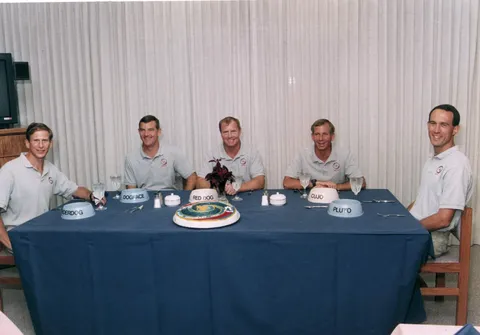
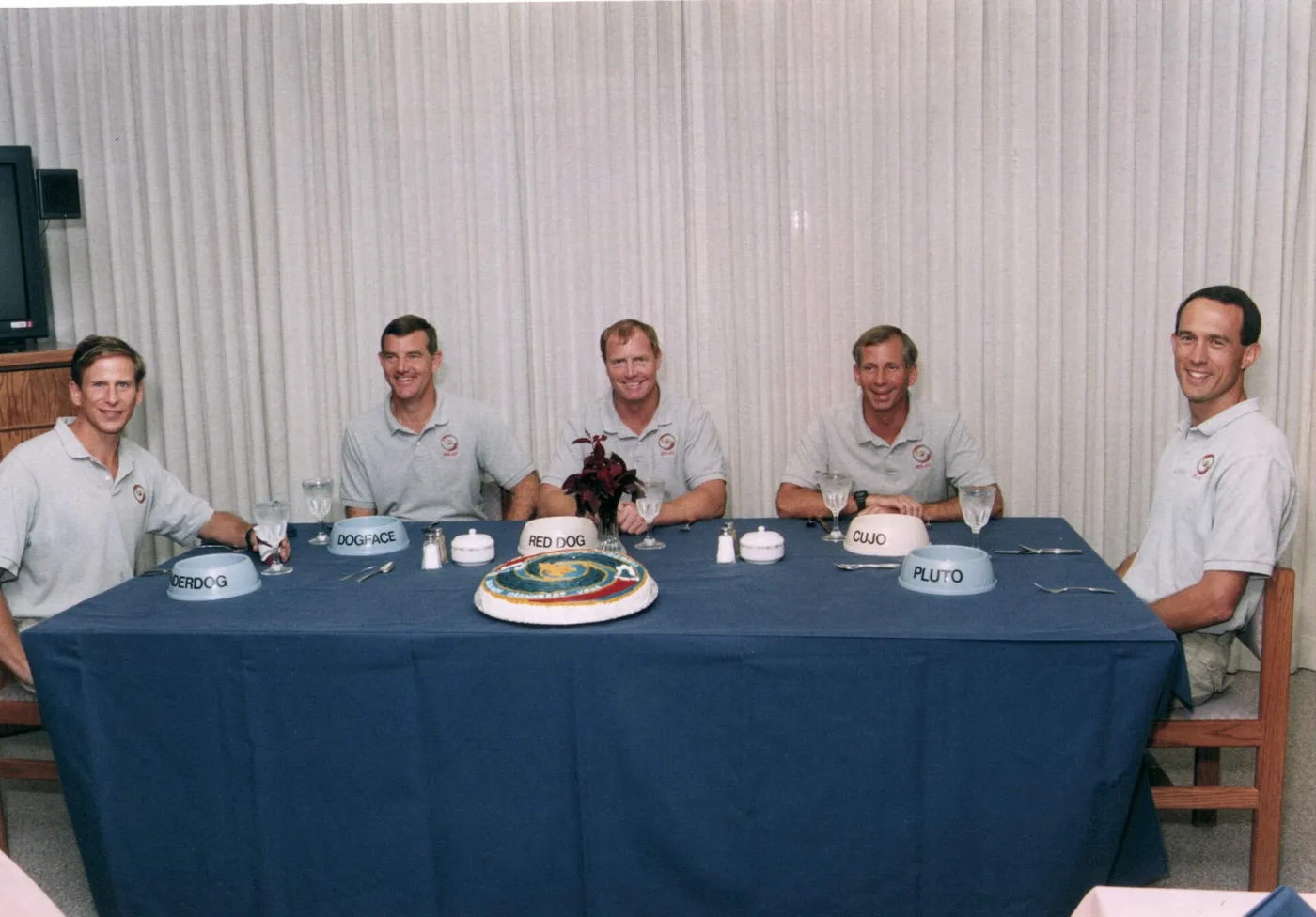
They also deployed and retrieved a Spartan platform that studied the Sun's outer atmosphere and the solar wind. A spacewalk tested tools and thermal gear for the coming space station. The crew, who nicknamed themselves the "Dog Crew," flew a productive ten-day mission that underlined how much varied work a single Shuttle flight could pack in during the fleet's busy mid-1990s prime.
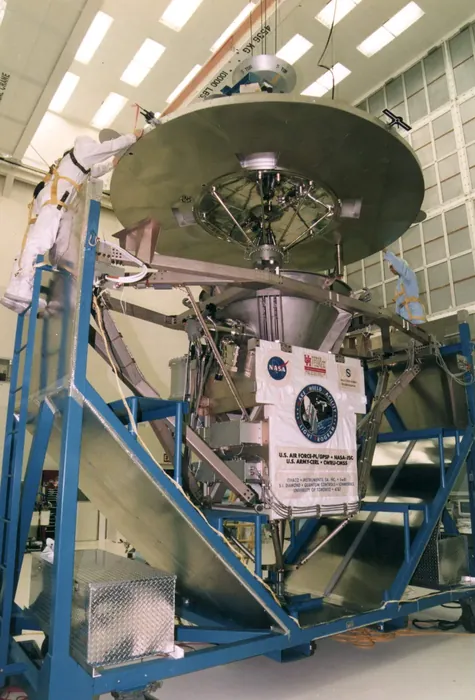
Endeavour spent eleven days in September 1995 deploying and retrieving two separate free-flying spacecraft, the first time a single mission had released and recaptured two — a demonstration of orbital choreography that required flying formation with one object while another drifted elsewhere.
The first was the Wake Shield Facility, a stainless-steel disc that flew ahead of the orbiter and created an ultra-high vacuum in its own slipstream — emptier than anything achievable on Earth — in which to grow semiconductor films. The second was a solar observatory that studied the corona and the origins of the solar wind for two days before being collected.
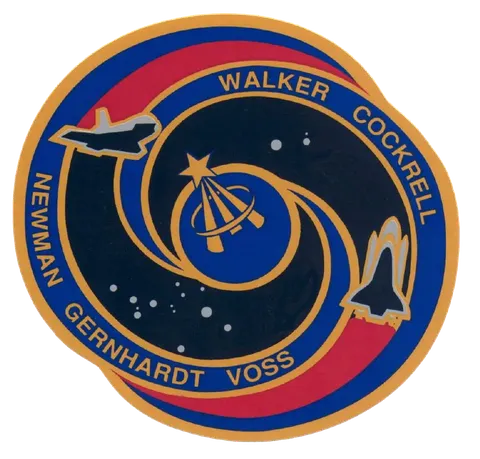
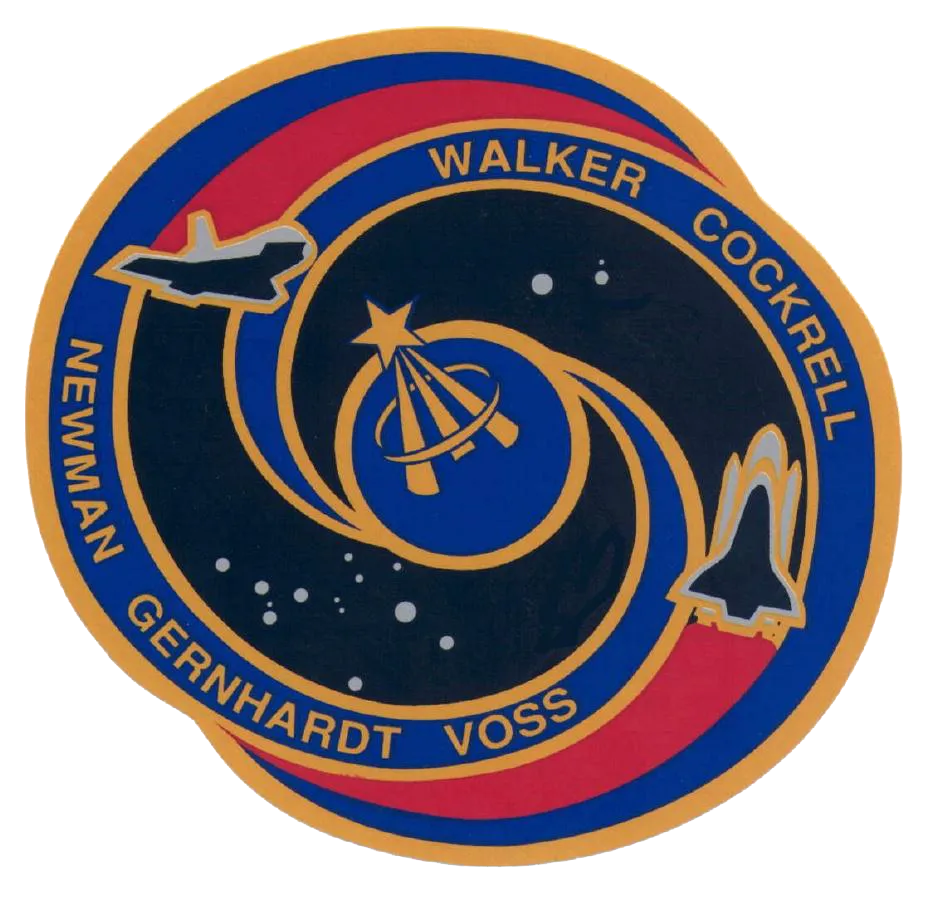
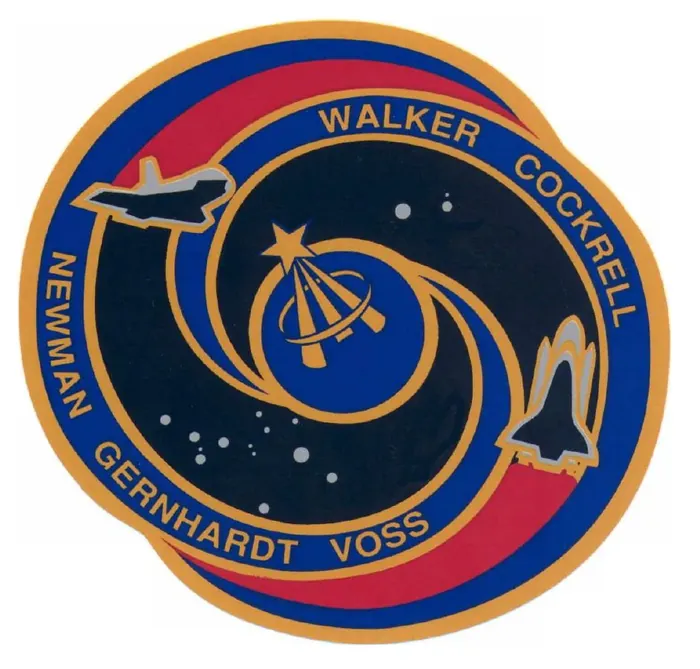
The crew adopted the nickname Dog Crew II, complete with a mission patch featuring cartoon dogs and individual canine call signs, in a tradition started by an earlier flight. It is a small illustration of a professional culture that took the work with complete seriousness and itself not at all — a balance the astronaut office has generally managed rather well.