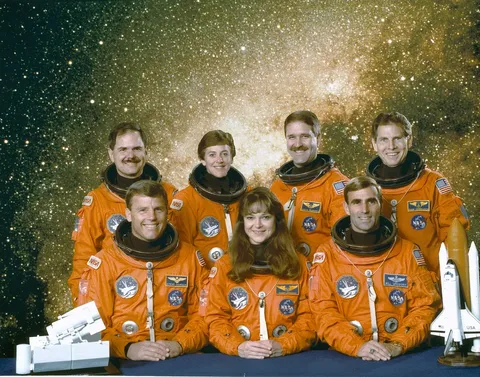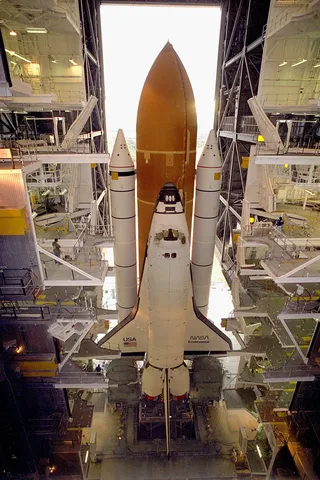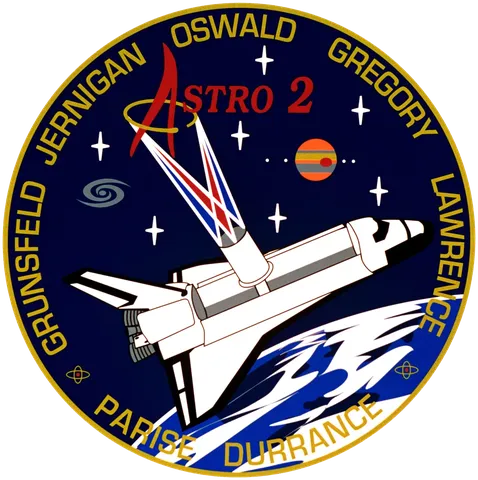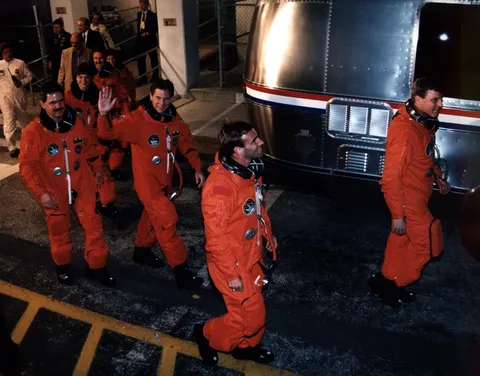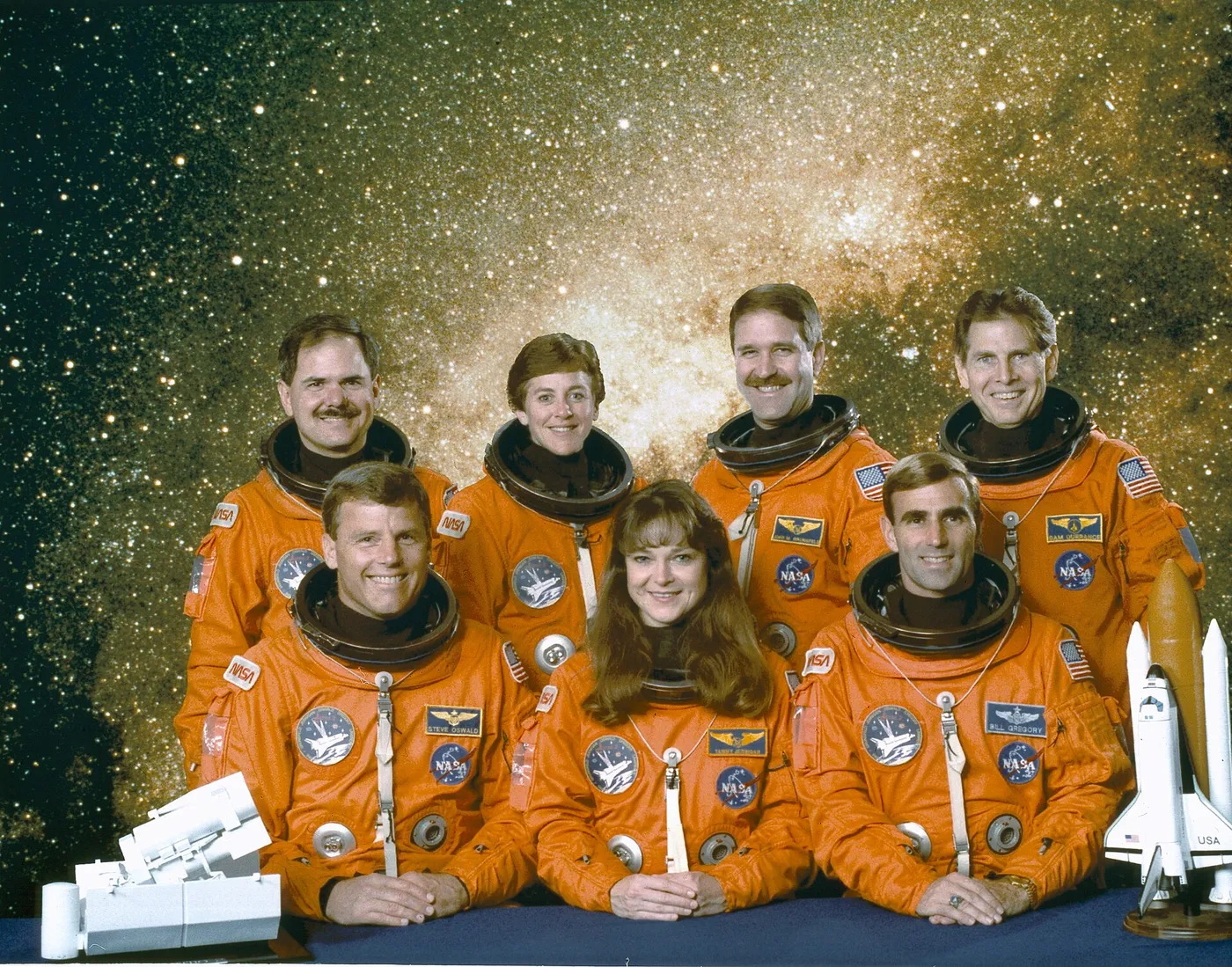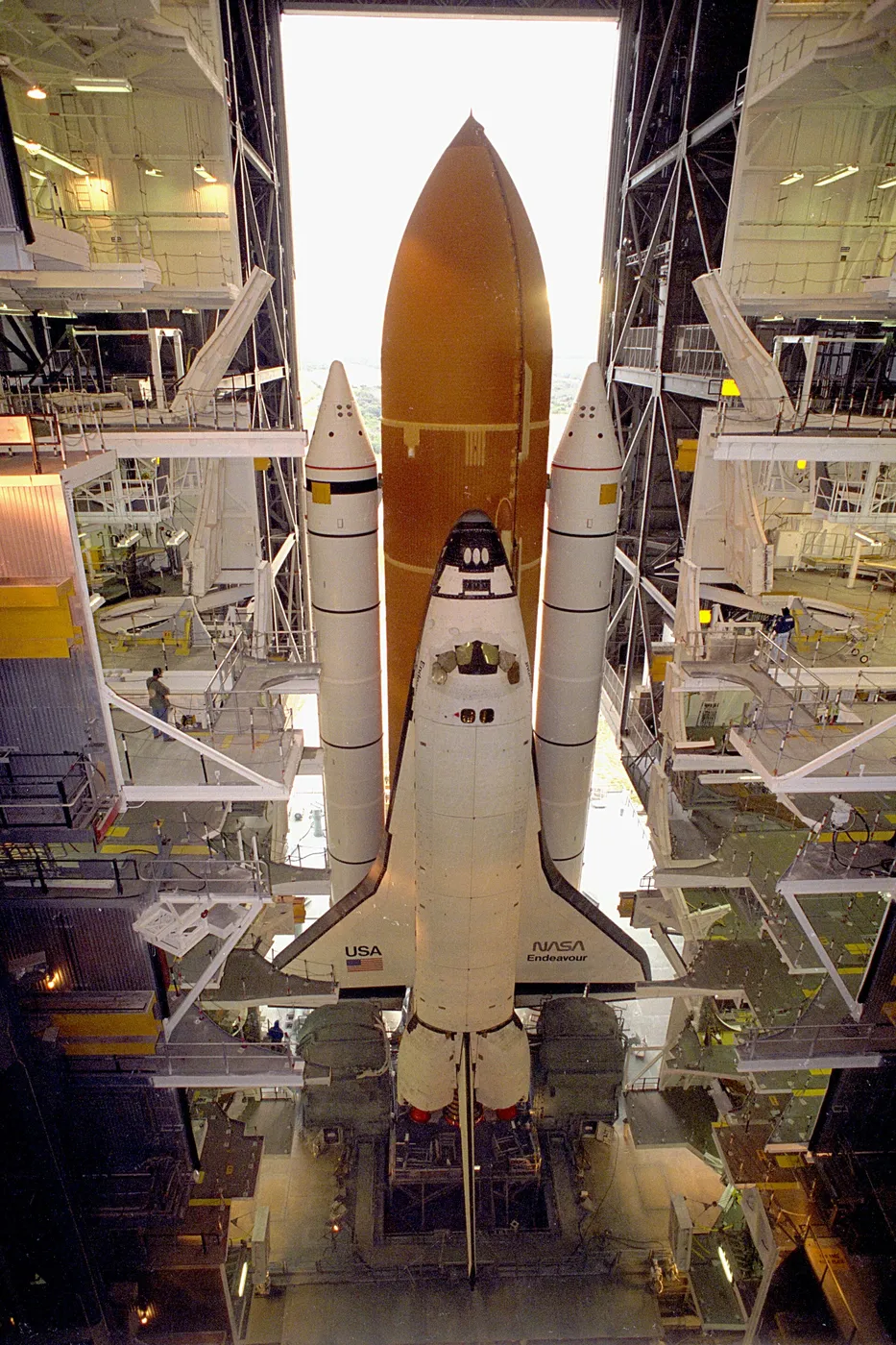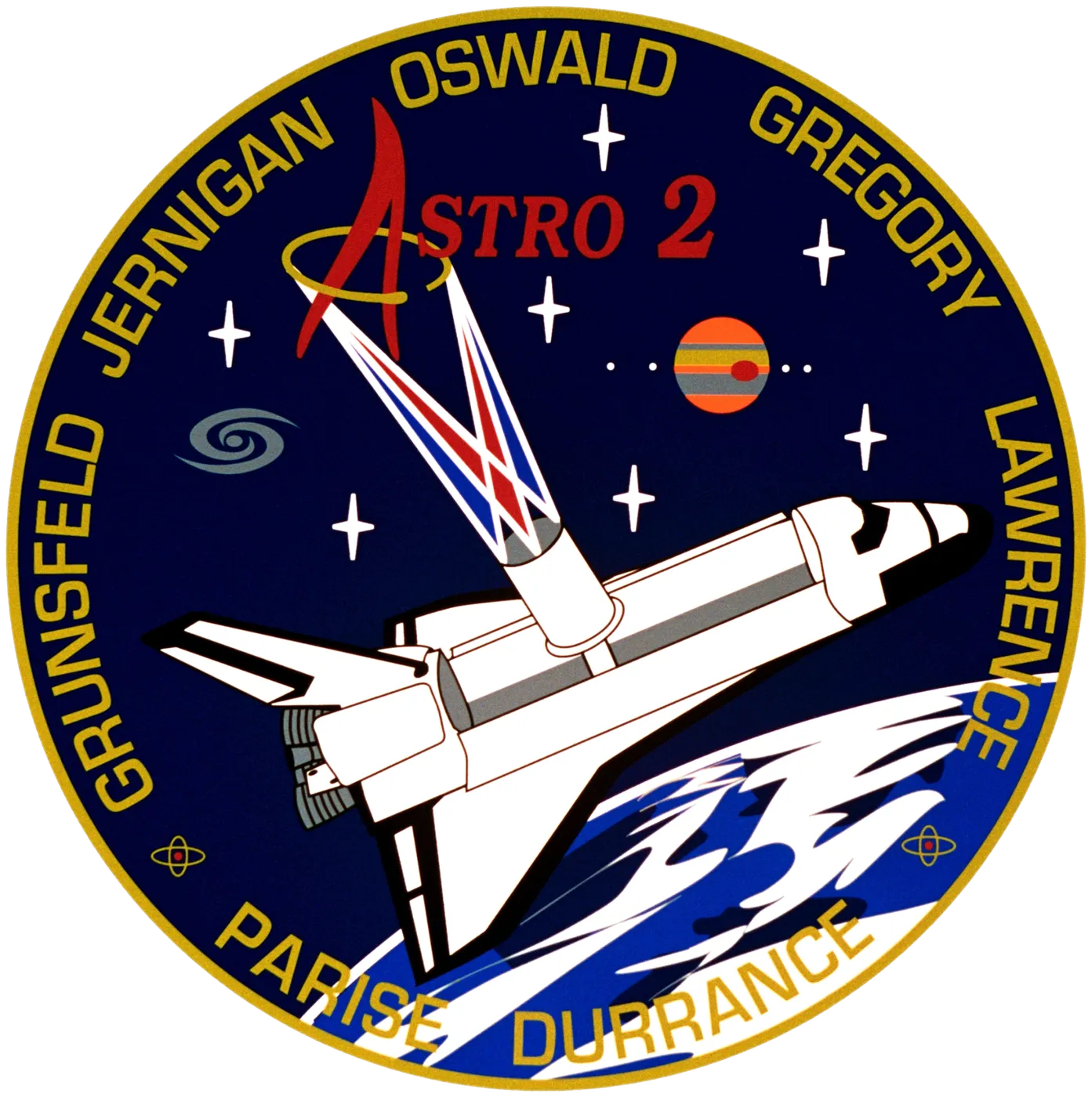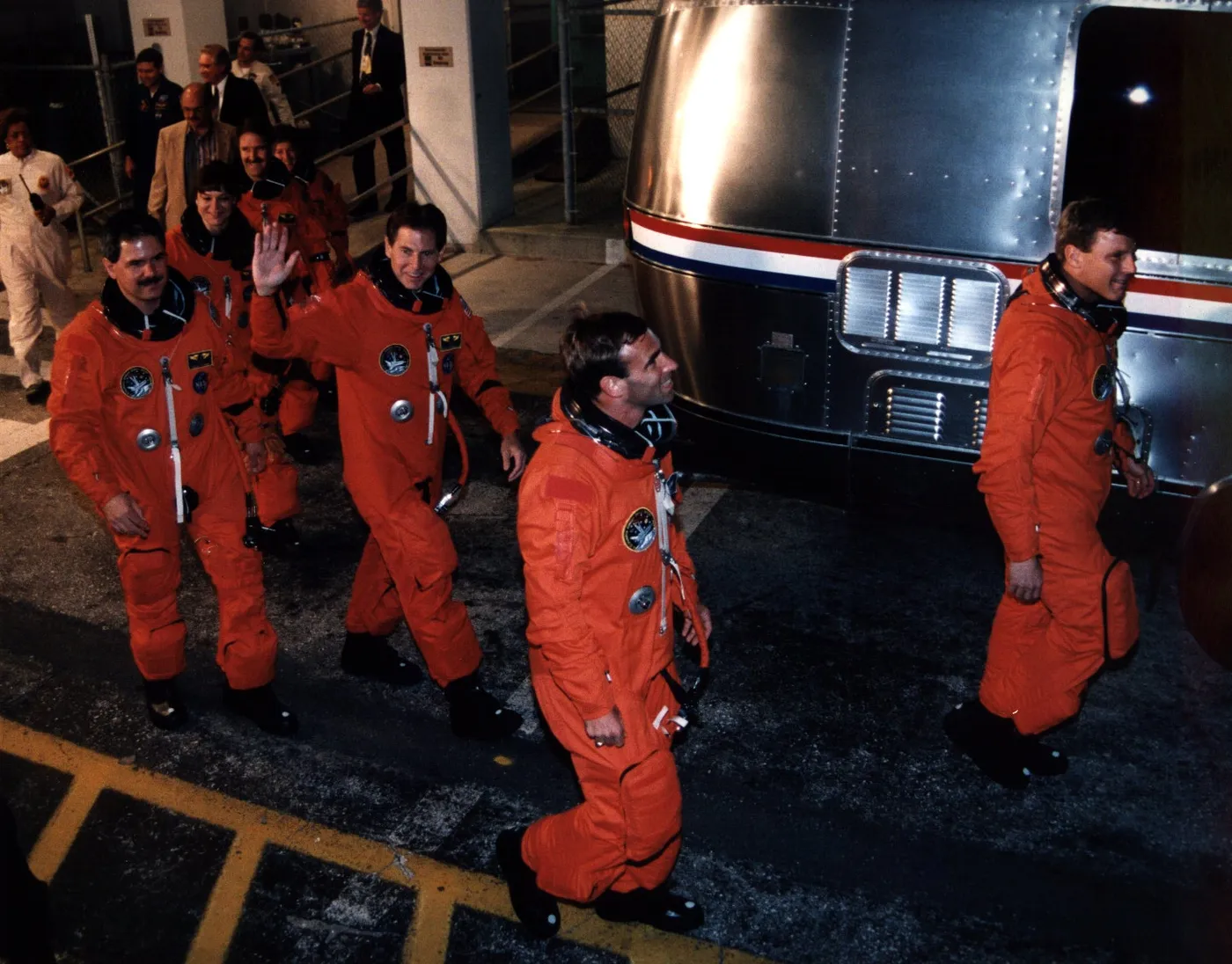
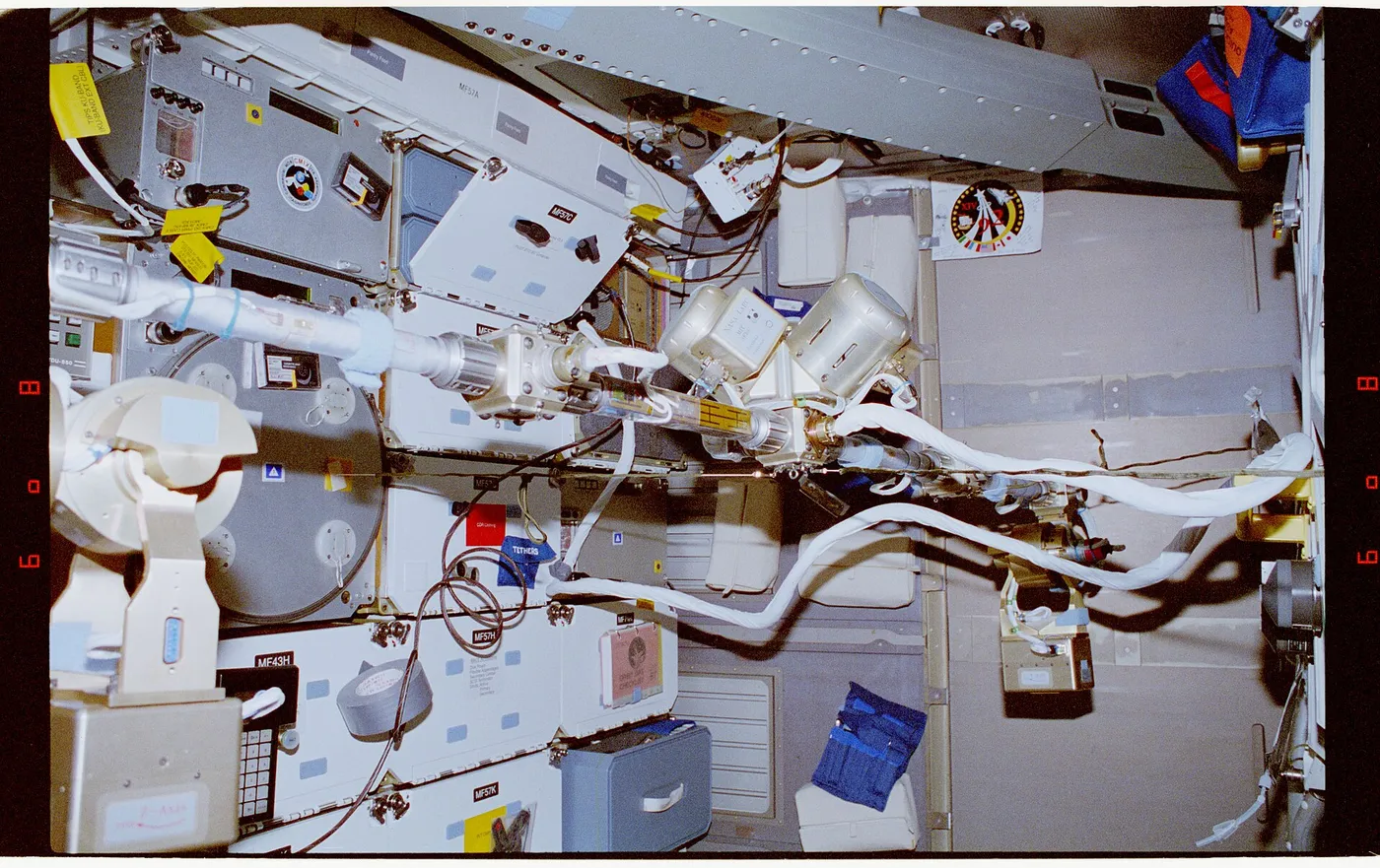
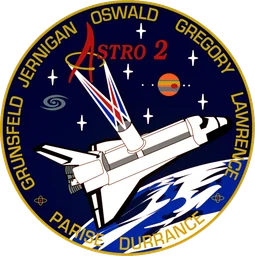
Endeavour flew the ASTRO-2 astronomy mission in March 1995, returning a cluster of ultraviolet telescopes to orbit to study the hot, energetic universe over an unusually long flight. The crew of seven, working in two shifts, gathered ultraviolet observations of thousands of celestial targets, from nearby planets to distant quasars, across more than sixteen days.
At the time it was the longest Shuttle mission ever flown, pushing the endurance of the extended-duration orbiter to new limits. The astronomers even engaged the public, letting classrooms follow their observations, in a mission that combined serious science with an early experiment in sharing spaceflight in near-real time. The record duration was itself a milestone on the road to the long station expeditions ahead.
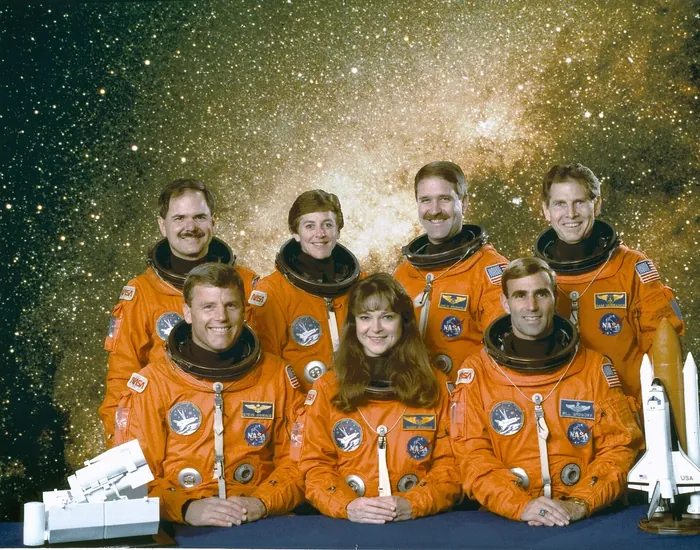
Astro-2 flew the ultraviolet telescopes that had struggled with broken pointing consoles in 1990, and this time everything worked. Endeavour stayed up for nearly seventeen days — the longest Shuttle mission to that point — with two shifts observing continuously and the instruments performing as their builders had always intended.
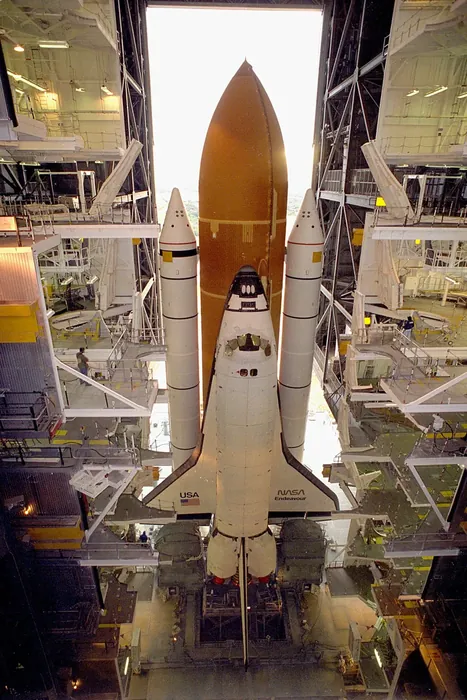
The science was substantial: a search for the intergalactic medium's primordial helium, ultraviolet surveys of hot stars and galaxies, and observations of Jupiter's aurora. Ultraviolet astronomy is impossible from the ground because the atmosphere absorbs it, and the Astro telescopes covered wavelengths even Hubble did not reach.
The mission also ran one of the earliest sustained public outreach efforts from orbit. The crew answered questions submitted over the then-novel World Wide Web, took requests from schools, and made amateur radio contacts with classrooms — an experiment in accessibility that reads as unremarkable now and was genuinely new in 1995.