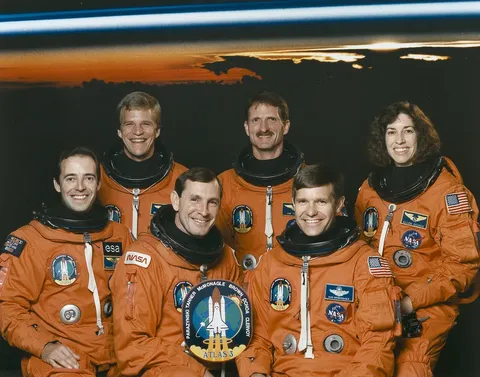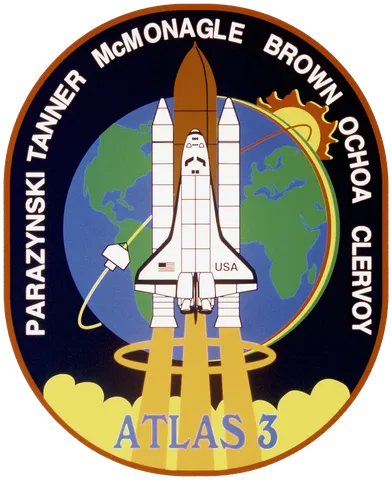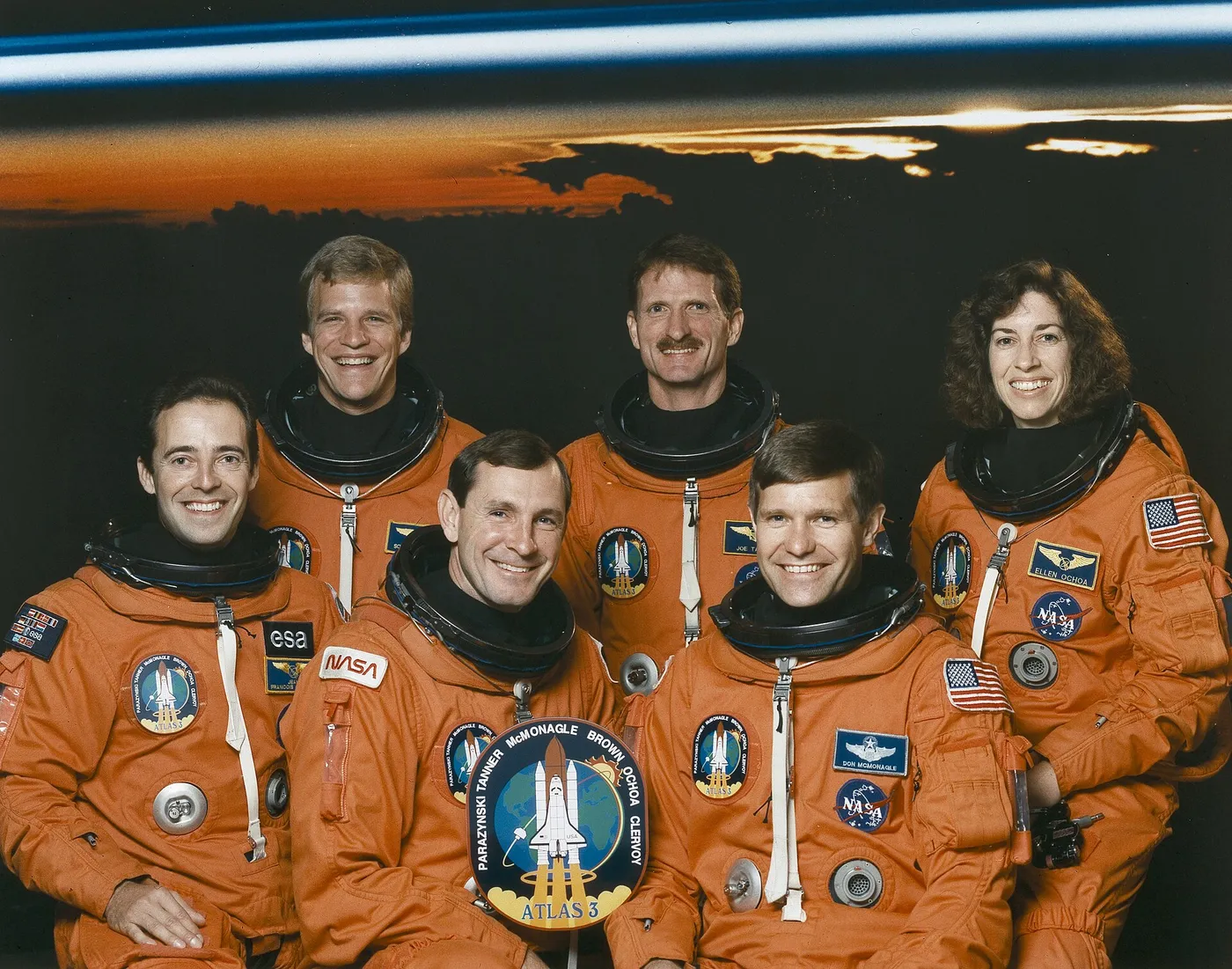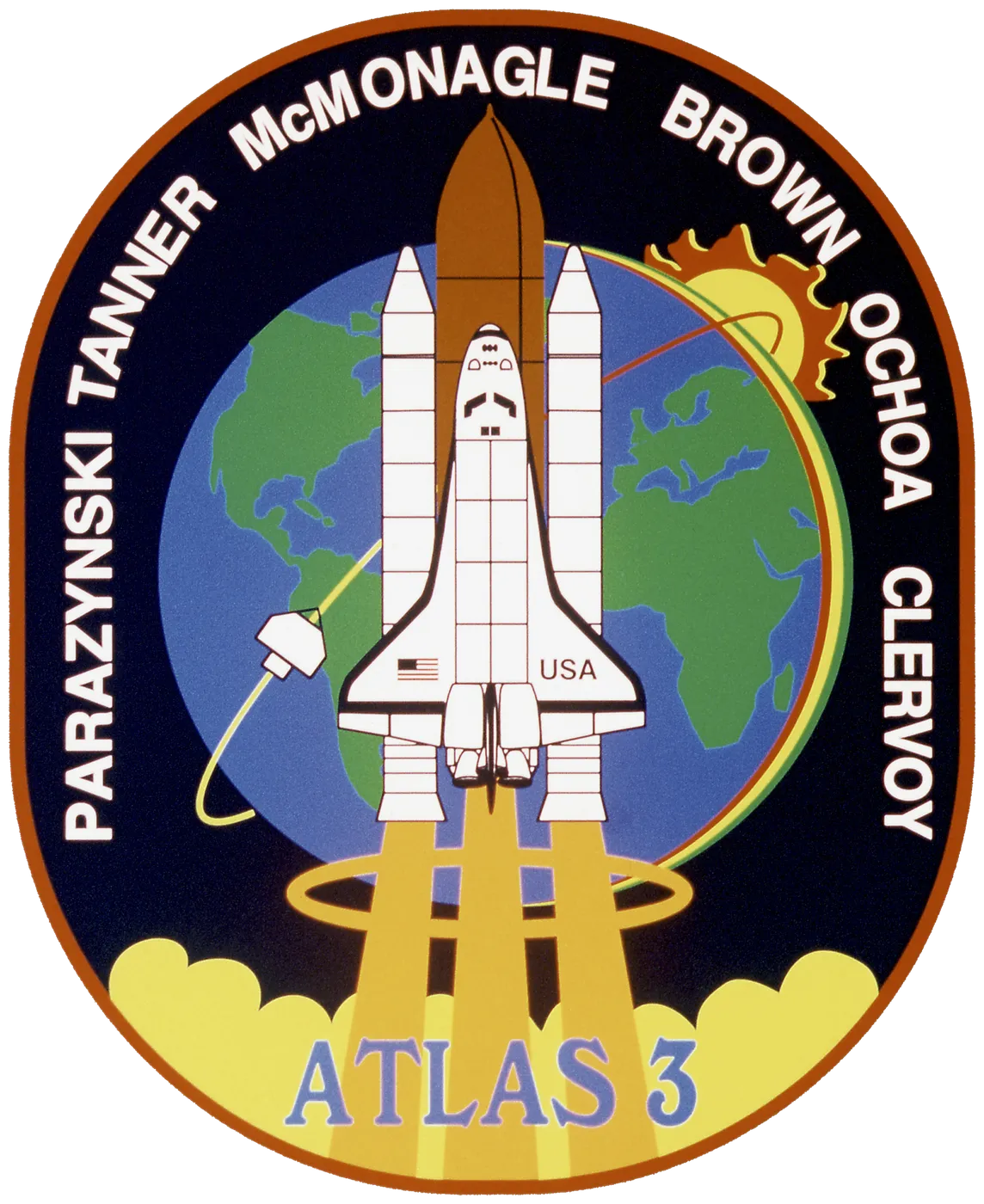
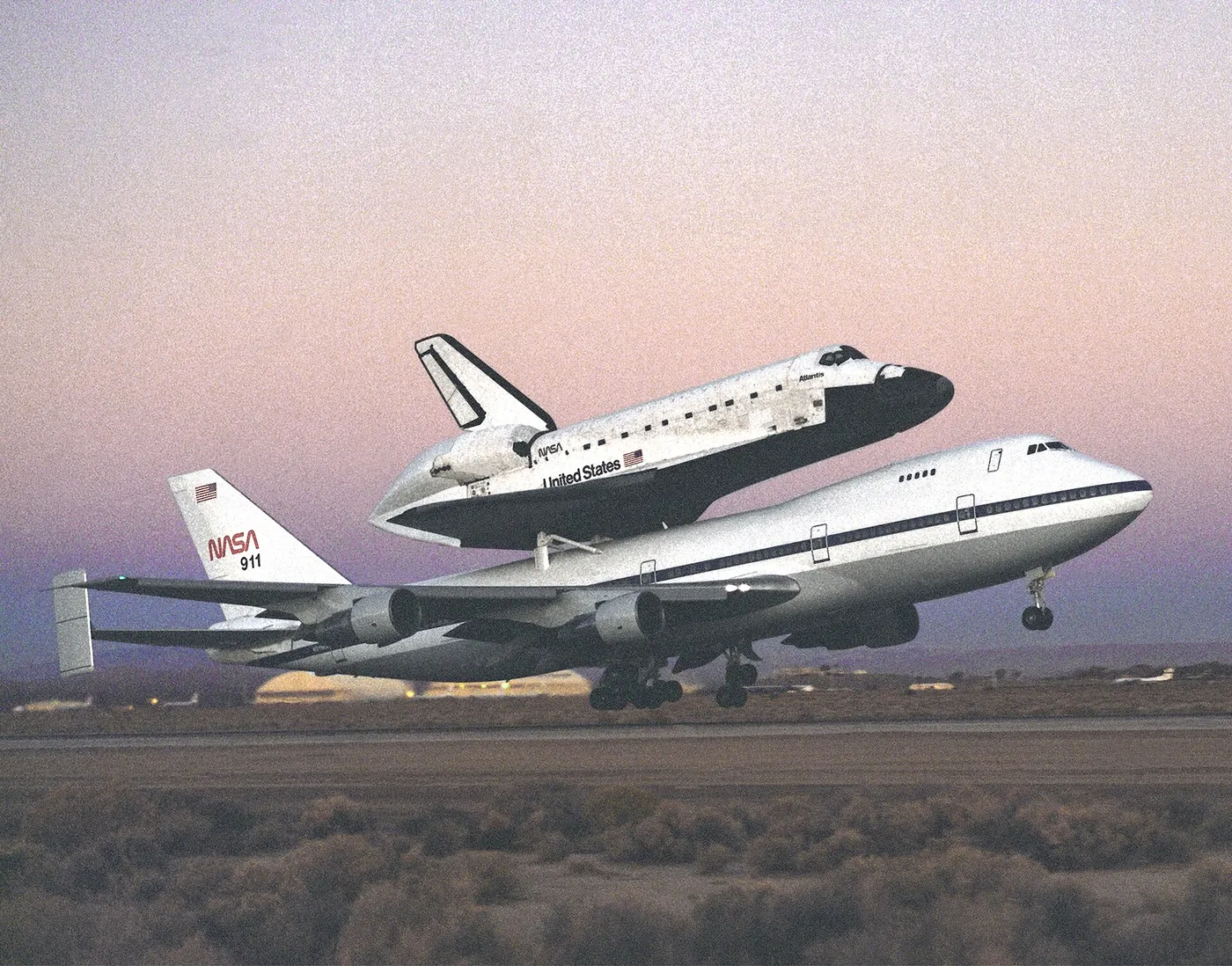
Atlantis flew the third ATLAS atmospheric-science mission in November 1994, continuing the long-running effort to track the Sun's output and the health of Earth's ozone layer as the solar cycle progressed. The crew of six operated the instrument pallet from the bay and deployed a free-flying platform to study the middle atmosphere before retrieving it days later.
The timing was deliberate, capturing atmospheric conditions as the Southern Hemisphere ozone hole was recovering from its seasonal peak. Combined with the earlier ATLAS flights, the mission built a multi-year picture of how solar energy drives atmospheric chemistry — data that helped scientists separate natural cycles from the human-driven ozone depletion that had prompted a landmark international treaty a few years earlier.
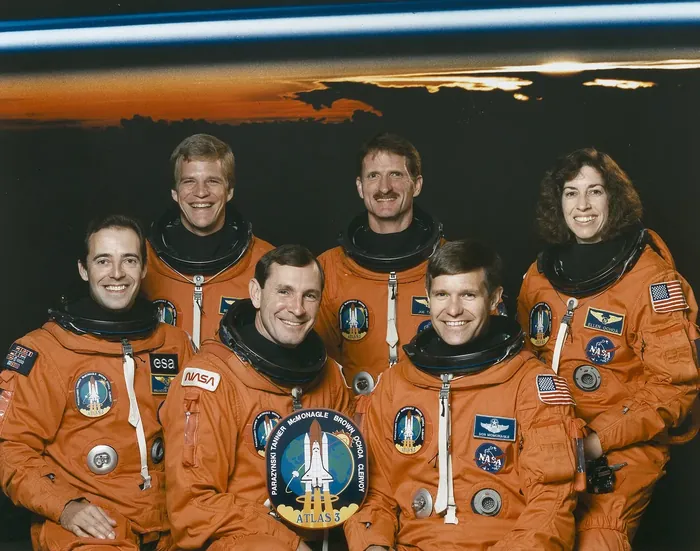
The third ATLAS mission completed the atmospheric series, flying its instruments once more to extend a consistent record of the ozone layer and the Sun's output across a substantial part of the eleven-year solar cycle. Consistency was the whole value: the same instruments, calibrated the same way, measuring the same quantities years apart.
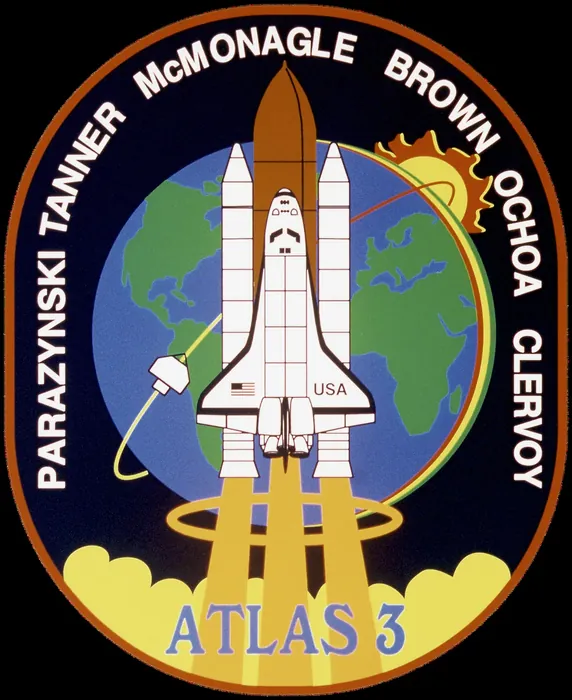
Atlantis also deployed and retrieved a German free-flying platform carrying an infrared spectrometer that mapped trace gases in the middle atmosphere at fine resolution, operating for eight days at a distance from the orbiter before being recaptured with the robotic arm — again exploiting the Shuttle's odd ability to be both a laboratory and a delivery van in the same week.
Aboard was Jean-François Clervoy of France, on the first of three flights that would take him to Mir and then to Hubble. By late 1994 the European presence on the Shuttle had become routine rather than remarkable, which was itself a considerable change from a decade earlier.