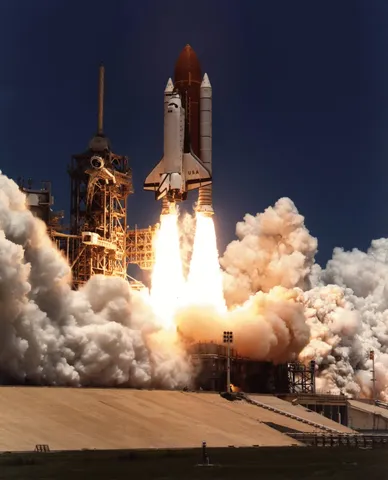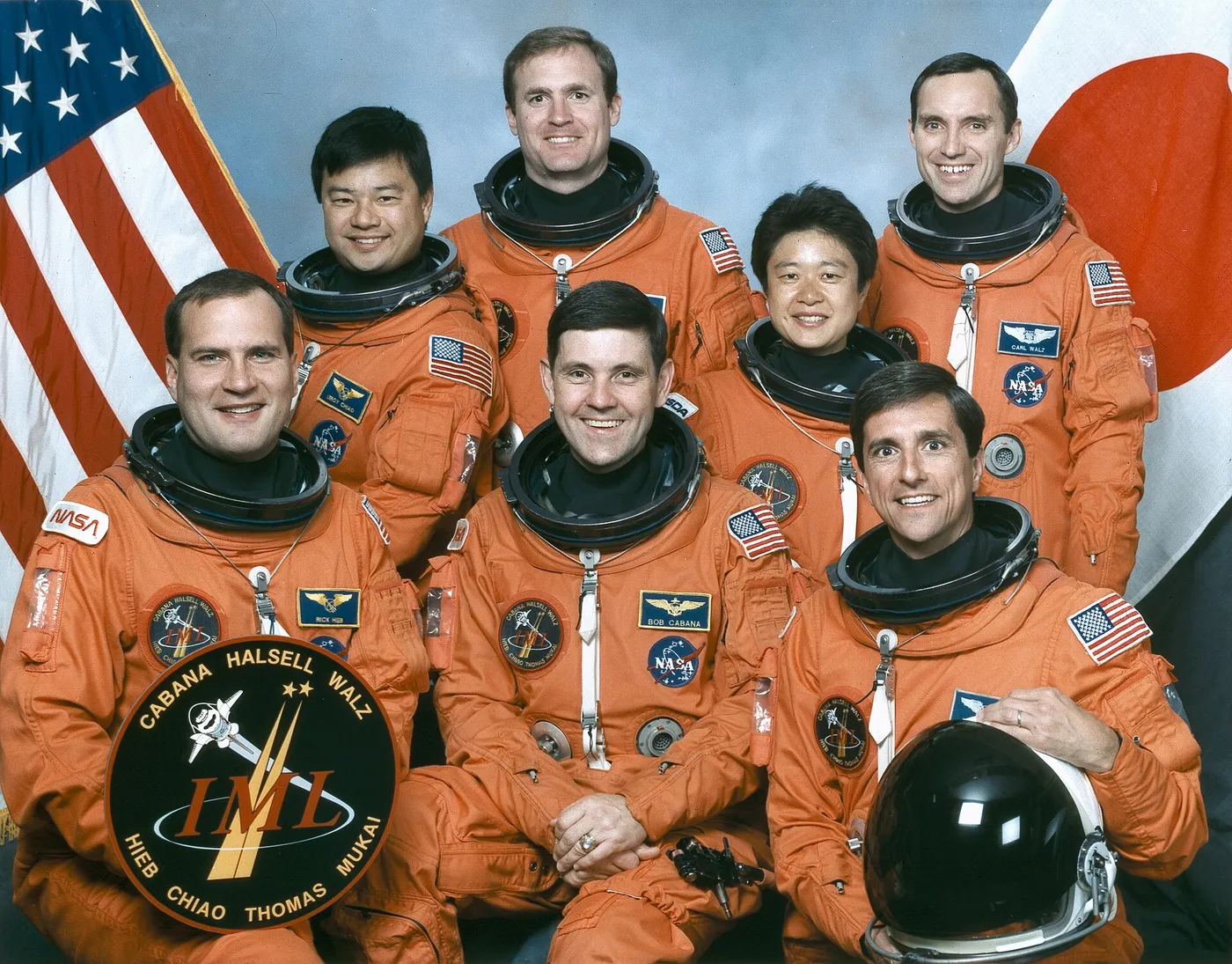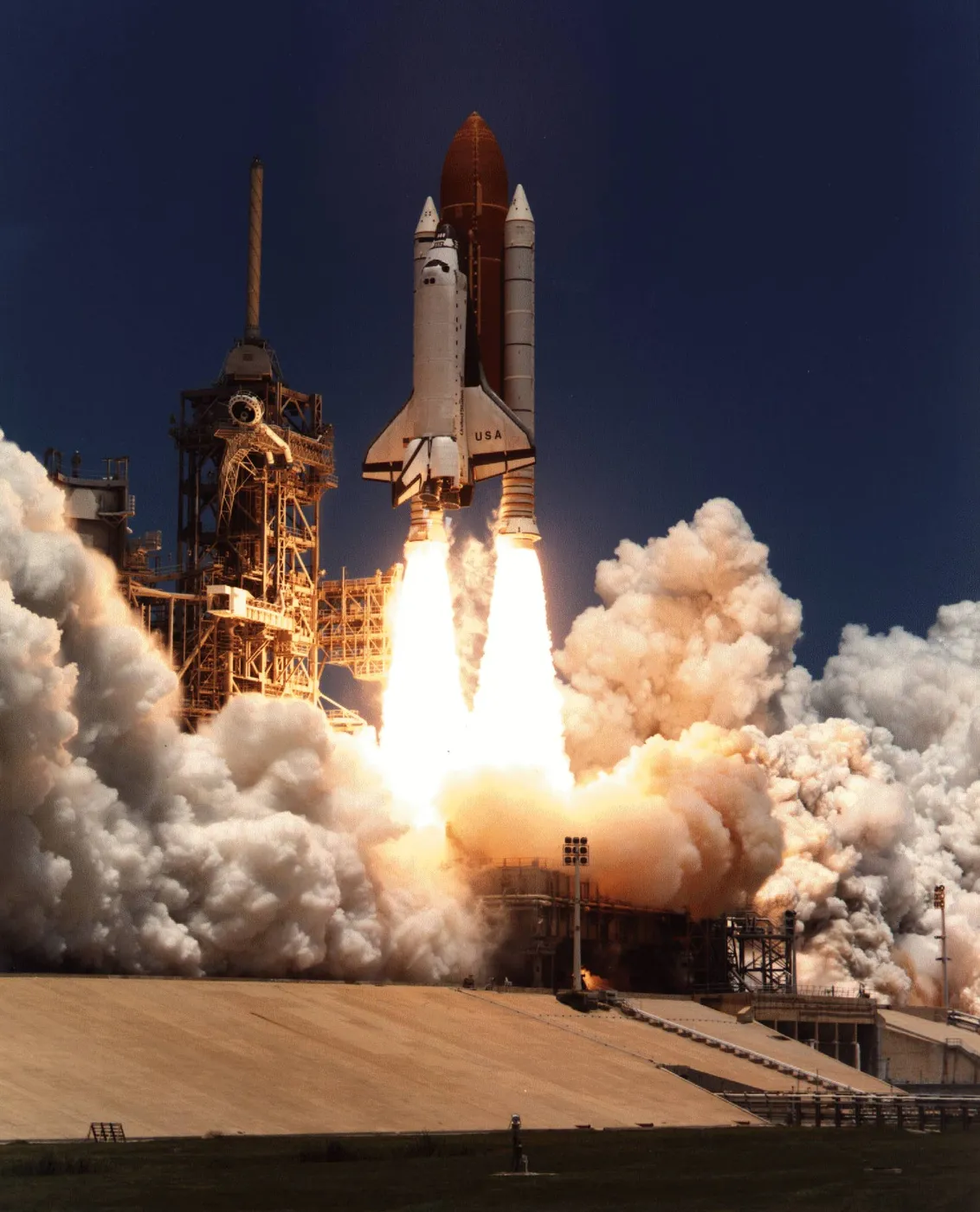
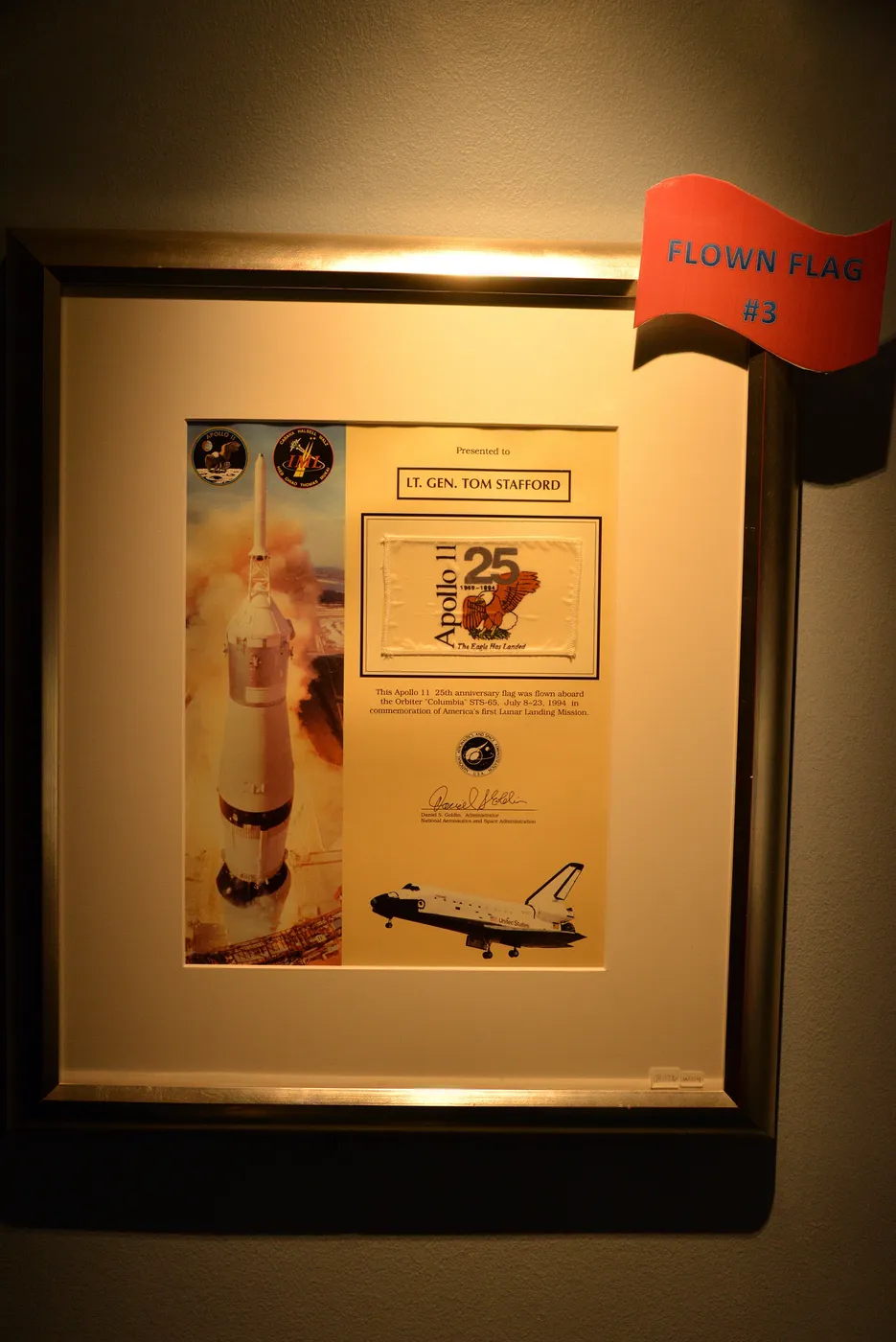

Columbia flew the second International Microgravity Laboratory in July 1994, a Spacelab mission pooling experiments from around the world into a single shared research flight. The crew of seven worked in two shifts for more than two weeks, studying how materials solidify and how living organisms respond to weightlessness.
Among the crew was Chiaki Mukai, the first Japanese woman in space, part of an international science team. At nearly fifteen days the flight was among the longest yet, and its dense program of experiments — from protein crystals to the development of fish and newts in orbit — reflected the collaborative, multinational model of research that the International Space Station would soon make permanent.
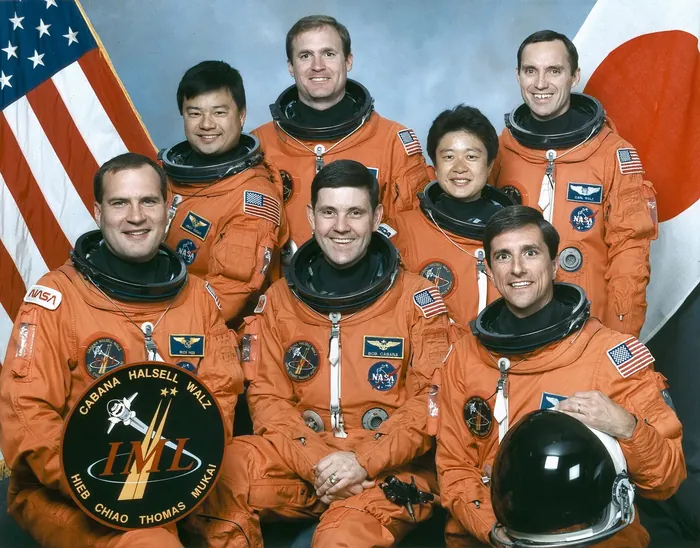
The second International Microgravity Laboratory carried more than eighty experiments from six space agencies through fifteen days in July 1994, the longest Shuttle flight to that point. It was a laboratory in the fullest sense: two shifts working around the clock in a Spacelab module on crystal growth, combustion, cell biology and the physiology of the crew themselves.

Aboard was Chiaki Mukai, a cardiovascular surgeon who became the first Japanese woman in space. She had been selected a decade earlier and had waited through the post-Challenger backlog to fly; her research on how the heart and blood vessels adapt to weightlessness ran alongside her duties as a laboratory operator, and she returned four years later on the flight that carried John Glenn.
The mission also flew several hundred Japanese newts, whose eggs were fertilised in orbit to see whether vertebrate development proceeds normally without gravity — it largely does — and a much-photographed set of experiments in which the crew studied the shapes that liquids take when only surface tension is holding them together.