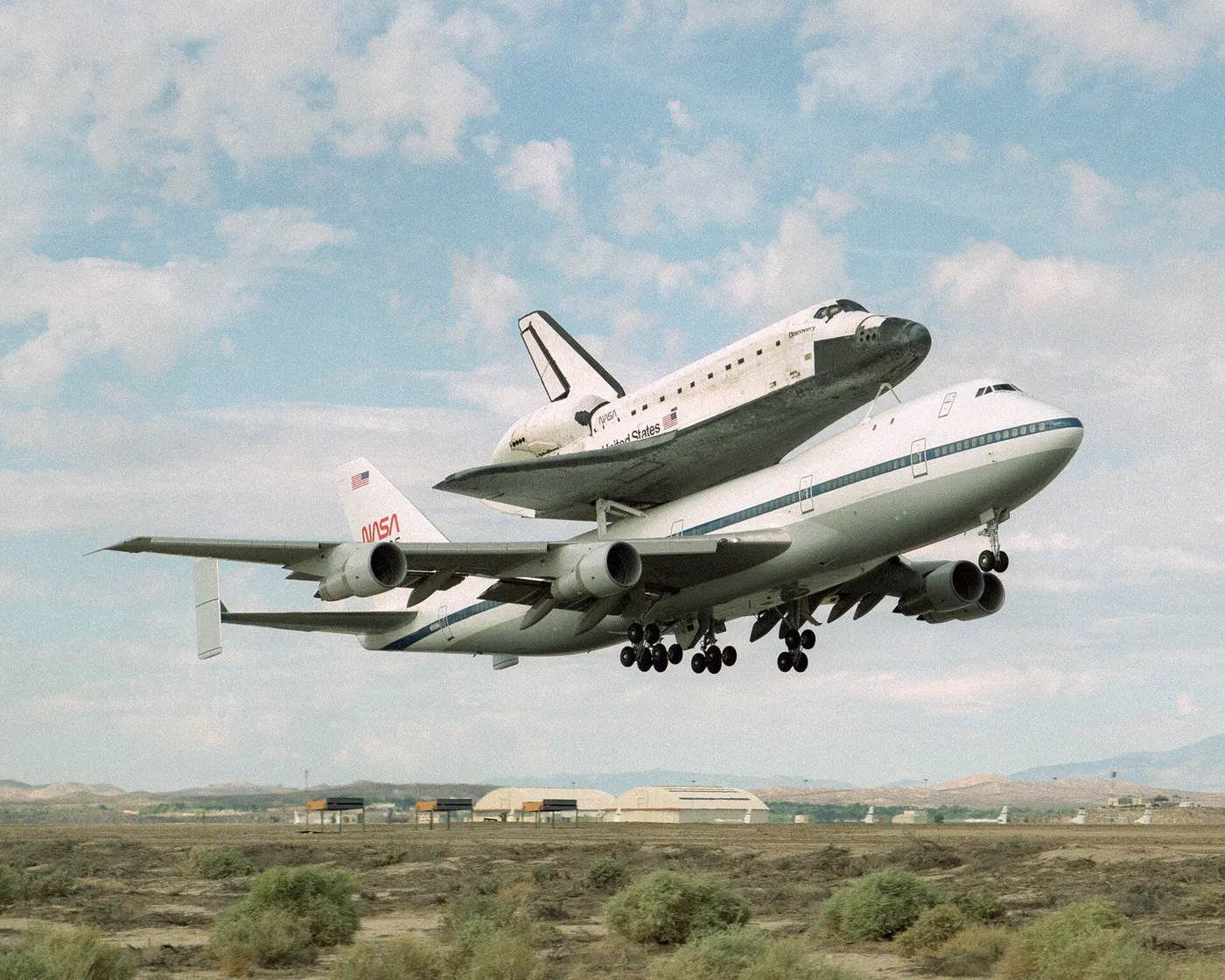
Discovery's September 1994 flight tested a laser instrument for probing the atmosphere and revived a capability unused for a decade. The crew of six ran a lidar that fired pulses of light down through the air to measure clouds, dust and pollution, pioneering a technique later flown on dedicated Earth-observing satellites.
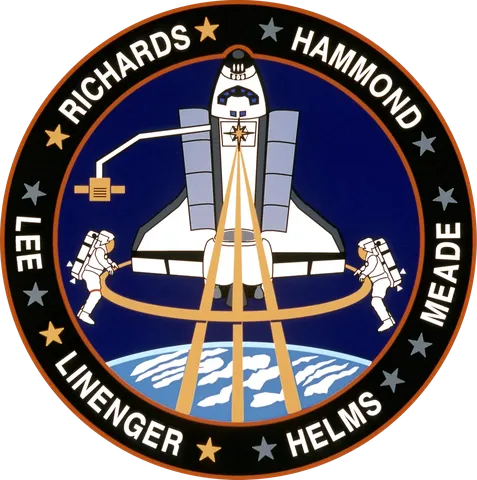
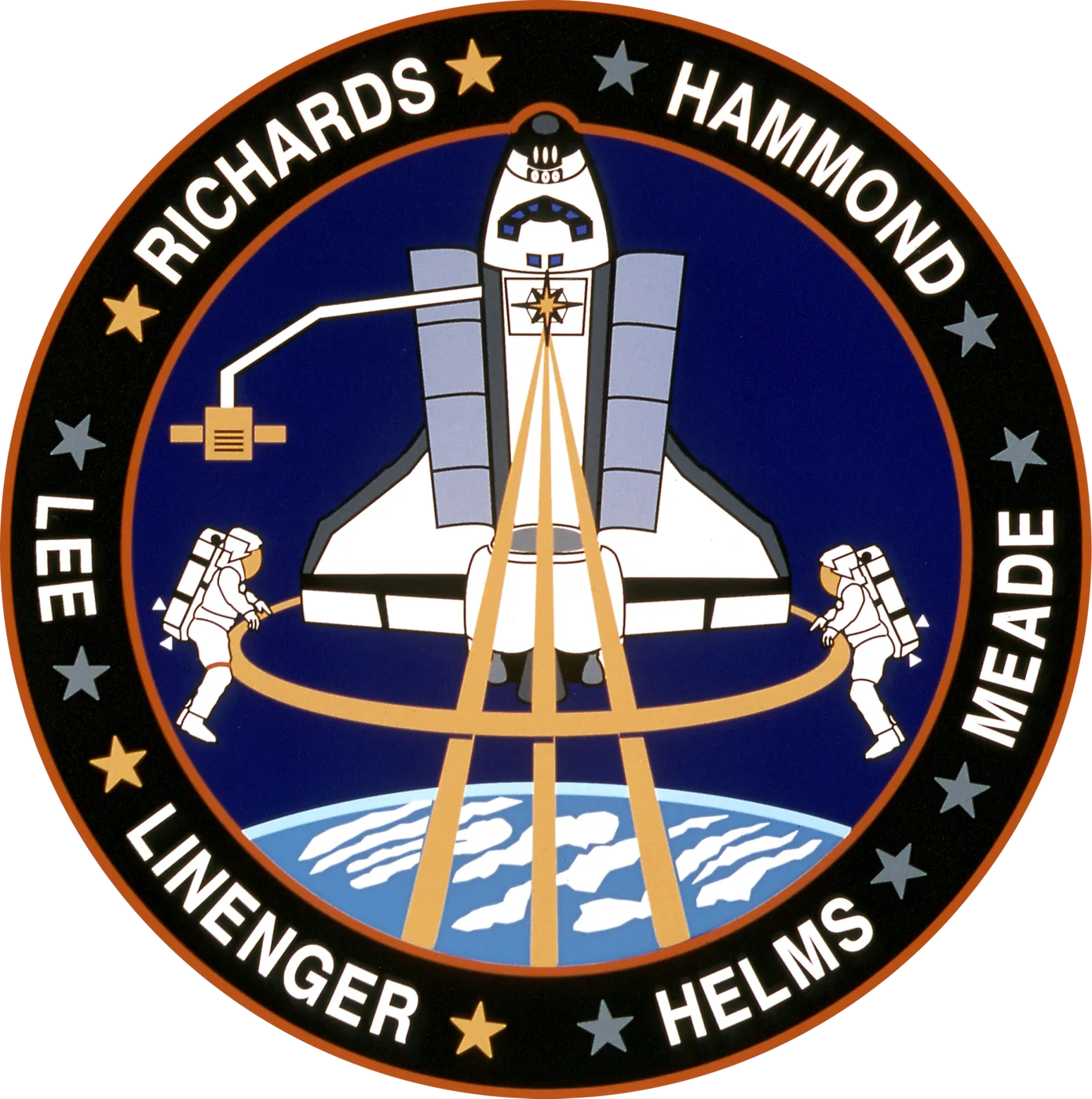
The mission's boldest moment came when astronauts Mark Lee and Carl Meade flew untethered outside the orbiter using a new self-rescue jetpack — the first untethered spacewalk since 1984, testing a device meant to let a drifting station crew member fly back to safety. The crew also deployed and retrieved a free-flying solar telescope. The flight blended atmospheric science with a vivid demonstration of a safety tool for the station era.
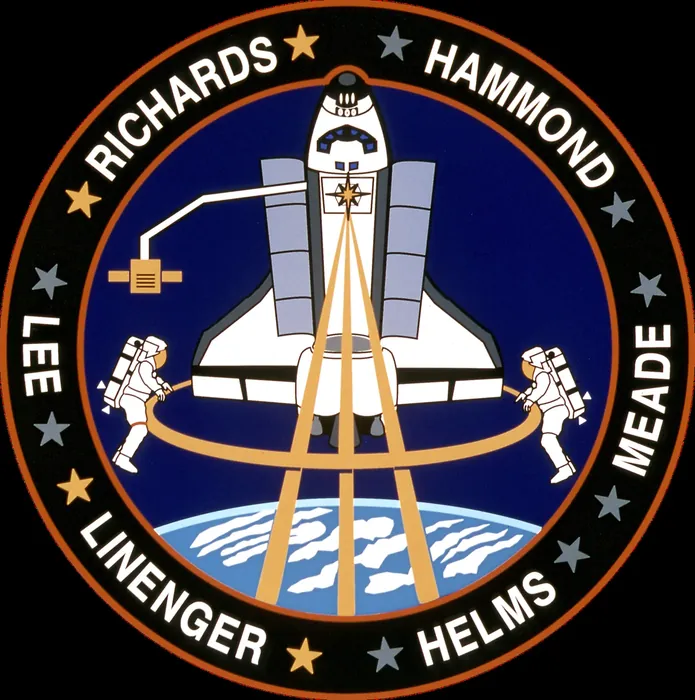
Discovery carried the first lidar ever flown in space, an instrument that fired laser pulses at the atmosphere and timed the light scattered back to build vertical profiles of clouds, dust and pollution. Ground radar and passive satellites could see the atmosphere from outside; this could slice through it, and the technique now underpins several major climate satellites.
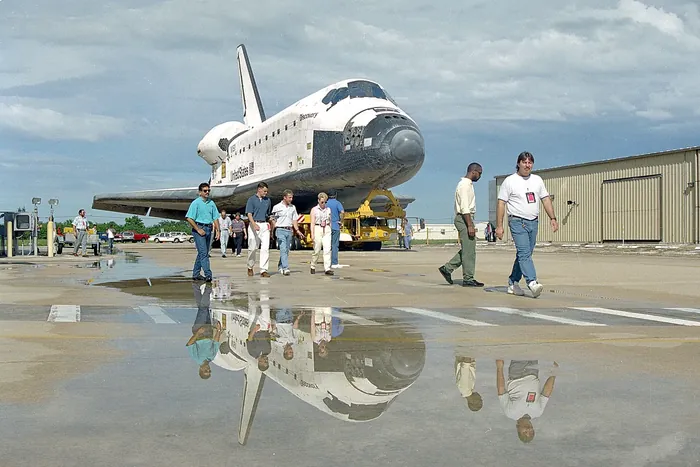
The flight also produced the first untethered spacewalk in a decade. Mark Lee and Carl Meade tested SAFER, a small nitrogen-jet backpack designed not for flying about like the ambitious manoeuvring units of the 1980s, but purely as a rescue device — enough thrust for an astronaut who somehow came adrift from a station to get back. Every spacewalker on the ISS has worn one since.
Testing it meant deliberately letting go, and the pair took turns drifting free above the payload bay and flying themselves back, a spectacle that looked far more relaxed than the checklists behind it suggested. The crew also deployed and retrieved a free-flying platform that observed the orbiter's own contamination environment from a distance.