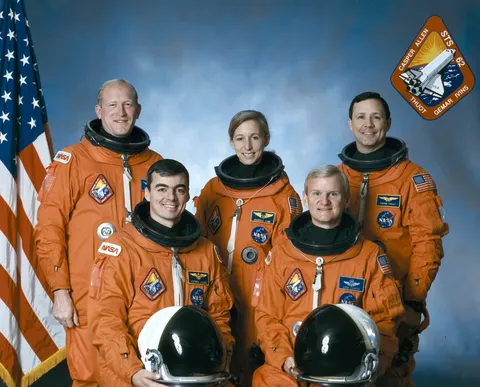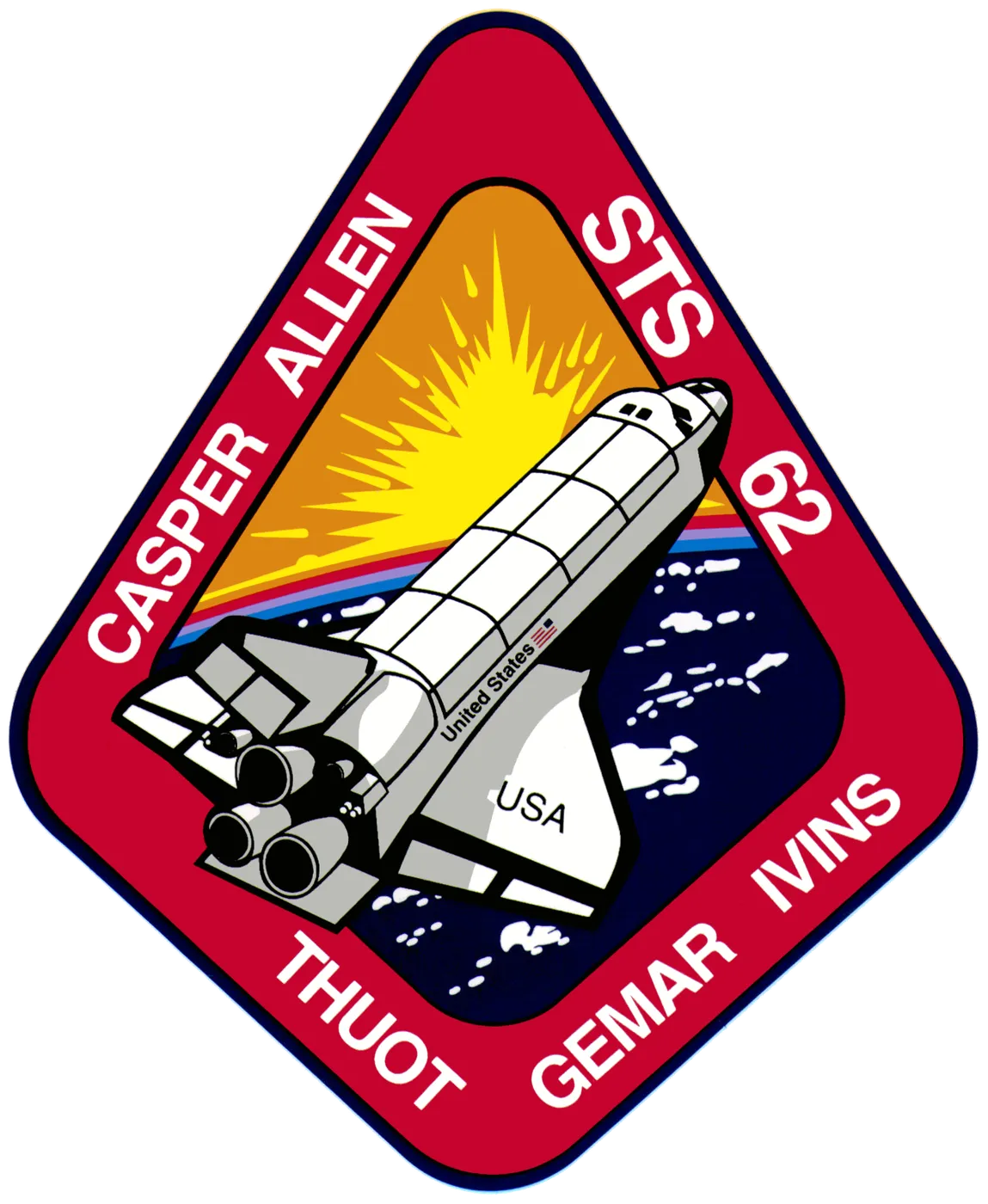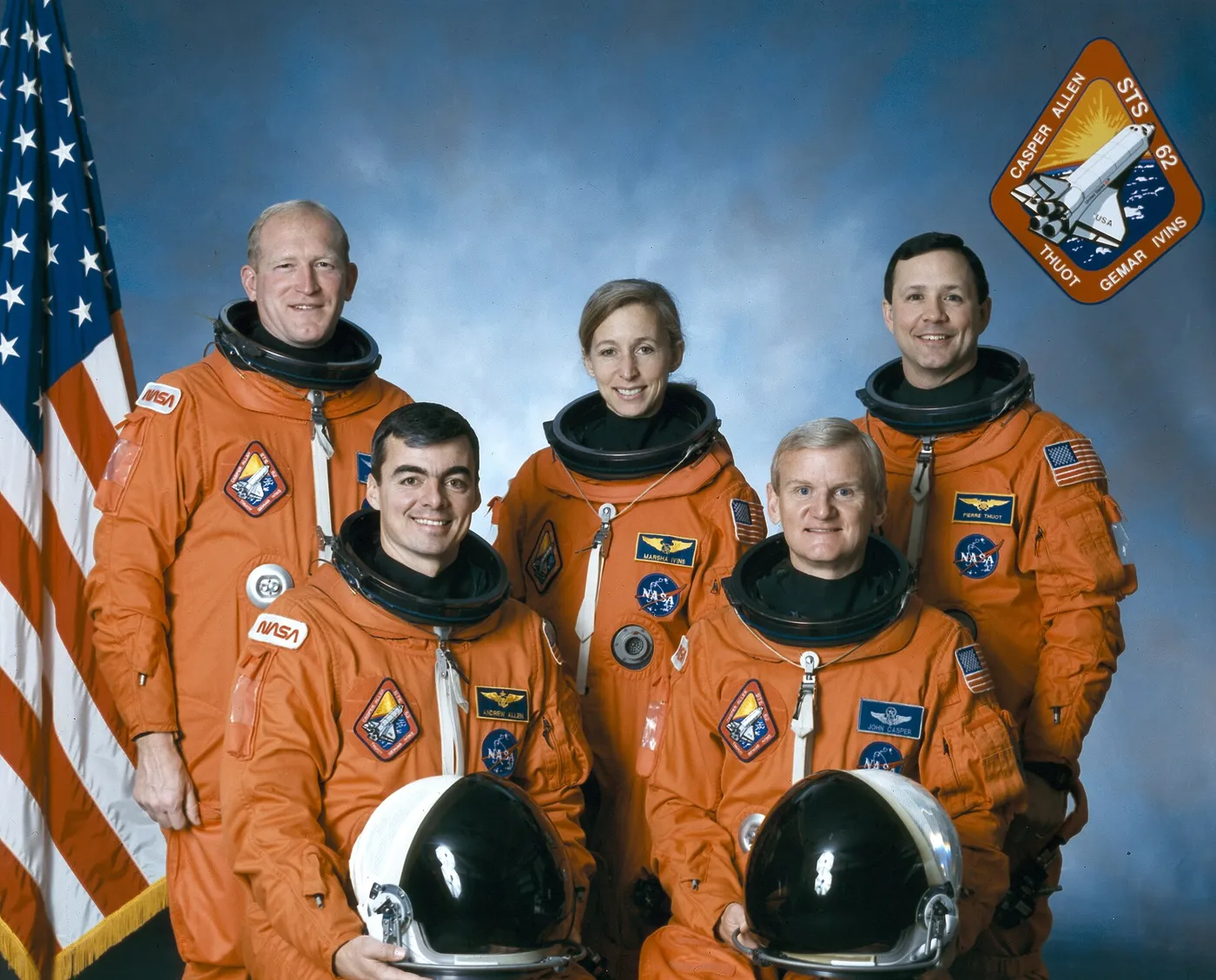
Columbia flew the second United States Microgravity Payload in March 1994, a two-week materials-science mission that returned to the quiet, patient work of understanding how substances behave without gravity. The crew of five tended experiments growing crystals and processing metals and alloys in the stillness of orbit, seeking insights useful to industry back on Earth.
The flight also tested technologies for future spacecraft, including instruments to measure the subtle accelerations that disturb delicate experiments and equipment for robotic operations. At nearly fourteen days, the mission continued proving out the extended-duration hardware that let the fleet sustain long research flights — capability that would be essential once the Shuttle began supporting a permanently crewed station.
Columbia spent nearly fourteen days in March 1994 doing something deceptively difficult: keeping still. The second United States Microgravity Payload needed the quietest possible environment for crystal growth and fluid experiments, and the flight was largely an exercise in minimising the vibrations that a spacecraft full of pumps, fans and moving humans inevitably produces.
A dedicated set of accelerometers measured that environment in detail — the low-frequency tug of atmospheric drag, the jolt of thruster firings, the buzz of equipment and the thump of a crew member pushing off a wall. The resulting characterisation of what 'microgravity' actually means aboard a real vehicle shaped how every later experiment was designed and mounted.
The crew also flew the orbiter deliberately low, dipping to around 140 kilometres to expose materials samples to atomic oxygen, the corrosive single-atom form of oxygen that erodes spacecraft surfaces in low orbit. It was the sort of patient, characterising work that rarely makes news and that later station research quietly rests upon.