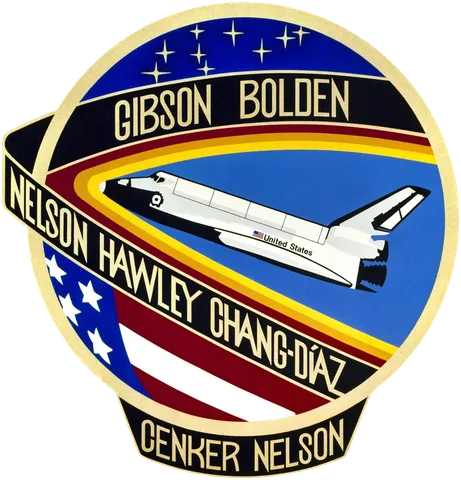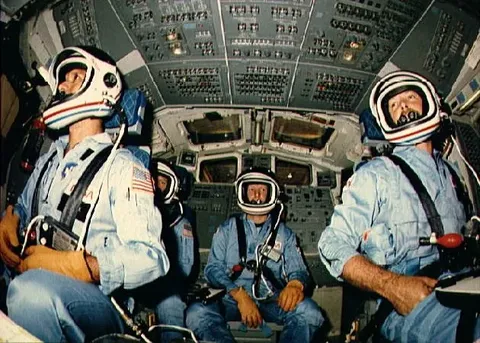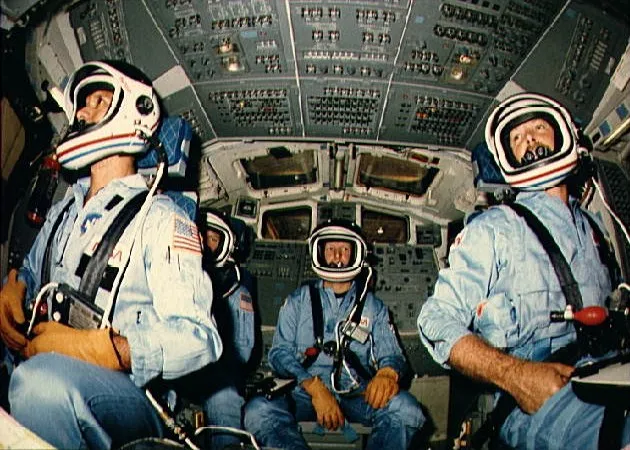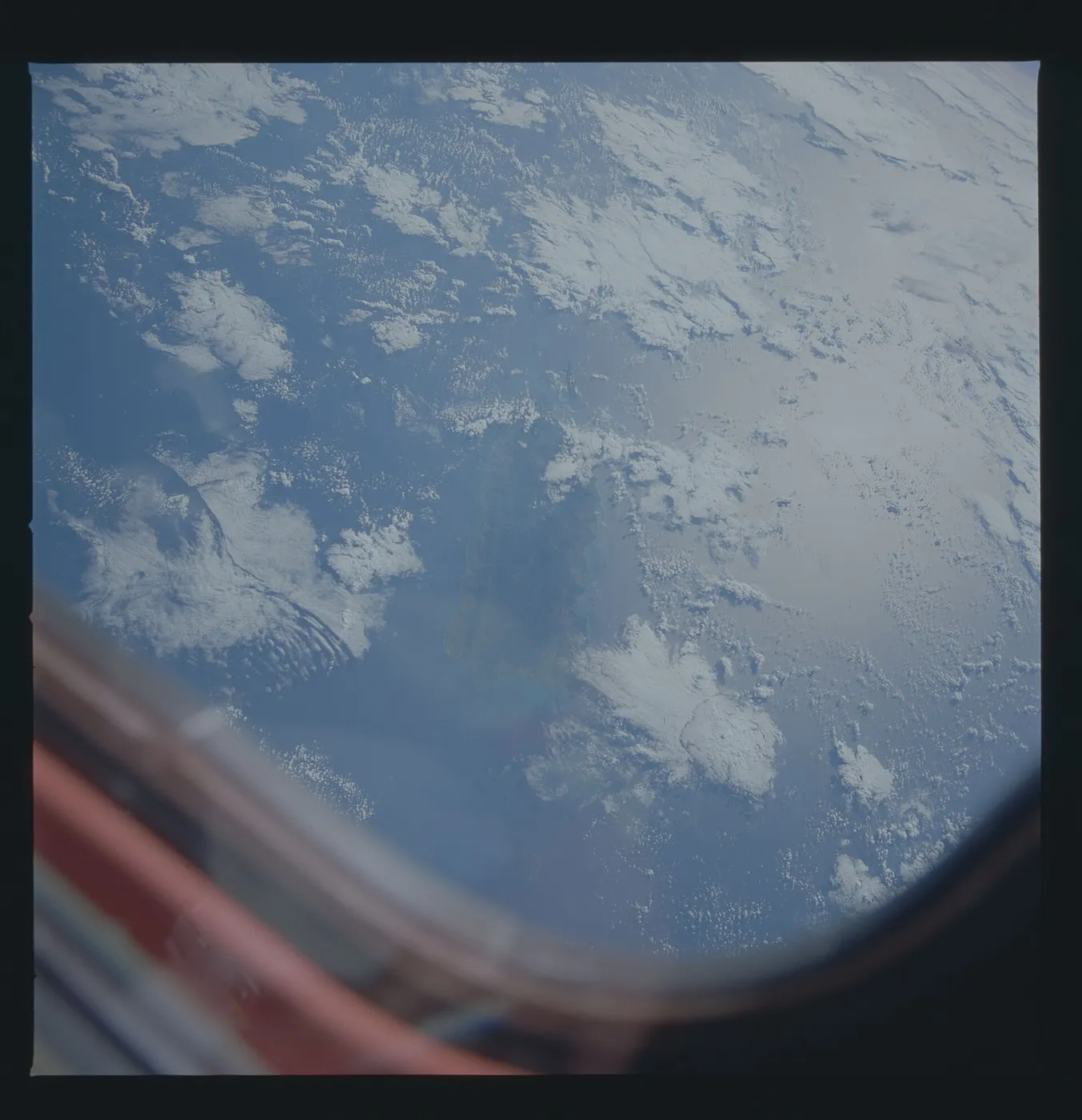
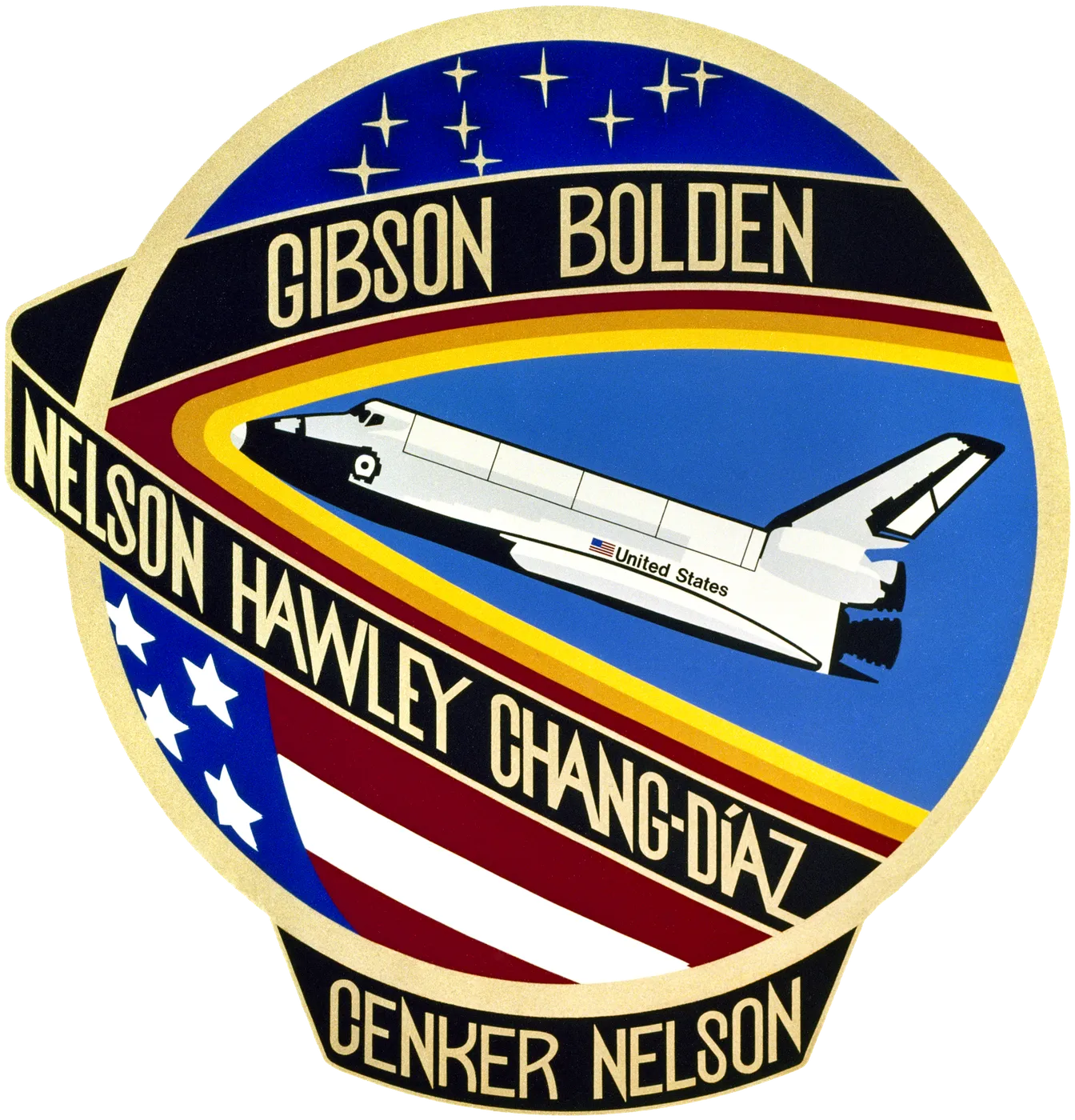
Columbia's January 1986 flight was plagued by delays, scrubbed again and again by weather and technical faults until it finally reached orbit on its seventh attempt. Aboard was Congressman Bill Nelson of Florida, flying as an observer over the district that included the launch site — and decades later the man who would run NASA — along with Franklin Chang-Diaz, the first Hispanic American in space.
The crew of seven deployed a communications satellite and ran a slate of experiments over six days before more bad weather diverted the landing to California. It was an unremarkable mission in itself, but its endless delays had knock-on effects on the tightly packed launch schedule — pressure that would loom over the very next flight, just ten days later.
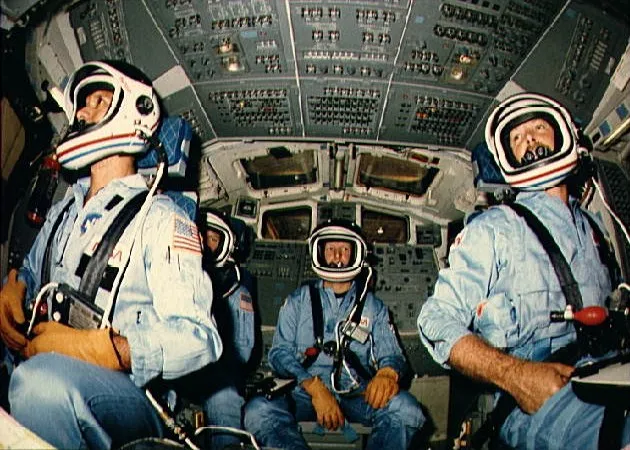
Columbia's January 1986 flight was delayed seven times, a programme record, slipping from December through a fortnight of weather and technical scrubs that included two launch attempts halted in the final half-minute. The repeated postponements contributed to a growing institutional impatience about schedule that would matter enormously within days.
Aboard was Congressman Bill Nelson of Florida, the second politician to fly and the chair of the House space subcommittee — a passenger arrangement that ended abruptly and permanently the following week. Also aboard was Franklin Chang-Díaz, born in Costa Rica, the first Hispanic-American astronaut, who would go on to fly seven times and later develop plasma rocket engines.
Columbia landed at Edwards on 18 January 1986. Ten days later Challenger was destroyed, and everything about this flight — the citizen passengers, the crowded manifest, the pressure to launch on schedule — became evidence in an investigation. It was the last Shuttle mission of the programme's first era, and nothing after it was flown the same way.