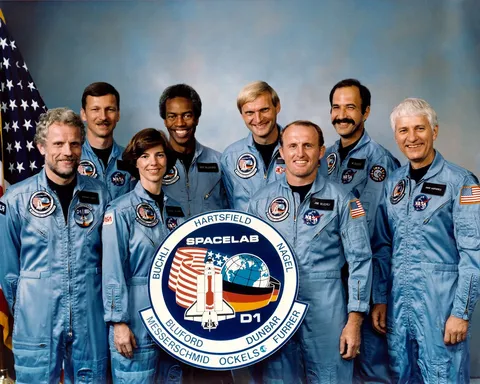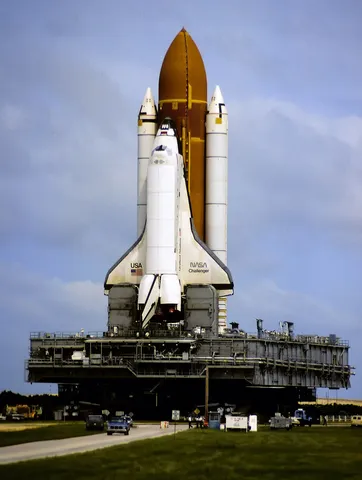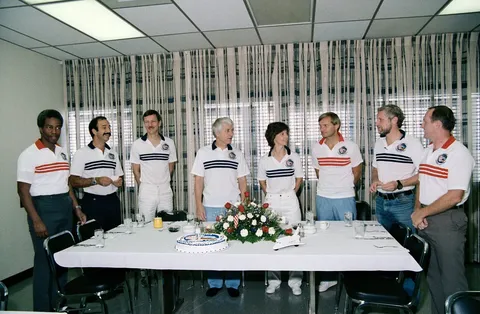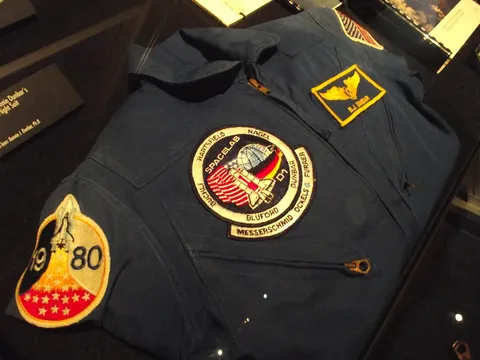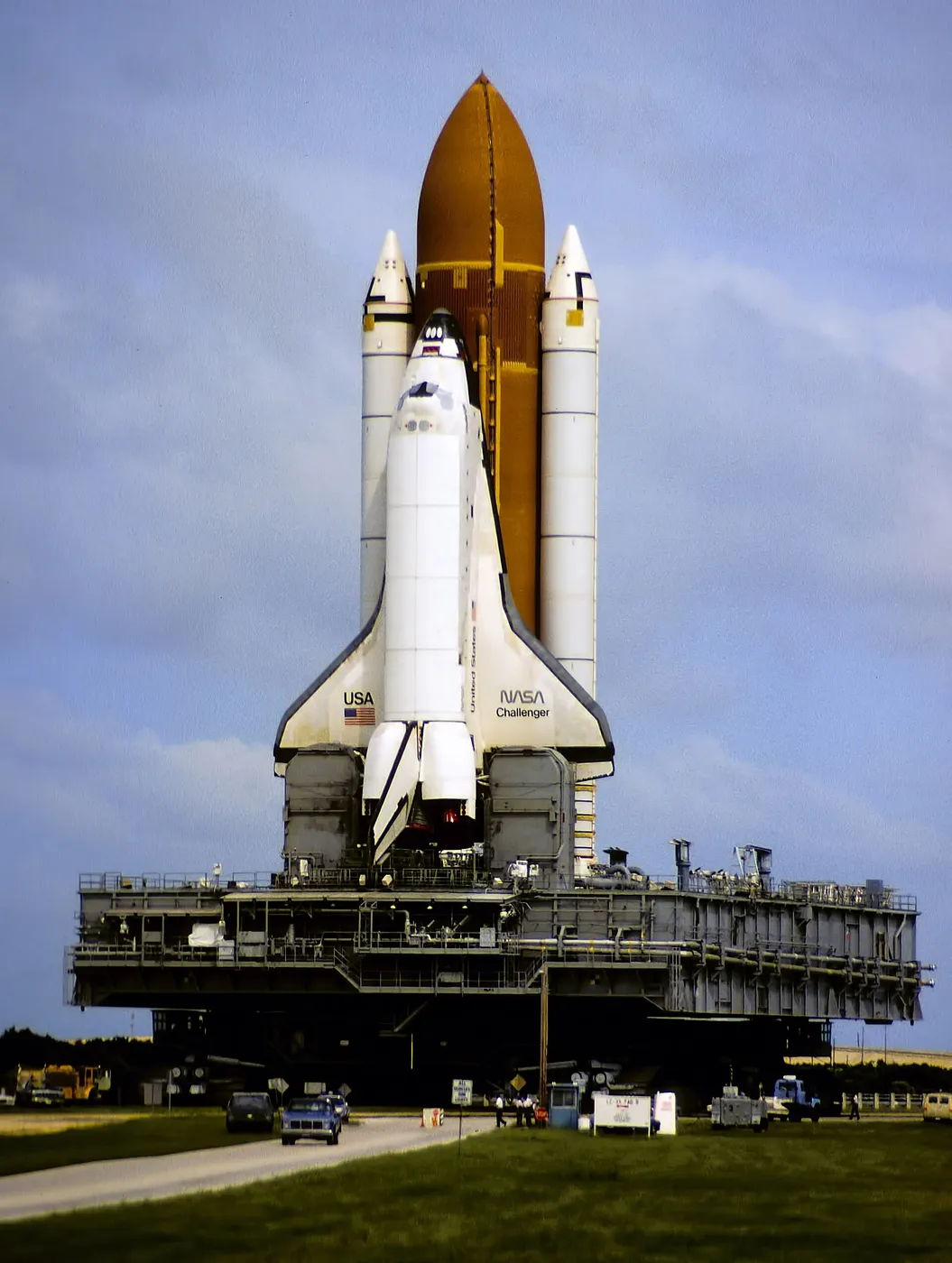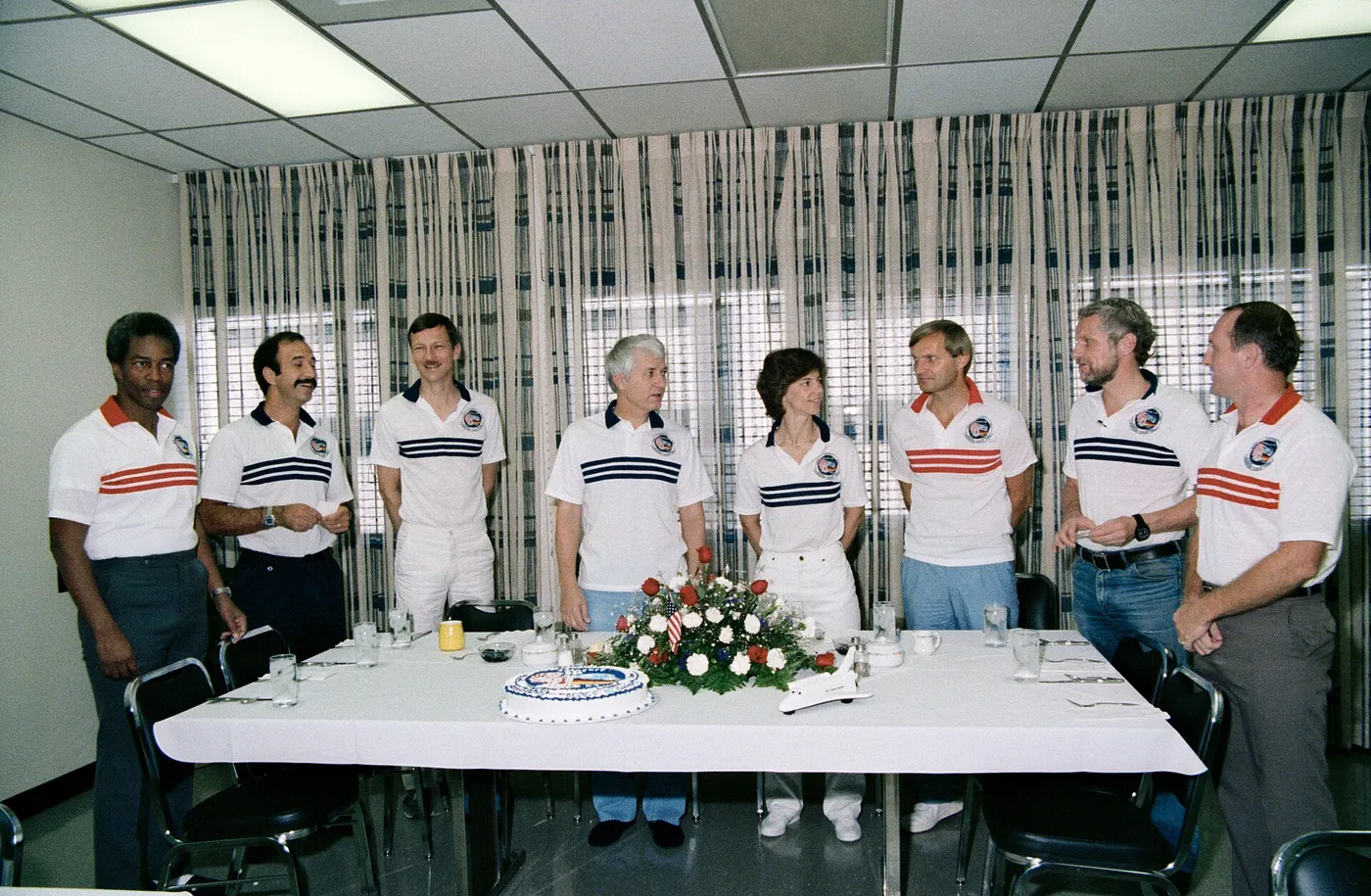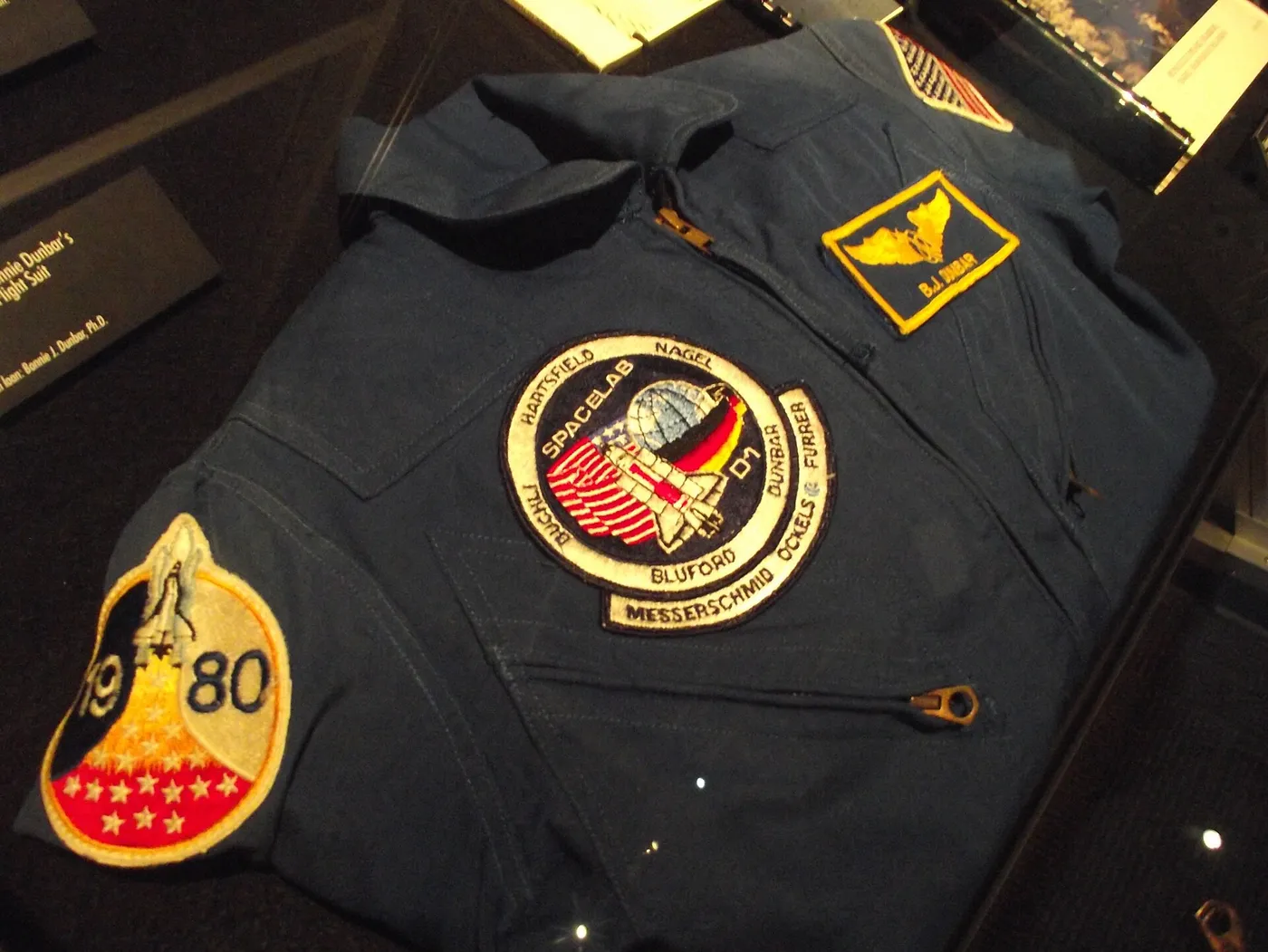
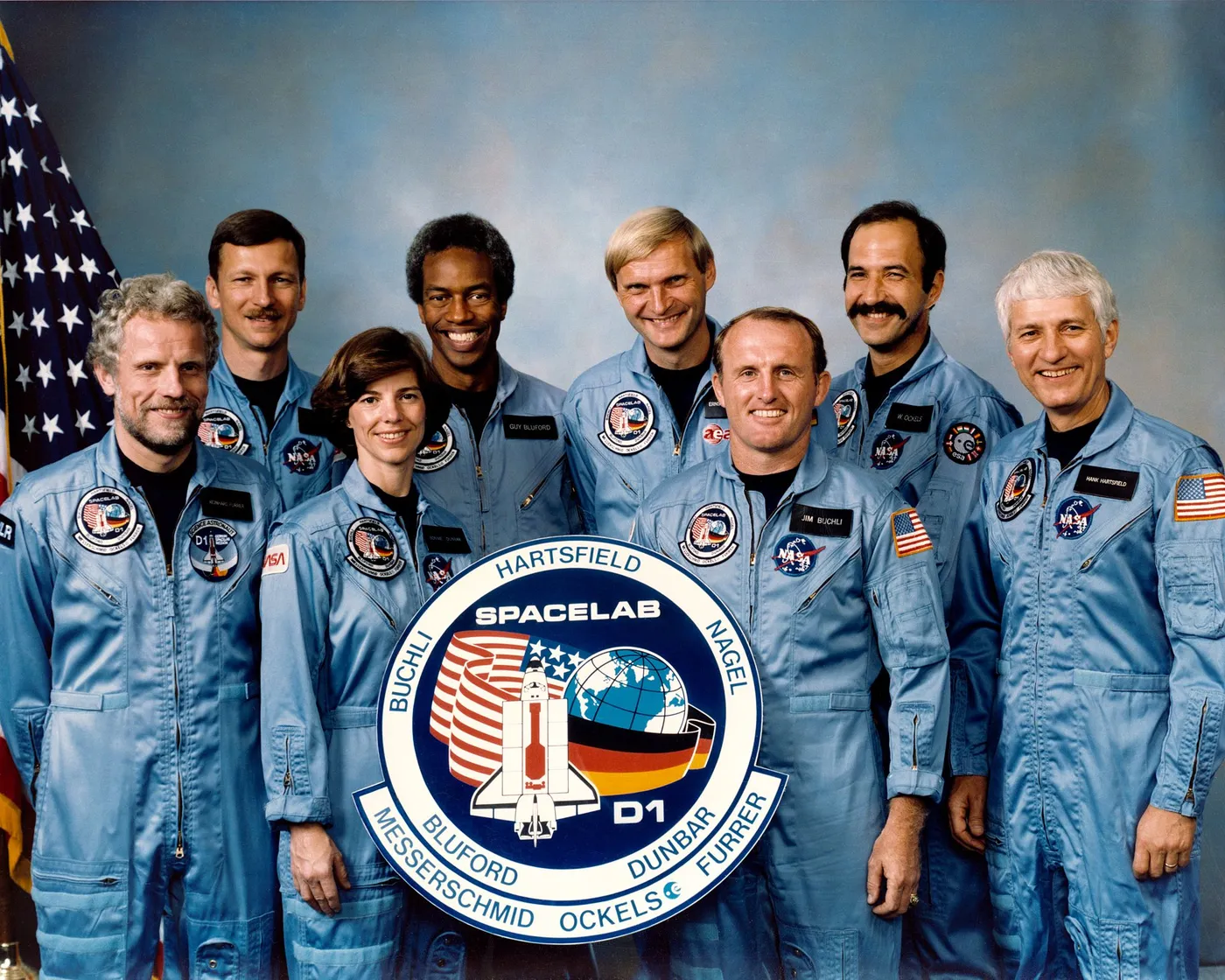
In October 1985 Challenger flew the German Spacelab D-1 mission, unusual for being funded and largely directed by another nation. Scientific control ran not from Houston but from a German operations centre near Munich, a first for the programme, and the crew of eight was the largest ever launched on a single spacecraft to that point.
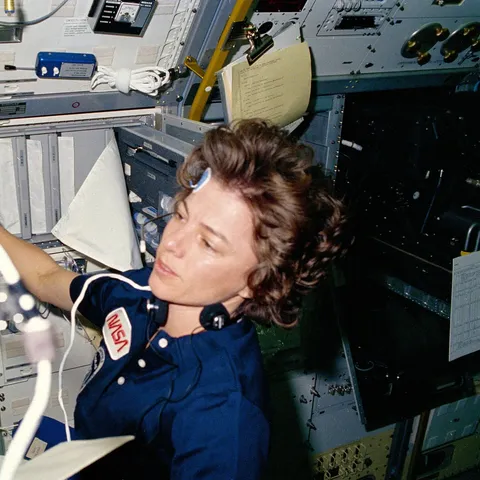
The scientists aboard, including the first West German and Dutch researchers to fly, worked in two shifts on materials processing and the effects of weightlessness on the human body, using a facility designed to be flown again and again. It was a high-water mark for international laboratory science on the Shuttle and a glimpse of the collaborative model that would later define the space station — reached just three months before the fleet was grounded.
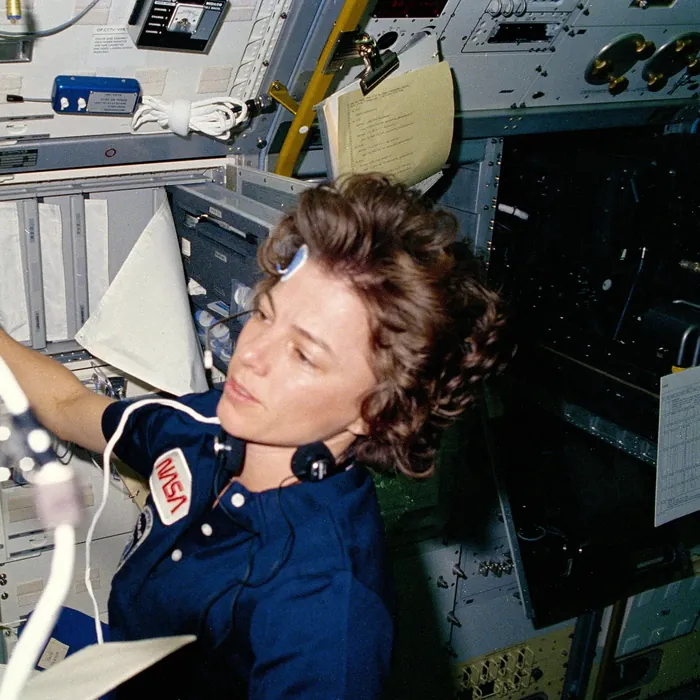
Challenger's flight in October 1985 carried eight people, and no spacecraft before or since has flown with a larger crew. They were aboard for Spacelab D1, a mission bought and run by West Germany, and control of the science was handed to a operations centre near Munich rather than Houston — the first time another nation had directed a US crewed flight.
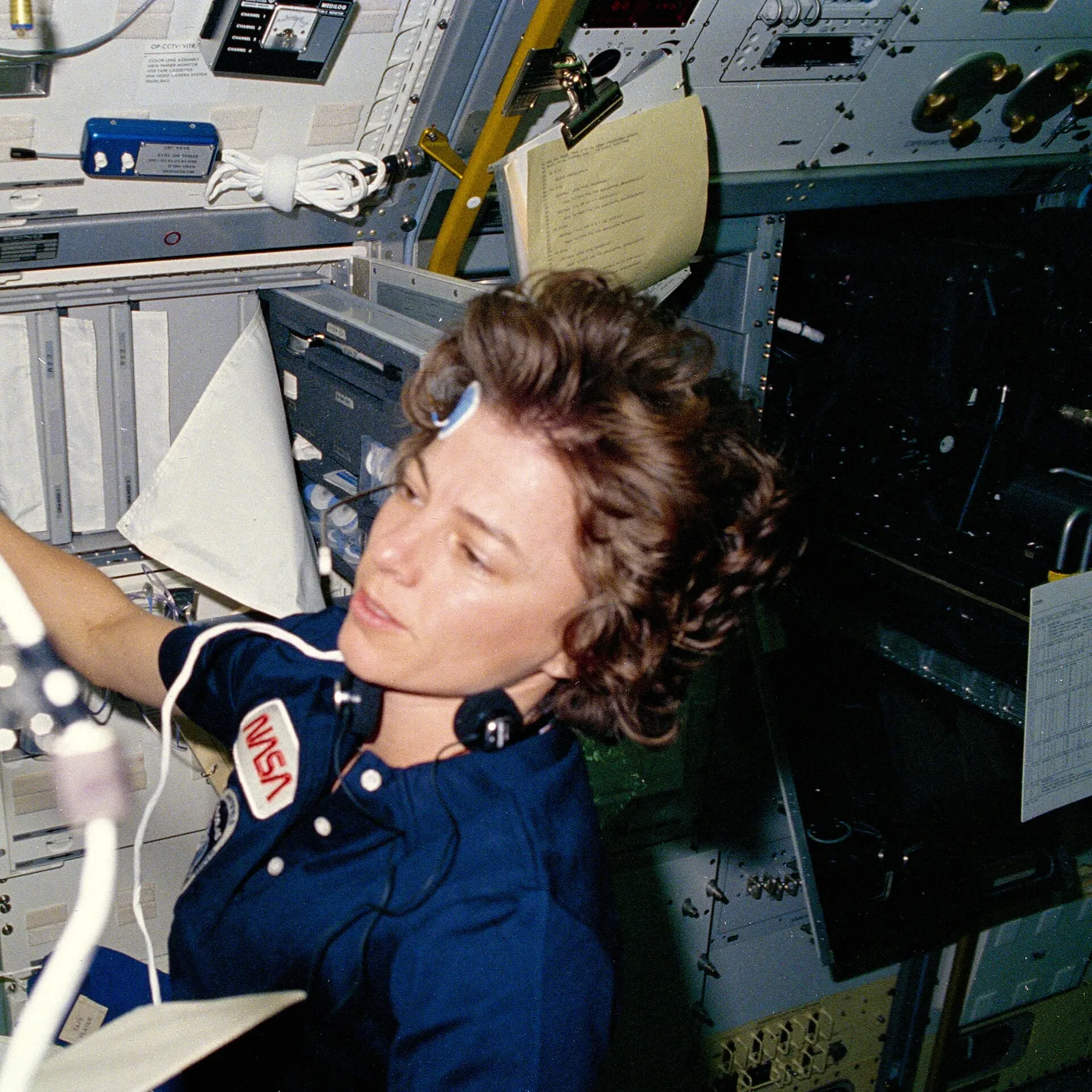
The work was almost entirely materials science and biology: fluid physics in the absence of convection, alloy solidification, vestibular experiments on human balance, and a rotating machine called the Vestibular Sled that pulled crew members back and forth to study the inner ear. Five of the eight had never flown before, and the module ran double shifts for seven days.
It was, though nobody could know it, Challenger's last successful mission. The orbiter flew again three months later with a schoolteacher aboard and was lost 73 seconds after launch. Of the eight who flew D1, two — Guion Bluford and Bonnie Dunbar — would fly on into the 1990s; the mission itself became a marker of how routine, how international and how nearly ordinary the programme had started to feel just before everything changed.