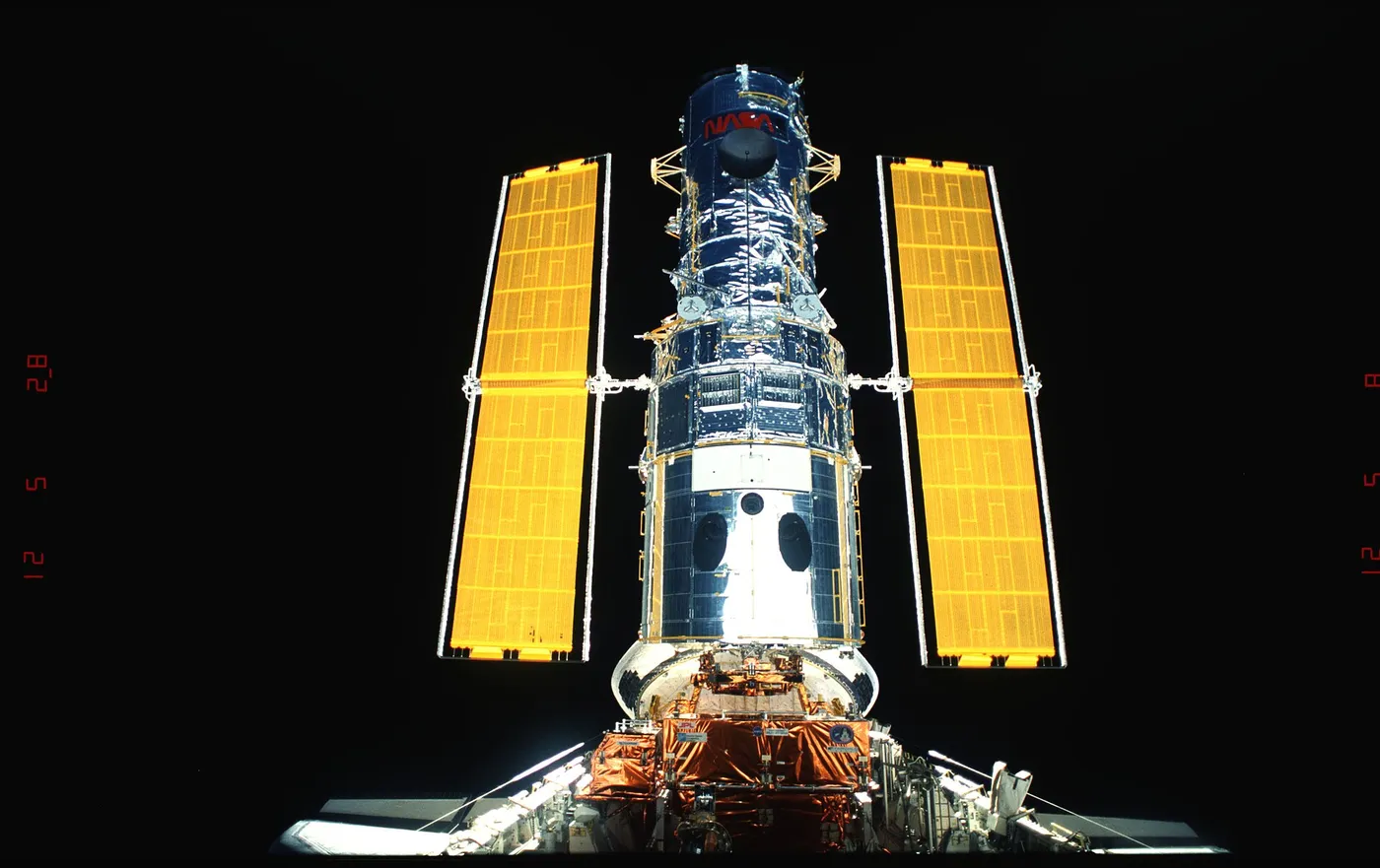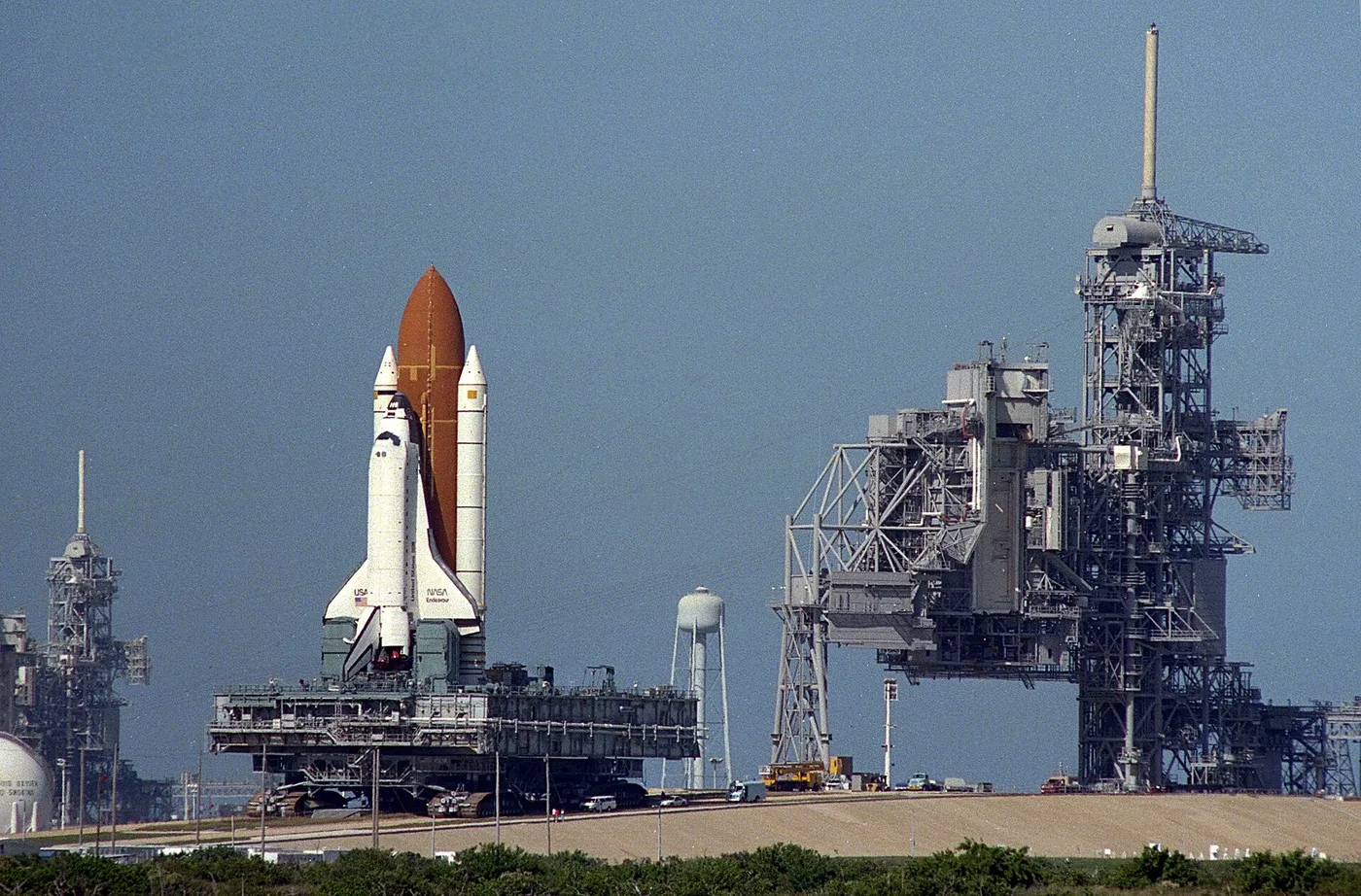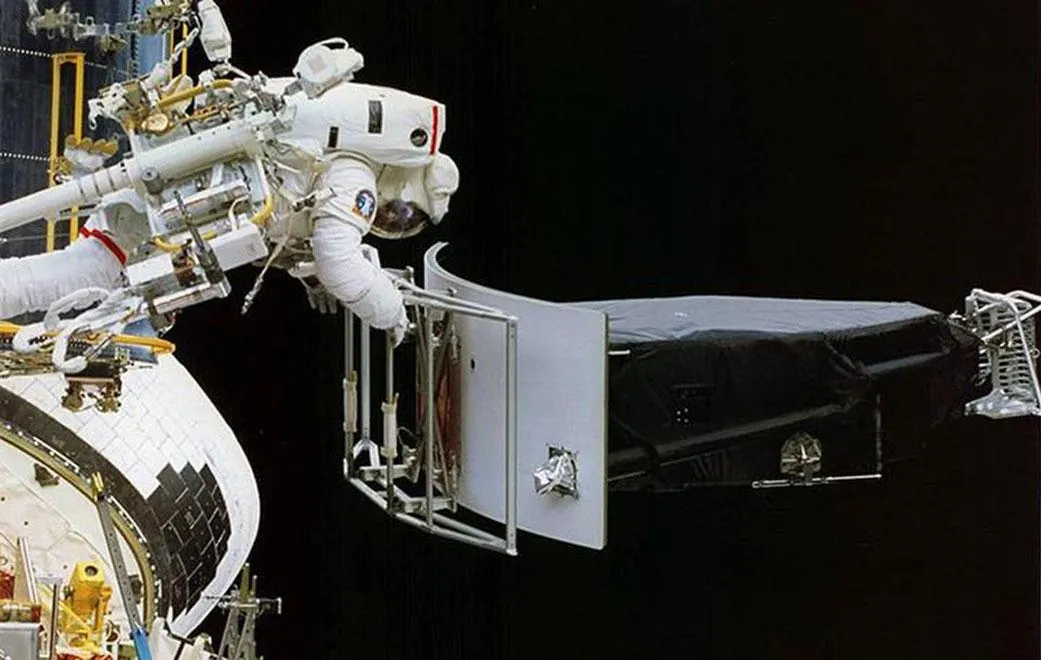
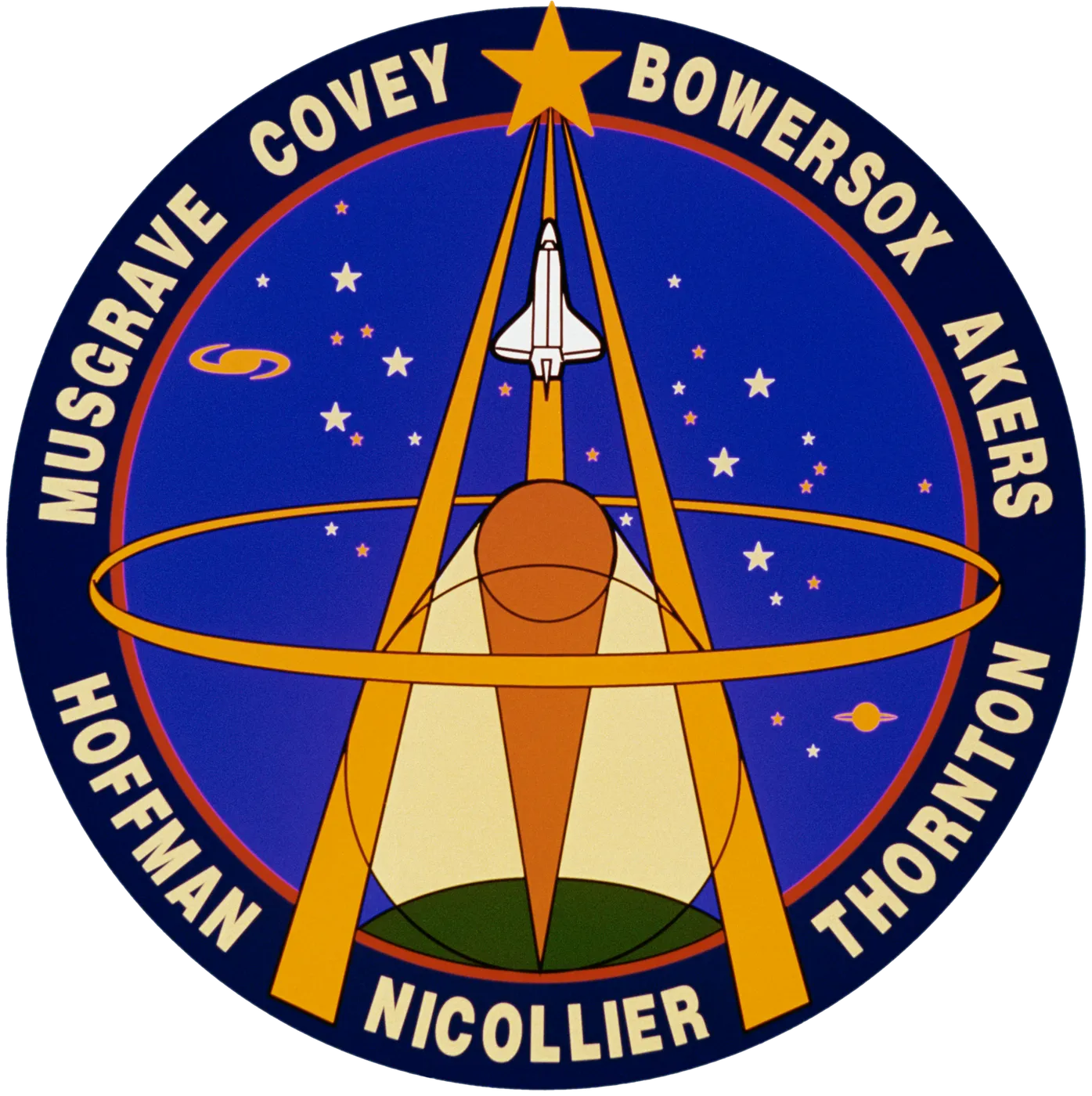
In December 1993 Endeavour flew what may have been the most consequential repair mission in spaceflight history: the rescue of the Hubble Space Telescope. Hubble's flawed mirror had made it the butt of jokes, and NASA's credibility rode on fixing it. Over an unprecedented five spacewalks, the crew of seven installed corrective optics and a new main camera, effectively giving the telescope eyeglasses.
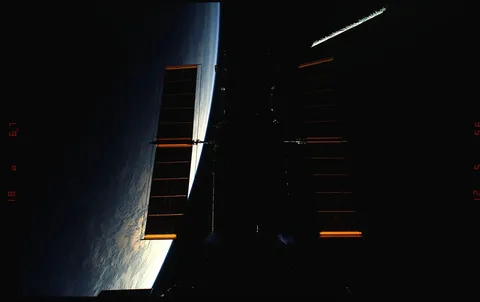
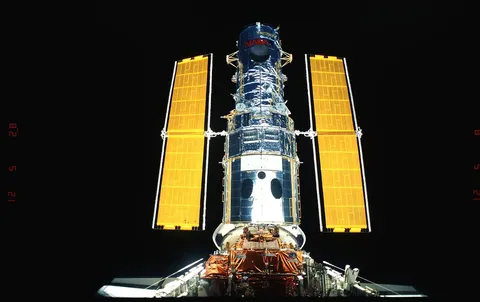
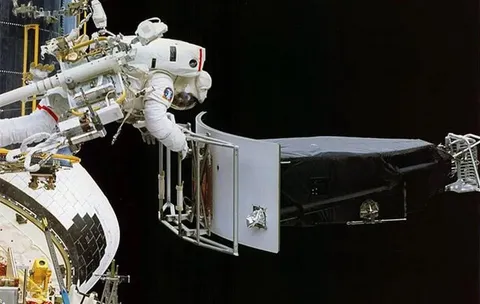
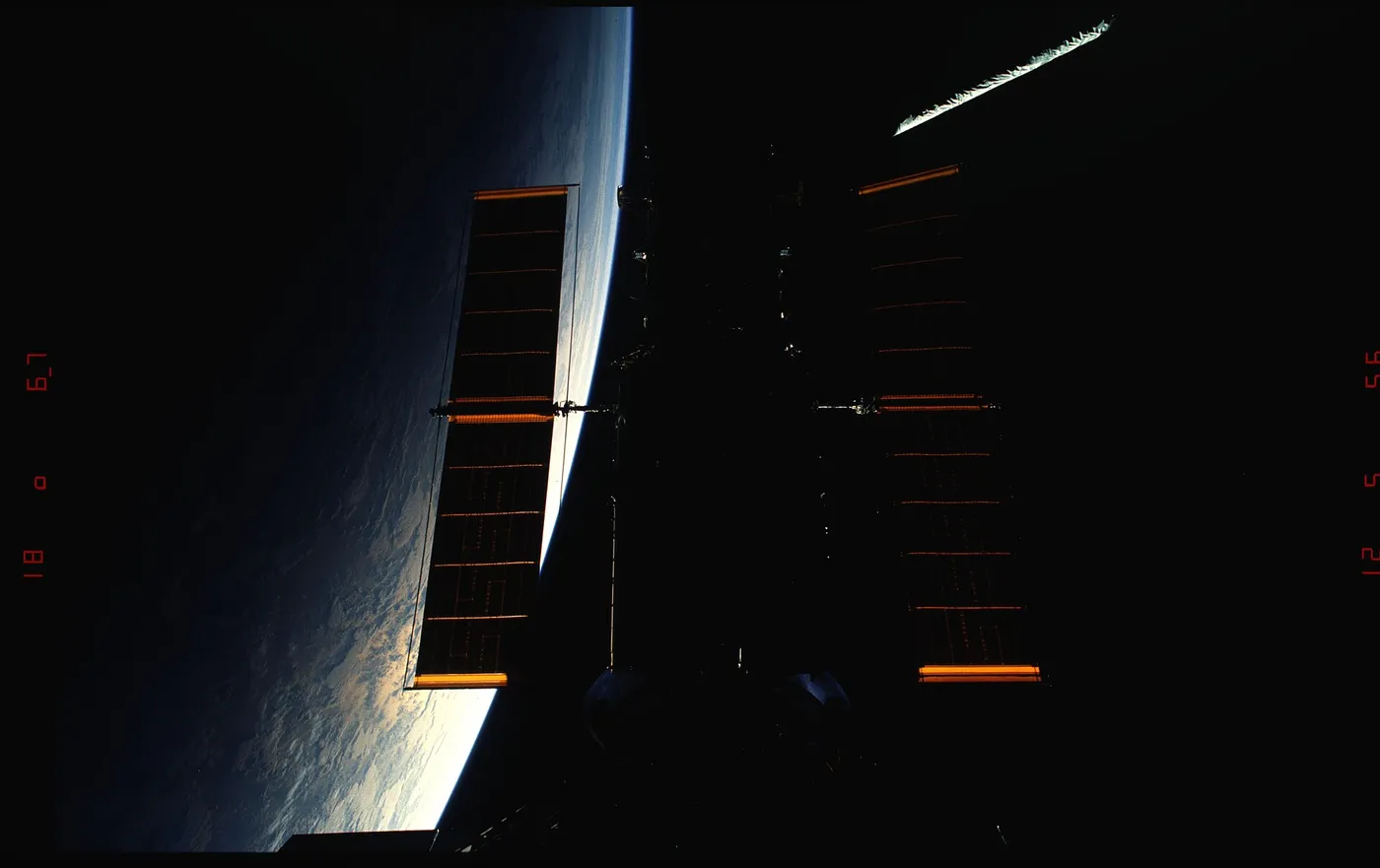
The spacewalkers, working in pairs across long, exhausting excursions, also replaced solar arrays, gyroscopes and electronics with a precision that belied the bulky suits and stiff gloves they wore. When Hubble's first sharp images came down weeks later, the transformation was total — blurry smears became crisp spirals of distant galaxies. The mission redeemed both the telescope and the very idea of servicing spacecraft in orbit, and it made heroes of a crew that had rehearsed underwater for months.
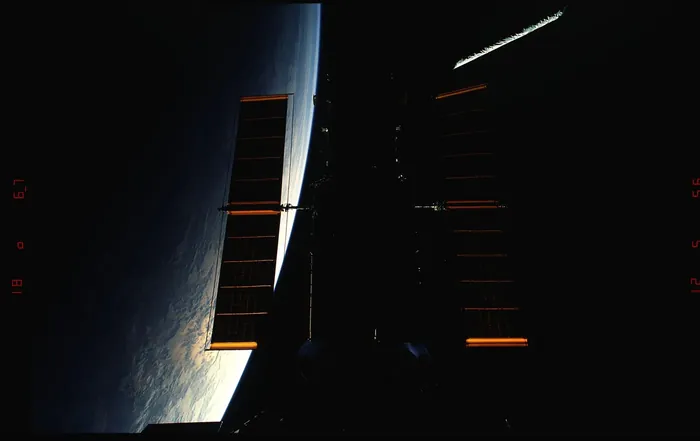
By 1993 the Hubble Space Telescope was a national joke. Its main mirror had been ground to the wrong shape by a fraction of the width of a human hair, and the sharpest instrument ever built was returning blurred images. NASA, still rebuilding trust after Challenger, had staked its credibility on a repair mission that would have to work in the full glare of public attention.
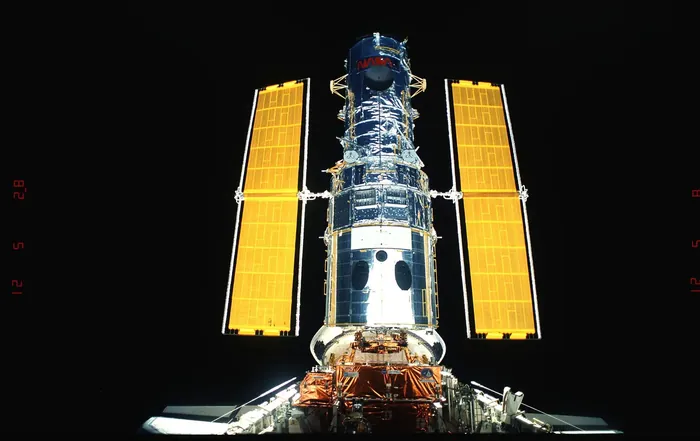
The plan was audacious in its plumbing: rather than replace the mirror, engineers designed a corrective optics package called COSTAR that pushed small mirrors into the light path — in effect, fitting the telescope with spectacles — alongside a new wide-field camera built with the flaw compensated for internally. Doing it required five spacewalks in five days, the most ever attempted on one flight, and the crew had rehearsed for eleven months under water.
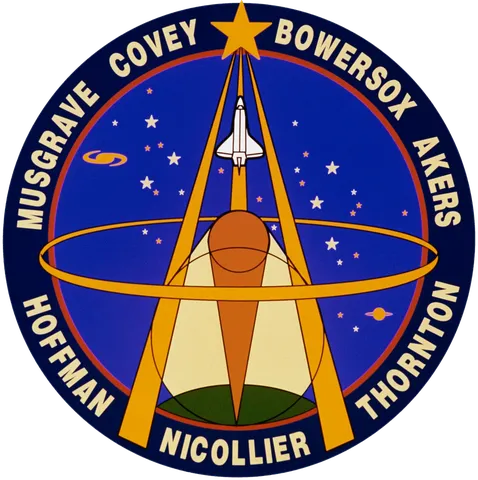
Story Musgrave, Jeff Hoffman, Kathy Thornton and Tom Akers worked in alternating pairs for more than 35 hours outside, replacing gyroscopes, solar arrays and instruments in a payload bay lit like an operating theatre. When the first corrected images came down weeks later, they were pin-sharp. Hubble went on to measure the age of the universe and to discover that its expansion is accelerating, and the repair remains the strongest single argument the Shuttle ever made for itself.