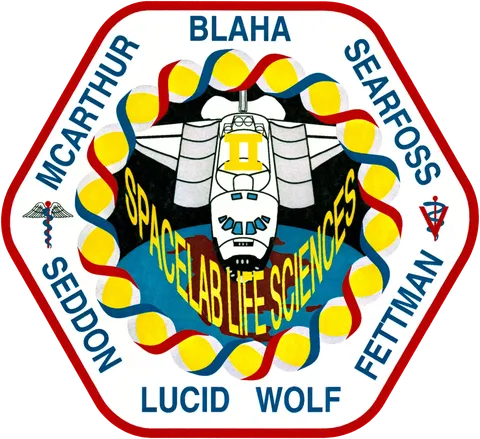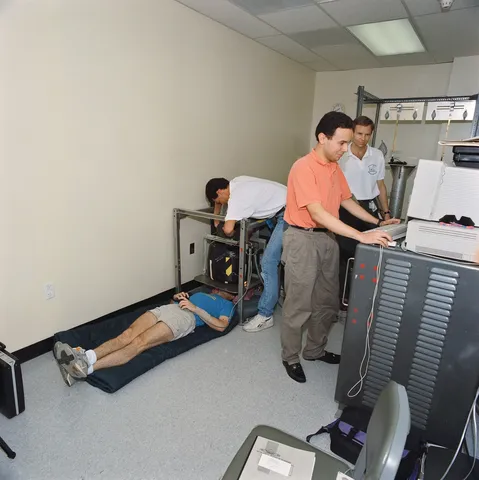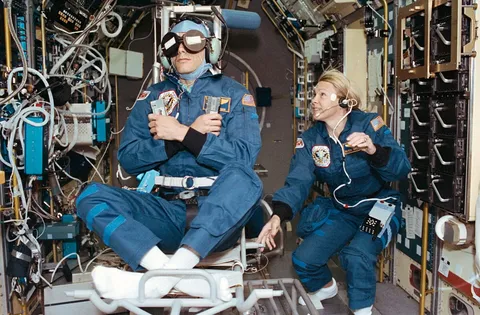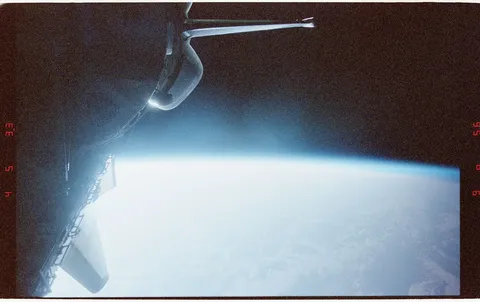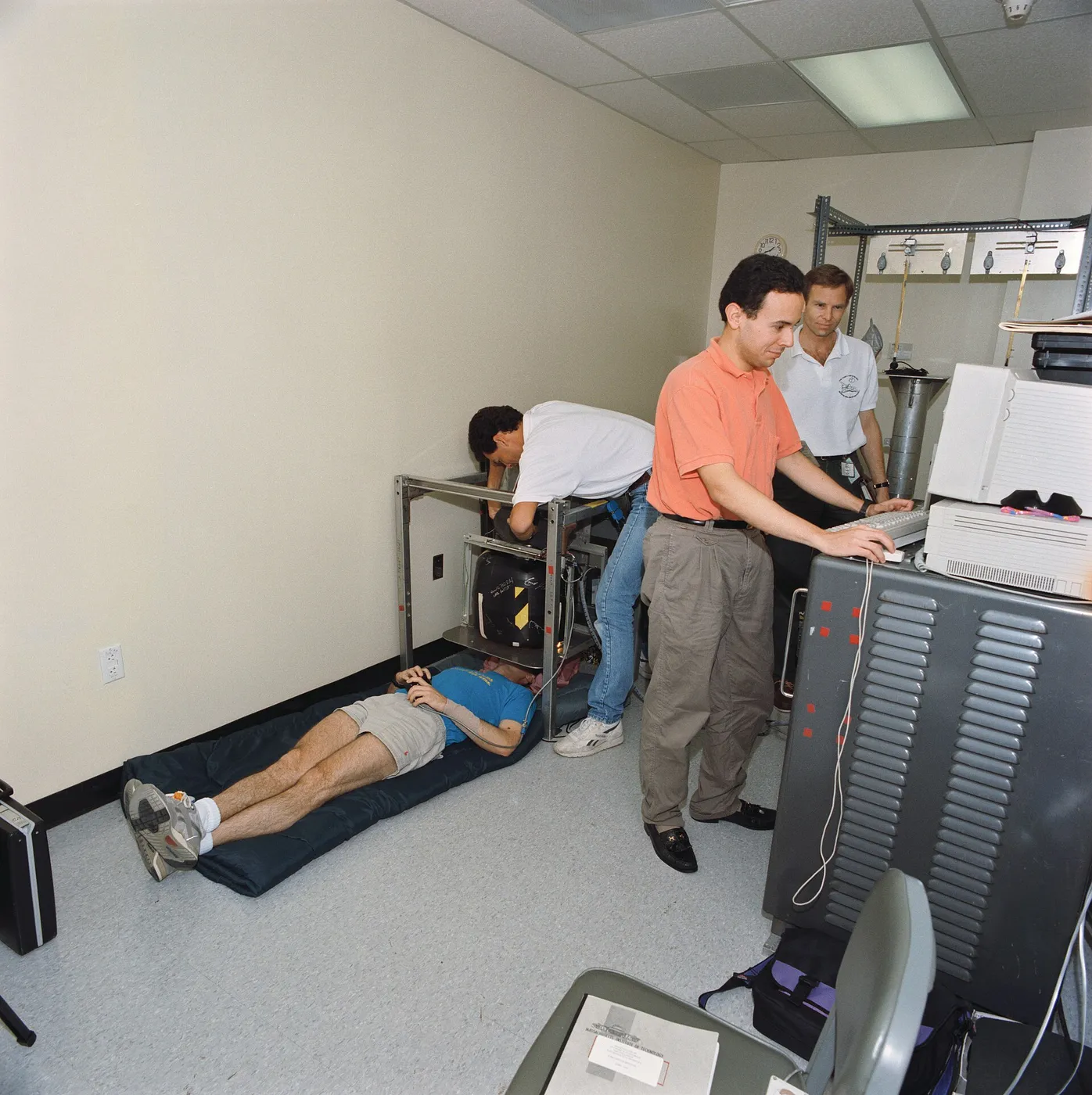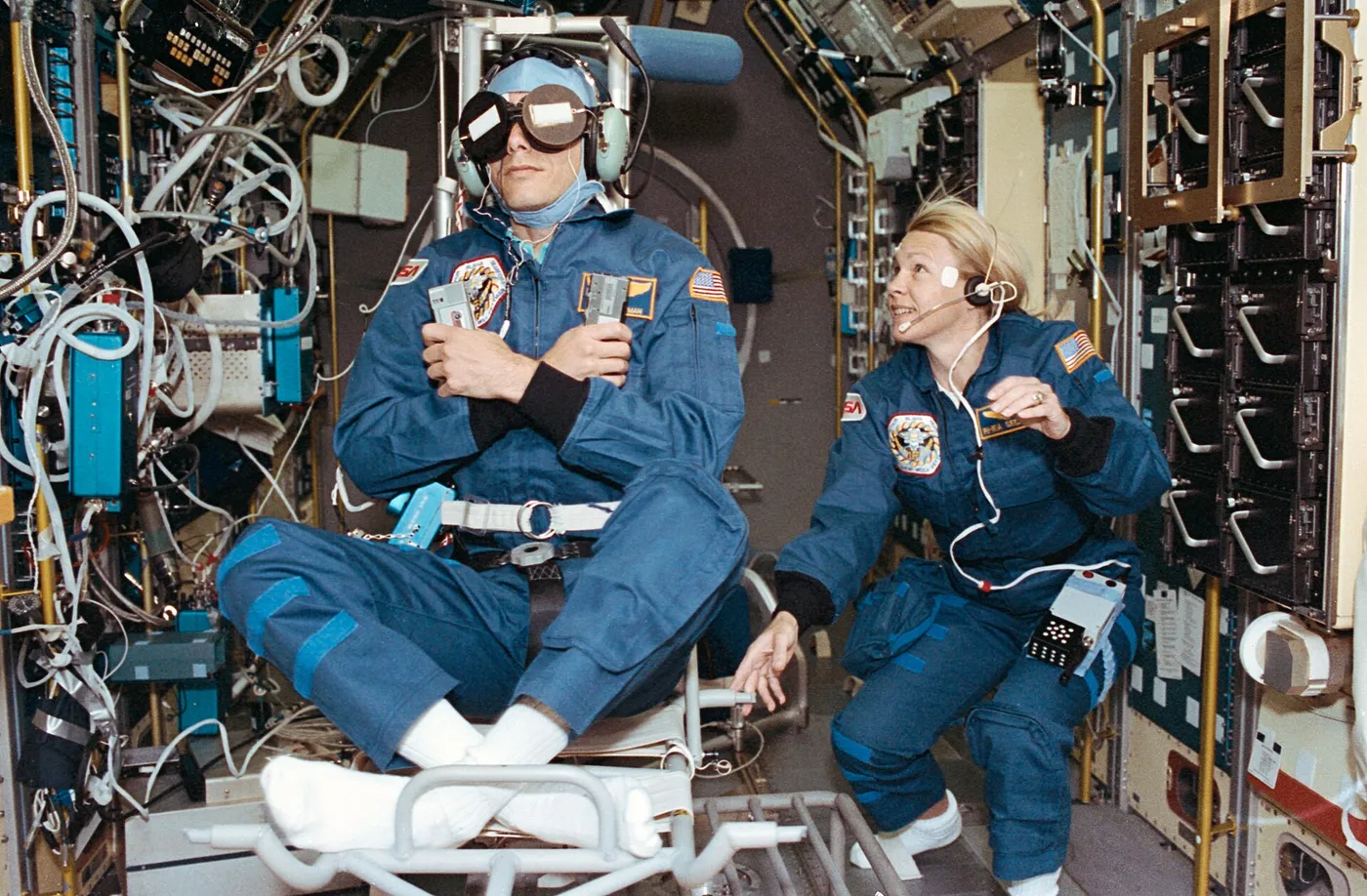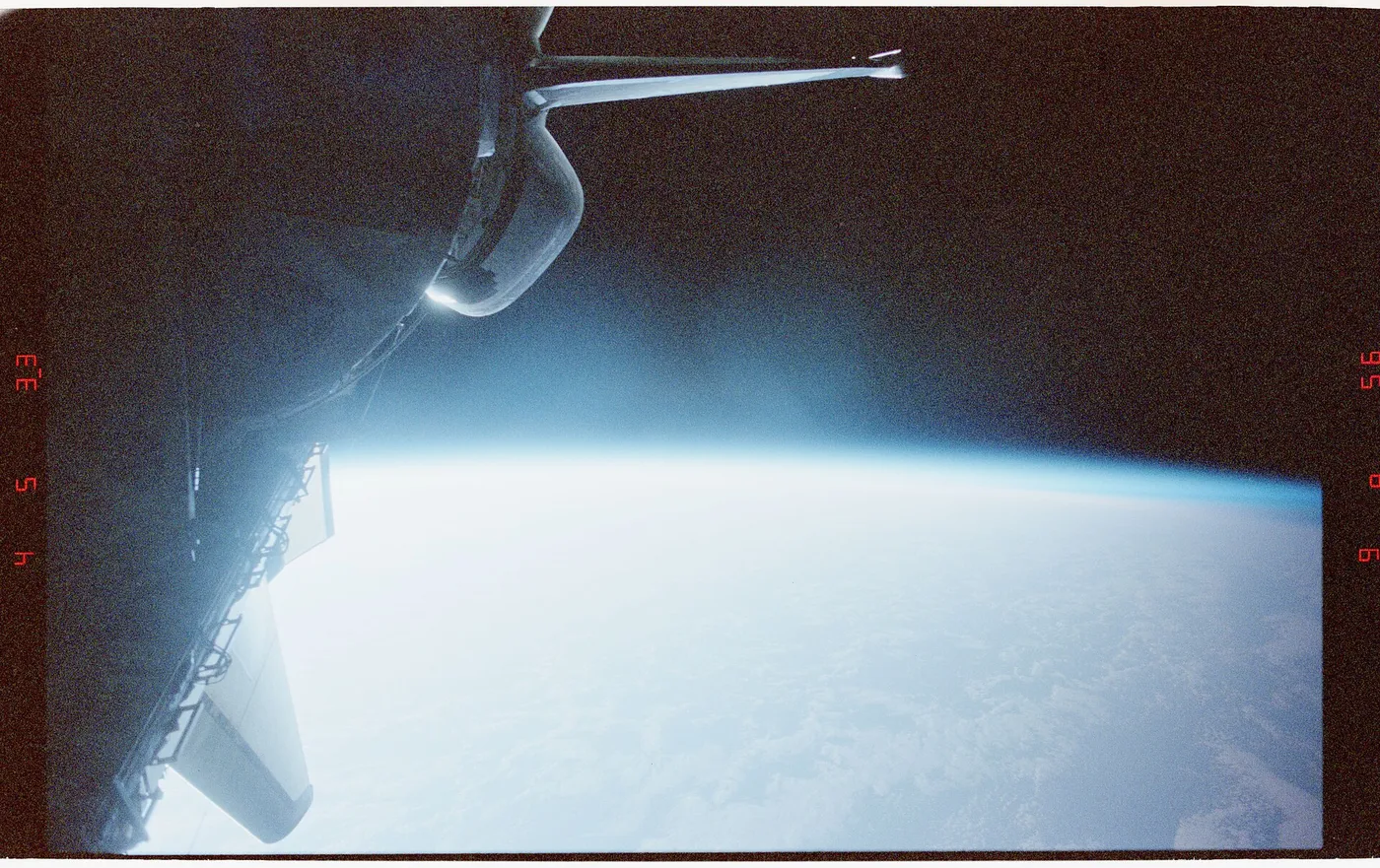
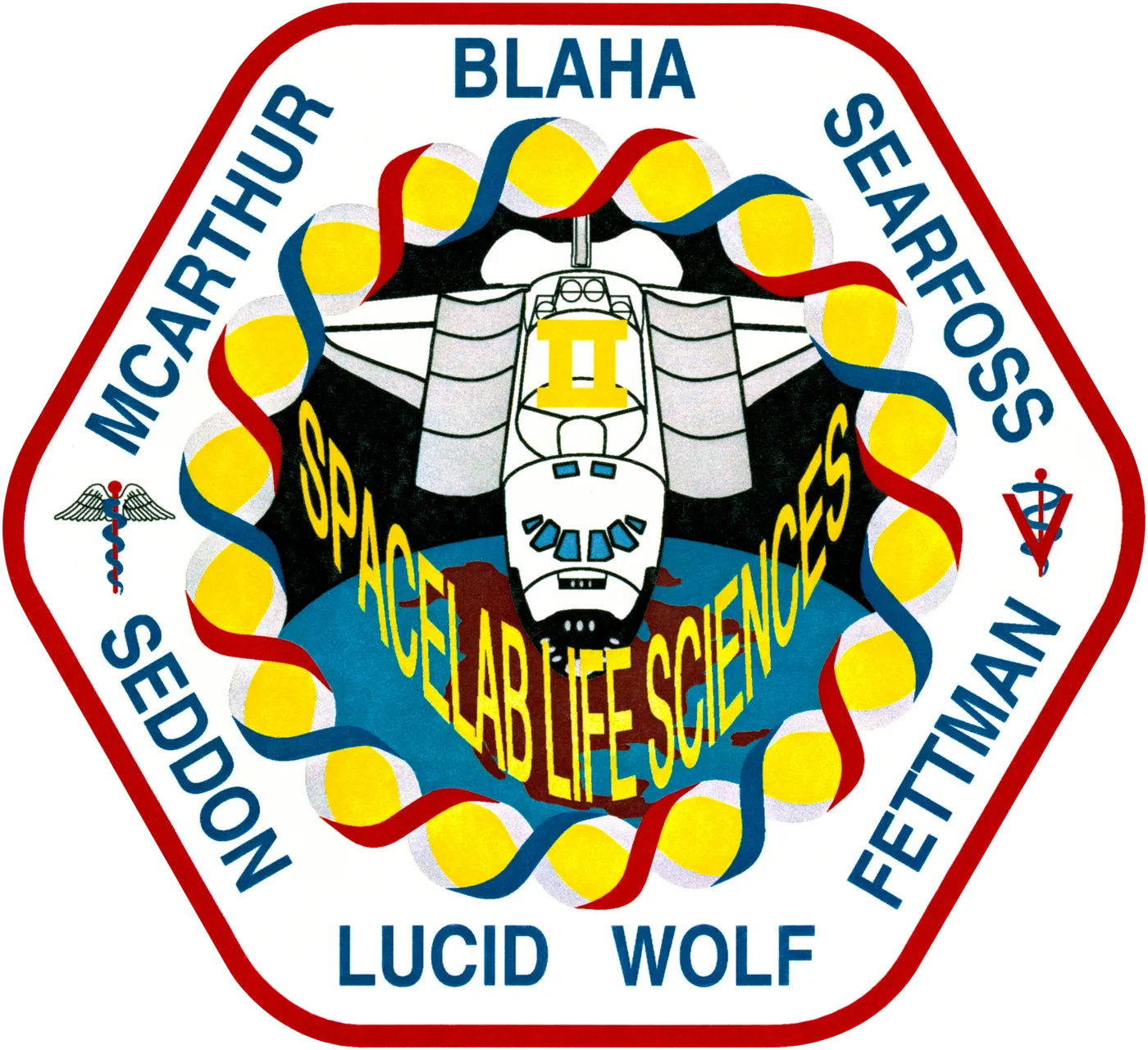
Columbia flew the second dedicated life-sciences Spacelab in October 1993, an intensive medical mission that kept its crew of seven in orbit for two full weeks. As on the first such flight, the astronauts were both investigators and subjects, gathering detailed data on how the heart, muscles, bones and nervous system adapt to weightlessness.
The research extended to a large group of rats, studied and in some cases dissected in orbit to trace the biological changes gravity's absence sets in motion. Physician-astronaut Rhea Seddon led much of the science. At fourteen days, the flight pushed the endurance of both crew and orbiter, deepening the medical understanding that would underpin the long-duration missions of the station era to come.
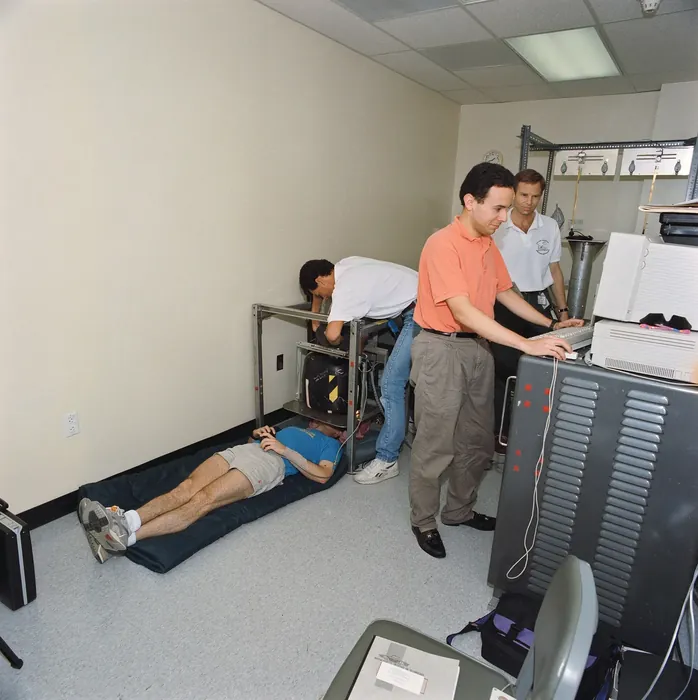
The second dedicated life-sciences Spacelab was the most thorough biological investigation the Shuttle ever flew. Over fourteen days in October 1993, seven crew members ran nearly fifty experiments on themselves and on 48 rats, examining the cardiovascular, musculoskeletal and neurovestibular systems in far more depth than any earlier flight.
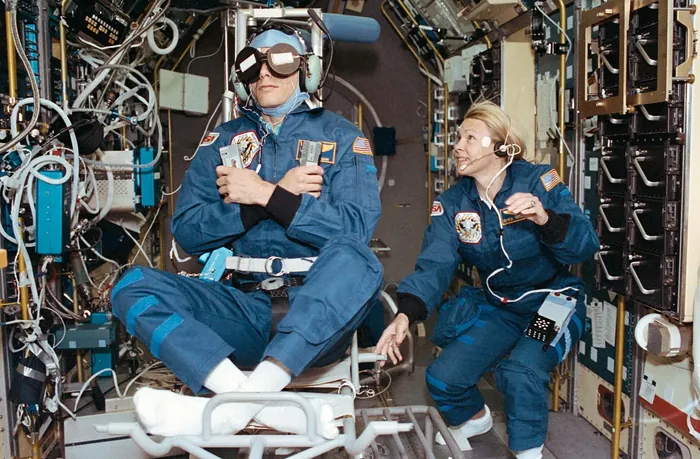
It included something no previous mission had attempted: dissections performed in orbit. Rather than waiting for the animals to be returned and studied on the ground — by which point readaptation to gravity has already begun changing the tissue — the crew fixed samples in flight, capturing the state of muscle and bone as it actually was in weightlessness.
The work was uncomfortable, meticulous and unglamorous, and it produced much of the baseline understanding of deconditioning that long-duration flight now depends on: how fast bone demineralises, how muscle fibre types shift, why blood pressure regulation fails on return. NASA later called it the most successful and efficient Spacelab flight of the series.