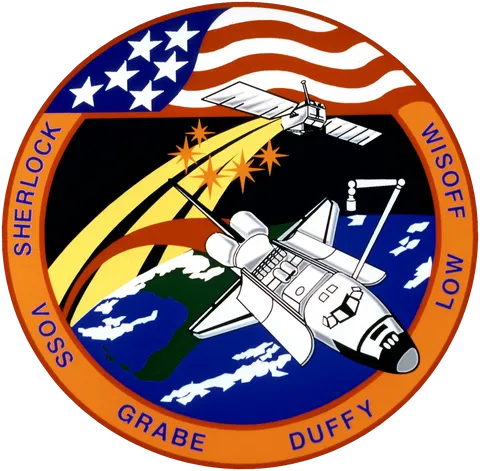
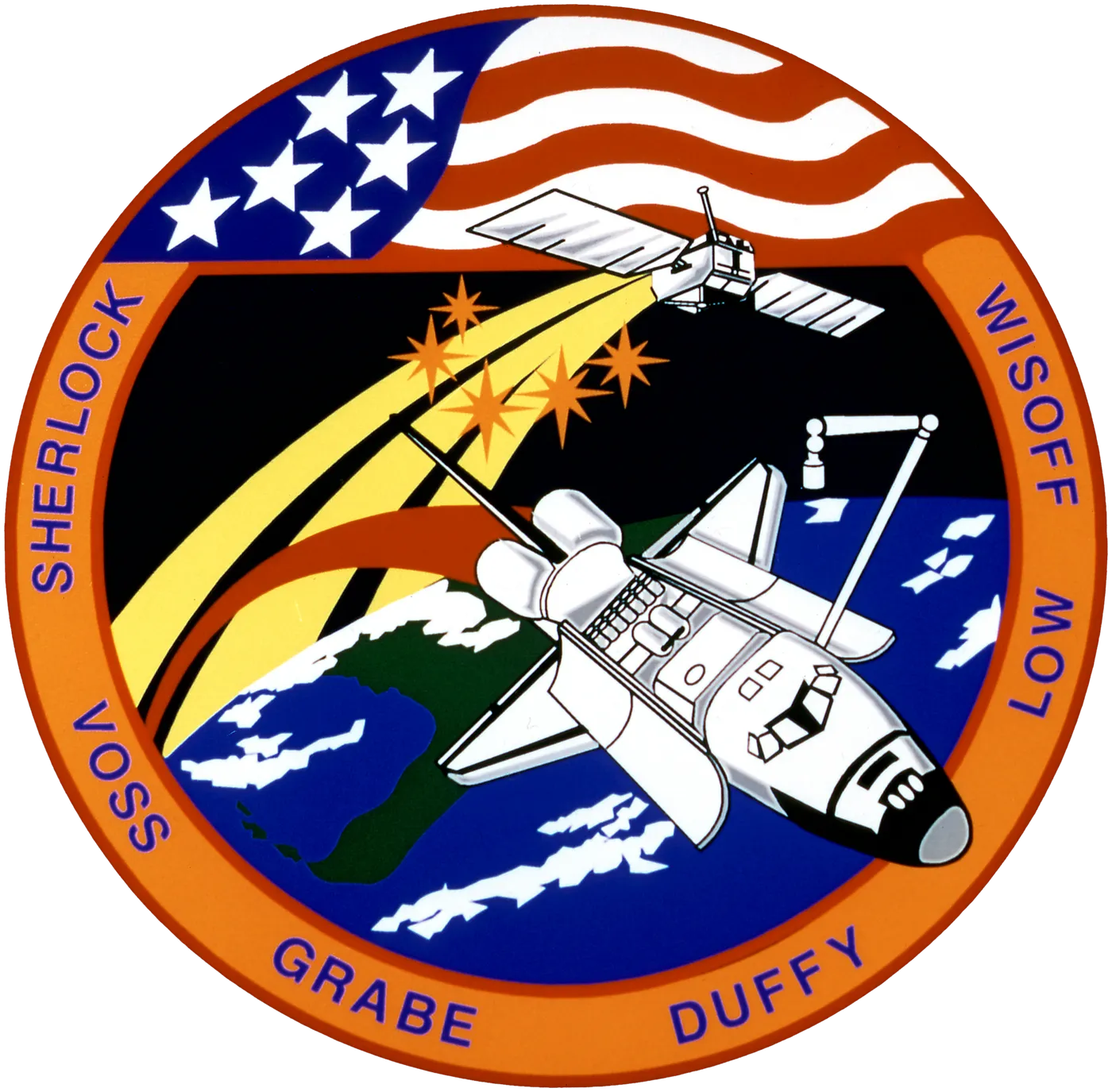
Endeavour's June 1993 flight introduced a new kind of payload: a commercially built pressurised module called Spacehab, added to the bay to expand the room available for experiments. The crew of six worked in the module on materials and life-science research, testing a business model in which industry, not just governments, provided laboratory space in orbit.
The mission also retrieved the European EURECA platform, deployed the previous year, capturing it with the robotic arm to bring nearly a year of solo science home. A spacewalk stowed EURECA's antennas and continued the ongoing rehearsal of station-assembly skills. In blending commercial research with satellite recovery, the flight showed the growing versatility of the maturing programme.
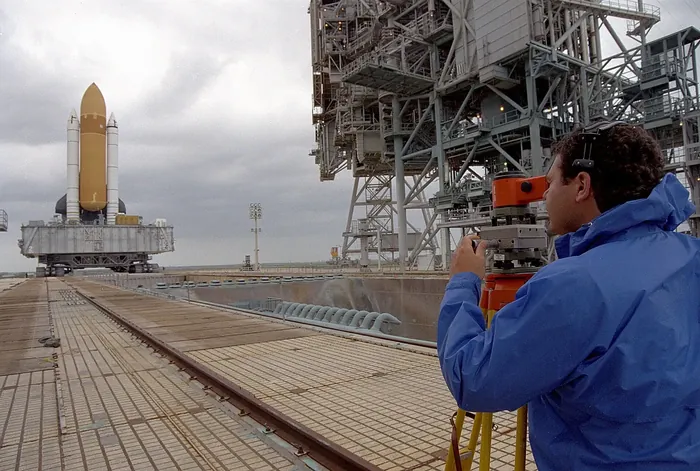
Endeavour's June 1993 flight introduced the commercial laboratory that would become a fixture of the programme. SPACEHAB was a privately built pressurised module, smaller than Spacelab, leased to NASA and carrying experiments from companies and universities — a modest attempt at making orbital research a business rather than a government undertaking.
The mission's other job was to collect EURECA, the European free-flying platform released the previous summer, which had spent eleven months doing materials and astronomy work on its own. The retrieval went smoothly until the platform's two antennas refused to fold for stowage, leaving projecting structures that could not safely be closed into the bay.
David Low and Jeff Wisoff, already scheduled for a spacewalk to test handling techniques, added the repair to their list and simply pushed the antennas down by hand. EURECA came home with a year's data, was refurbished, and is now in a museum in Germany — one of the few spacecraft to have been launched, operated, recovered and displayed.