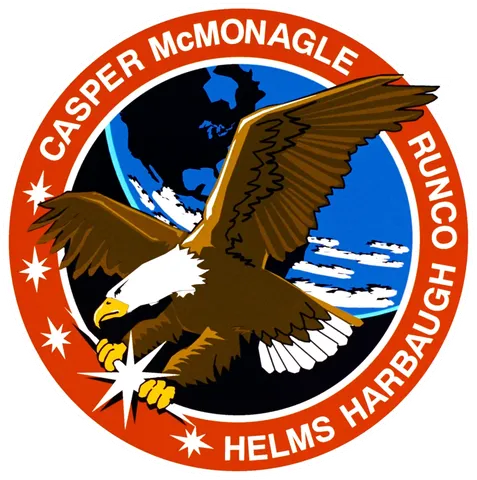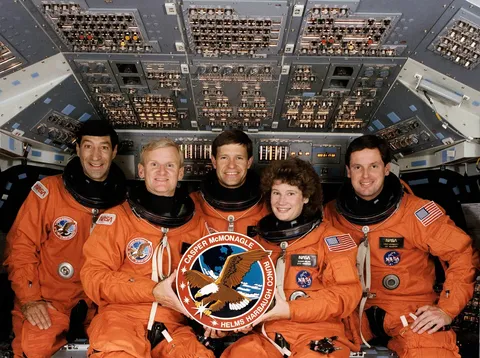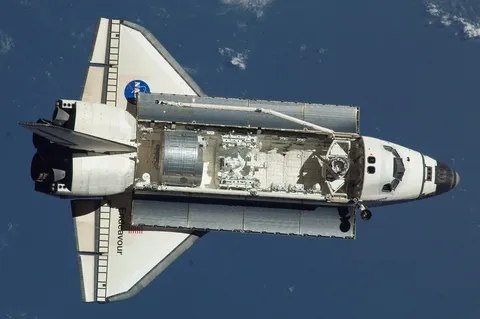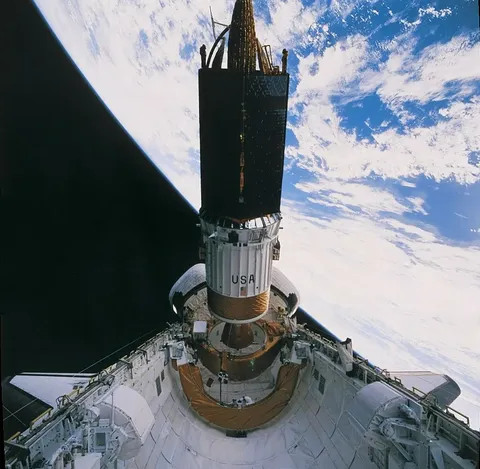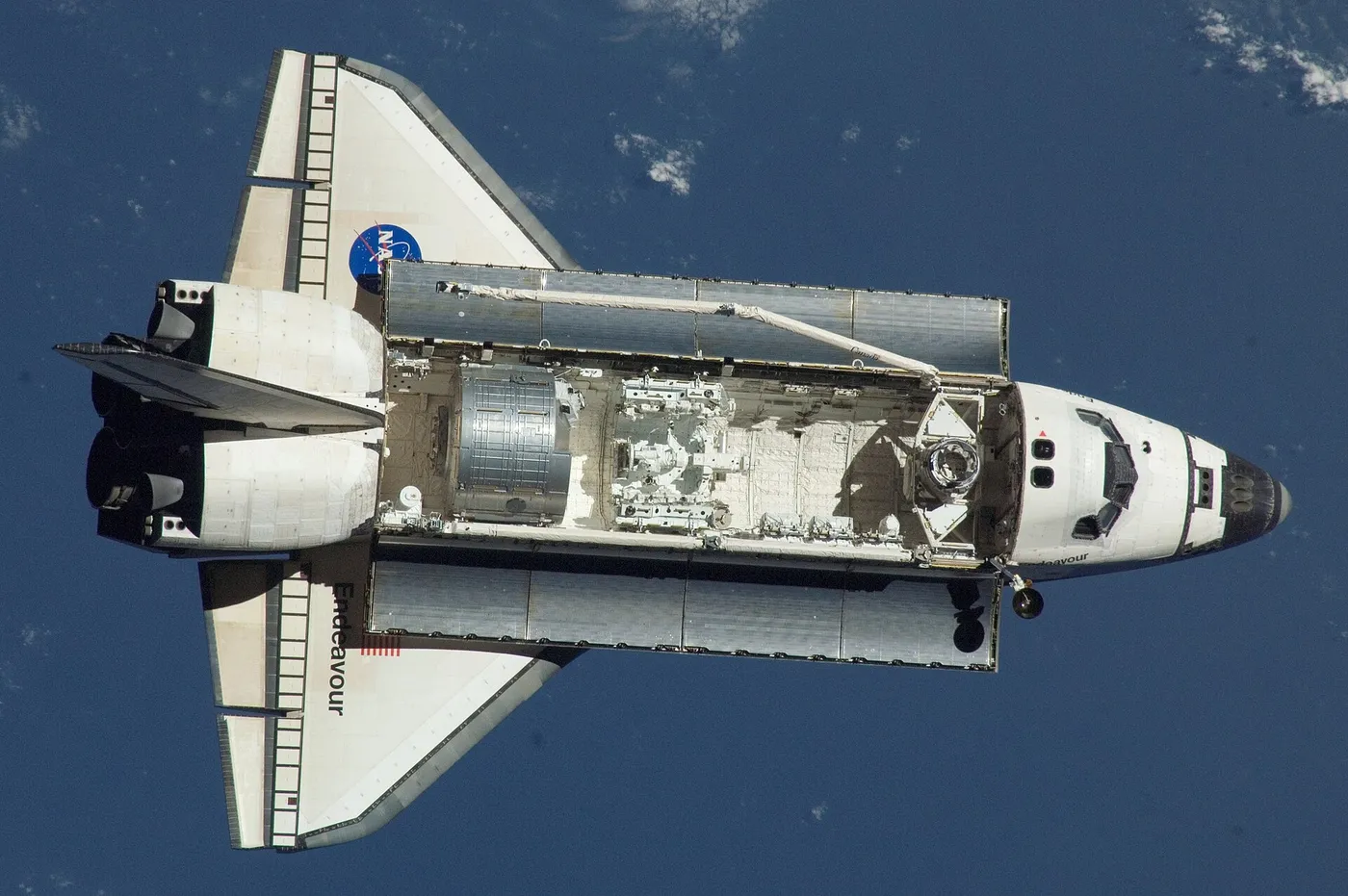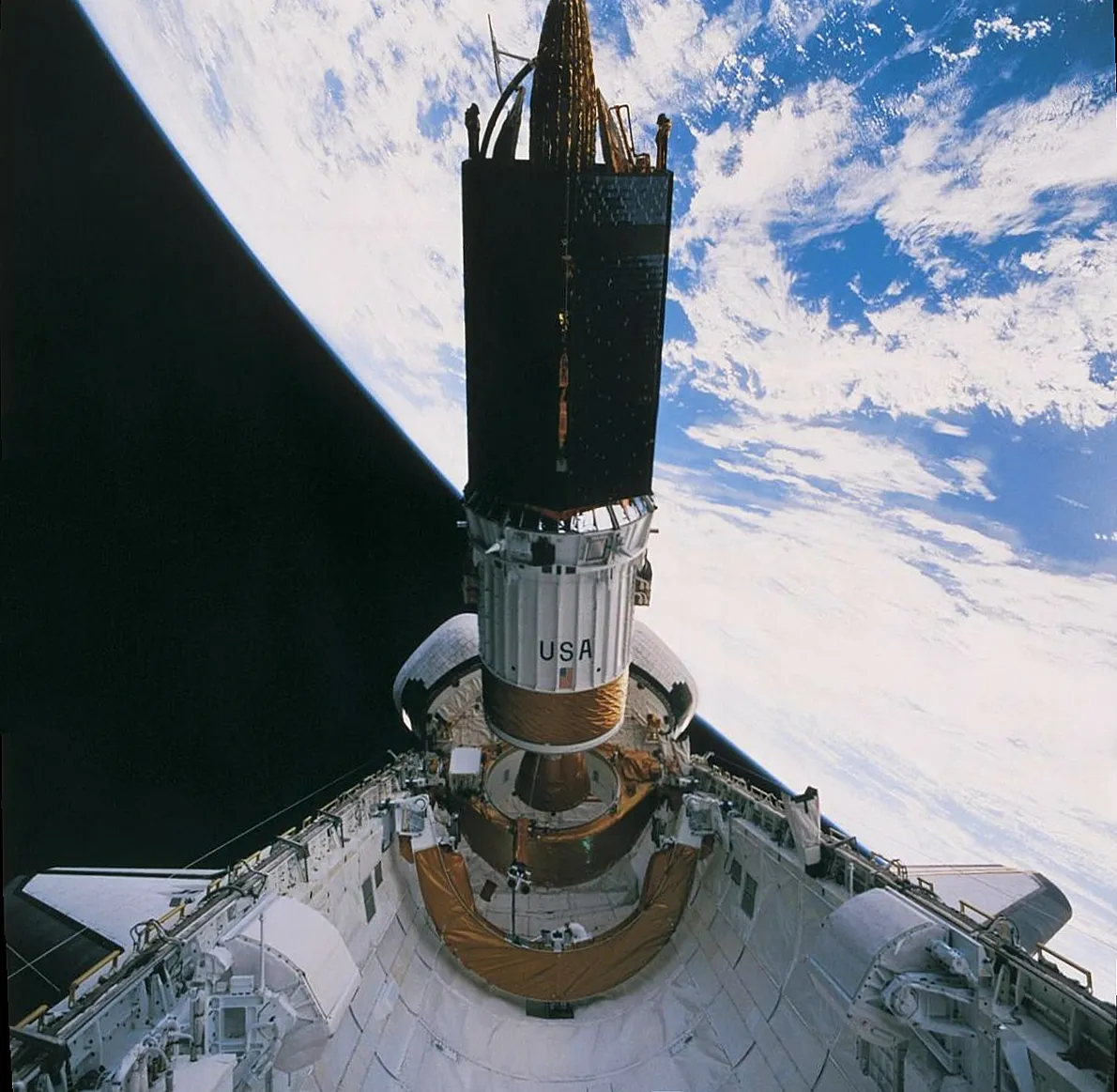
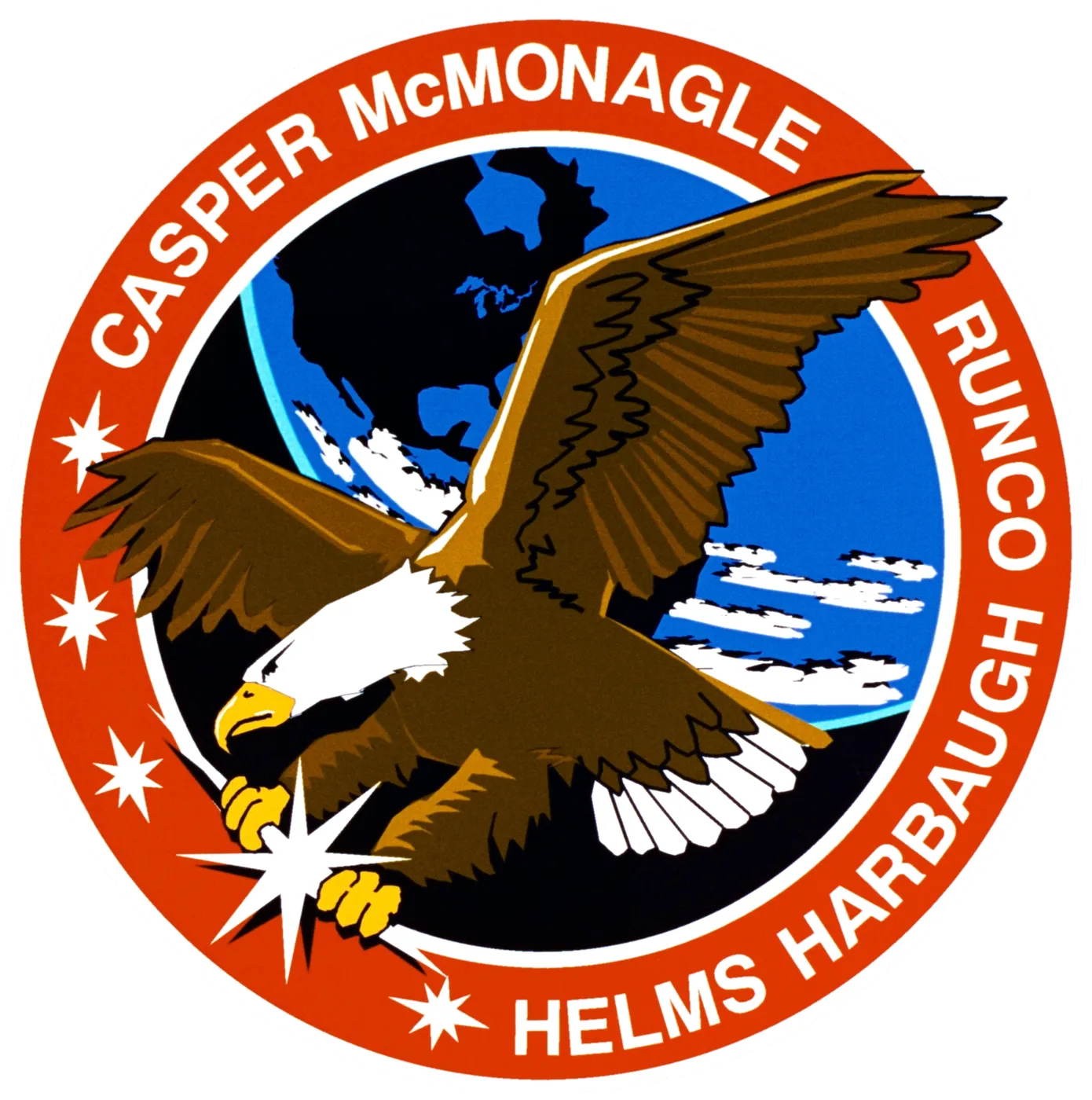
Endeavour opened 1993 in January with a straightforward but valuable deployment, releasing another Tracking and Data Relay Satellite to strengthen the orbiting communications network. The crew of five sent the satellite and its booster on their way early in the flight, then turned to science and practice.
An X-ray telescope in the bay surveyed the diffuse glow of hot gas between the stars, while two astronauts carried out a spacewalk designed less to accomplish a specific task than to gather data on how crew move and tire while working outside — groundwork for the demanding assembly spacewalks the space station would require. The nearly six-day mission blended routine deployment with the quiet, methodical preparation that would make station-building possible.
Endeavour deployed the sixth Tracking and Data Relay Satellite in January 1993, essentially completing the network that let spacecraft in low orbit talk to the ground continuously. It was routine work by then, which was itself the achievement — a decade after the first of them had nearly been lost.
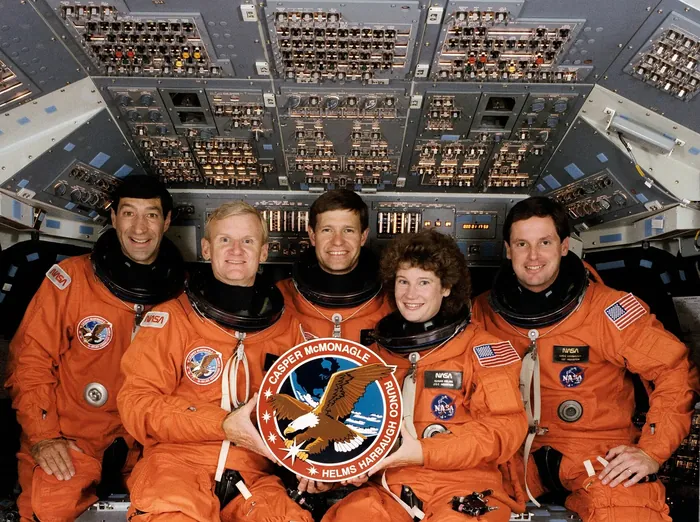
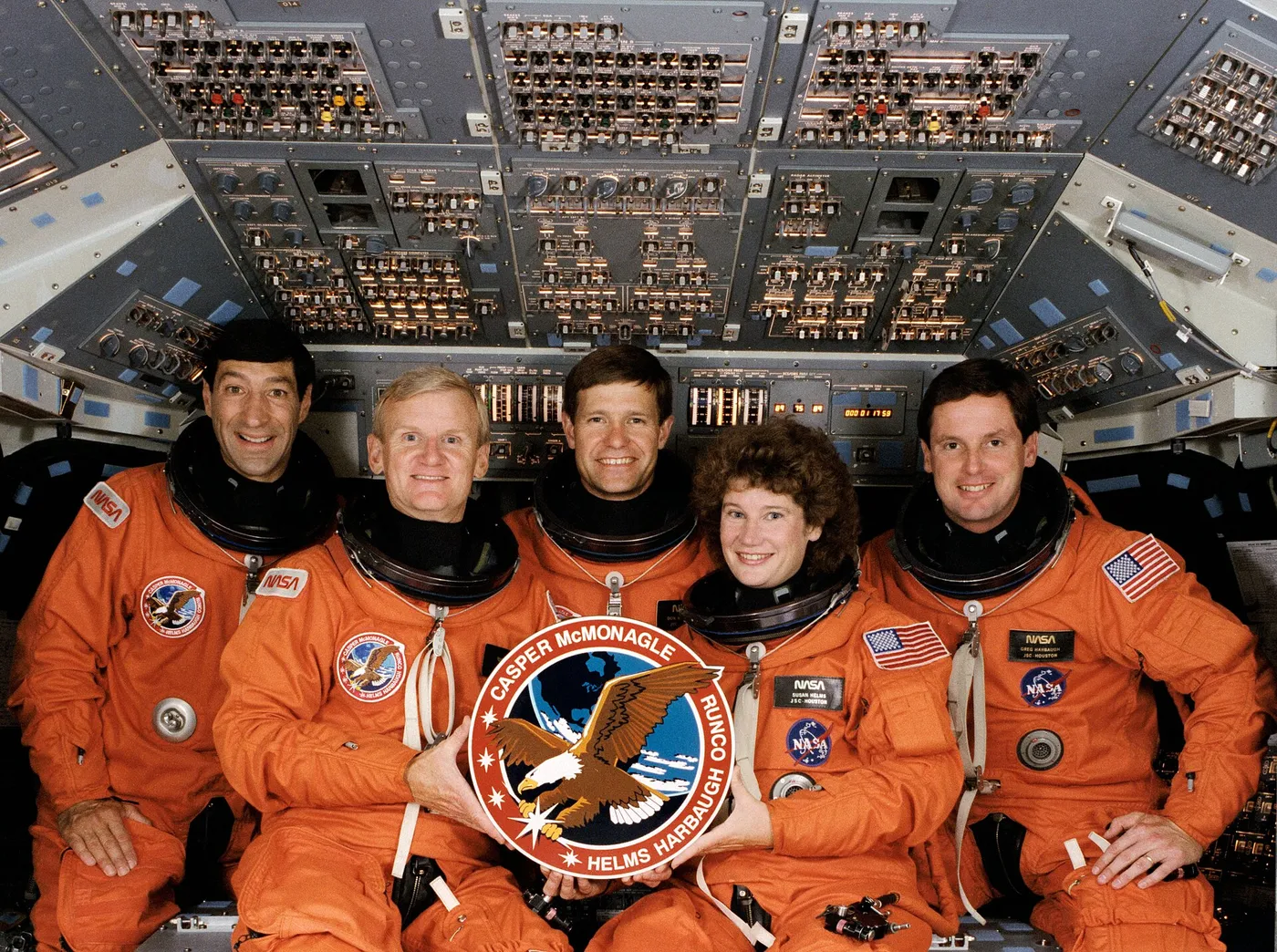
The more forward-looking part of the flight was a spacewalk with no specific task. Mario Runco and Greg Harbaugh went outside for what NASA called a generic EVA: an exercise in simply learning how people handle large masses in a suit, how quickly they tire, how well they can climb and position themselves, and how accurately ground-based simulations predicted any of it.
The answers fed directly into planning for the space station, which at that point existed mainly as a contested set of drawings and was about to be redesigned again. Building it would eventually require something like 160 spacewalks, and the data on human capability gathered on flights like this one is what made the schedules credible. Aboard too was Susan Helms, who would later spend six months on the ISS.