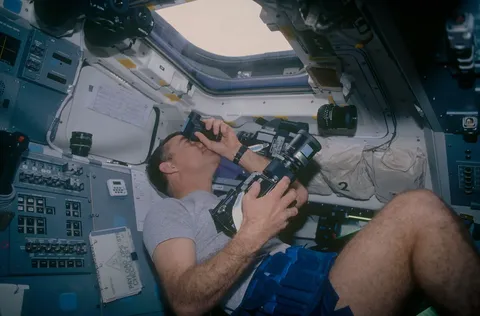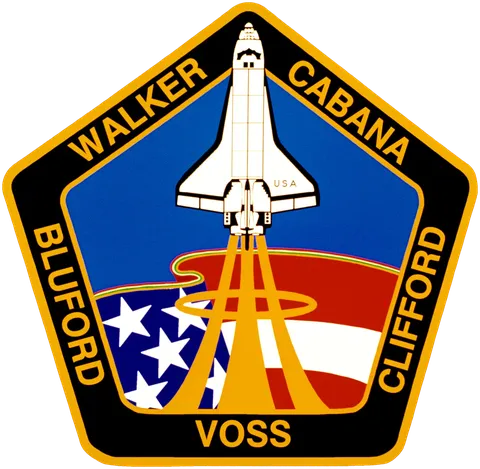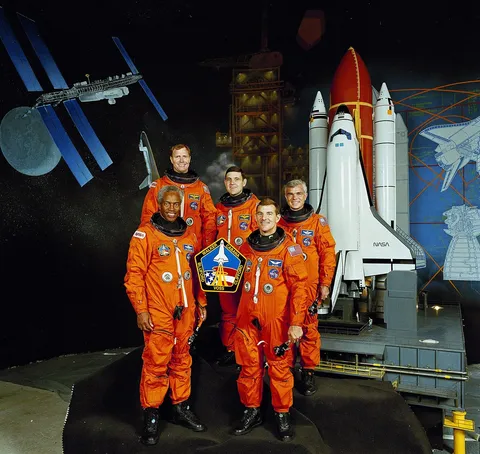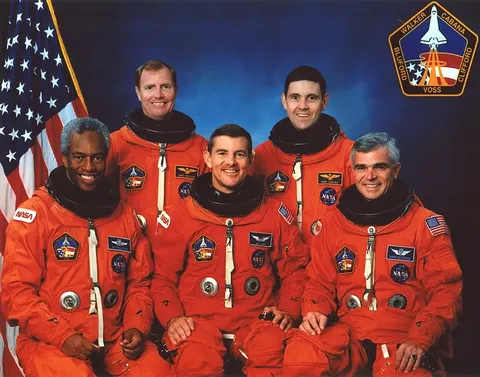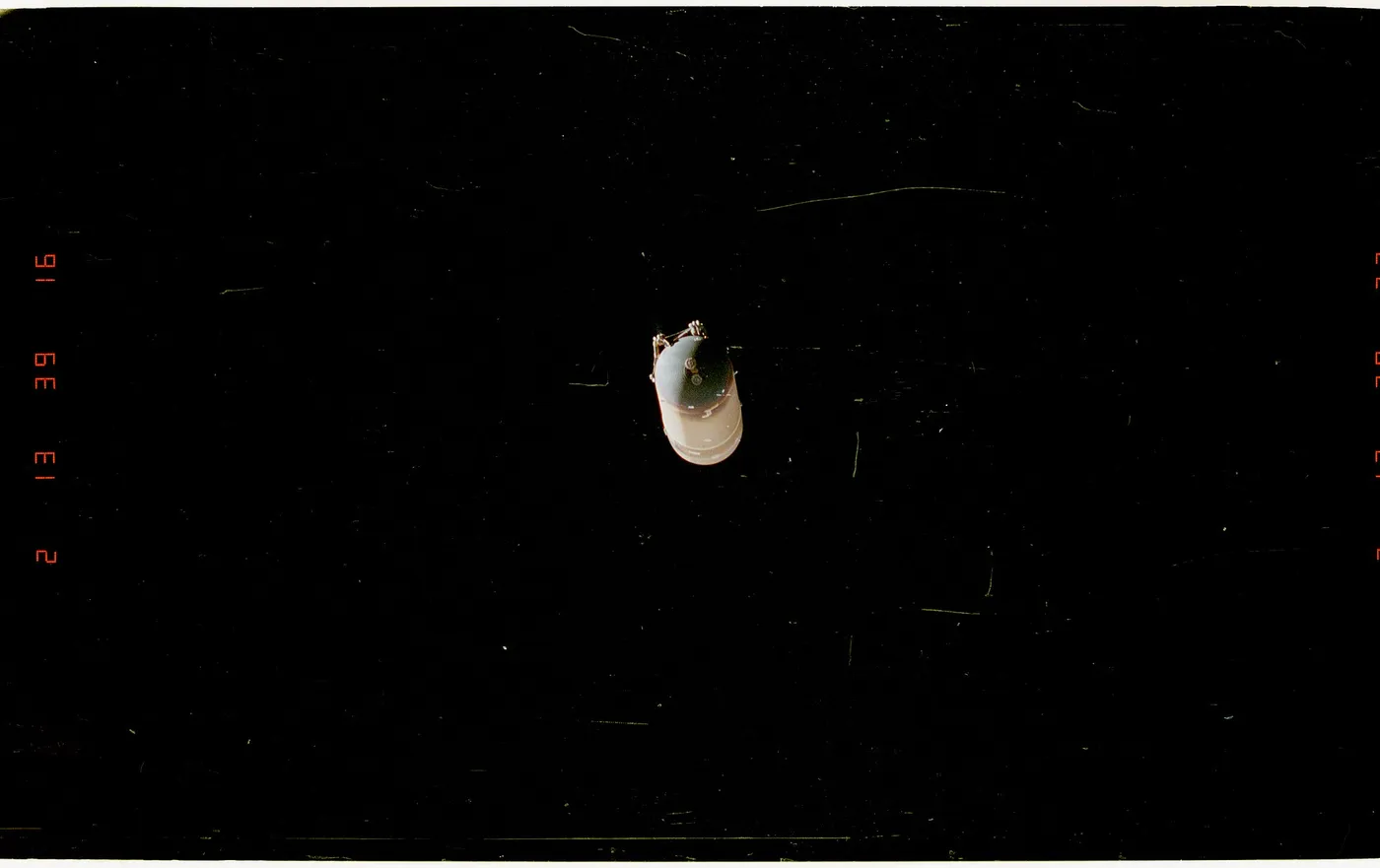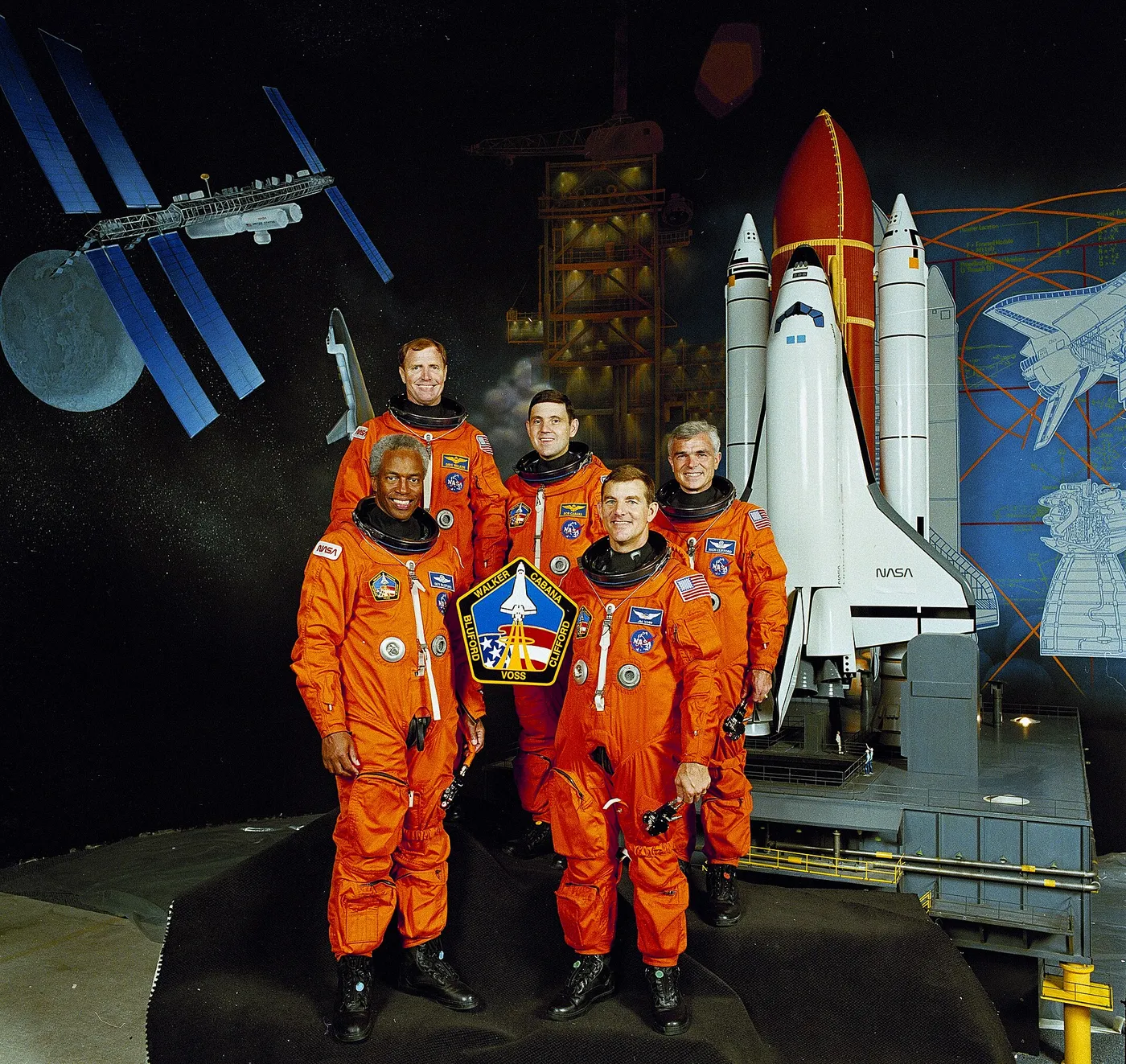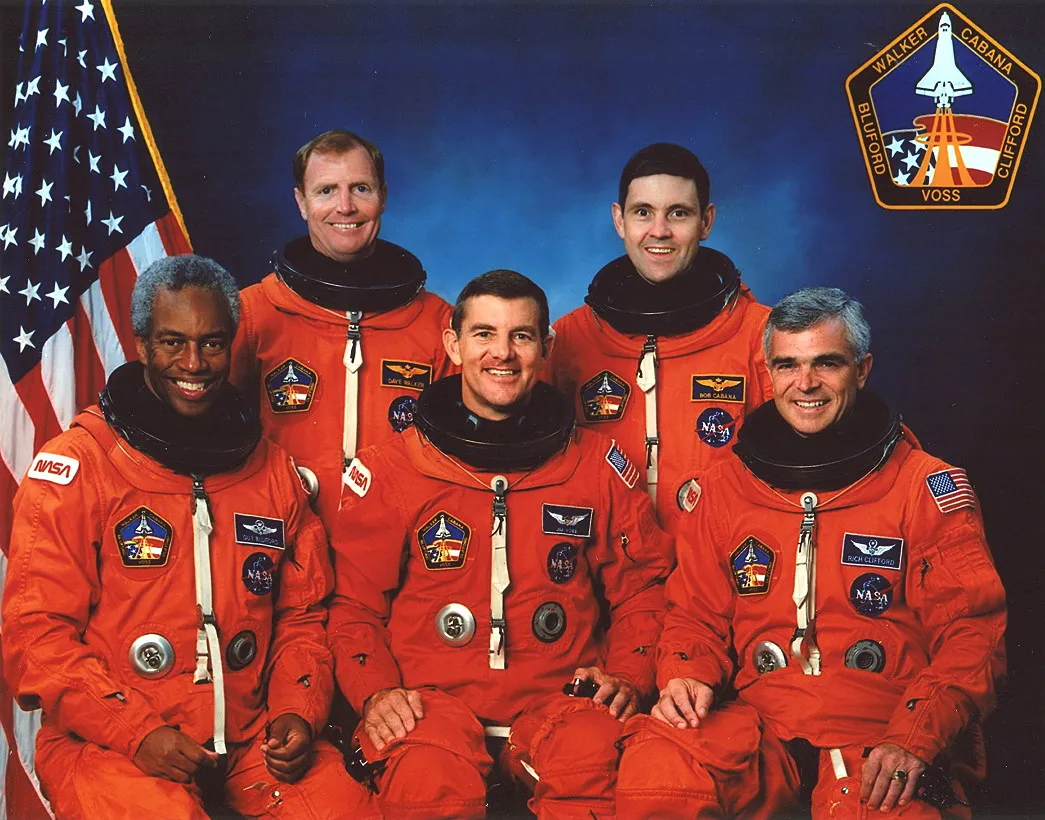
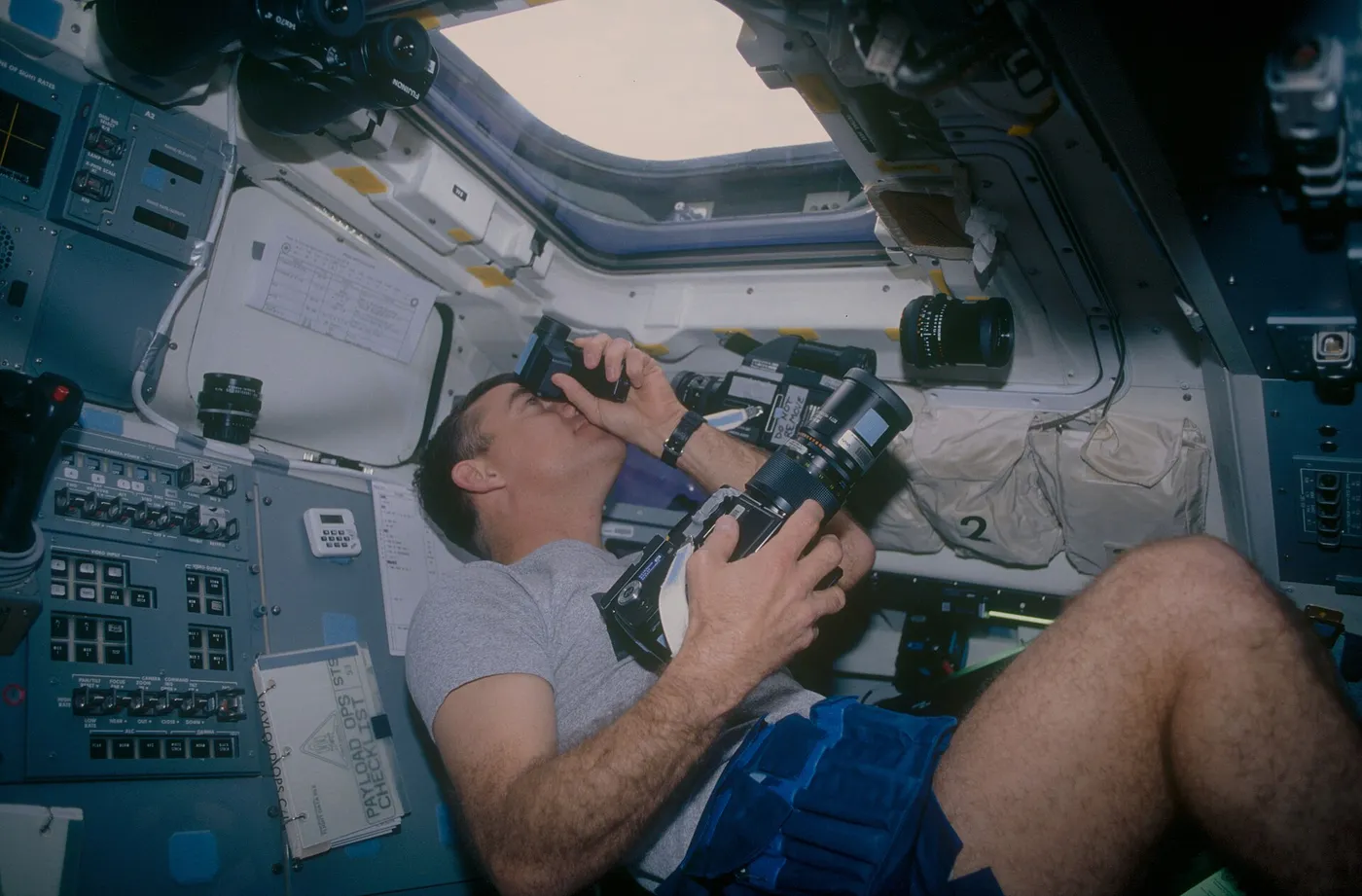
Discovery closed out the Shuttle's era of dedicated military flights in December 1992, deploying the last major classified Defense Department payload the programme would carry. The crew of five released a satellite understood to relay data from reconnaissance spacecraft, then turned to a set of unclassified experiments in the second half of the flight.
The mission marked a turning point: national policy had shifted military payloads back onto expendable rockets, freeing the fleet to concentrate on science, satellite servicing and the coming space station. After STS-53 the veil of secrecy that had periodically fallen over Shuttle operations lifted for good, and the orbiters entered a new chapter defined by open research and international partnership.
This was the last dedicated Department of Defense mission of the programme. Discovery went up in December 1992 with a classified primary payload — believed to be a communications relay for military satellites — and a set of unclassified secondary experiments that the crew discussed freely.
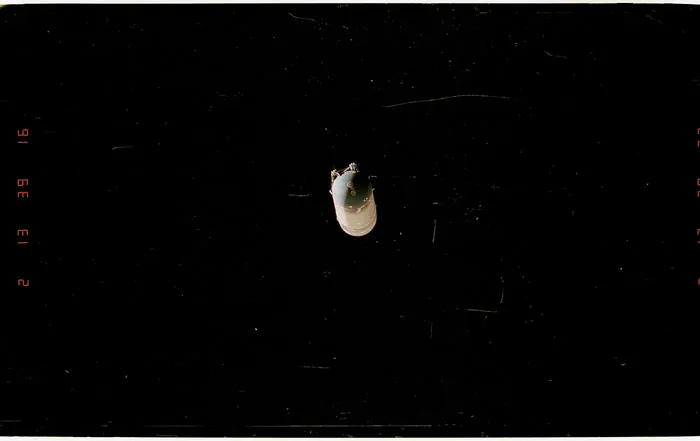
The end of the arrangement had been coming since Challenger. Flying national security payloads on a crewed vehicle put astronauts at risk for cargo that did not need them, tied the Air Force's schedule to NASA's, and had required an entire launch complex at Vandenberg in California that was built, never used, and quietly abandoned at a cost of billions.
After this flight the military went back to expendable rockets for good, and the Shuttle's manifest became what its advocates had originally promised: science, servicing, and eventually construction. It is one of the programme's underappreciated ironies that the vehicle was designed around Air Force requirements — the huge bay, the delta wings, the cross-range — that were exercised for barely a decade and then abandoned.