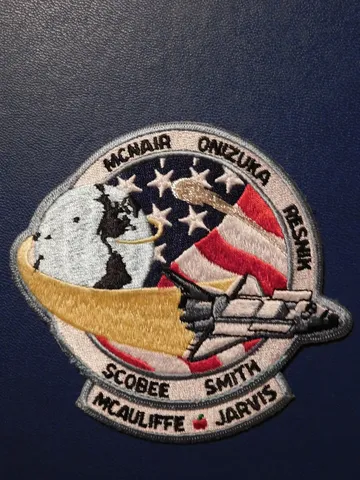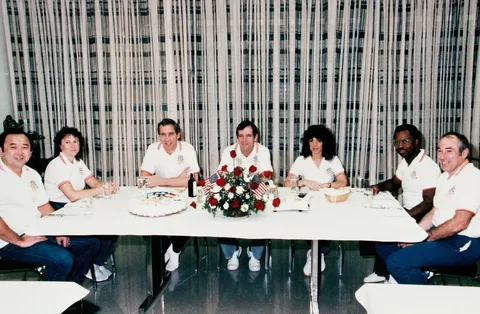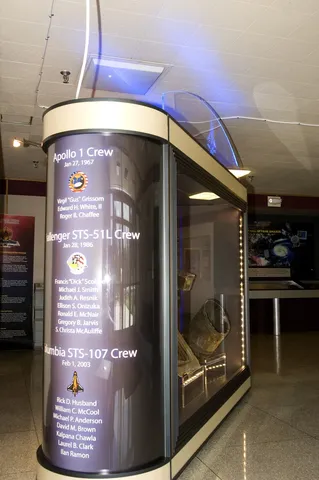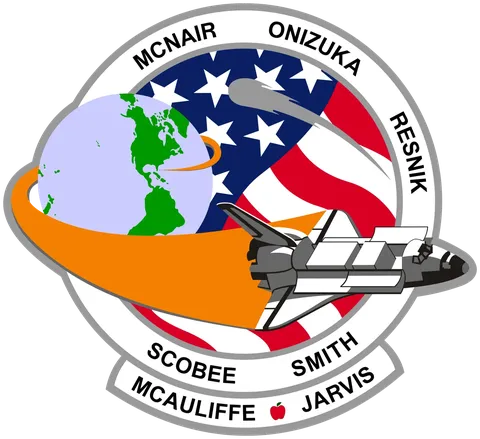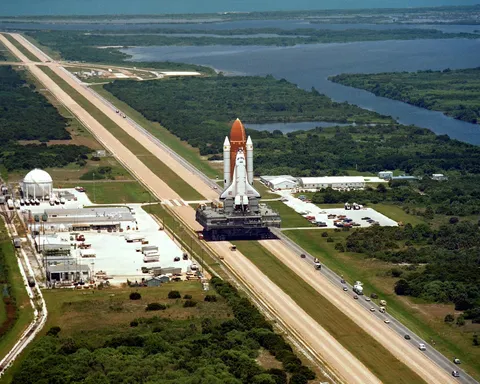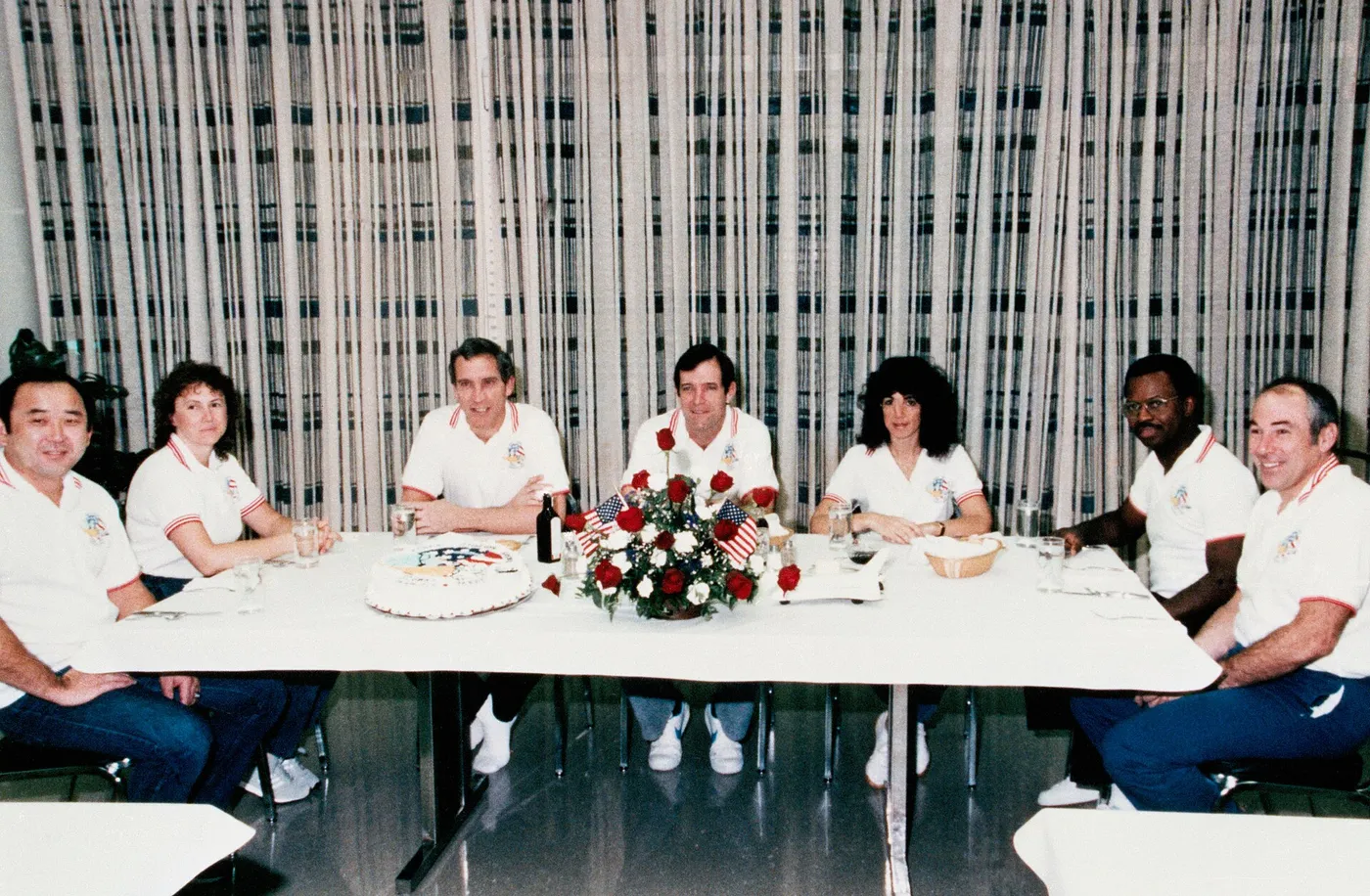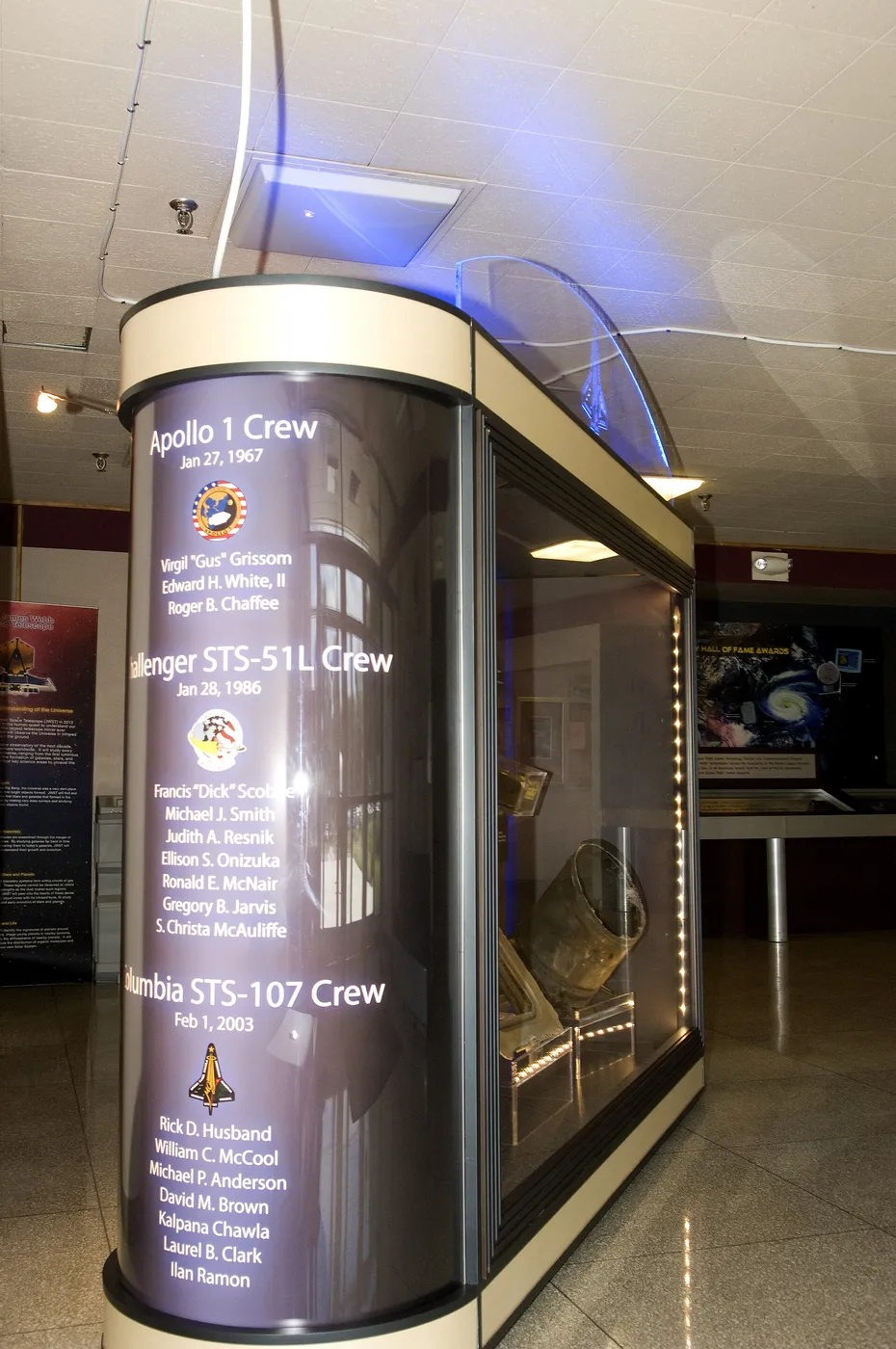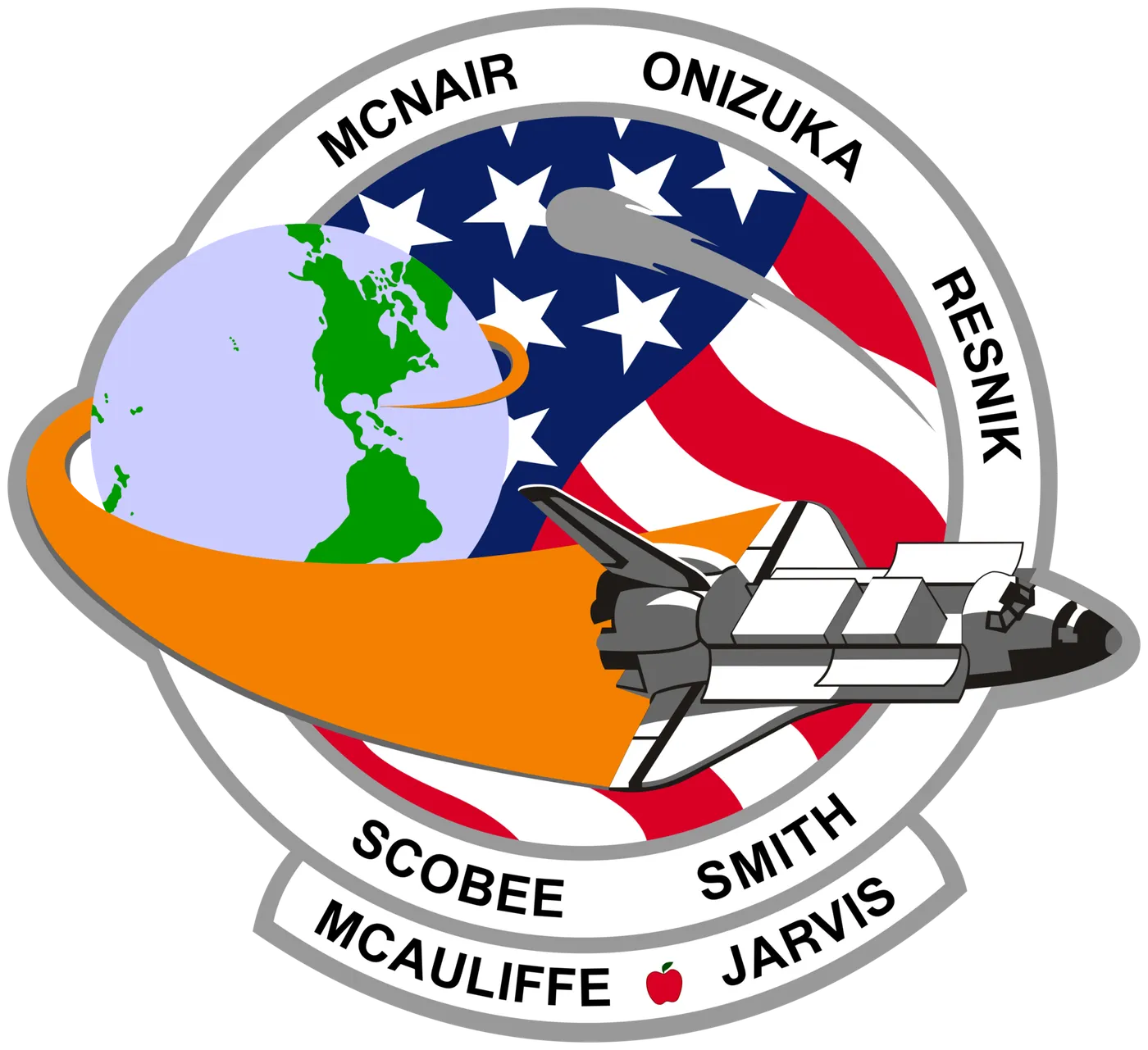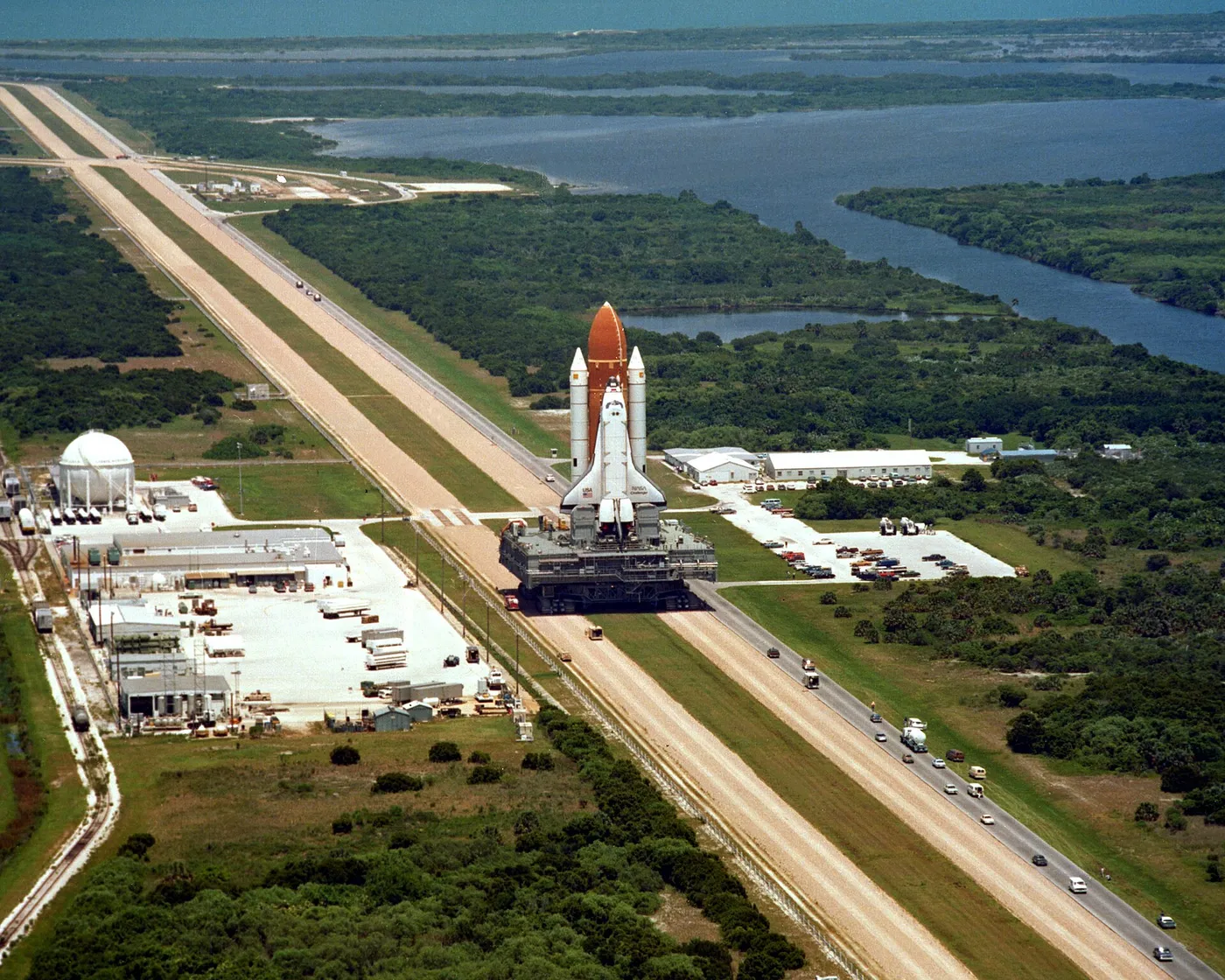
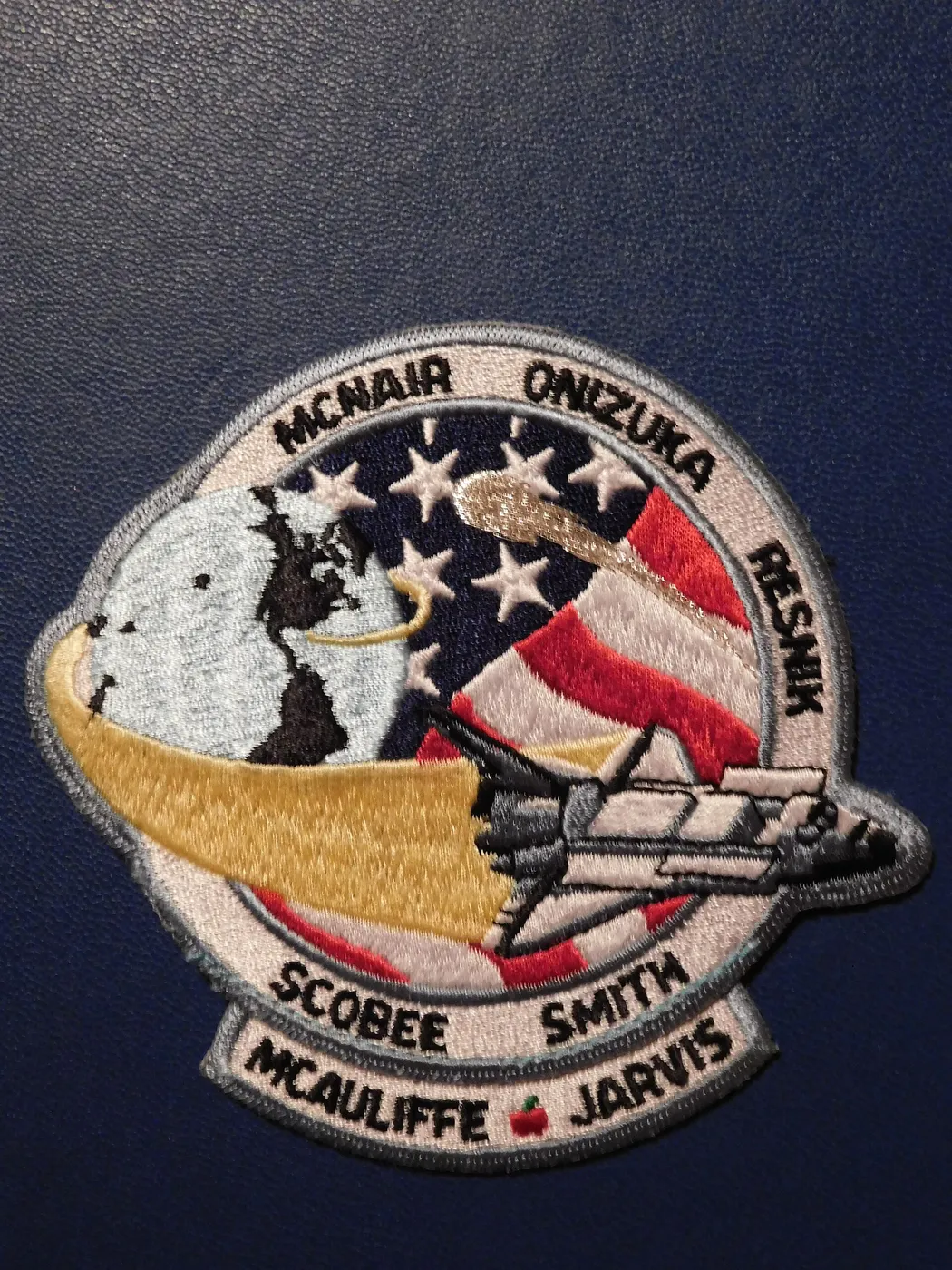

On the cold morning of 28 January 1986, Challenger carried a crew of seven that had captured the nation's attention, above all Christa McAuliffe, a New Hampshire schoolteacher chosen to become the first ordinary citizen in space and to teach lessons from orbit to watching classrooms. Overnight temperatures had fallen well below freezing, far colder than any previous launch.
Seventy-three seconds after liftoff, Challenger broke apart in the sky over Florida as a seal in one of its solid rocket boosters, stiffened by the cold, failed and let burning gas escape. All seven aboard were lost. The investigation that followed exposed not just the flawed seal but a decision-making culture that had normalised known risks under schedule pressure.
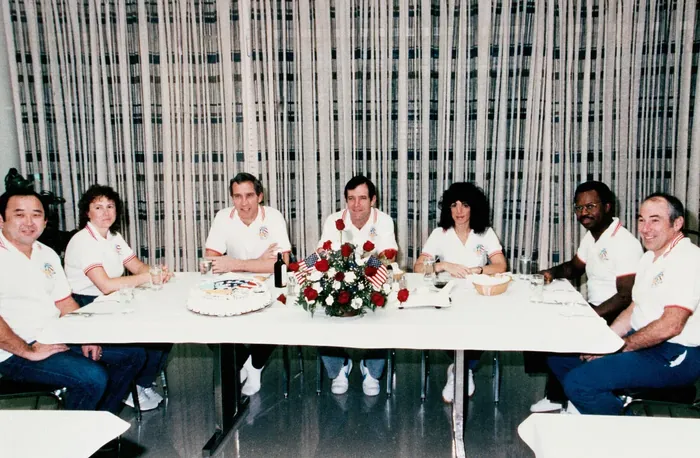
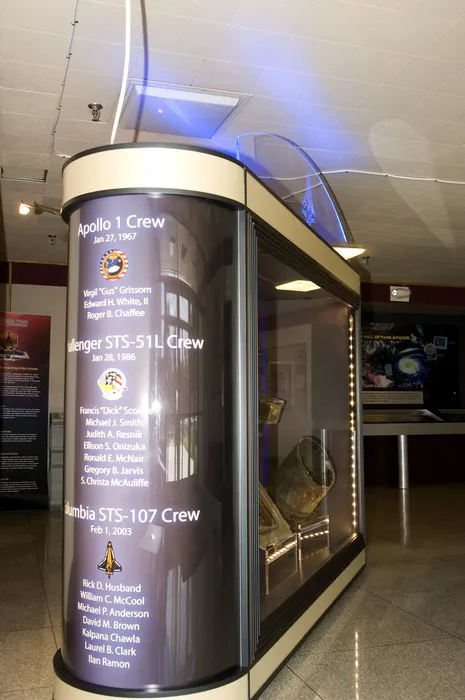
The disaster grounded the fleet for nearly three years and forced a top-to-bottom reckoning with how NASA weighed danger. The Shuttle that returned to flight in 1988 was a more cautious machine flown by a more cautious agency, and the seven names from that January morning became a permanent part of how the programme understood the stakes of its own ambition.
The seal that failed was a known problem. Engineers at the booster manufacturer, Morton Thiokol, had been documenting erosion of the O-rings for years, and on the eve of the launch they recommended in writing against flying in the forecast cold. In a night-long teleconference that recommendation was contested, then reversed after Thiokol managers were asked to take off their engineering hat and put on a management hat. Roger Boisjoly, who had argued hardest against launching, watched the liftoff certain the vehicle had survived the dangerous moment, and only realised otherwise a minute later.
The crew almost certainly survived the breakup itself — the cabin separated intact and fell for two and a half minutes, and at least three emergency air packs had been switched on, which could only have been done by hand. NASA withheld that for months. The Rogers Commission that followed produced the defining image of the investigation when the physicist Richard Feynman, on live television, dropped a piece of O-ring rubber into a glass of iced water and showed that it lost its resilience in the cold. His appendix to the report closed with a line that has outlived nearly everything else written about the programme: that for a successful technology, reality must take precedence over public relations, because nature cannot be fooled.