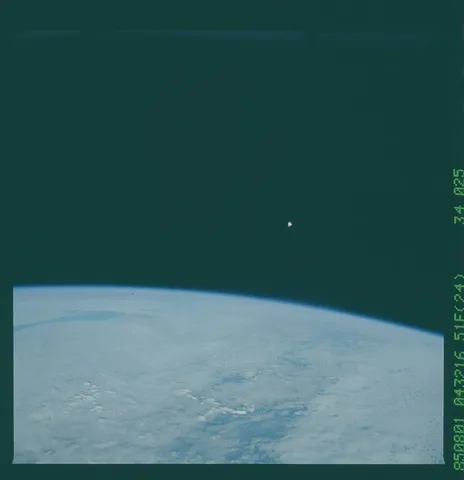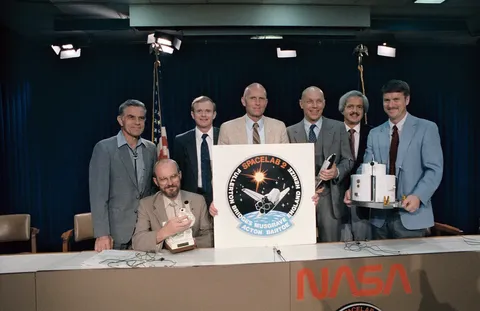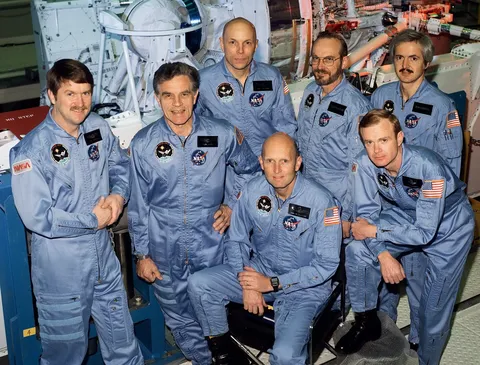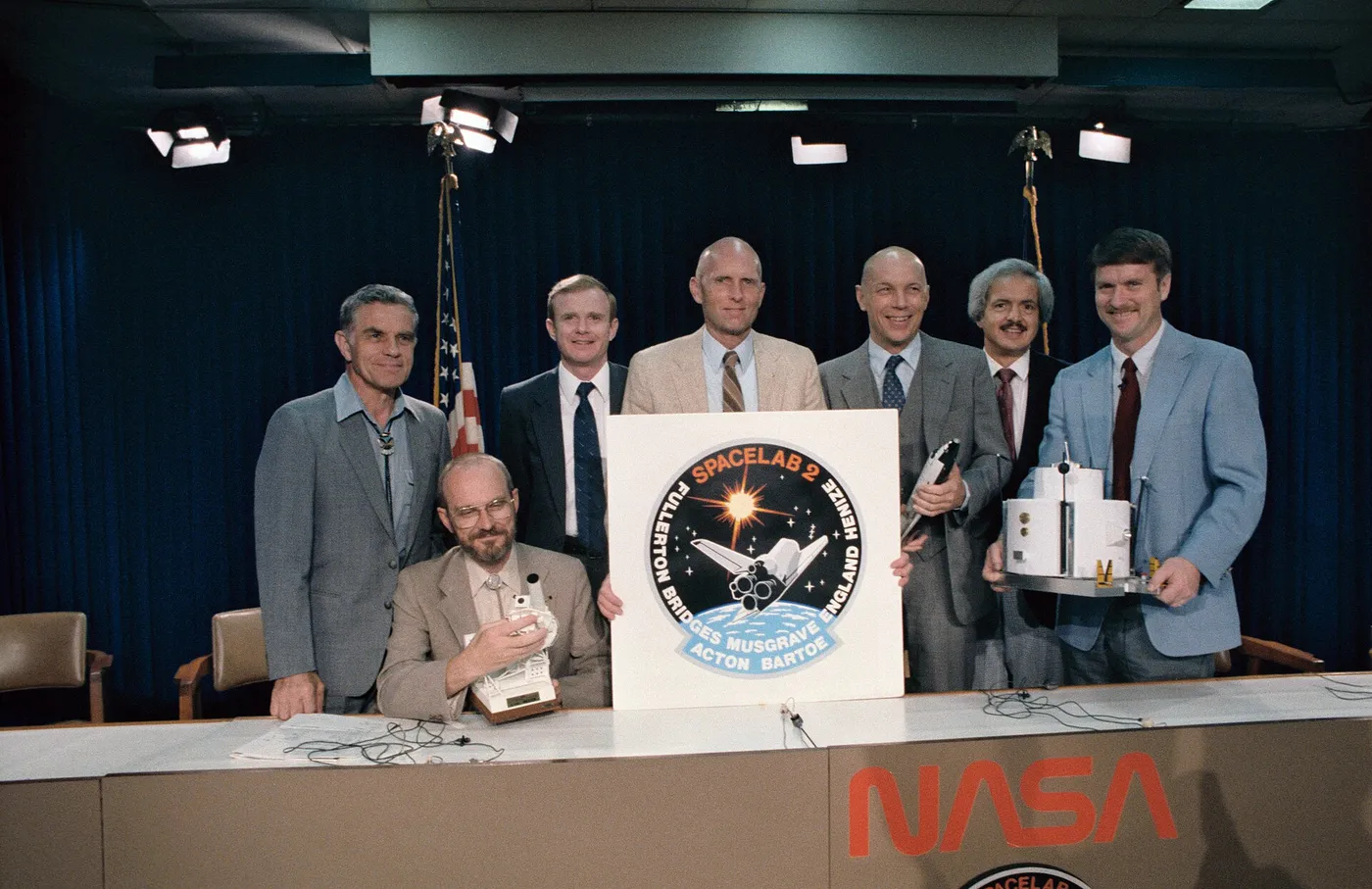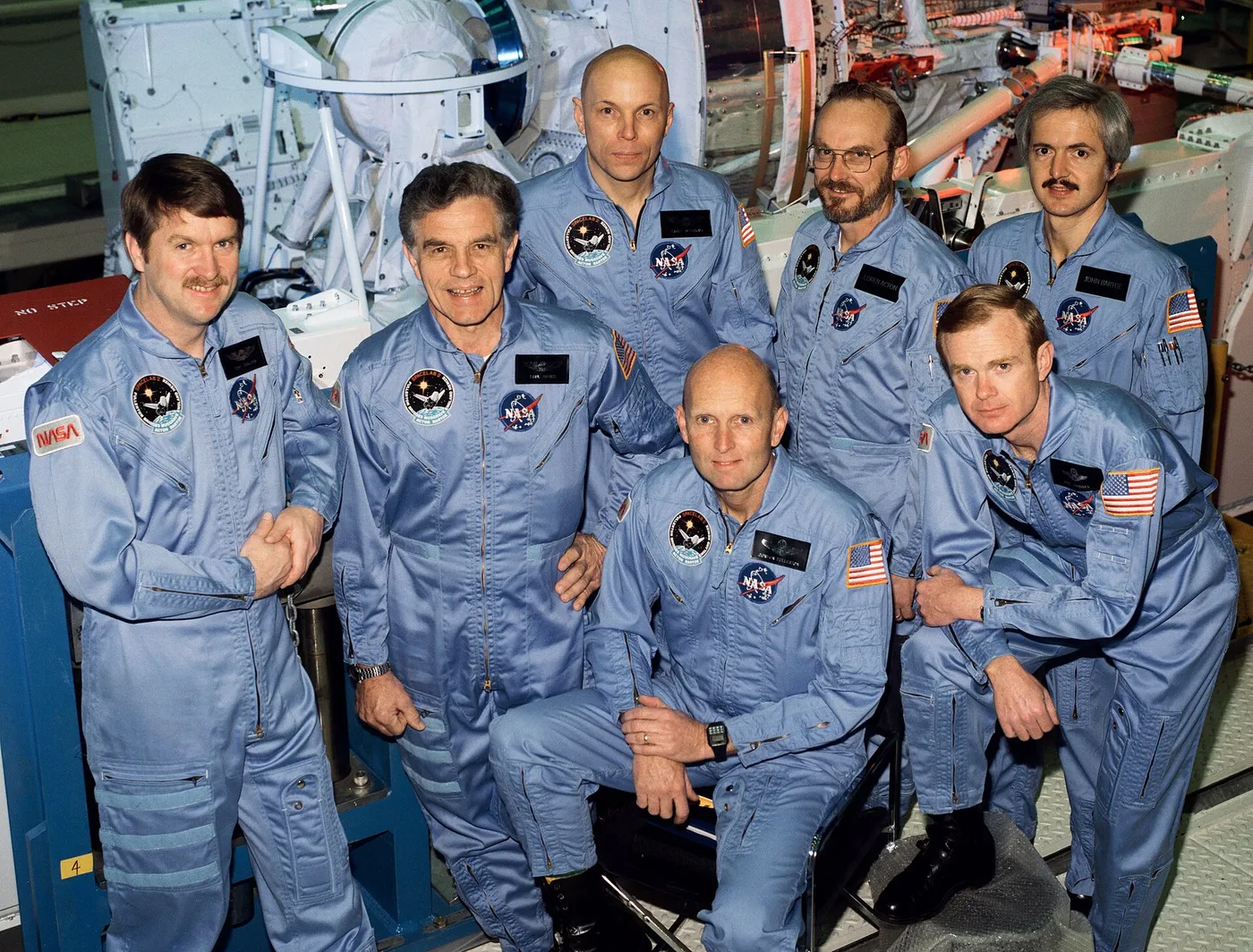
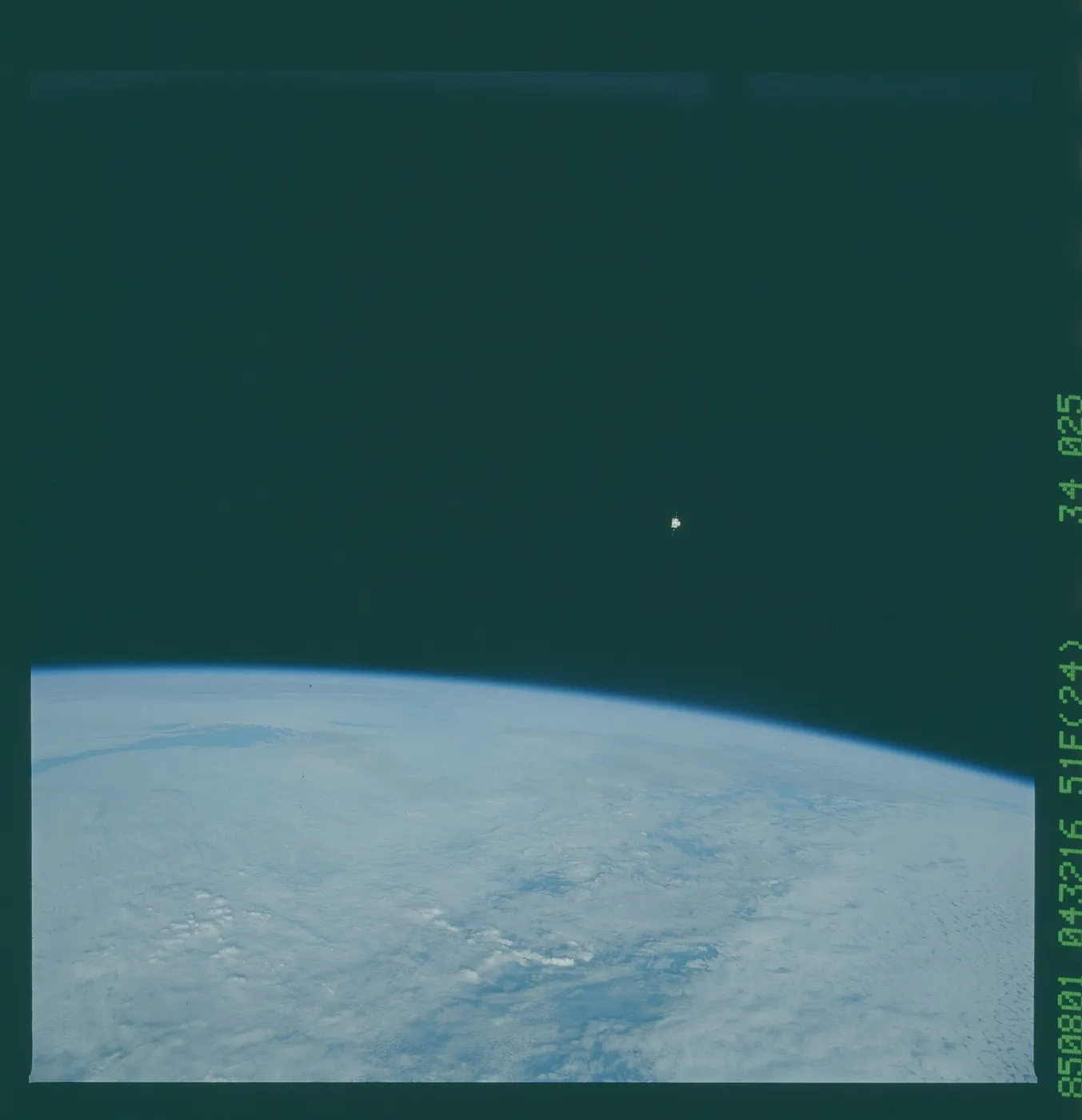

Challenger's July 1985 flight carrying the Spacelab-2 astronomy laboratory nearly ended before it reached orbit. About six minutes into the climb one main engine shut down prematurely, and moments later a second began to falter; quick action in mission control kept it running and commanded the only "abort to orbit" ever flown, leaving Challenger in a lower path than planned but safely in space.
From that improvised orbit the crew of seven ran a suite of telescopes and instruments studying the Sun and cosmic sources, pointing them from a cluster of pallets in the open bay. The mission became a case study in how much margin the Shuttle carried, and in a crew and control team improvising their way to a full science return after a launch that could easily have ended in the Atlantic.
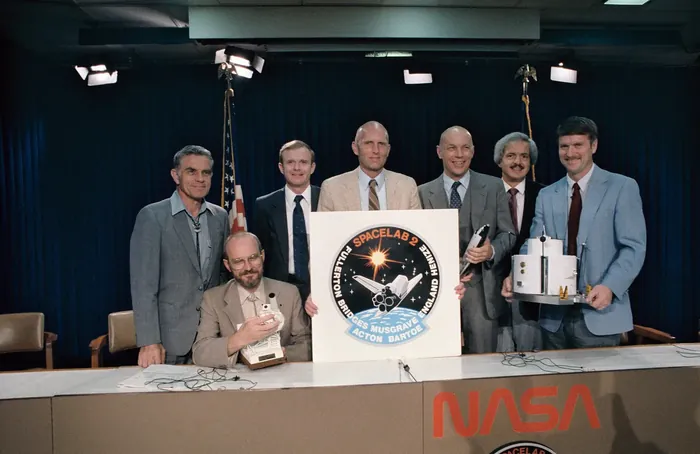
This is the only Shuttle mission ever to reach orbit on an abort. Five minutes and forty-five seconds into the climb, faulty temperature sensors convinced the flight computers that one main engine was overheating and it was shut down, triggering an abort-to-orbit — a contingency that meant flying on with the two remaining engines to a lower orbit than planned.
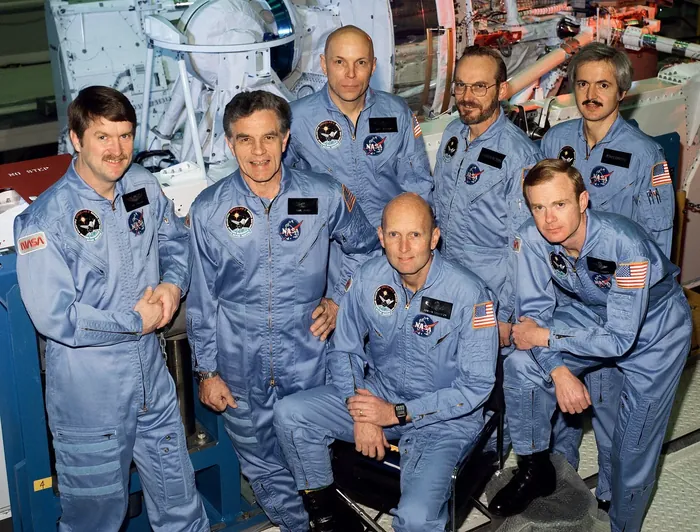
It nearly became far worse. The same sensor problem began to indicate an overheat on a second engine, and losing two would have meant an emergency landing across the Atlantic in Spain. A flight controller named Jenny Howard called for the crew to inhibit the automatic shutdown — overriding the computers on the basis that the sensors, not the engines, were lying. She was right, and the call saved the mission and possibly the vehicle.
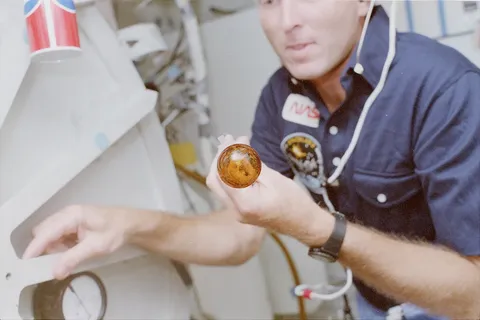
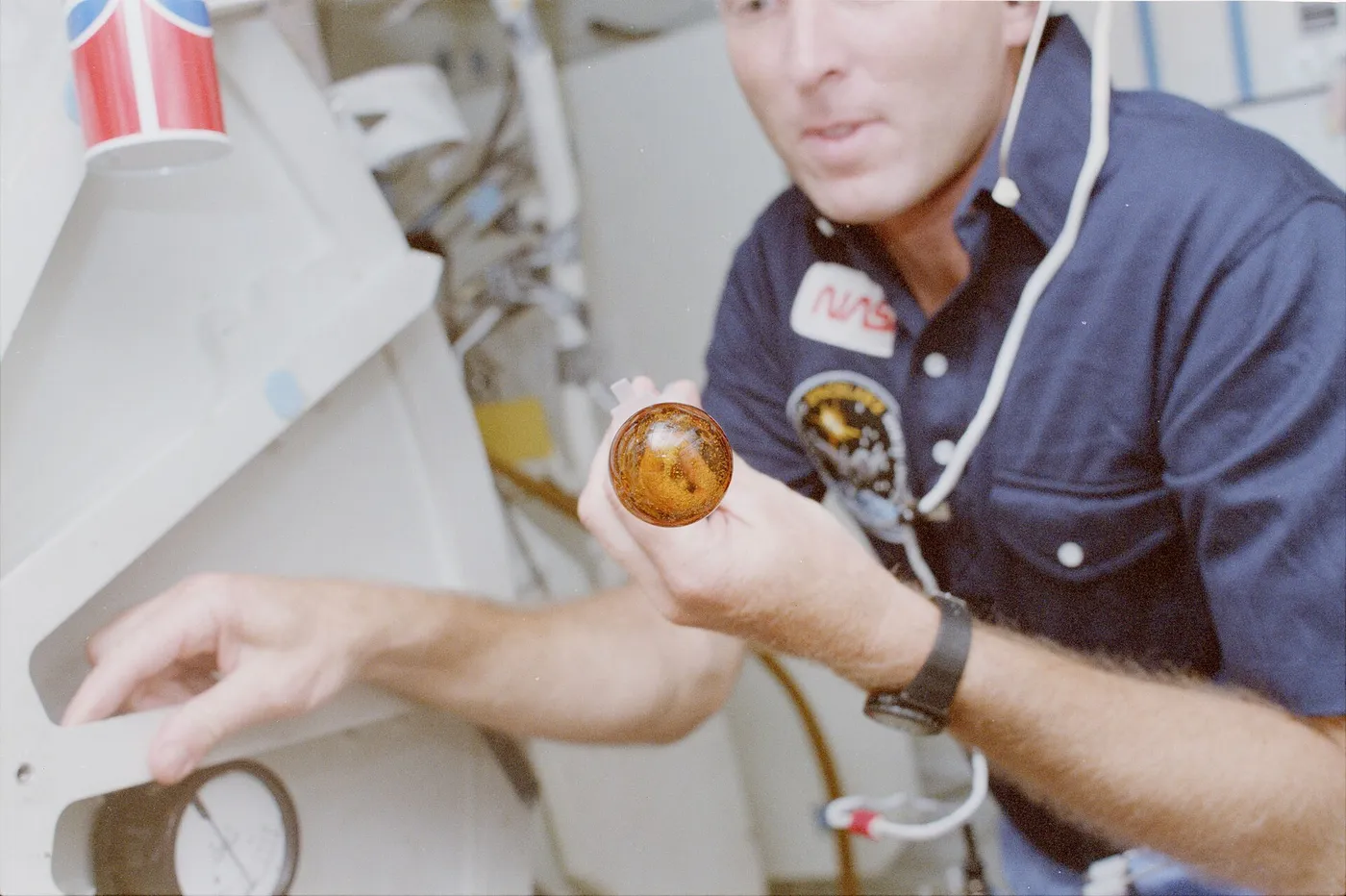
Challenger settled into an orbit some 70 kilometres low, and Spacelab 2's solar and astronomy instruments worked well enough that most objectives were met anyway. The flight also carried the programme's most trivial experiment, a pair of specially designed carbonated drink dispensers flown by Coca-Cola and Pepsi in a marketing contest; the crew reported that warm fizzy drinks in weightlessness were nobody's idea of a refreshment.