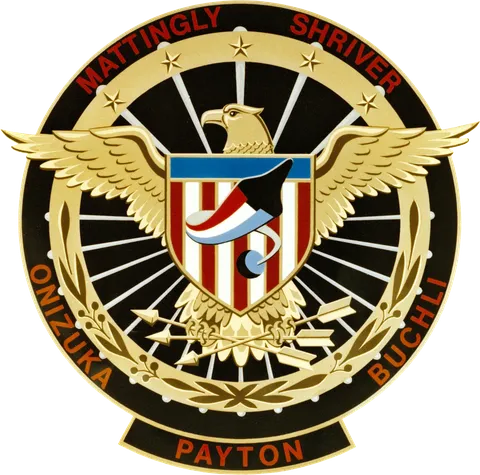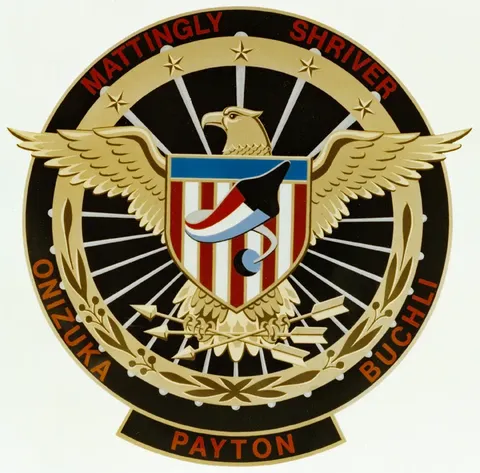
January 1985 brought the first Shuttle mission flown entirely for the military, and secrecy shrouded it from the start. Launch time was announced only nine minutes ahead, the payload was classified, and mission control fell largely silent to the public. Discovery's crew of five, which included the first serving military manned spaceflight engineer, deployed what was widely understood to be a large electronic-eavesdropping satellite bound for a high orbit.
Bitter Florida cold nearly delayed the flight, and the shortened three-day mission drew little public notice by design. But it marked the formal opening of a run of dedicated Defense Department flights that would recur through the 1980s, a role the Shuttle would largely shed after the fleet's priorities were reordered later in the decade.
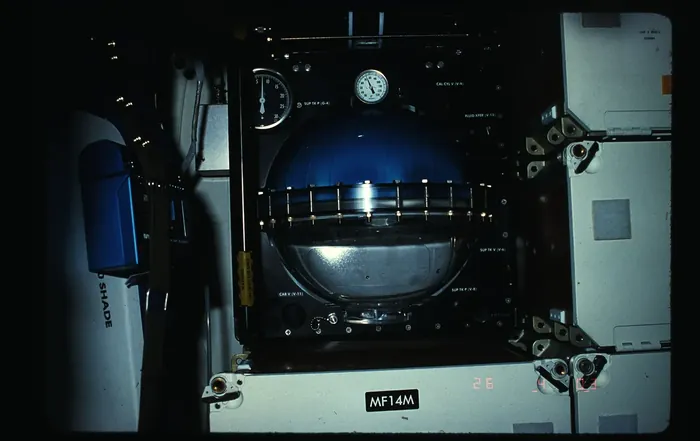
The first flight dedicated entirely to the Department of Defense went up in January 1985 with almost nothing published about it. The payload is generally understood to have been a large signals-intelligence satellite, and NASA's public affairs releases confined themselves to the launch time, the landing time and the names of the crew.
Those names included Ellison Onizuka, the first Asian-American in space, a Hawaiian-born aerospace engineer and Air Force test pilot; the commander was Ken Mattingly, on his third and final flight. The mission lasted three days and was, from the outside, entirely unremarkable.
Its importance emerged a year later, and posthumously. The launch had taken place in unusual cold, and when the boosters were recovered and examined, the O-ring seals showed the worst erosion and blow-by yet seen — hot gas had reached the secondary seal. That flight became the central exhibit in the engineers' argument, on the night before Challenger's launch, that cold weather and O-rings were a lethal combination. Onizuka was aboard Challenger when it broke apart.