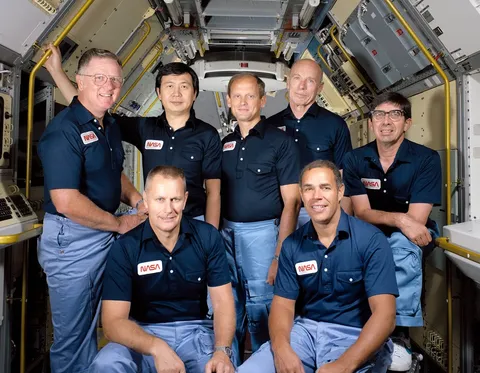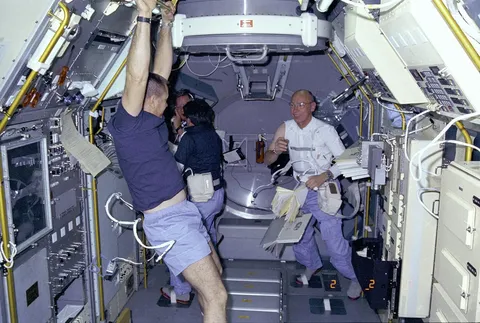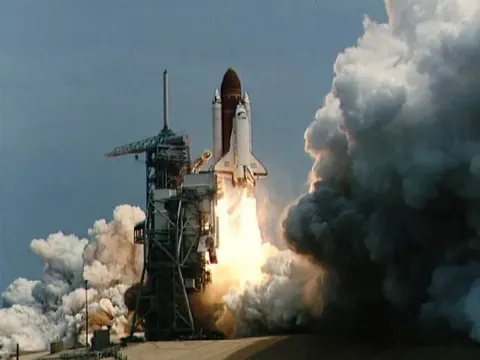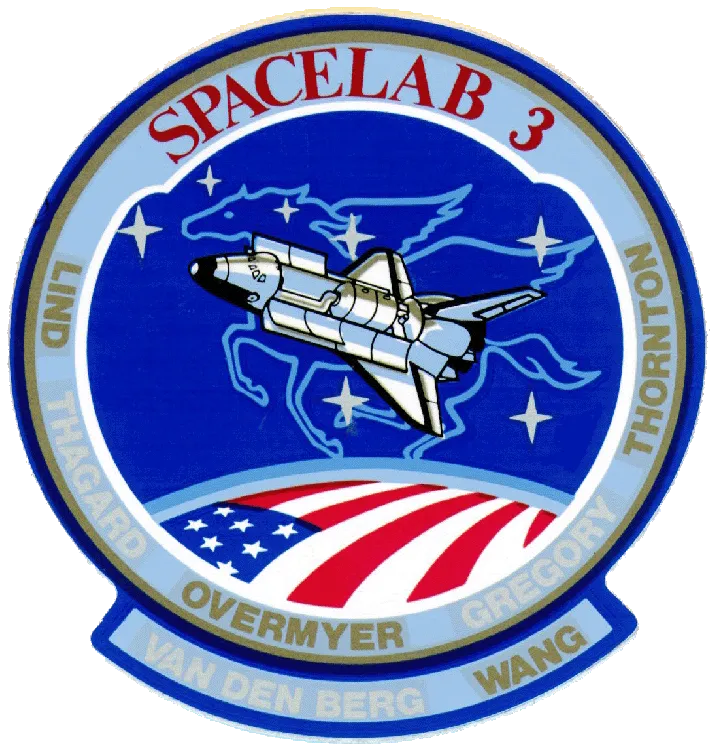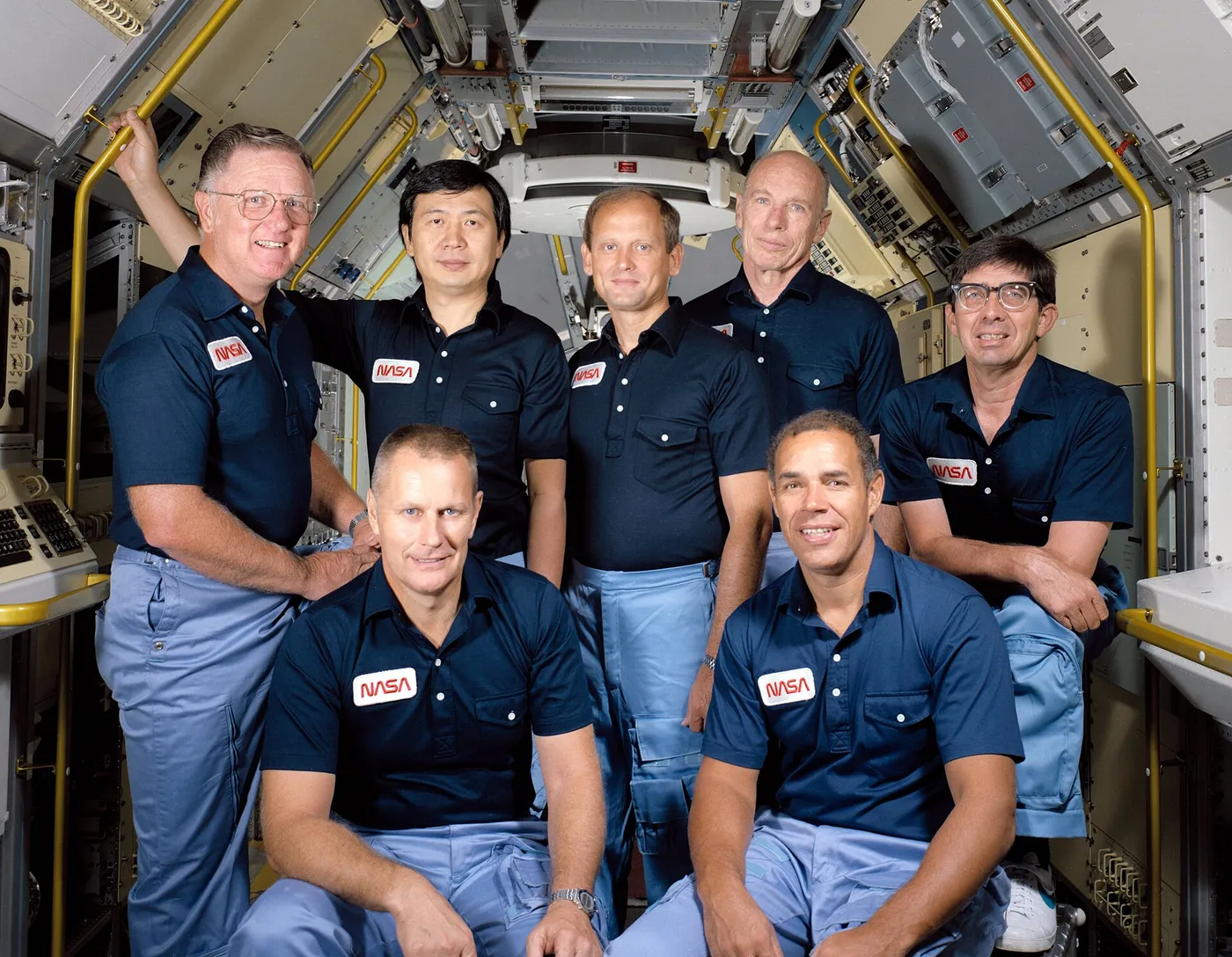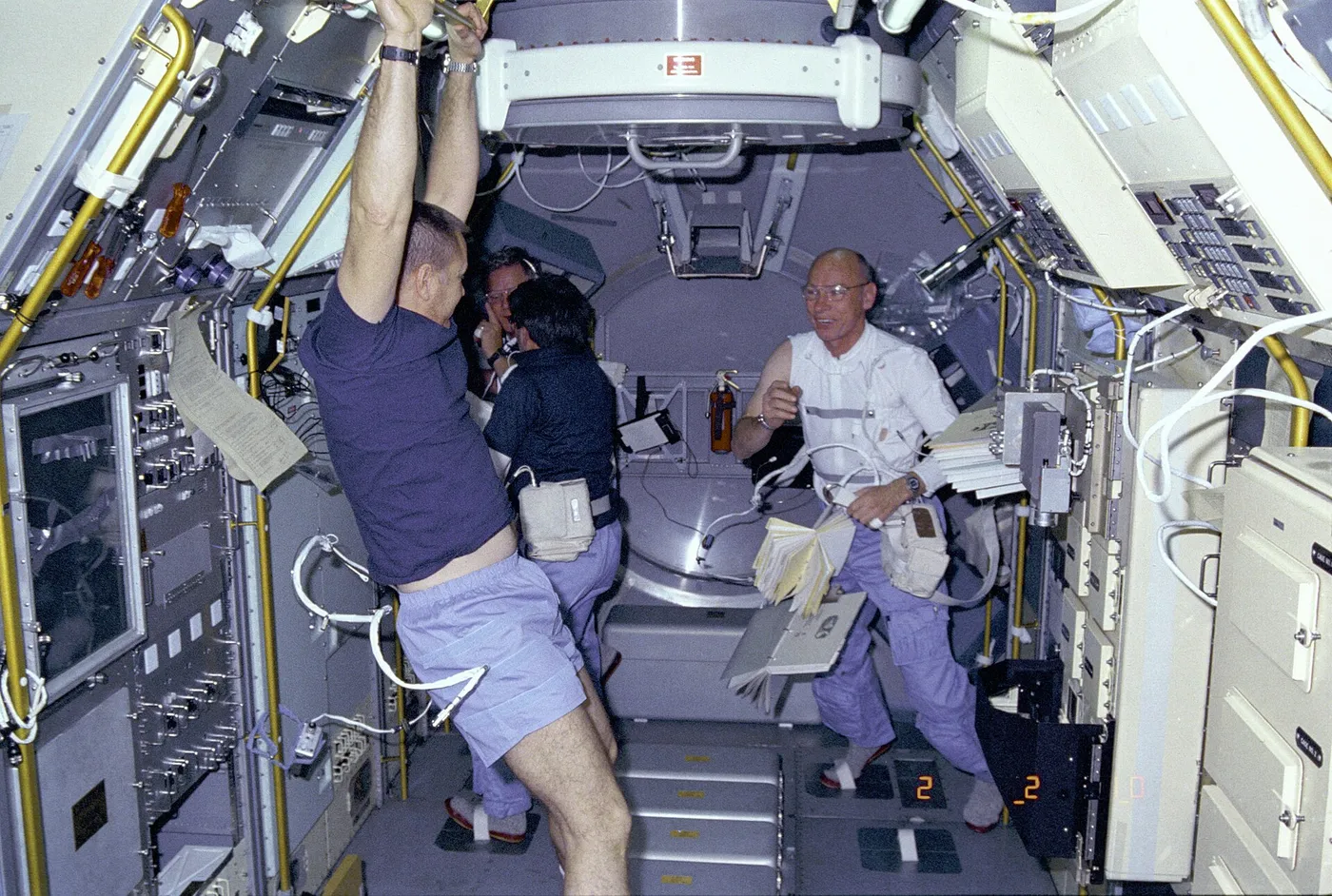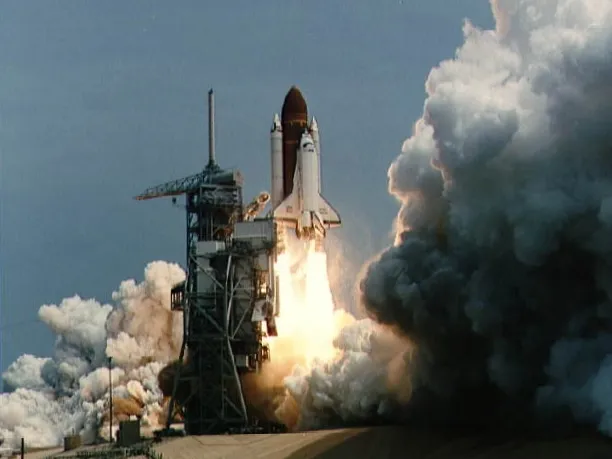
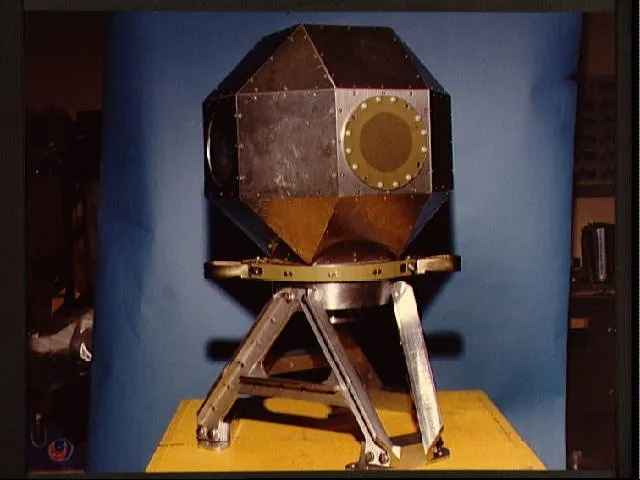
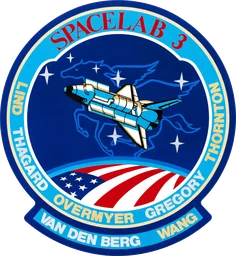
Challenger flew the dedicated Spacelab-3 laboratory in April 1985, a mission built around delicate materials and life-science experiments that demanded an unusually stable, quiet spacecraft. The crew of seven ran the lab around the clock in two shifts, growing crystals and studying fluids in ways impossible under gravity.
The flight also carried a small menagerie — two squirrel monkeys and two dozen rodents — in a research animal holding facility whose debut was decidedly messy, as food and waste escaped the cages and drifted through the module. The science returned was valuable, but the experience taught hard lessons about housing animals in weightlessness that shaped the designs flown on later laboratory missions.
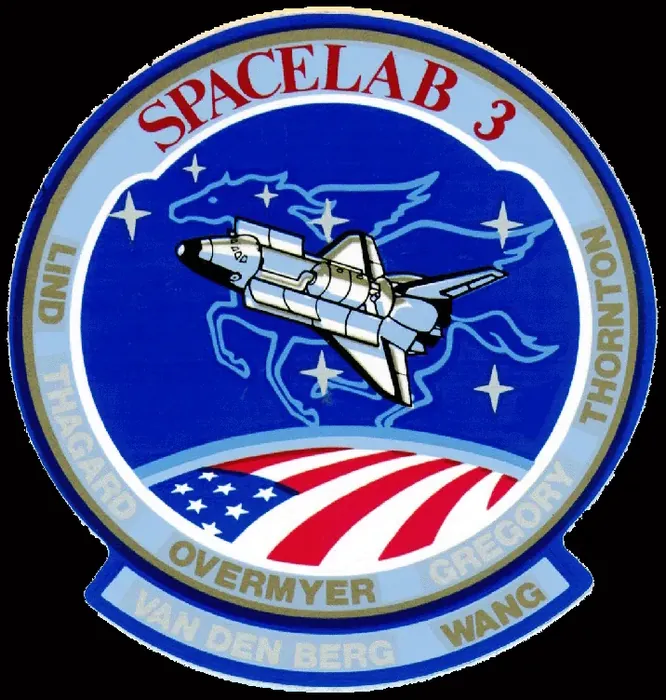
Spacelab 3 was a laboratory flight, and its most notorious moment involved animal waste. The module carried two squirrel monkeys and two dozen rats in a new cage system whose air-filtration seals proved inadequate; when the doors were opened, food crumbs and faeces escaped and floated freely through the laboratory, and the crew spent a good deal of the mission chasing debris with vacuum cleaners while trying not to inhale it.
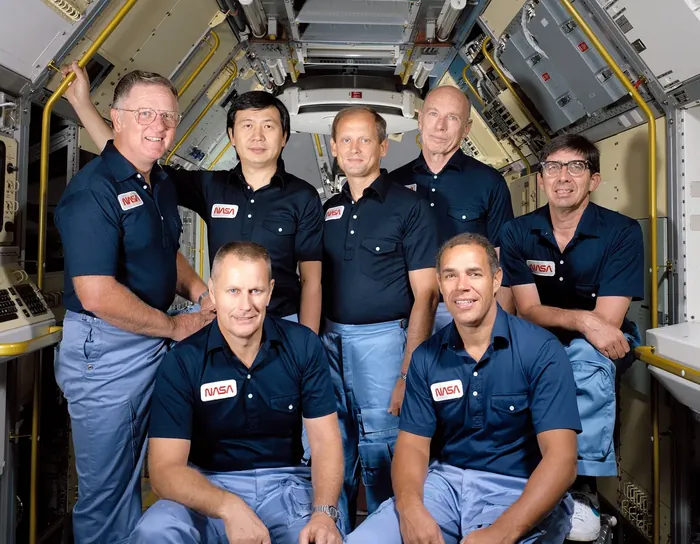
It became a cautionary tale in life-science hardware design and a reliable joke at NASA's expense, but the flight's science was serious — fluid physics, crystal growth, atmospheric measurements and vestibular studies ran around the clock in two shifts for a week.
One episode captured what the module was actually for. Taylor Wang, the first Chinese-born person to fly in space, watched his own experiment on the behaviour of floating liquid drops fail early in the mission. Told there was no time in the schedule to fix it, he pressed the point hard enough that he was eventually given the hours — and repaired it, and got his data. It was the first real demonstration that a scientist aboard could rescue science that a remote-controlled payload would simply have lost.