
Columbia flew the first United States Microgravity Laboratory in June 1992 and, in doing so, ushered in a new era of longer Shuttle missions. Fitted for the first time with equipment allowing an extended stay in orbit, Columbia kept its crew of seven aloft for nearly fourteen days, then the longest Shuttle flight.
The science focused on materials and fluids, growing crystals and studying how liquids and molten metals behave without gravity to disturb them — work with an eye toward better semiconductors and industrial processes. The extended duration was as important as any single experiment, proving the fleet could sustain crews through the long research flights that laboratory science demanded and that the space station would one day require.
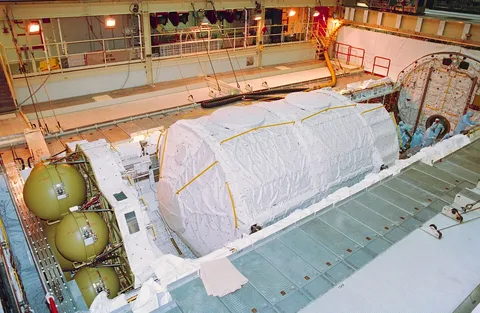
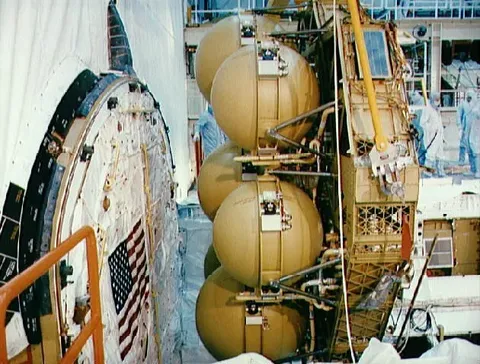
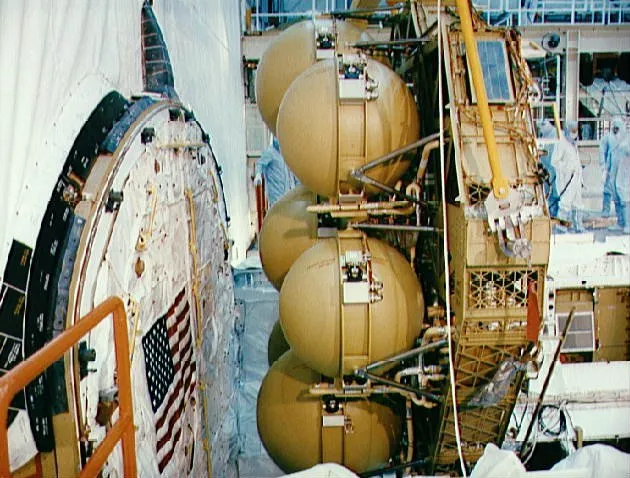
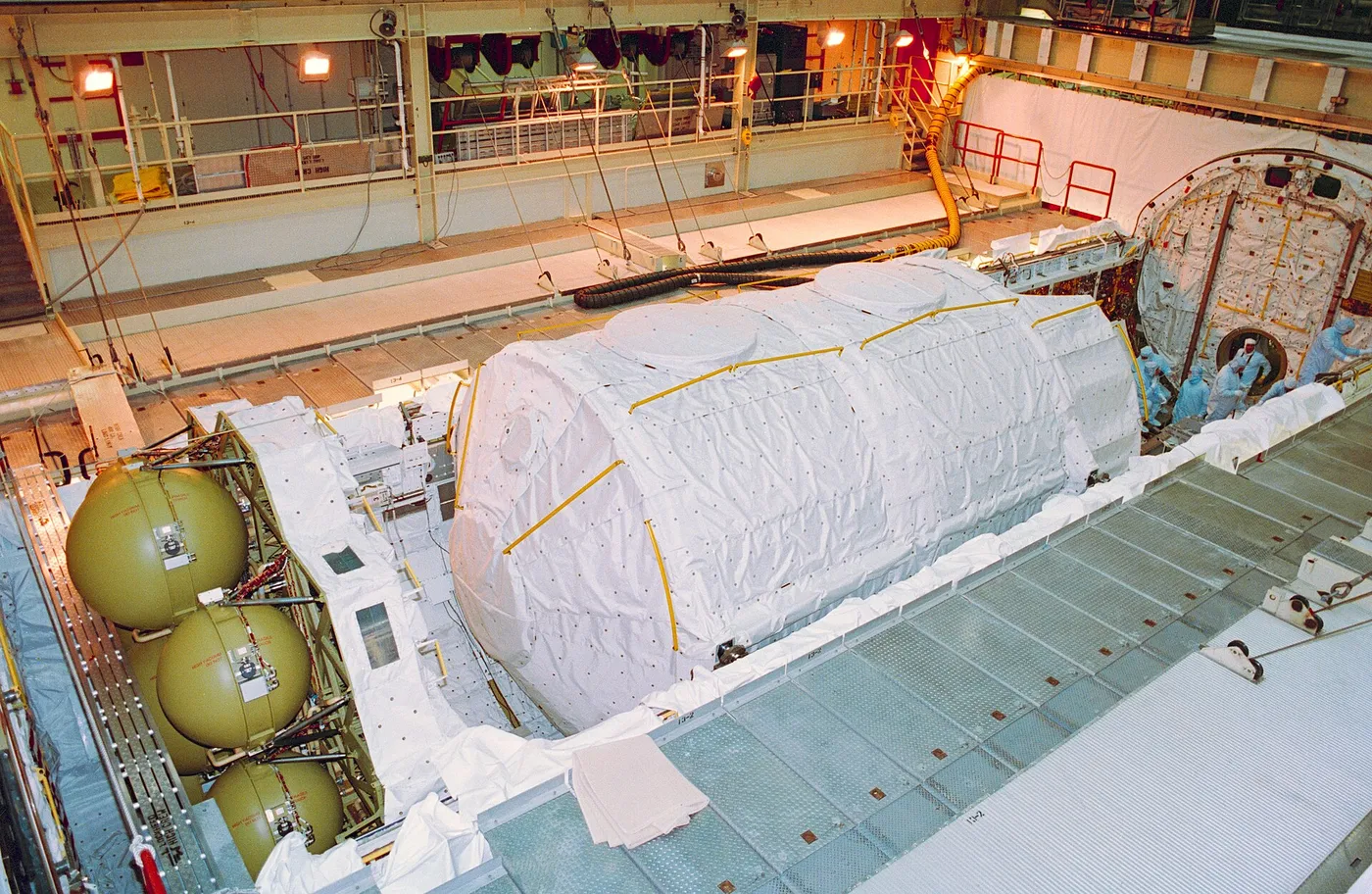
This was the flight that made the Shuttle a long-duration vehicle. Columbia carried, for the first time, the Extended Duration Orbiter pallet — a tank of additional cryogenic oxygen and hydrogen for the fuel cells, bolted into the back of the payload bay — and with it stayed up for nearly fourteen days, the longest mission the programme had yet flown.

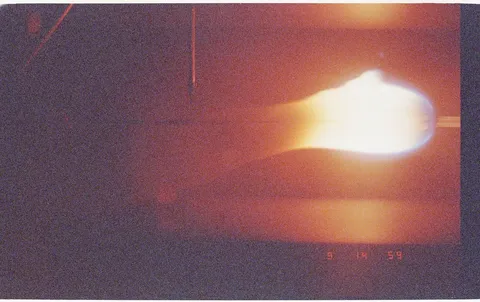
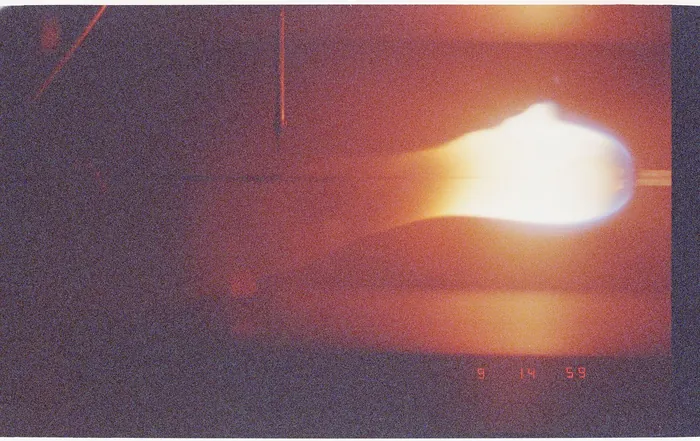
The extra time was for science. The first United States Microgravity Laboratory ran experiments in crystal growth, fluid physics and combustion that needed days rather than hours to develop, including protein crystals grown for pharmaceutical research and studies of how liquids behave when surface tension, rather than gravity, is the dominant force.
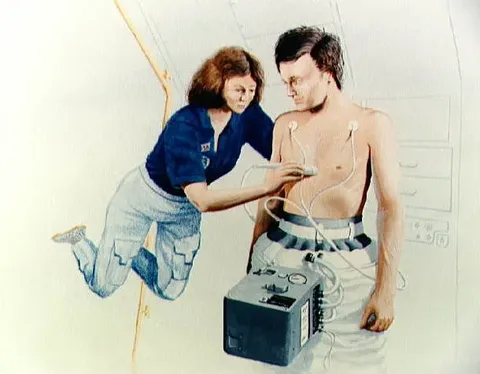
The endurance hardware mattered more than any single experiment. It made possible the sixteen-day science flights of the 1990s, gave NASA experience of crews living aboard for a fortnight, and provided a bridge between the week-long deployment missions of the 1980s and the long-duration work on Mir and the station that was coming. Columbia, the heaviest and least suited of the orbiters for station flights, became the programme's dedicated laboratory as a result.