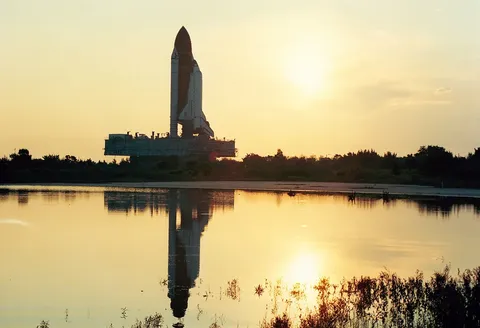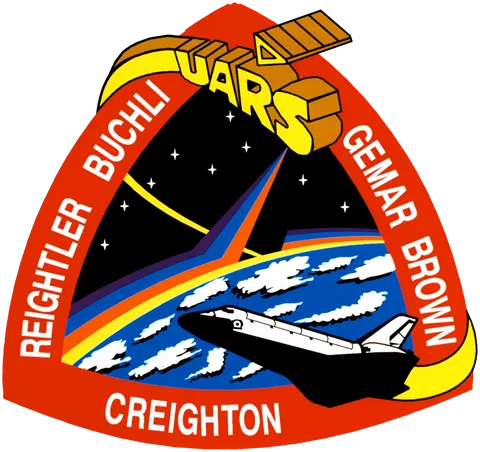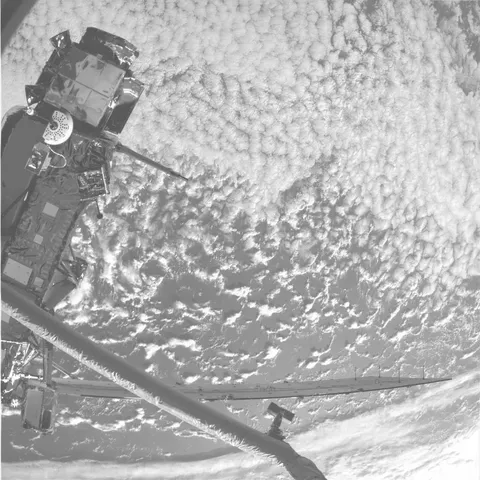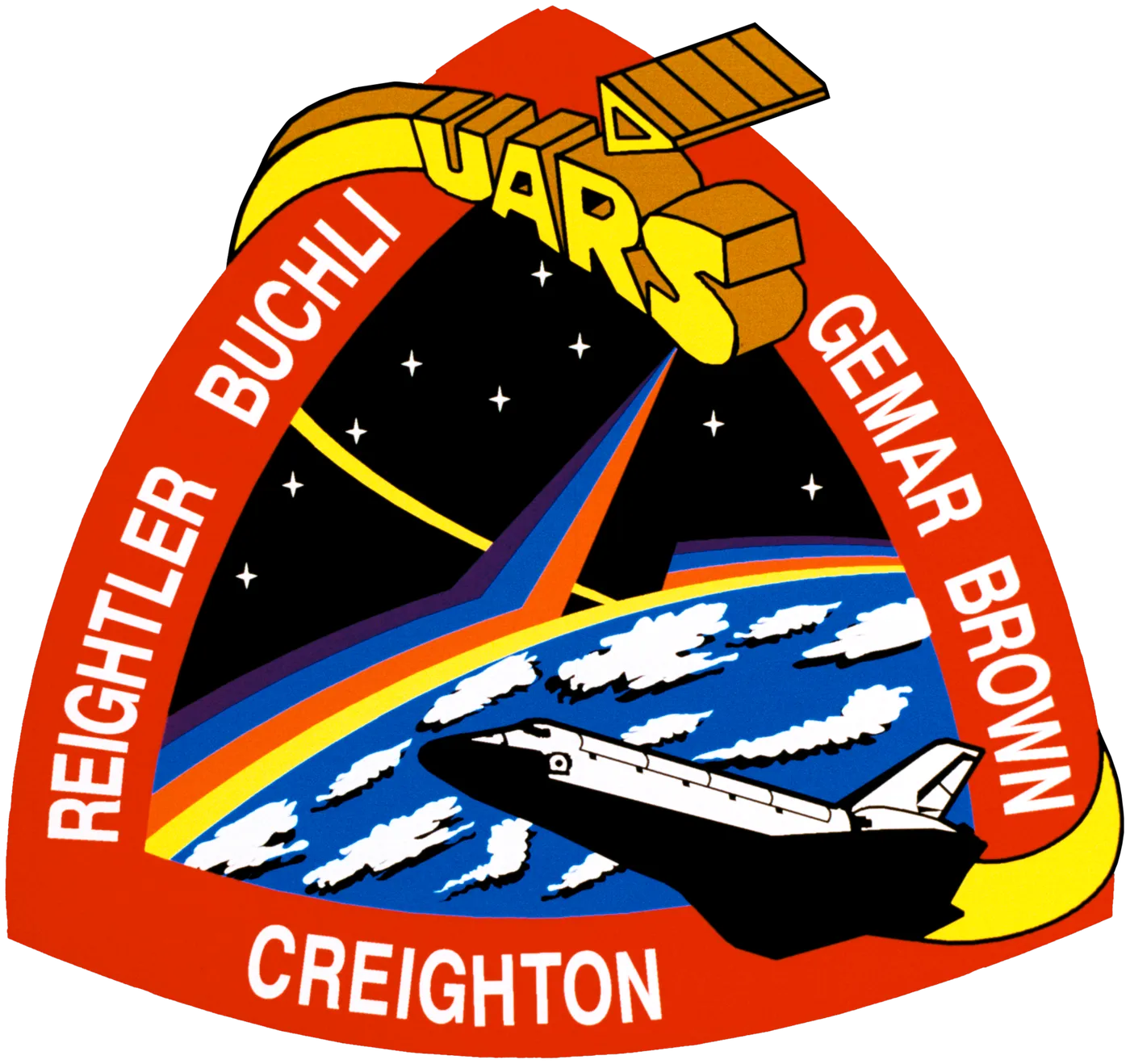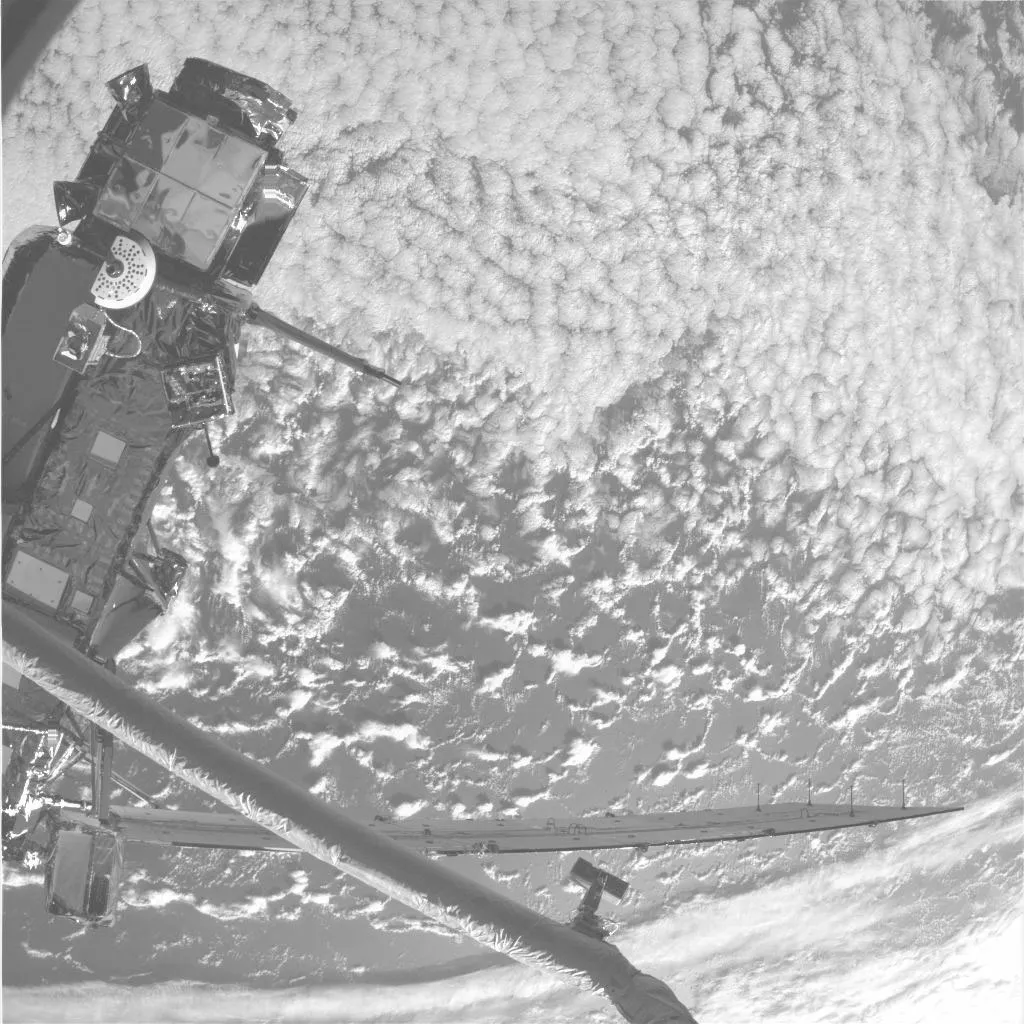
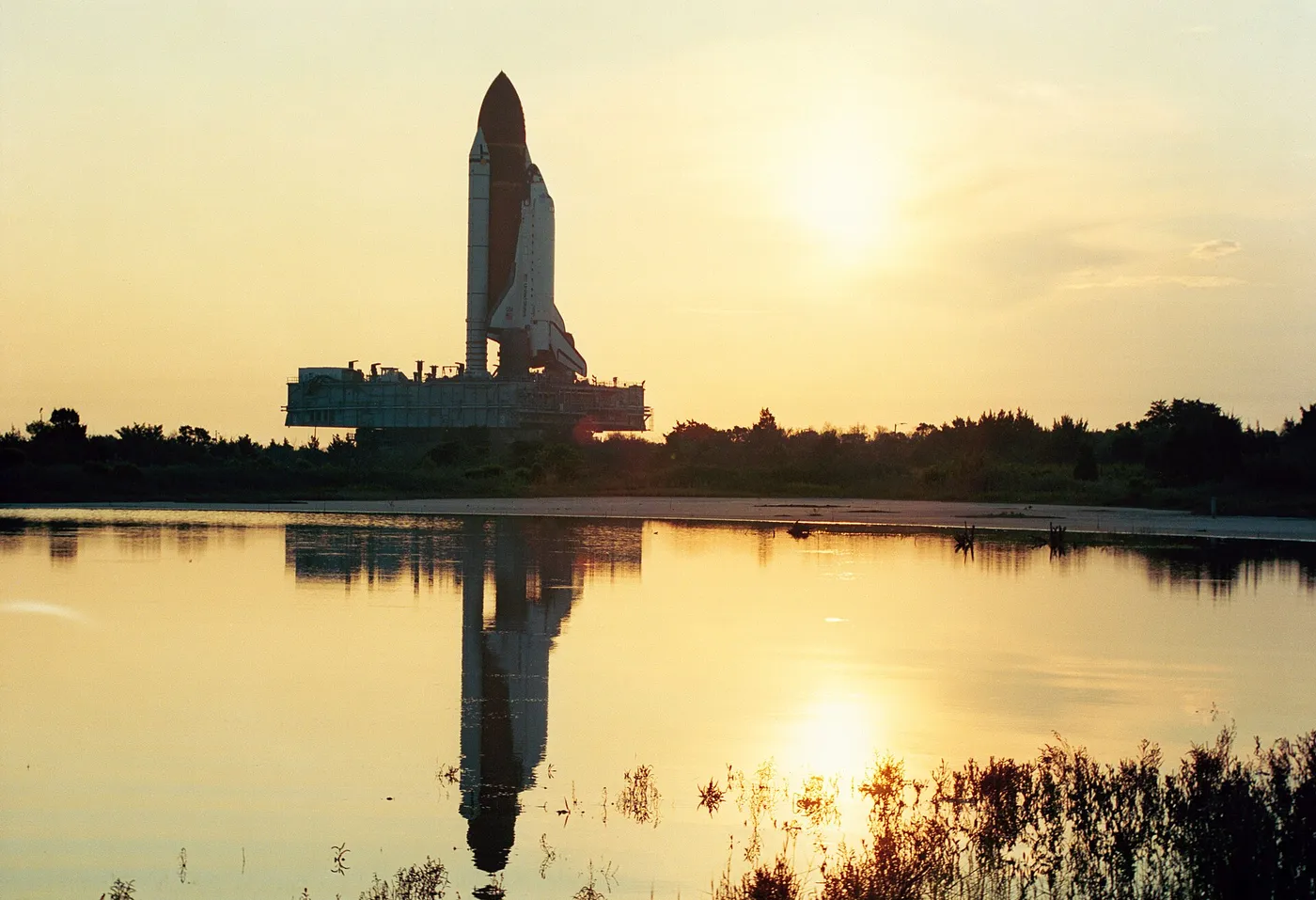
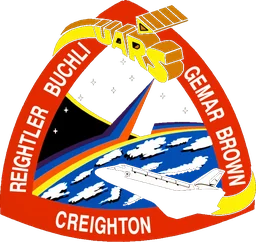
Discovery deployed the Upper Atmosphere Research Satellite in September 1991, a mission aimed squarely at understanding how human activity was changing the air high above the planet. The crew of five lifted the satellite out of the bay on the robotic arm and released it to begin years of measuring ozone, winds and the chemistry of the stratosphere.
The data mattered: this was the era when the ozone hole and the effects of pollutants were becoming urgent scientific and political questions, and UARS provided a sustained, global look at the delicate layer that shields life from ultraviolet radiation. The five-day flight was a clear example of the Shuttle's role in Earth science, launching an observatory to watch over the planet's own atmosphere.
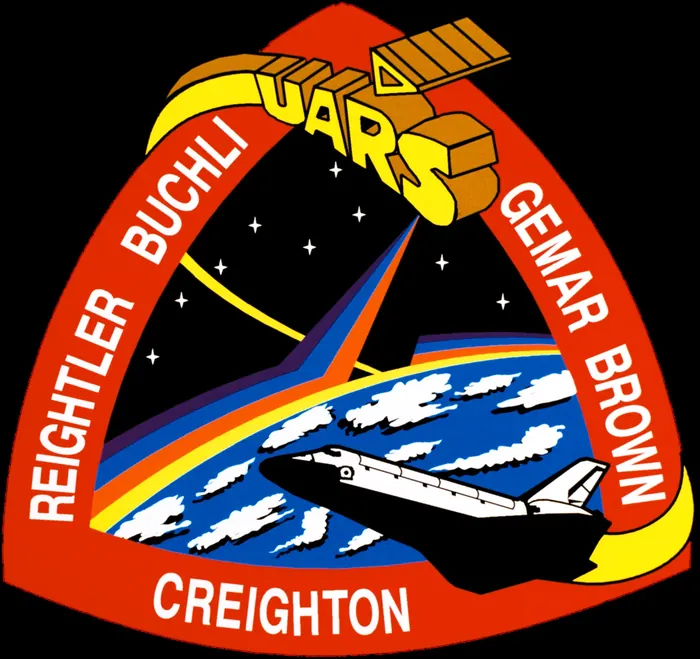
Discovery's September 1991 flight deployed the Upper Atmosphere Research Satellite, an instrument built to answer a question that had become politically urgent: what exactly was destroying the ozone layer, and how fast. UARS carried ten instruments to measure the chemistry, winds and energy inputs of the stratosphere simultaneously.
Its measurements mattered. By tracking chlorine compounds directly and watching them peak and decline over the following decade, the satellite provided some of the clearest evidence that the Montreal Protocol was working — that a global agreement to stop manufacturing a class of chemicals was measurably repairing the atmosphere. Few spacecraft can claim to have verified a treaty.
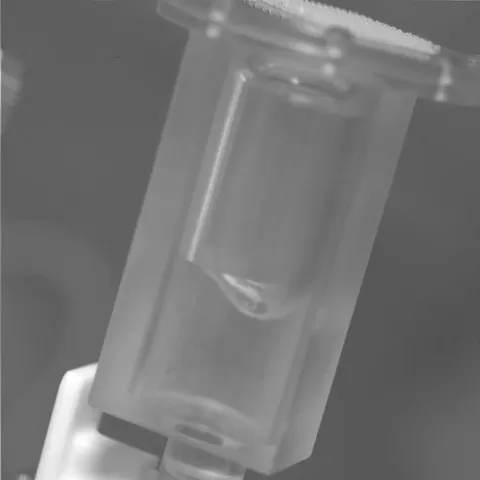
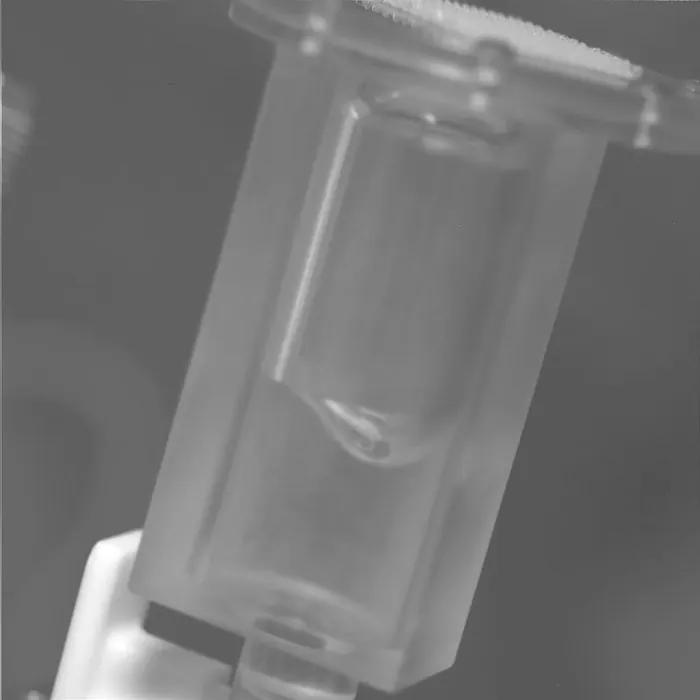
The mission also acquired an unlikely second life. Footage from a cabin camera showing ice particles drifting near the orbiter — and changing direction sharply when a thruster fired, as objects hit by a gas jet will — was seized upon as evidence of manoeuvring alien craft, and the STS-48 tape remains a fixture of UFO documentaries three decades later.