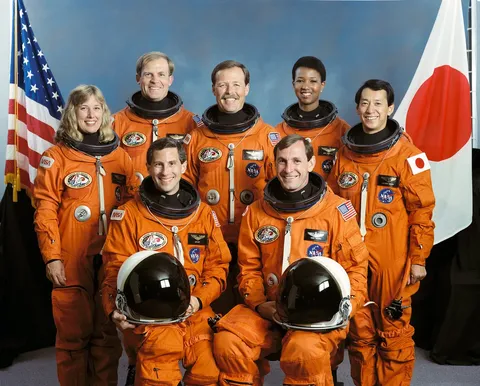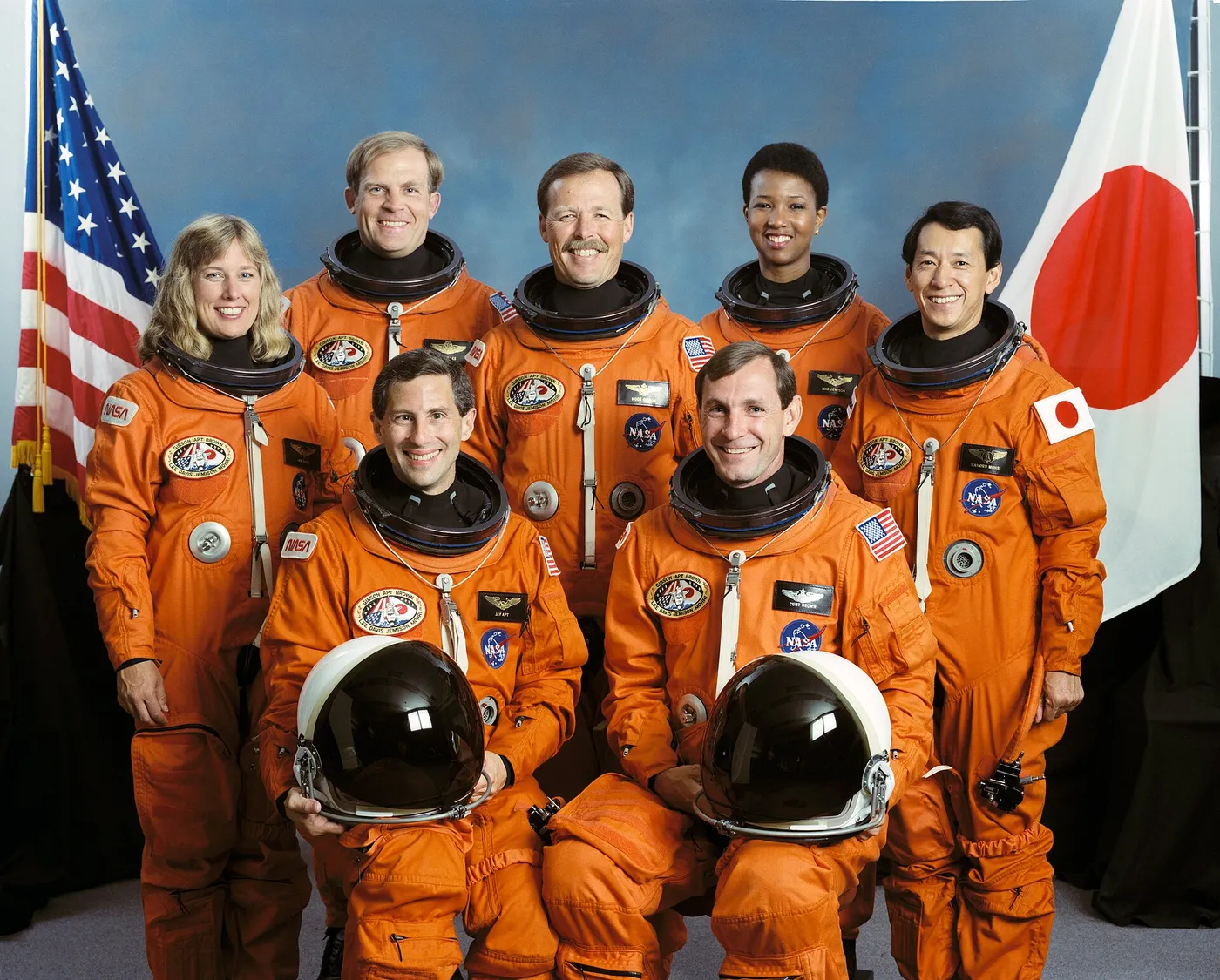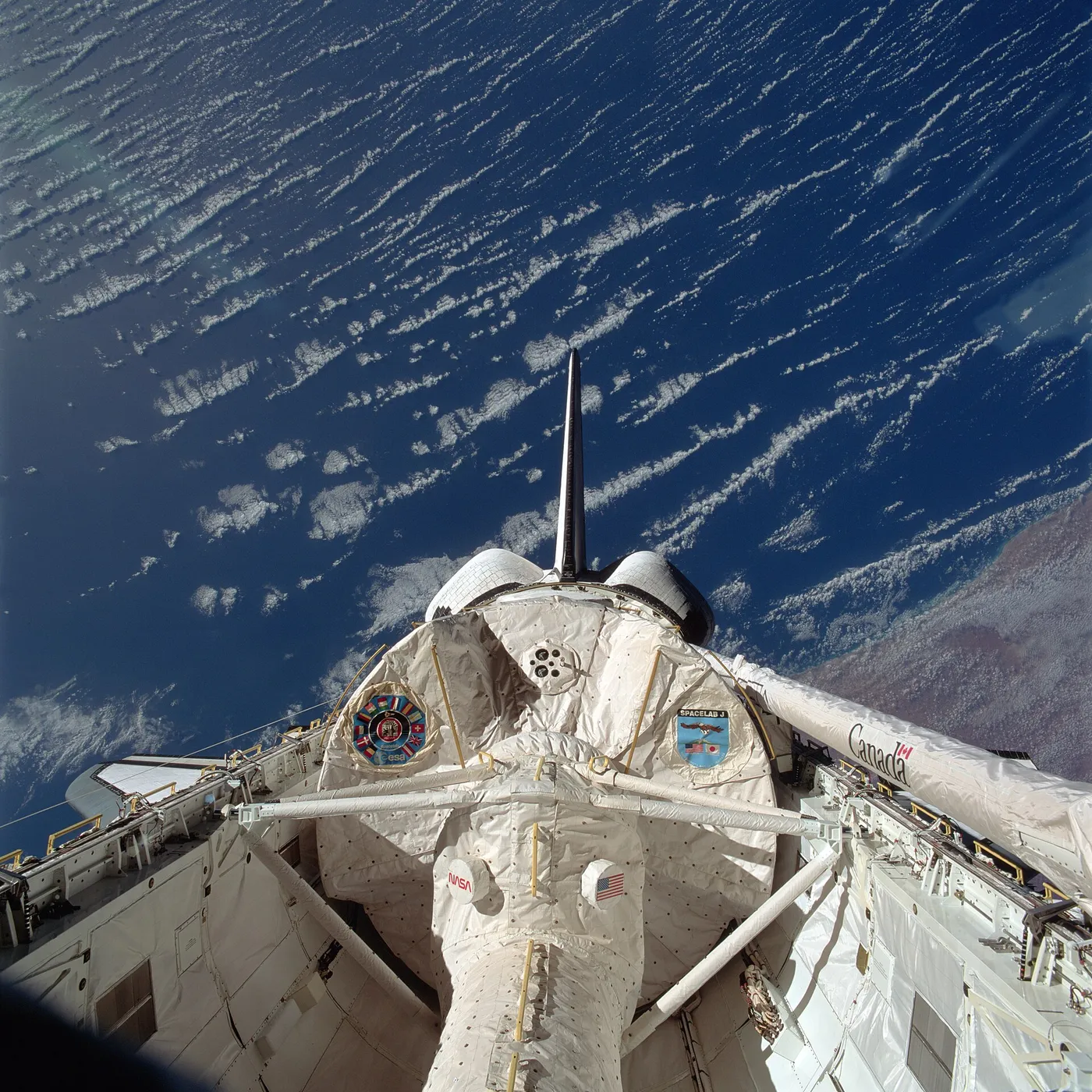
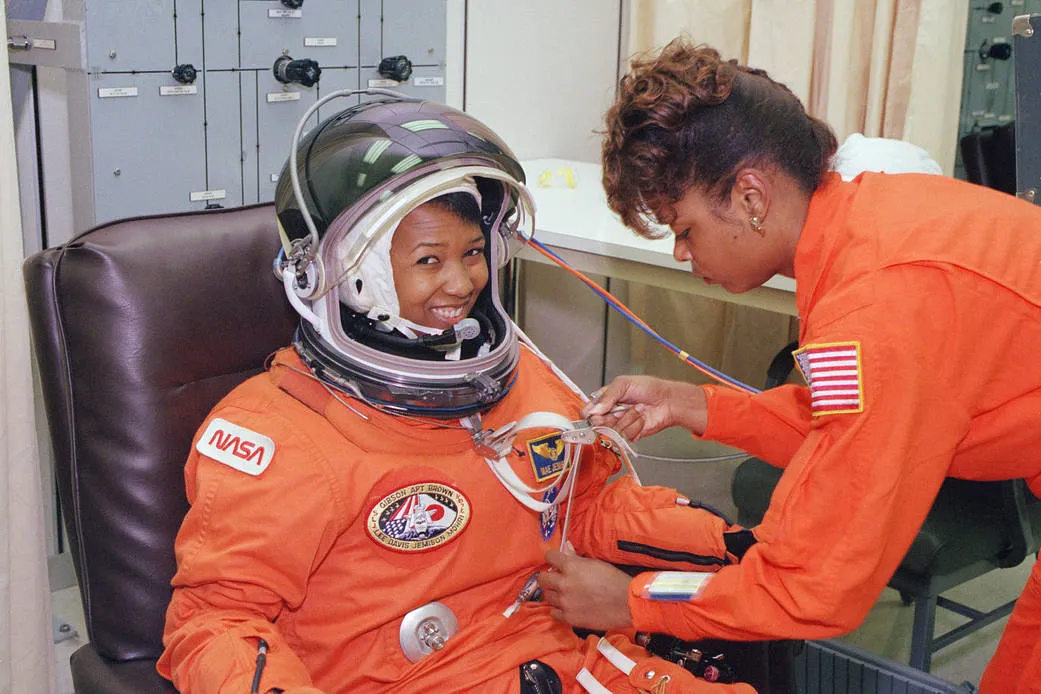

Endeavour flew the Japanese-sponsored Spacelab-J mission in September 1992, a flight rich in milestones. Mae Jemison became the first African American woman in space, Mamoru Mohri the first Japanese citizen to fly aboard the Shuttle, and Mark Lee and Jan Davis the first married couple to fly together — a pairing NASA had not anticipated when it assigned them.
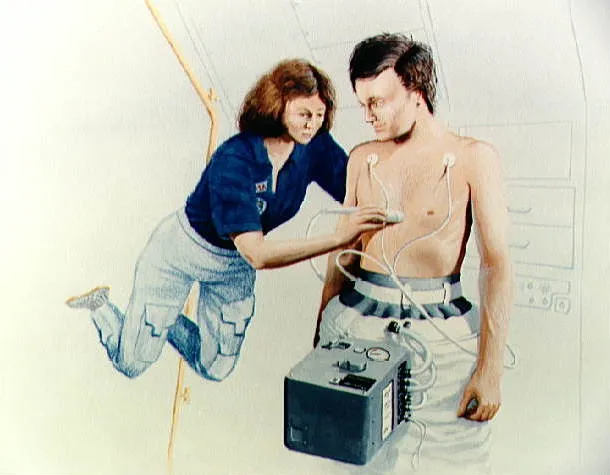
The crew of seven ran dozens of Japanese and American experiments in materials and life sciences, working in two shifts across a week in orbit. Beyond its research, the mission deepened the partnership between NASA and Japan's space agency that would later see Japan build a major laboratory for the International Space Station, making Spacelab-J a rehearsal for a lasting collaboration.

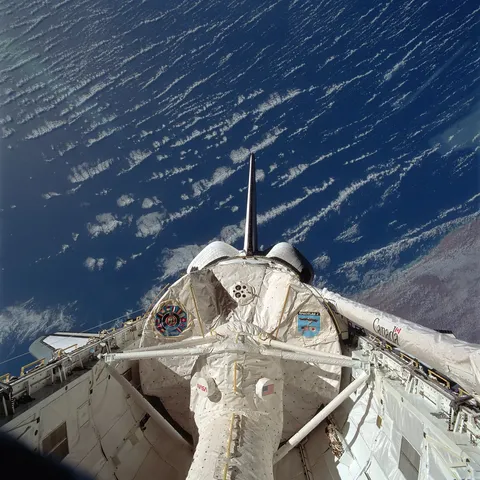
Spacelab-J was Japan's mission, bought and largely designed in Japan, and it carried the first Japanese astronaut to fly aboard a Shuttle — Mamoru Mohri, a materials scientist, working through 43 experiments in his own country's laboratory module.
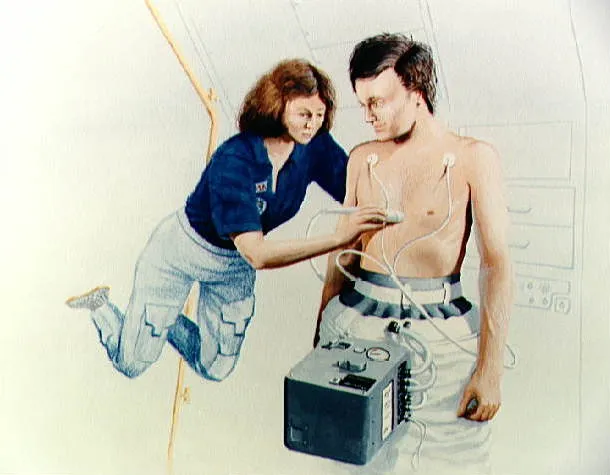
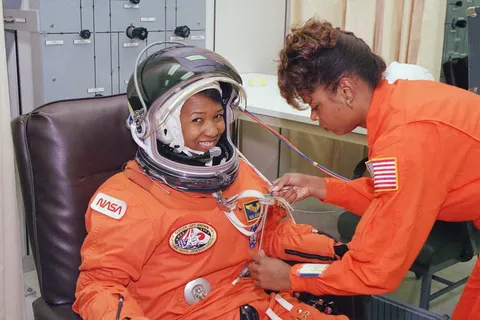
It also carried Mae Jemison, the first African-American woman in space. A physician and engineer who had served in the Peace Corps in West Africa, she had grown up watching Star Trek and drawing a straight line from Lieutenant Uhura to her own ambitions; she began each work shift aboard by announcing that hailing frequencies were open, and a year later appeared as a guest actor on the series that had shaped her. She spent the flight on bone-cell and frog-egg research.
The third distinction was accidental. Mark Lee and Jan Davis had married quietly during training, and by the time NASA found out it was too late and too disruptive to replace either of them — making them the only married couple ever to fly together. The agency changed its policy immediately afterwards to prevent a repeat, on the reasoning that no commander should have to weigh a rescue decision involving two people married to each other.