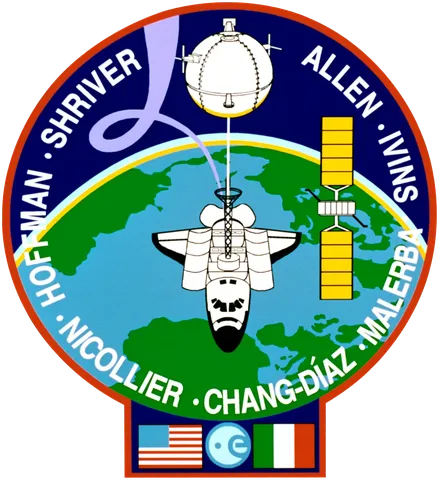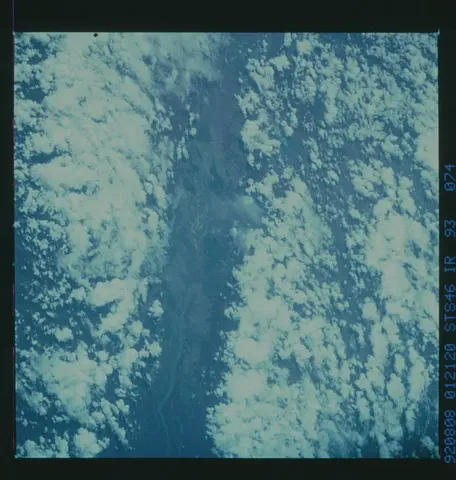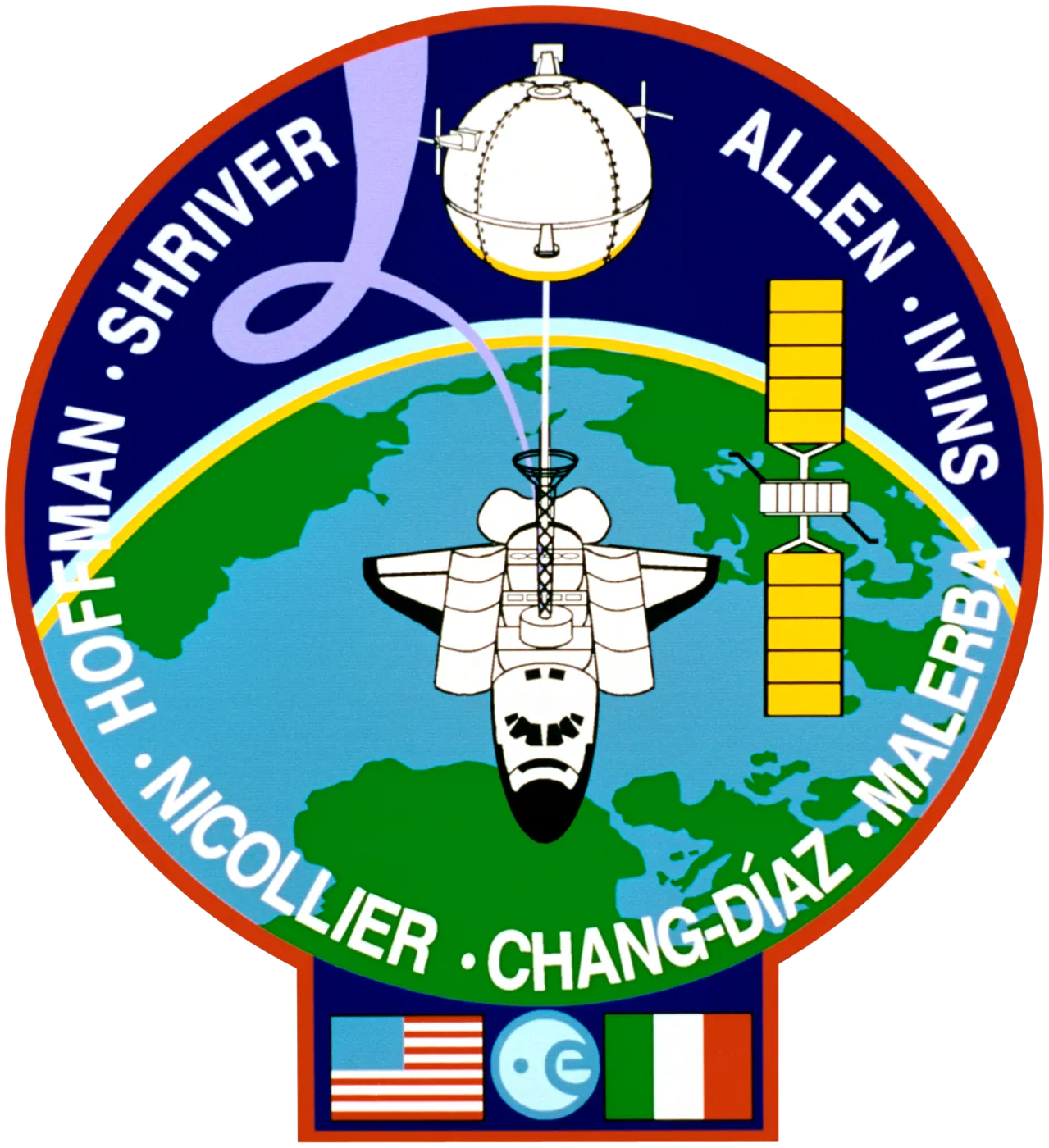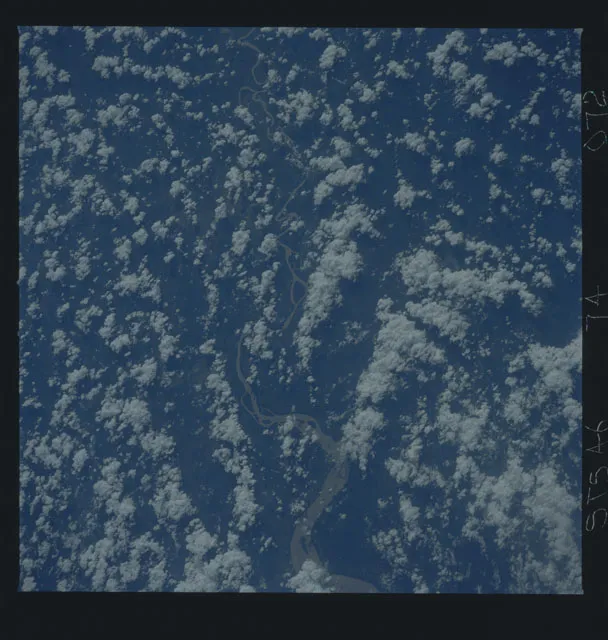
Atlantis flew an ambitious dual-science mission in July 1992, carrying a European free-flying platform and a bold experiment to fly a satellite on the end of a tether. The crew of seven, which included Franco Malerba, the first Italian in space, first deployed the EURECA platform to begin months of solo research.
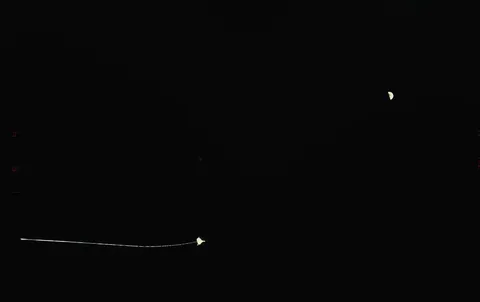
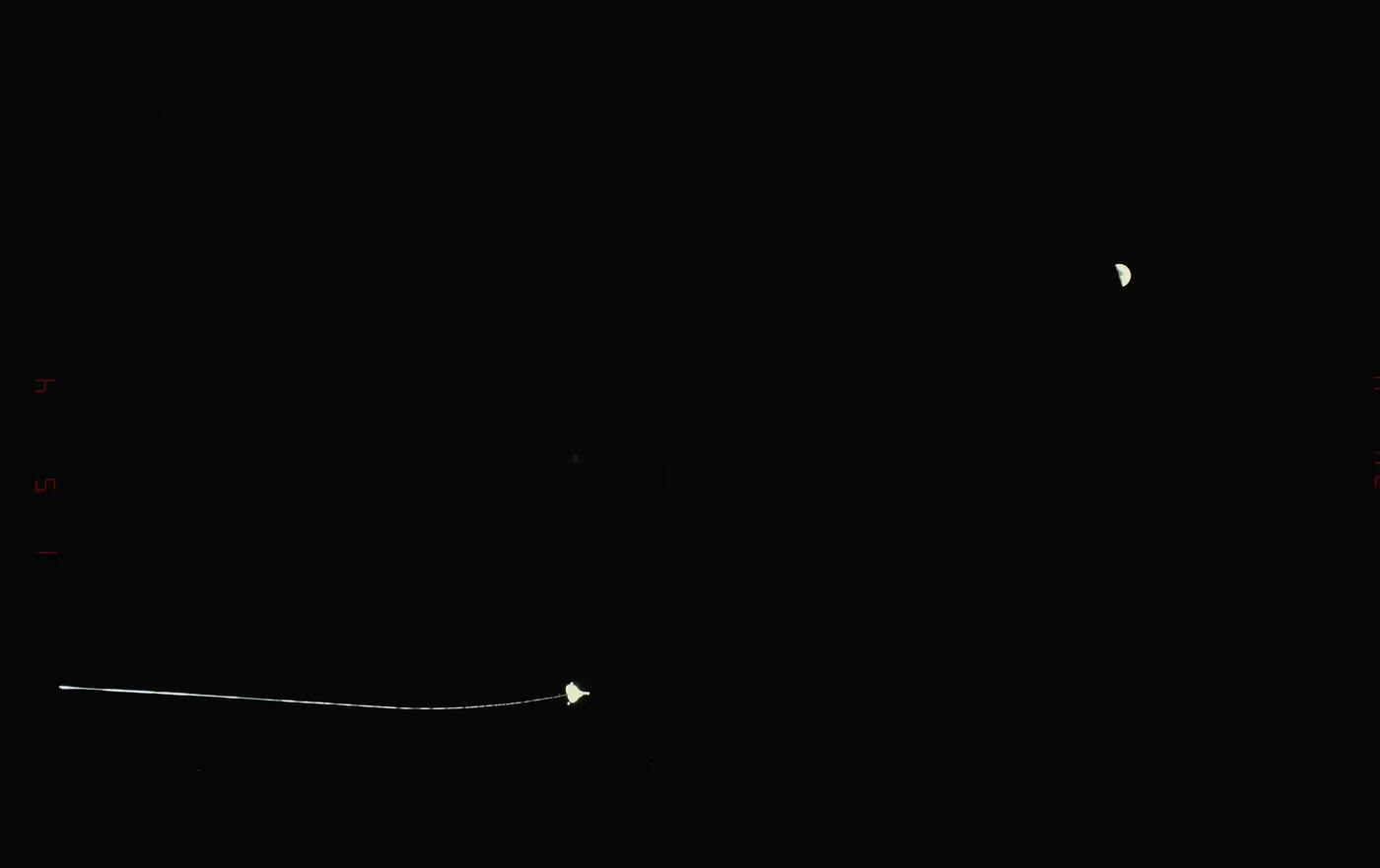
Then came the tethered satellite, meant to reel out on a twenty-kilometre line to study the electricity a conductor generates sweeping through Earth's magnetic field. The cable jammed after unspooling only a few hundred metres, cutting the experiment short — a frustrating result that the crew and engineers would return to try again on a later flight. Even so, the mission advanced two very different ideas about how to do science beyond the orbiter itself.
Atlantis flew two European payloads in the summer of 1992, and one of them jammed in a way that took four years to fix. The Tethered Satellite System was to reel an Italian-built sphere out on a twenty-kilometre conducting cable to generate electricity from the Earth's magnetic field; it stopped after 256 metres, snagged by a bolt that protruded a few millimetres too far into the reel mechanism.
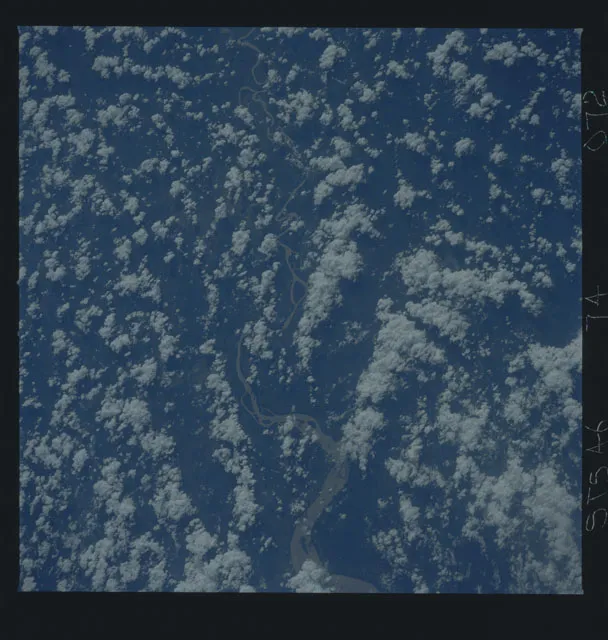
The crew tried repeatedly over several days to coax it further, retracting and redeploying, before giving up and winching it back in. A single misplaced fastener had defeated an experiment a decade in preparation — the sort of banal, infuriating failure that engineers recognise and press releases never capture. The reflight in 1996 got to 19.7 kilometres before the tether burned through.
The mission's other payload went far better. EURECA, a free-flying European science platform, was released to operate on its own for nearly a year before a later crew retrieved it. Aboard were Franco Malerba, the first Italian in space, and the Swiss astronaut Claude Nicollier, and the flight stands as an early demonstration of the Shuttle as Europe's ride to orbit.