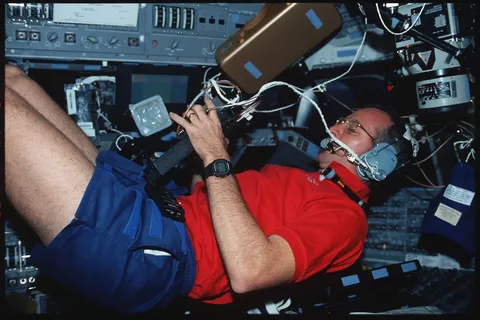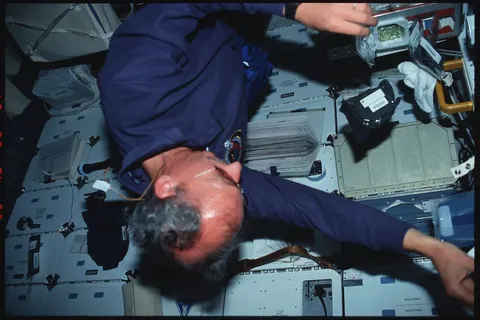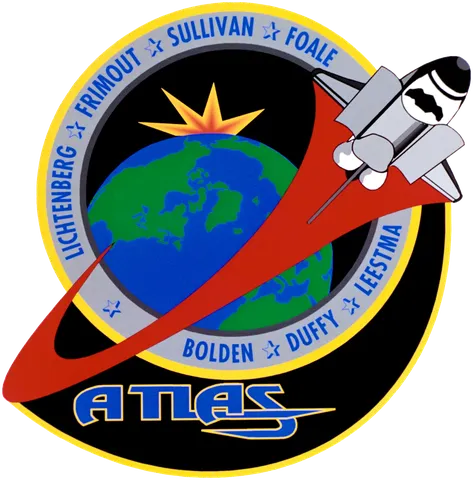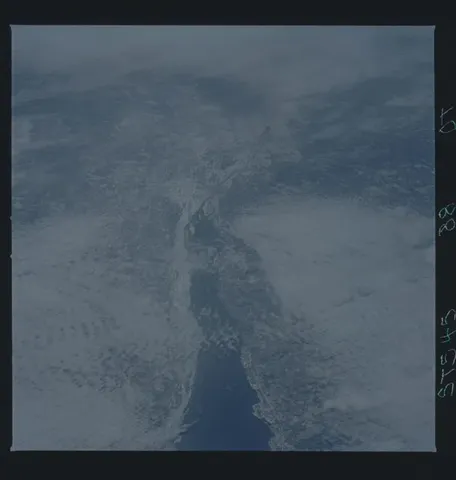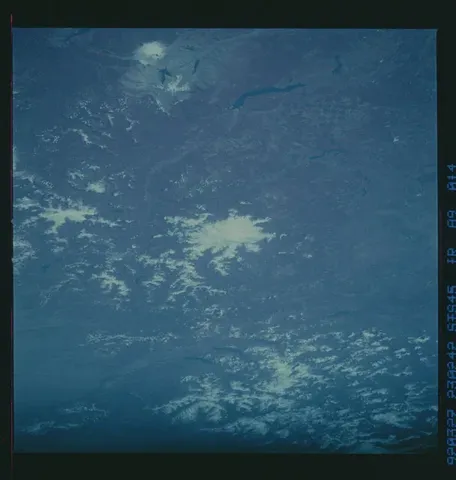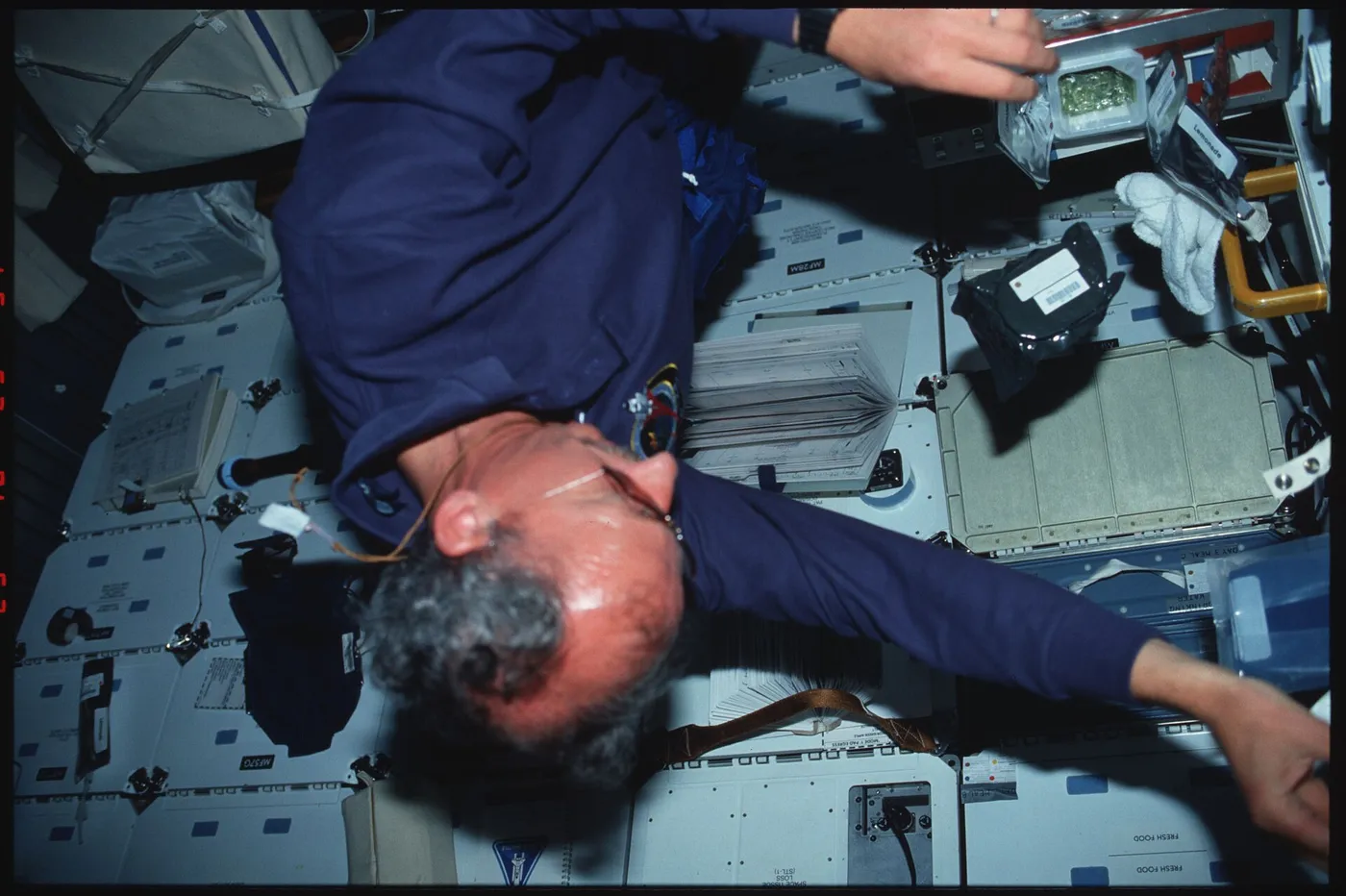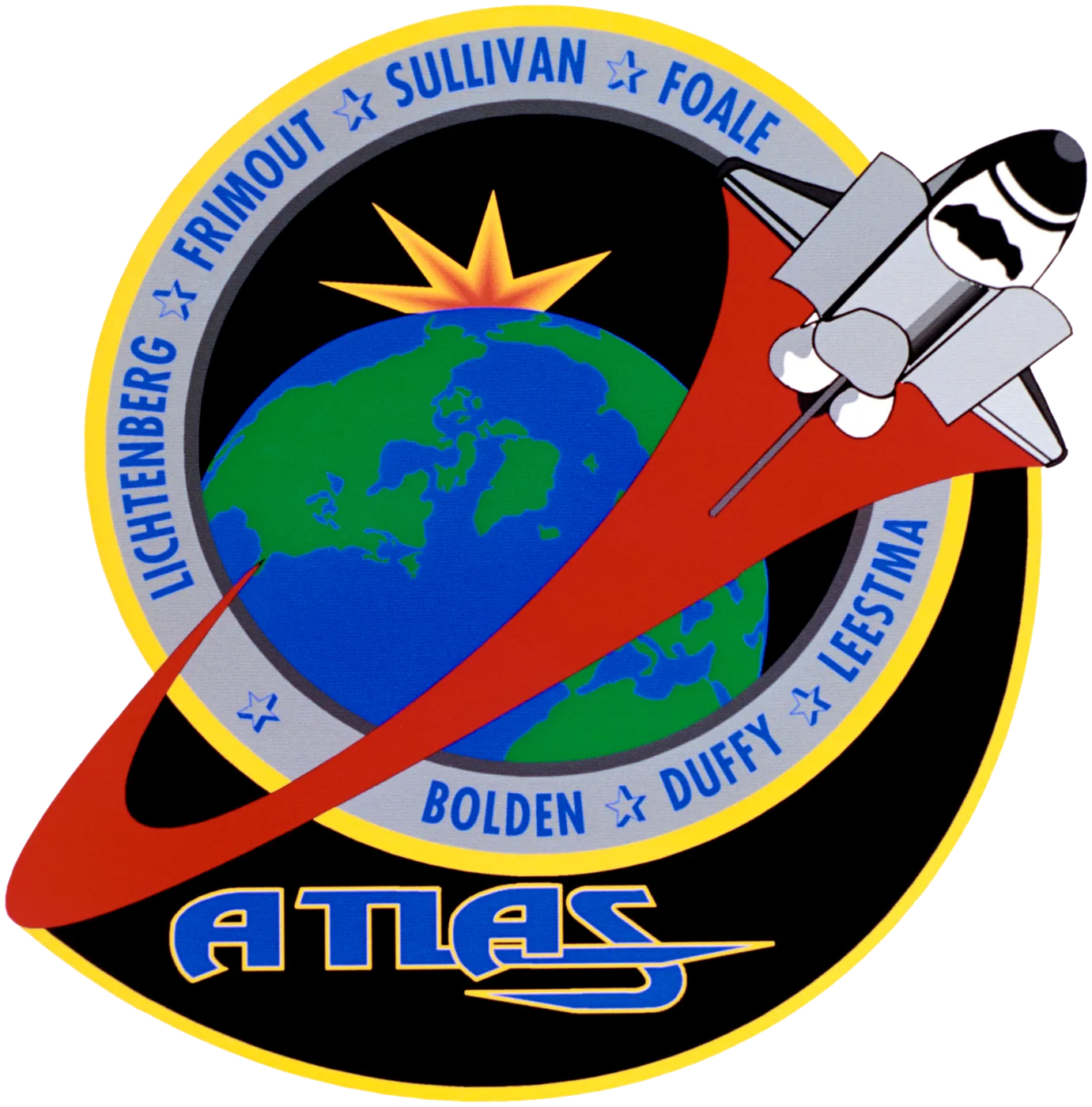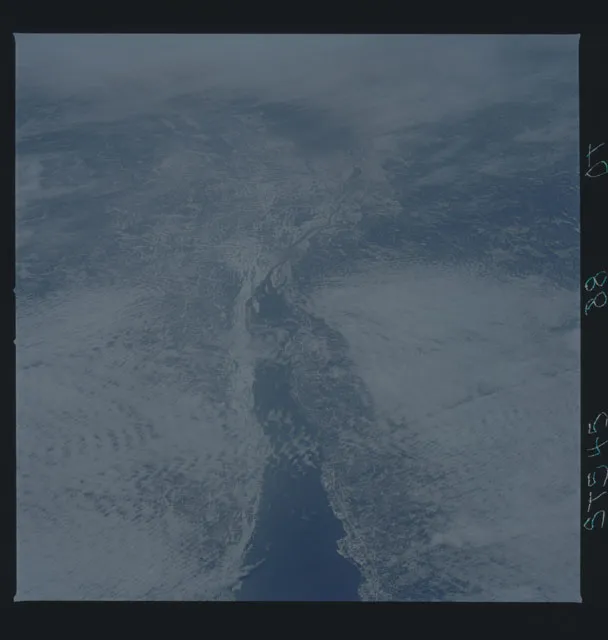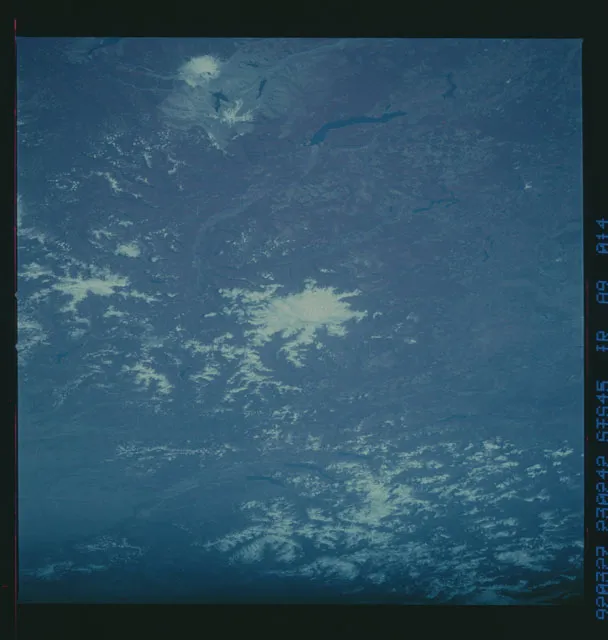
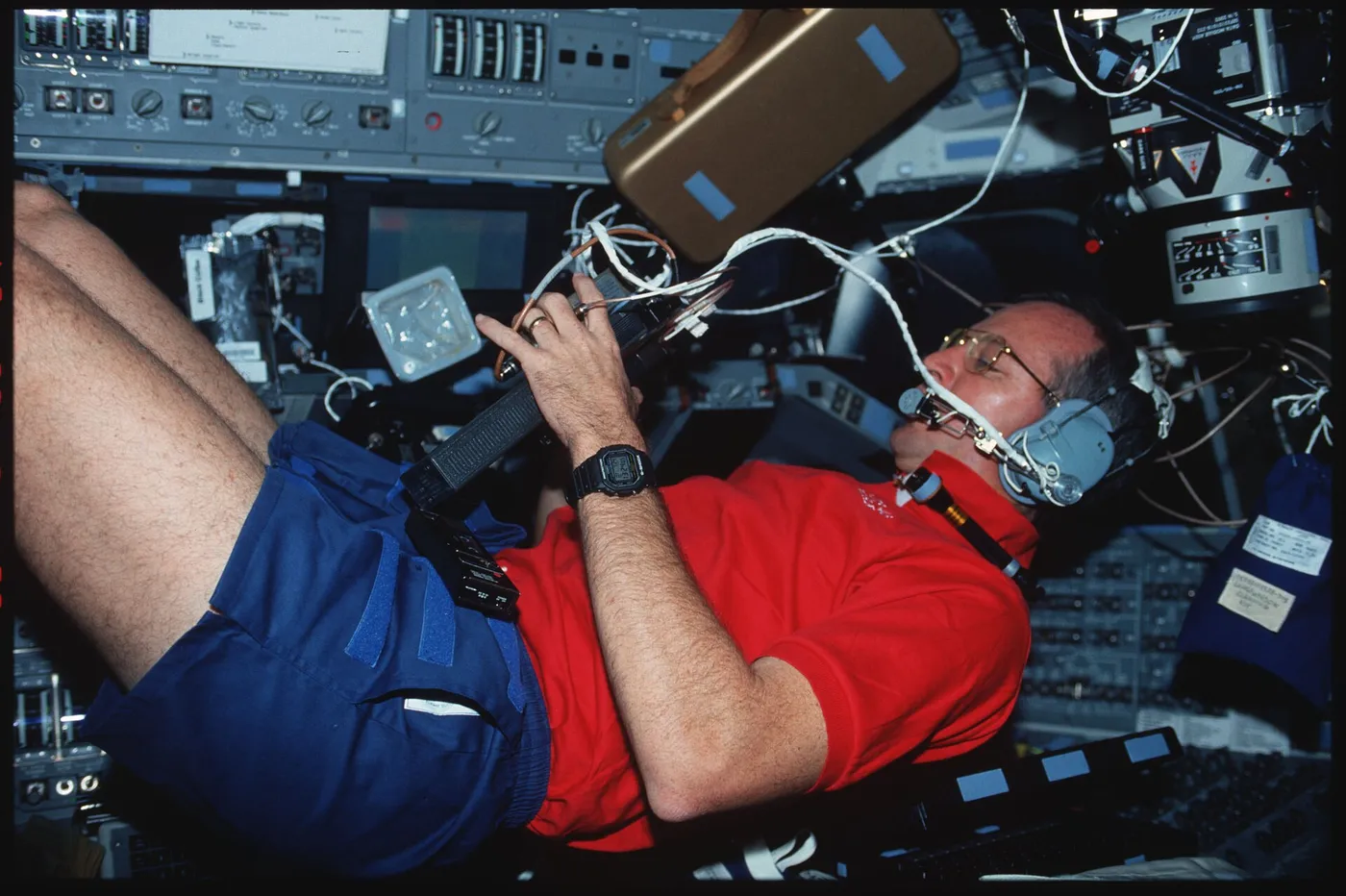
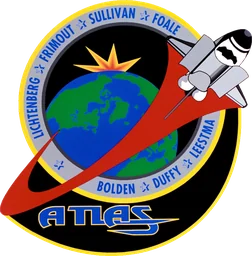
Atlantis carried the first ATLAS mission in March 1992, a Spacelab pallet of instruments aimed at studying the Sun and its influence on Earth's atmosphere. The crew of seven pointed the sensors from the open bay to measure the Sun's output and to probe the middle atmosphere, contributing to the era's intense scientific focus on ozone and climate.
The flight carried Dirk Frimout, the first Belgian in space, among an international science crew. Over its nine days the mission built a detailed picture of the energy arriving from the Sun and how the atmosphere processes it — baseline data for understanding natural variability against the backdrop of human-driven change. It was the opening flight of a planned series to monitor the Sun-Earth relationship across a solar cycle.
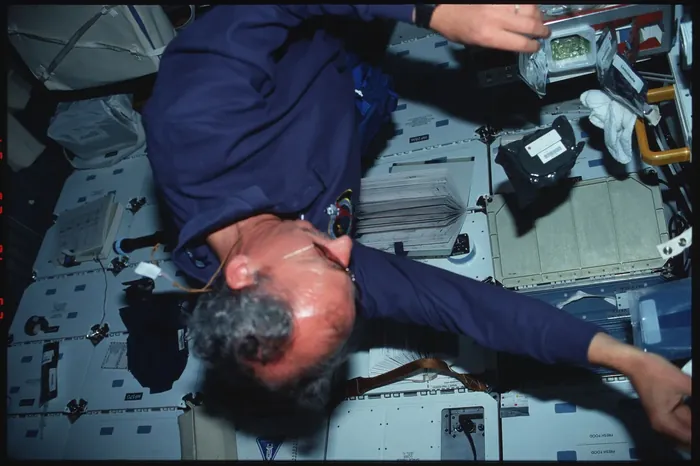
ATLAS-1 pointed twelve instruments back at the Earth and the Sun simultaneously, measuring the atmosphere's chemistry from above while recording precisely how much energy the Sun was delivering to it. Separating human effects on the atmosphere from natural solar variation requires exactly this kind of paired measurement, and the mission was the first of a series flown across a solar cycle.
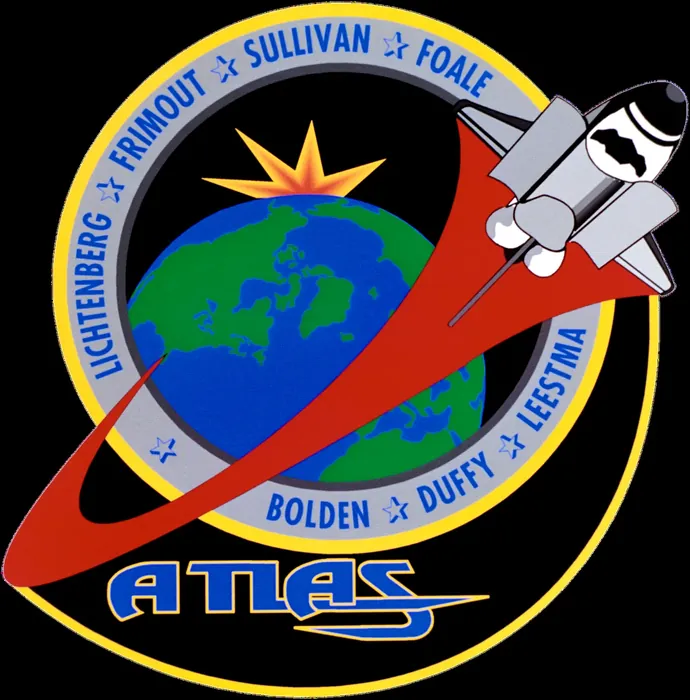
The crew included Dirk Frimout, an atmospheric physicist who became the first Belgian in space, flying in place of a colleague and having trained as a backup — a reminder that payload specialists were often the people who had built the instruments rather than career astronauts. Michael Foale, later of Mir and the ISS, was making his first flight.
The mission ran continuous shifts for nine days and produced a data set that is still cited in the ozone literature. It also demonstrated something the Shuttle was quietly good at: flying a large, complex, power-hungry instrument suite that needed people to operate it, returning it to the ground, recalibrating it, and flying it again — a capability that free-flying satellites simply did not have.