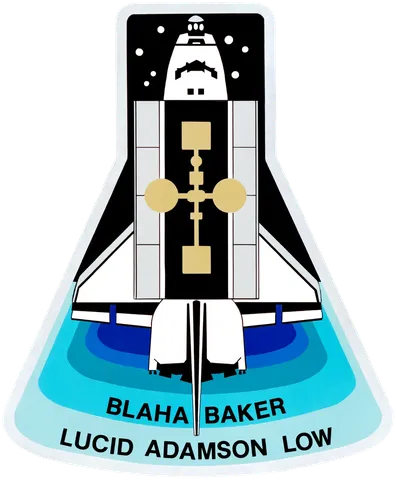
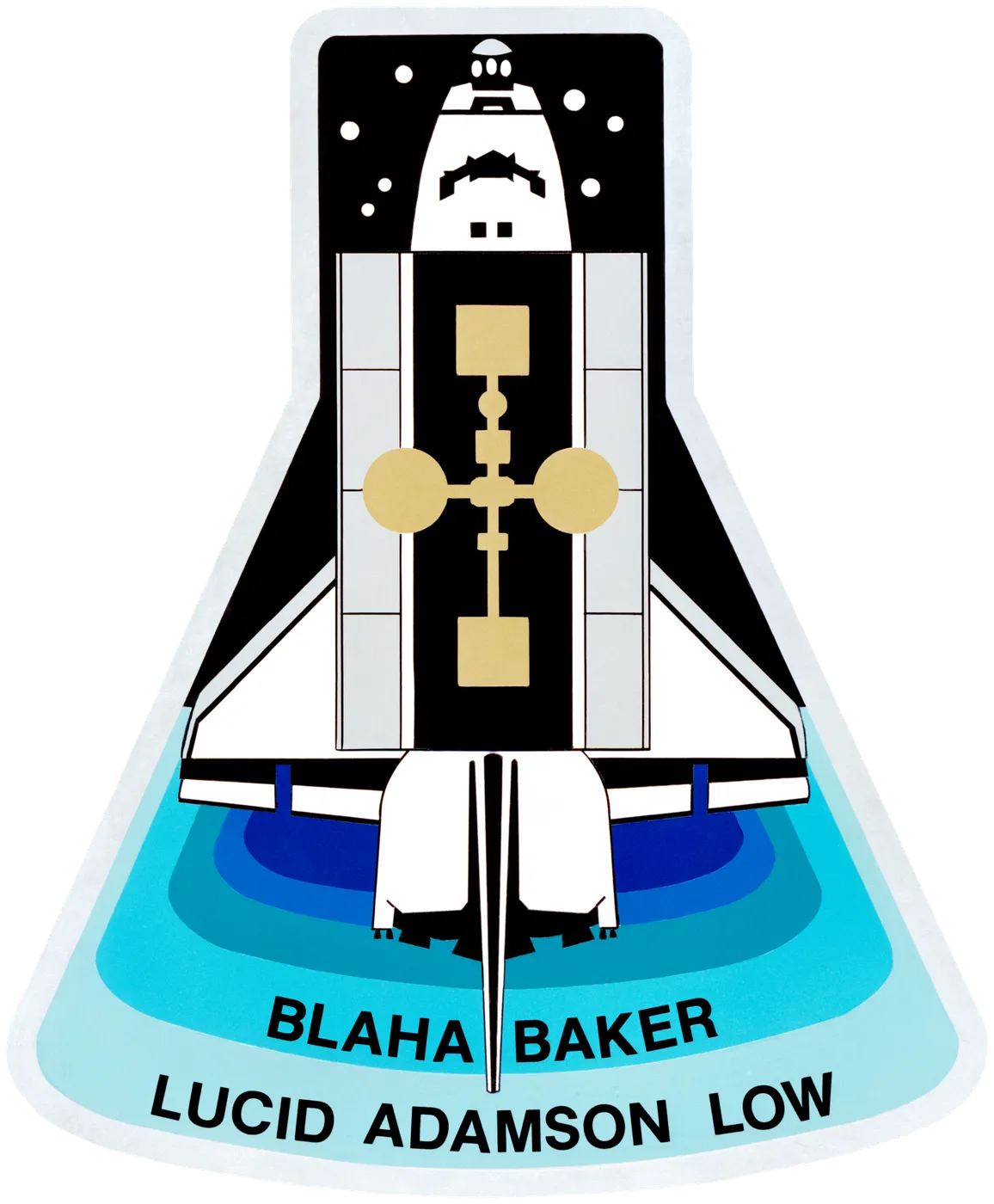
Atlantis returned to routine service in August 1991 with a deployment mission that continued expanding the fleet's communications lifeline. The crew of five released another Tracking and Data Relay Satellite to a high orbit, adding to the network that let controllers stay in near-continuous contact with orbiting spacecraft.
Beyond the primary deployment, the astronauts ran experiments spanning materials processing, medicine and the study of how energetic particles behave in orbit, and they tested hardware intended for the coming space station. The nearly nine-day flight ended with a landing at the Kennedy launch site, part of NASA's push to make Florida returns routine, and rounded out another dependable entry in the post-Challenger record.
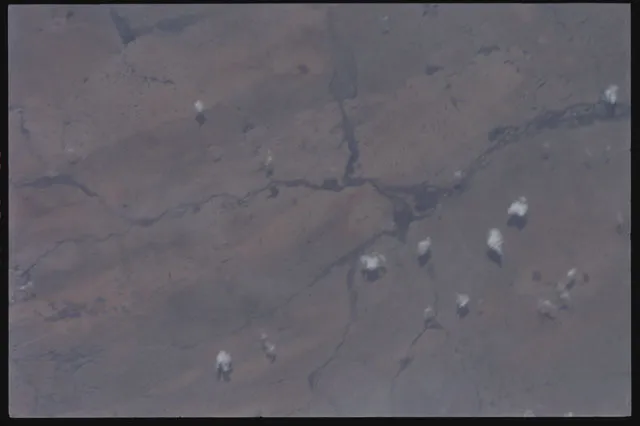
Atlantis deployed the fifth Tracking and Data Relay Satellite in August 1991, another link in the constellation that by then handled almost all communications with spacecraft in low orbit. Each of these launches cost a Shuttle flight, and the network they built is the reason later missions could talk to the ground continuously rather than in ten-minute snatches.

The flight also carried a substantial secondary science load, including experiments in protein crystal growth, the behaviour of fluids and the chemistry of the space environment, and a test of a laser communications link intended for future high-data-rate systems.
It ran for nine days, at the time among the longer Shuttle missions, and was one of the flights that demonstrated the Extended Duration Orbiter modifications working in practice. The crew included John Blaha, who would later spend four months aboard Mir, and Shannon Lucid on her third flight — five years before her own long stay on the Russian station.