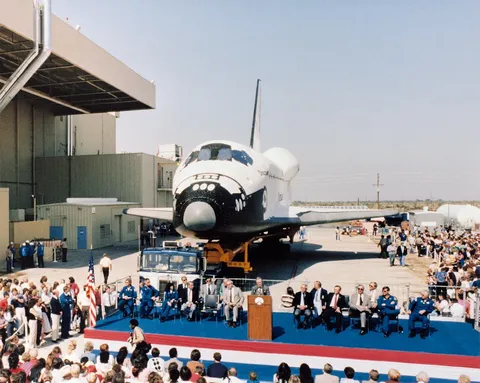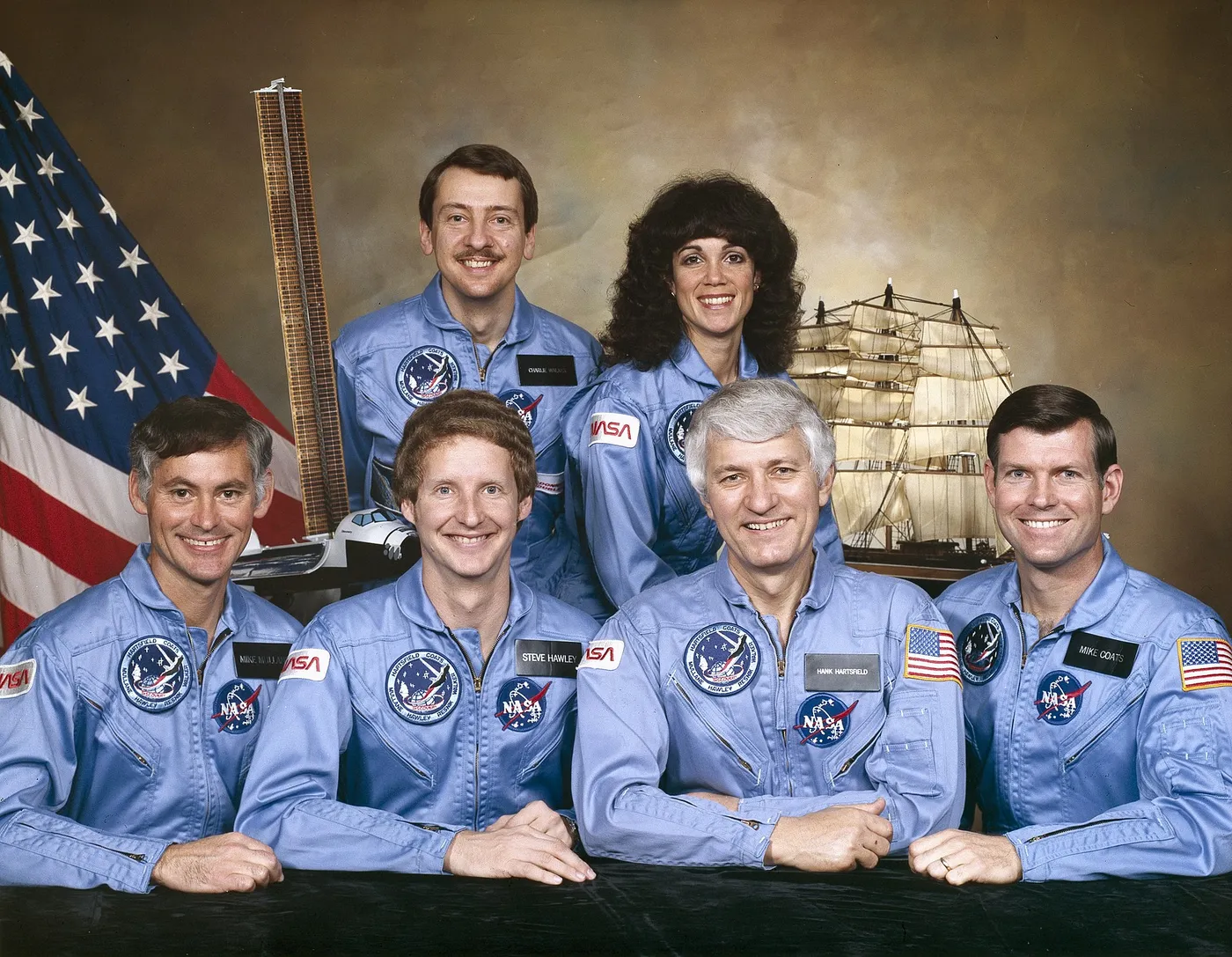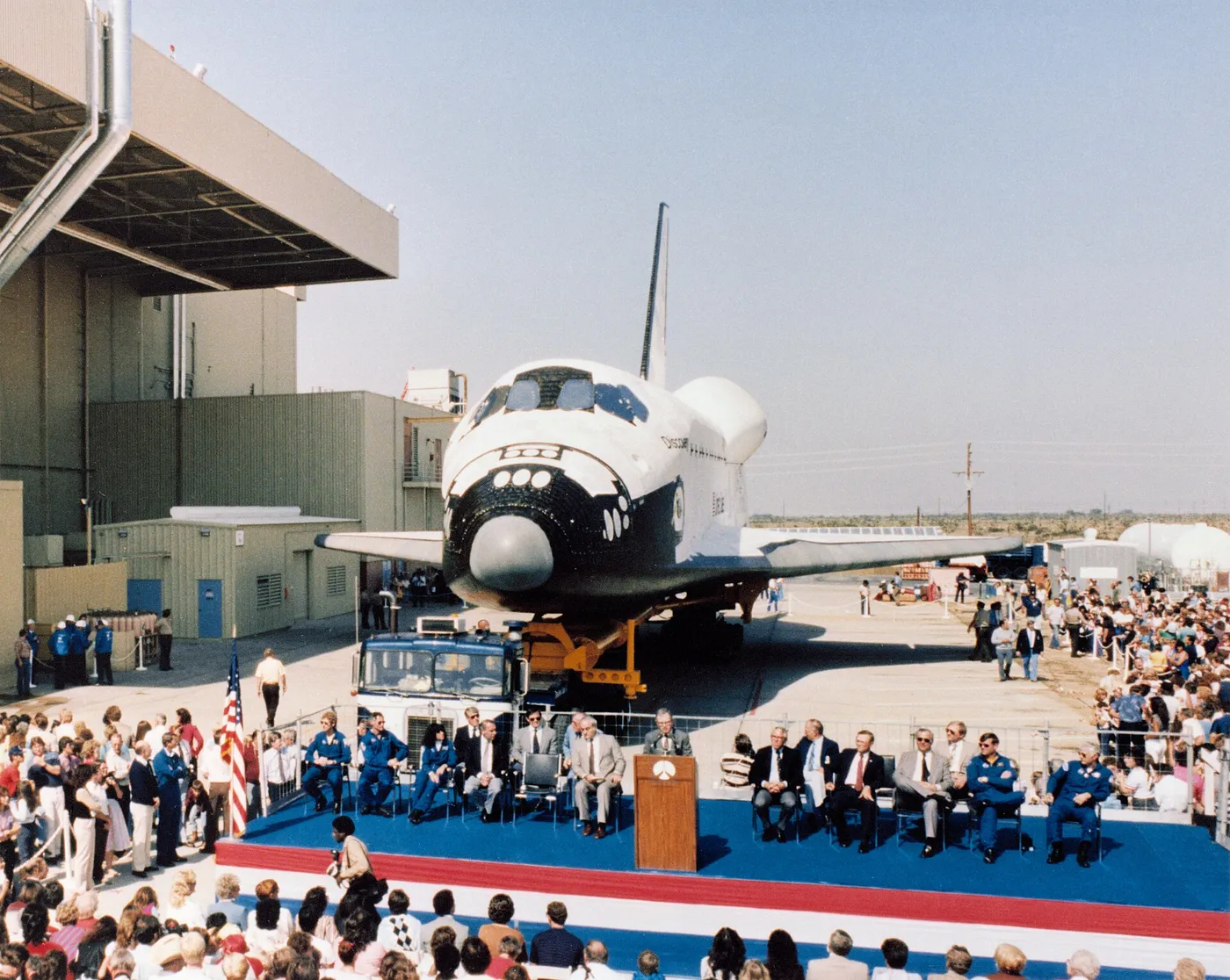
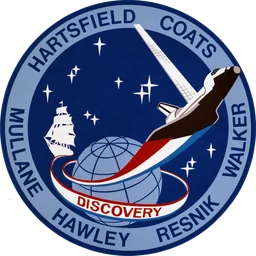
Discovery, the third orbiter, reached the pad in the summer of 1984, but its first launch attempt ended in a heart-stopping abort: the main engines roared to life and then shut down on the pad as a fire flickered at their bases, leaving the crew to be evacuated. Fixed and refuelled, Discovery finally flew that August with a crew of six.
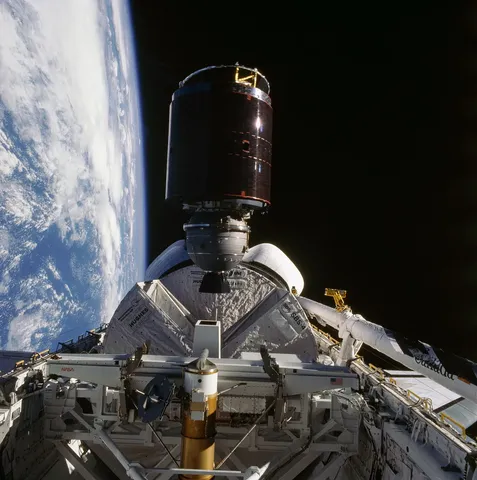
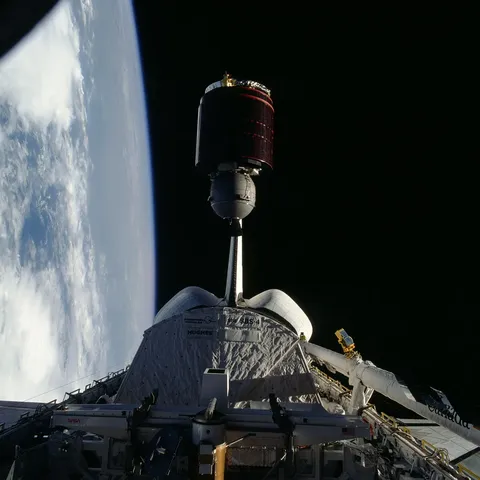
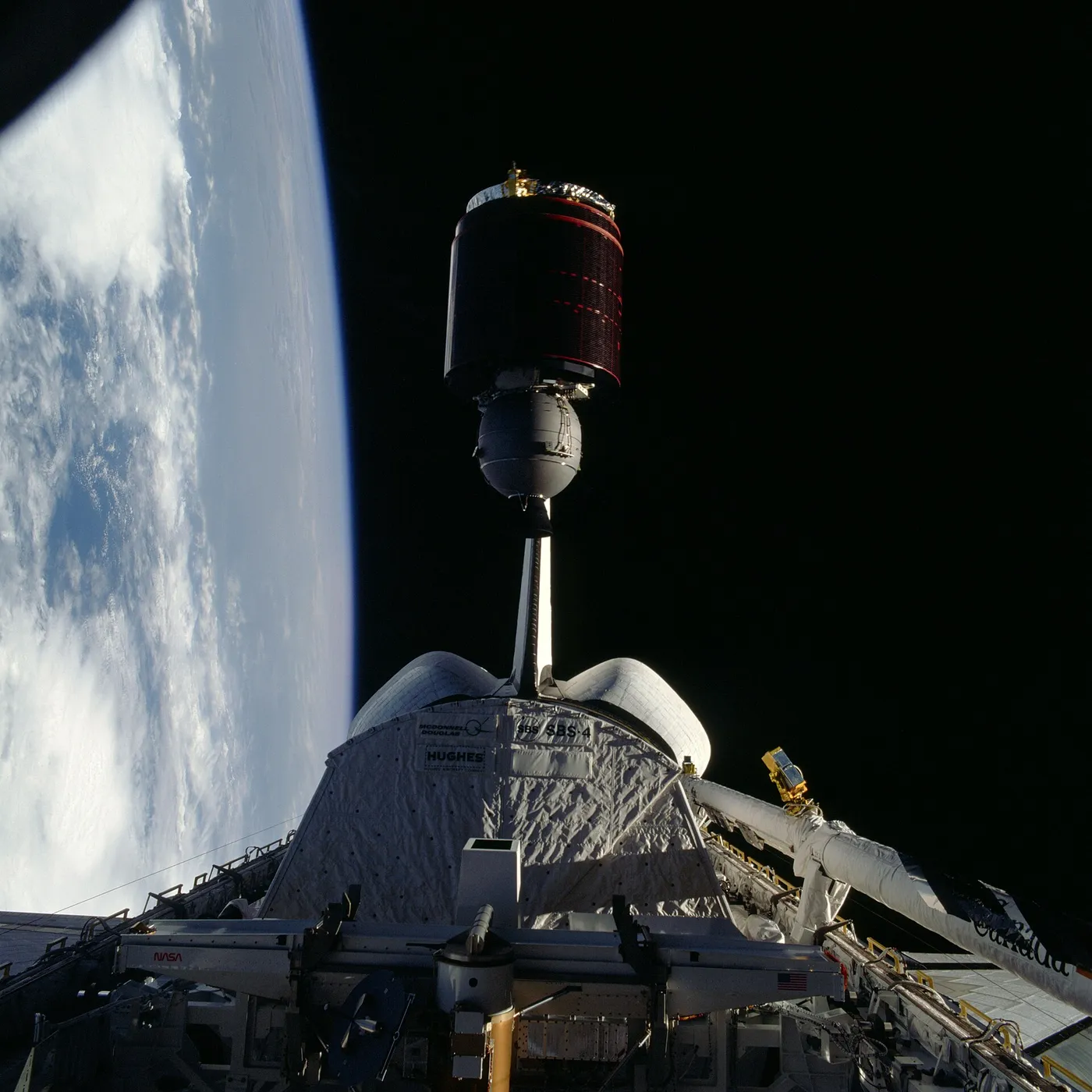
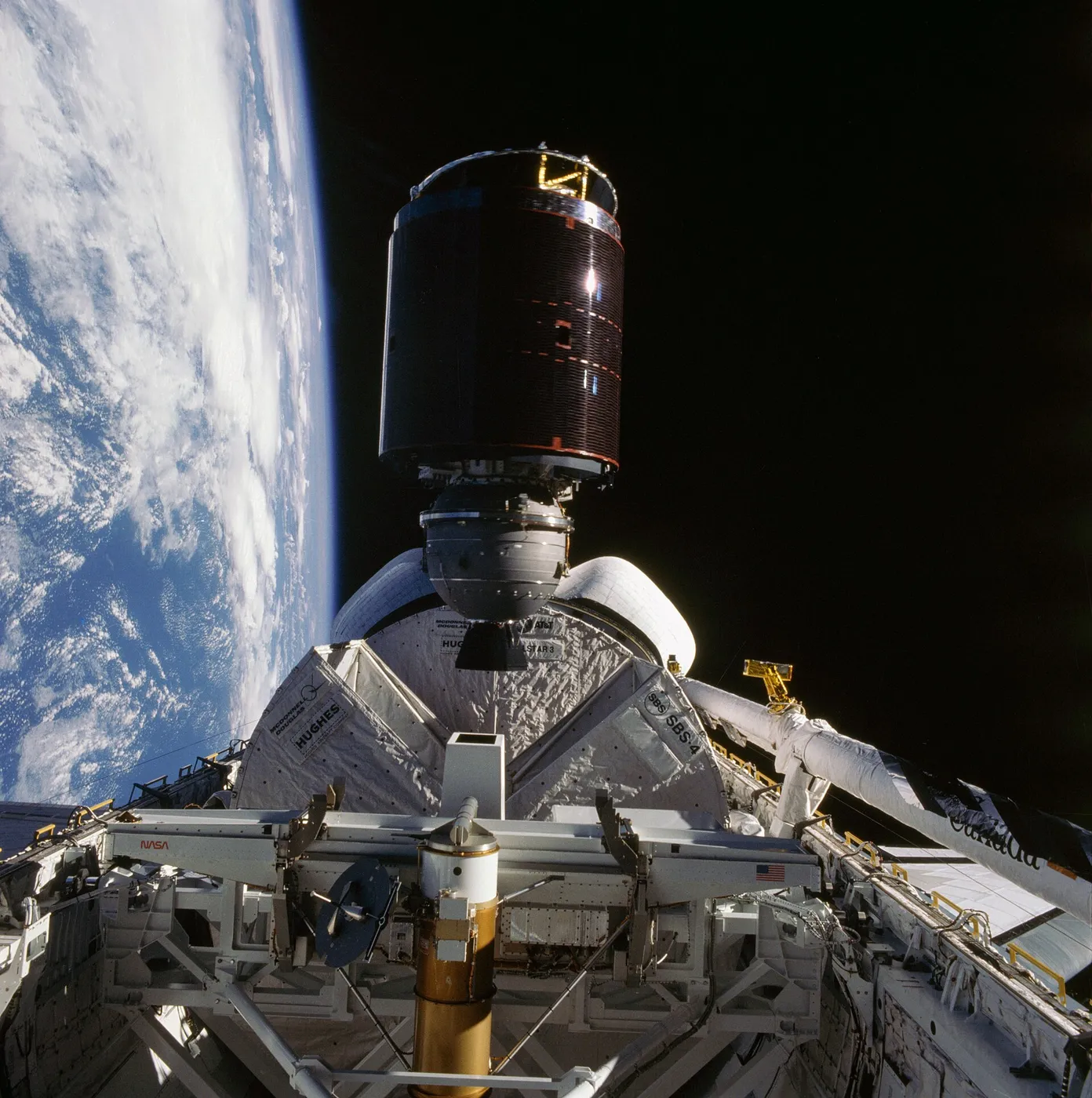
The mission was a satellite marathon, deploying three communications spacecraft in a single flight — a record — and unfurling a tall, delicate experimental solar wing to test lightweight power arrays for future stations. Ice building up on the orbiter's exterior gave the crew an unplanned chore, knocked loose with the robotic arm, before Discovery closed out a strong debut.
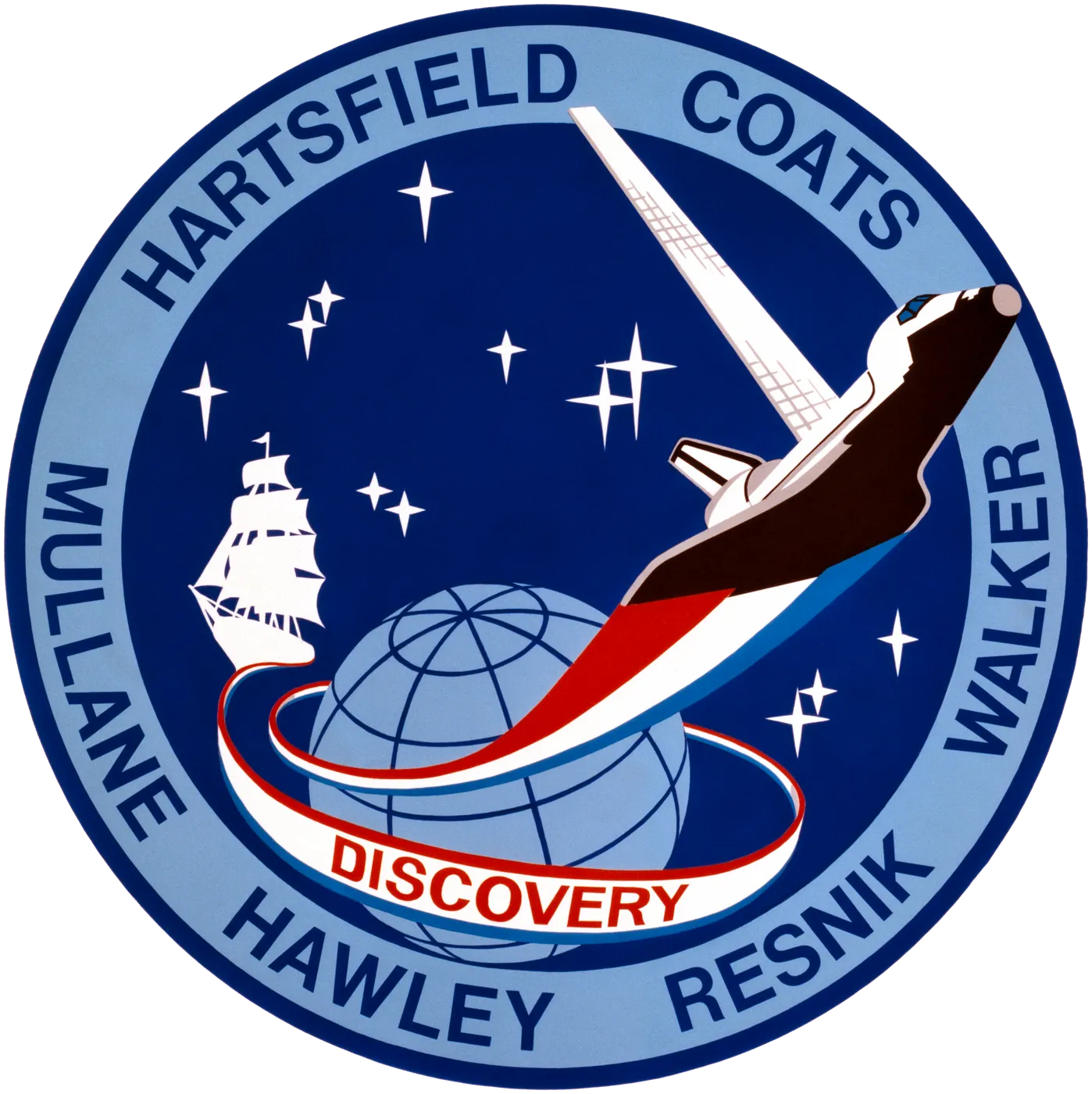
Discovery's maiden flight began with the programme's first launch-pad abort. On 26 June 1984 two main engines had already ignited when computers detected a sluggish valve in the third and shut everything down four seconds before liftoff, leaving the crew strapped in above a vehicle that then caught fire as residual hydrogen burned invisibly around the pad. Water deluge extinguished it; the astronauts were evacuated shaken and unhurt.
The delay reshuffled the manifest so thoroughly that payloads from two cancelled missions were merged into one, and when Discovery finally flew in August it deployed three communications satellites in three days — a record — and unfurled a 31-metre experimental solar array to test the flexible blanket technology that space stations would later rely on.
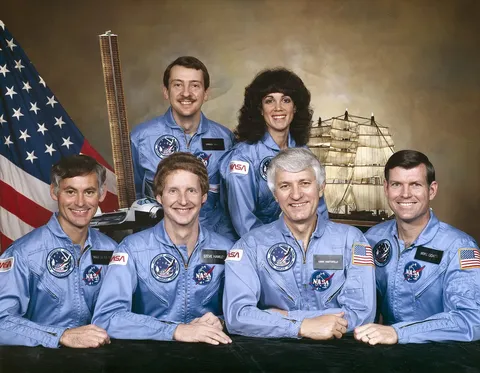
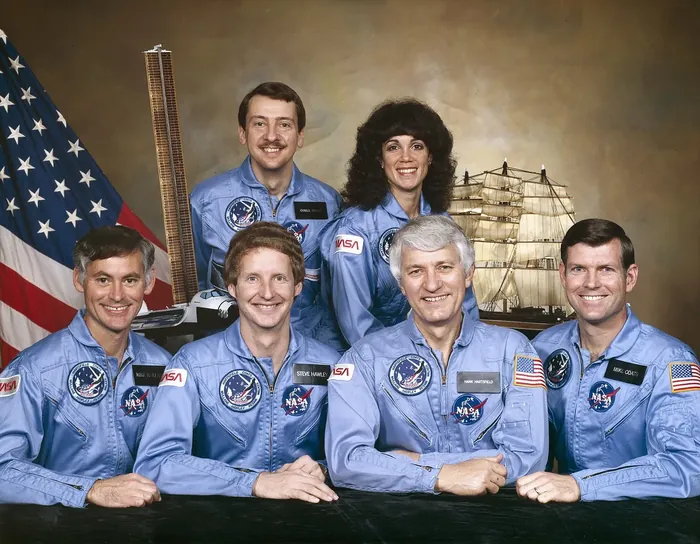
Aboard was Judith Resnik, the second American woman in space, an electrical engineer with a doctorate and a reputation for precision. The flight also produced an unexpected hazard when waste water froze into a large icicle on the orbiter's side, threatening to break loose and strike the vehicle during re-entry; it was knocked off with the robotic arm, an improvisation that became standard practice. Resnik was killed on Challenger seventeen months later.